Alveolar Gas ExchangeArtboard 2@2x

Menu

About kitc5i

This author has not yet filled in any details.
So far kitc5i has created 880 blog entries.

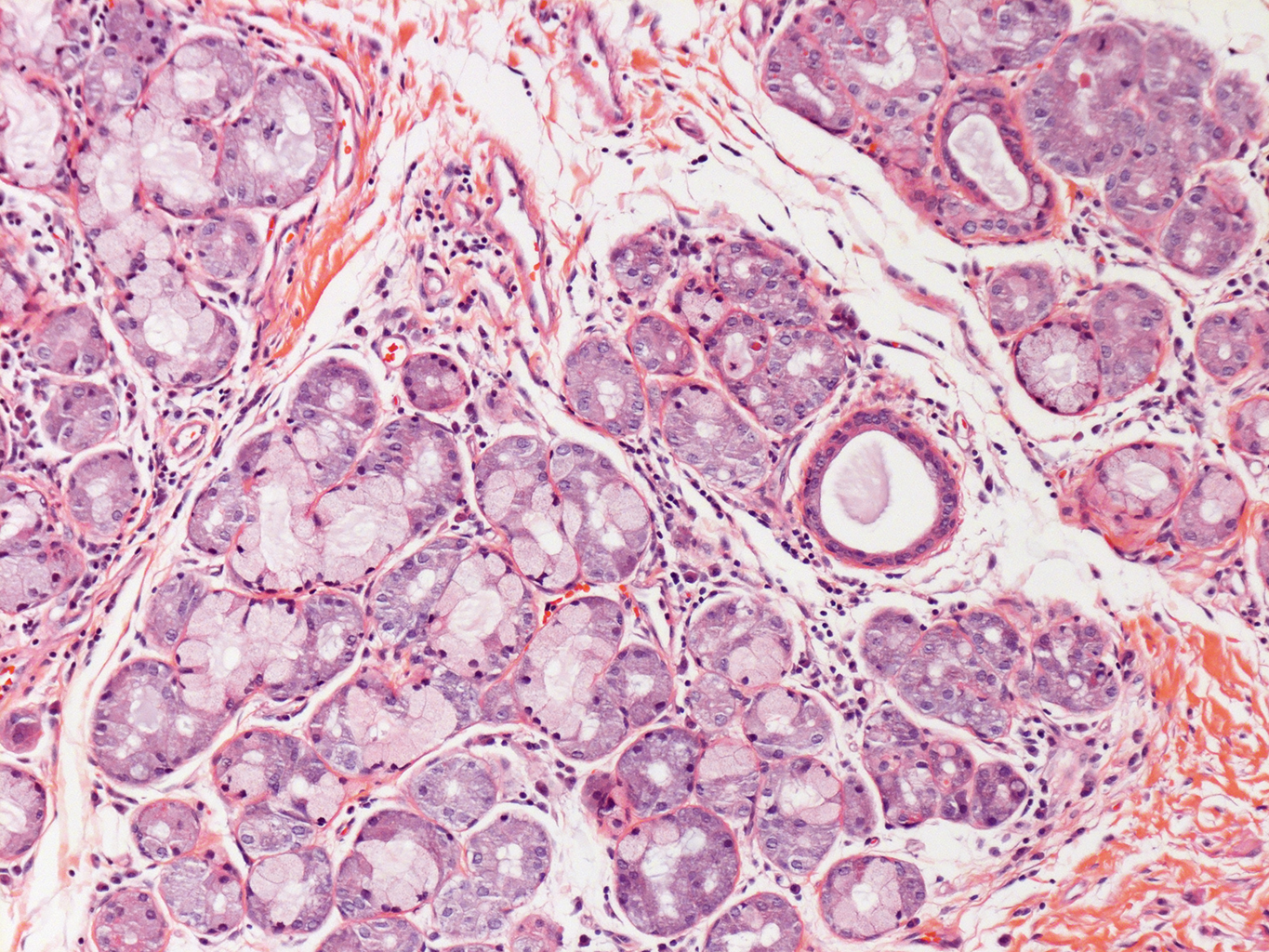
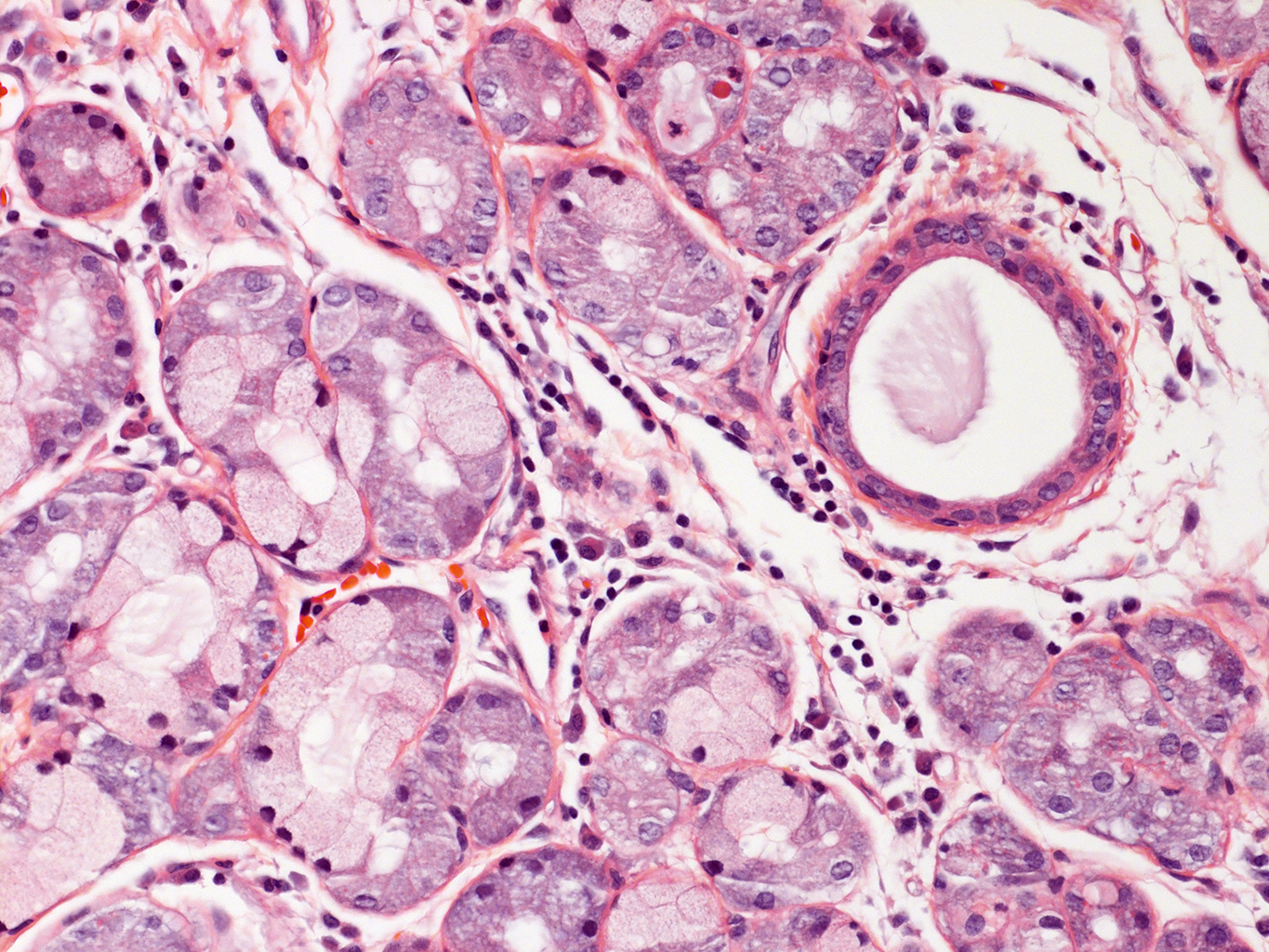
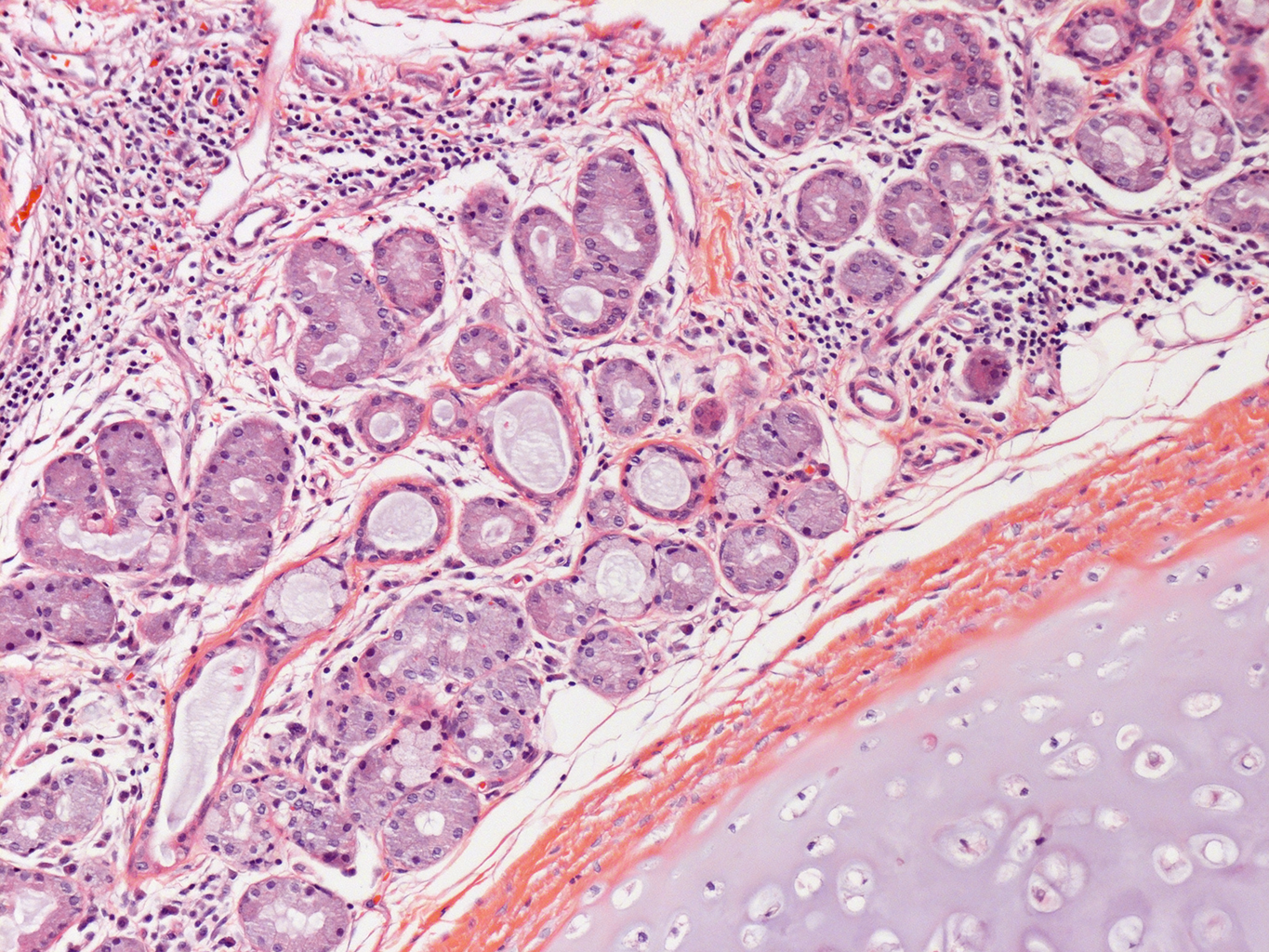
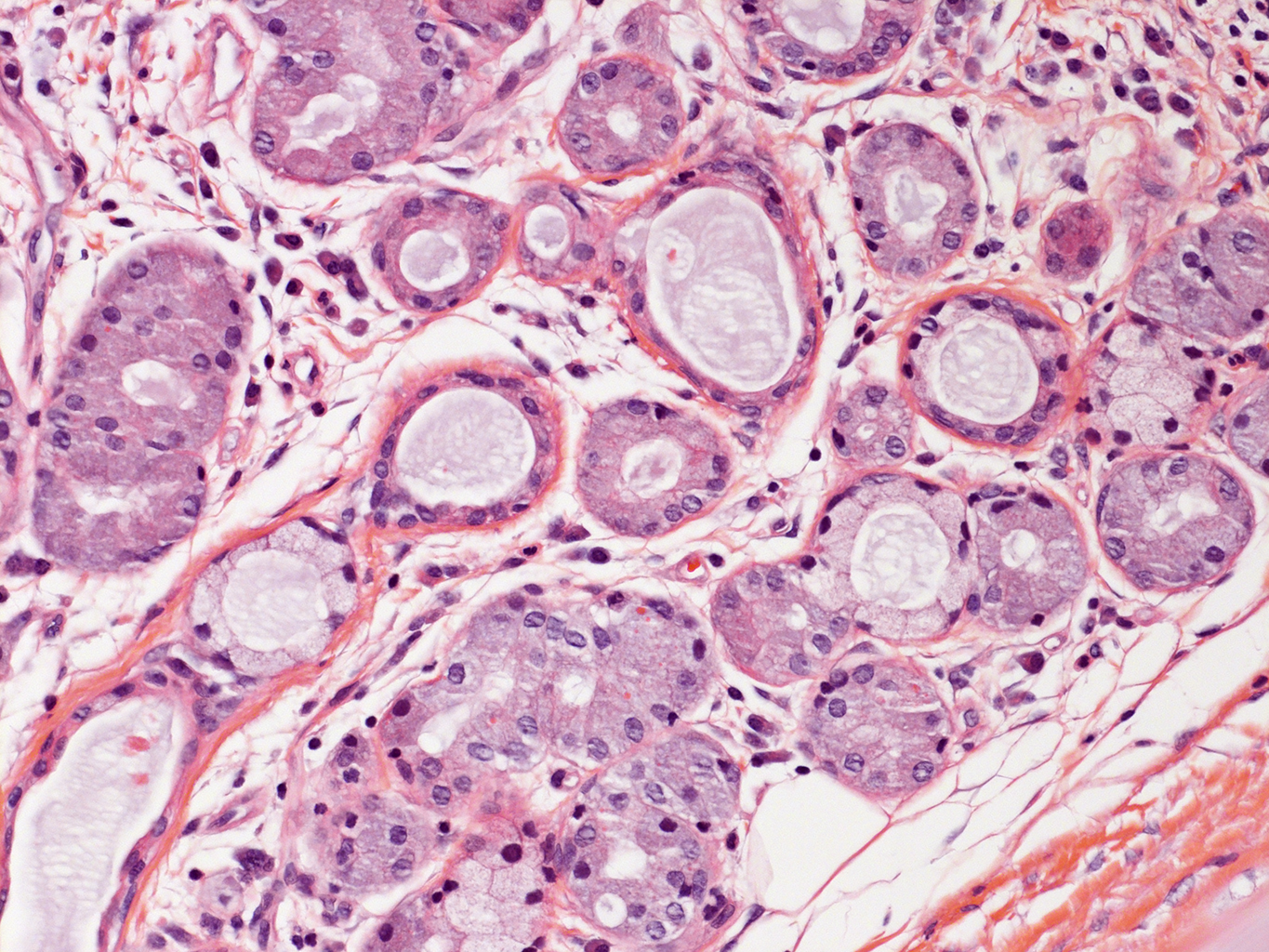
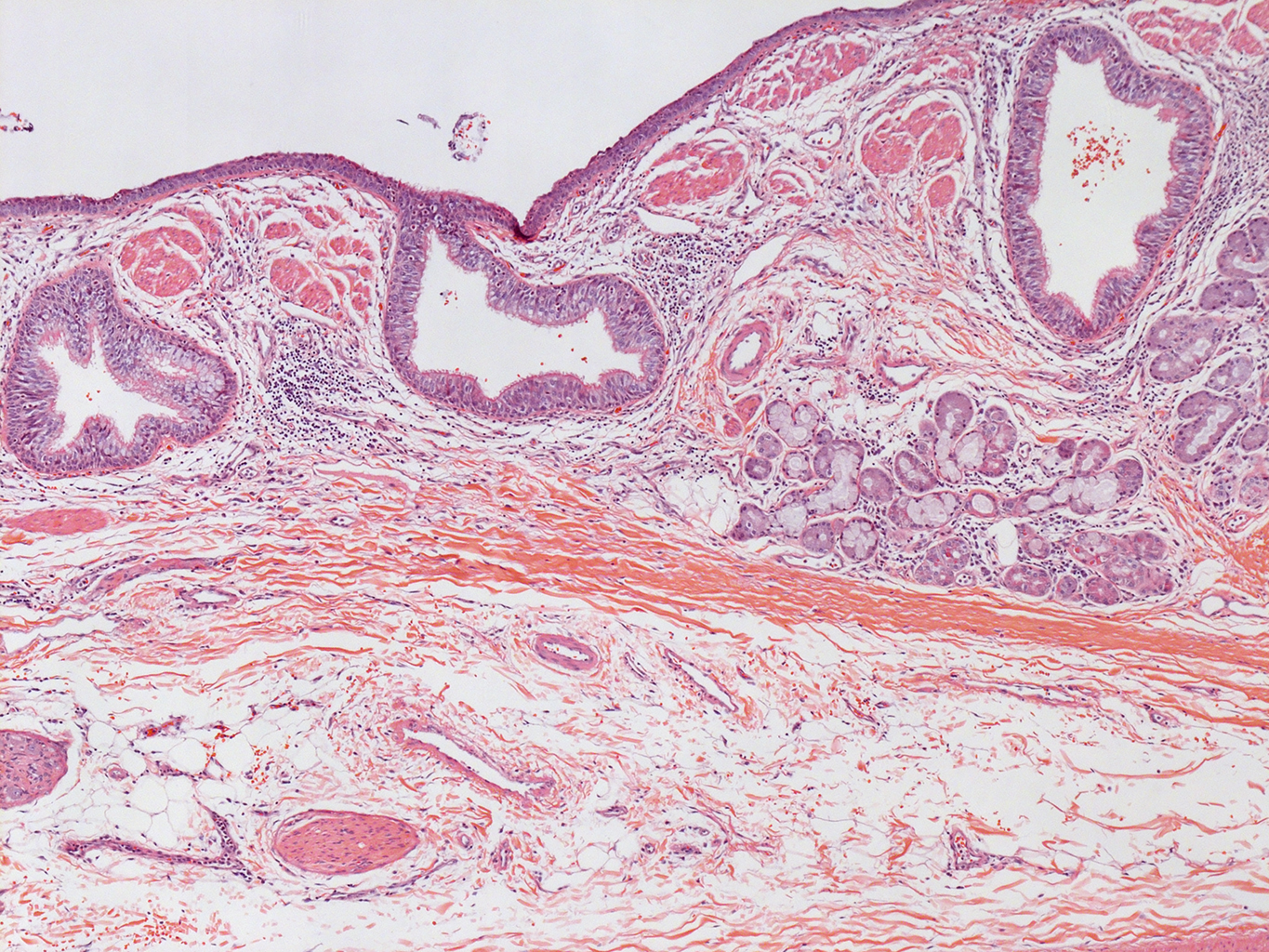
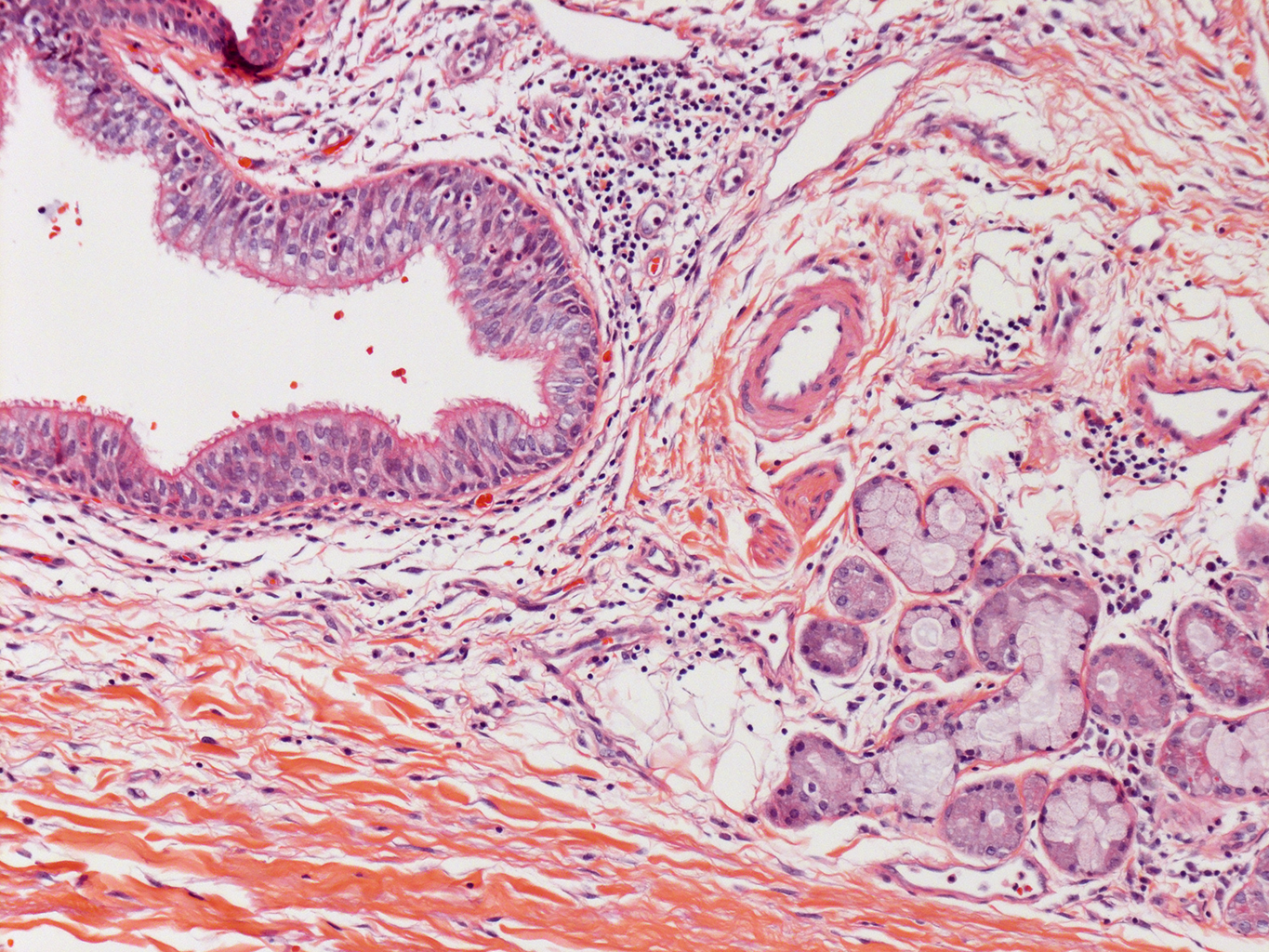
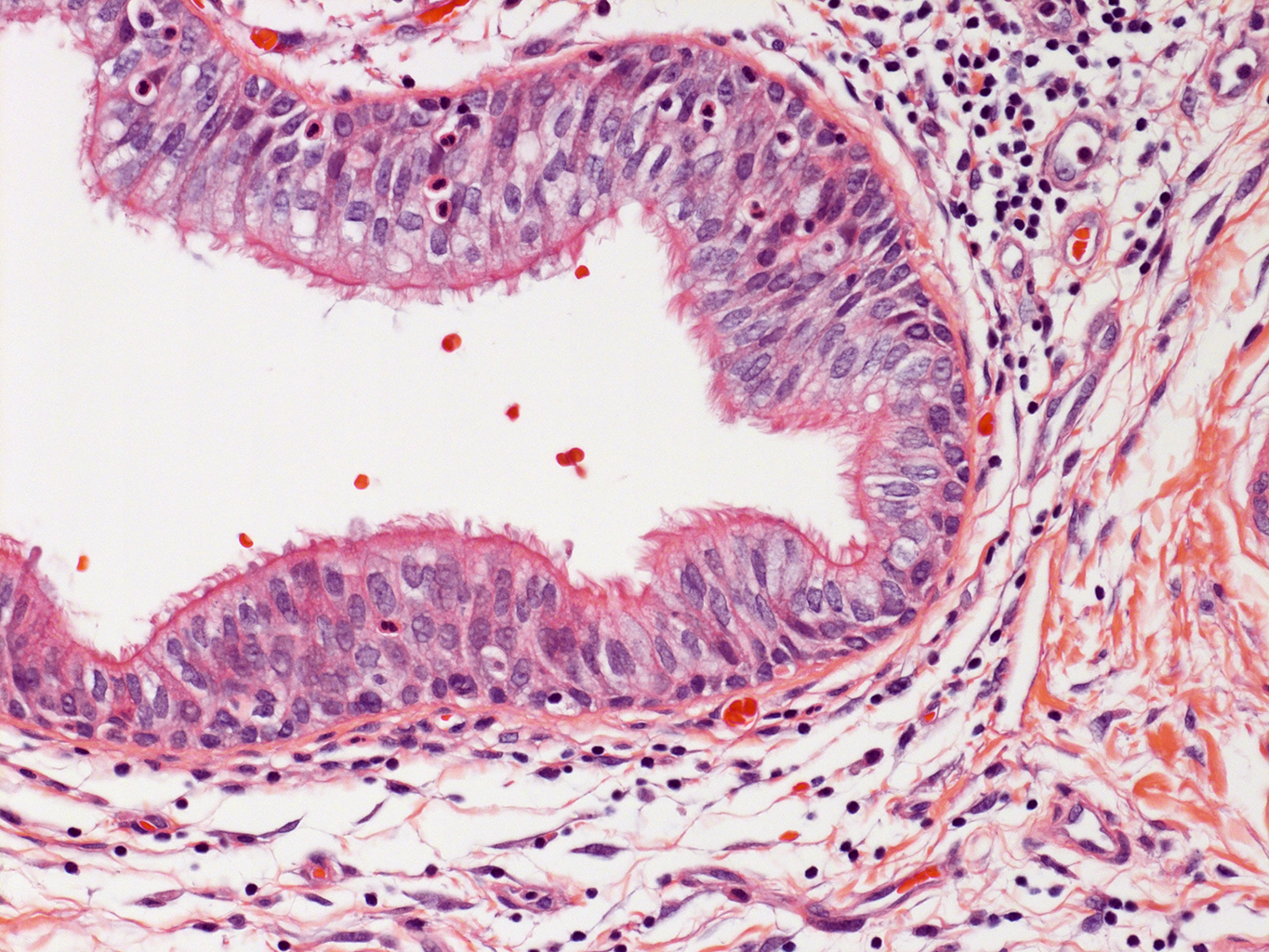
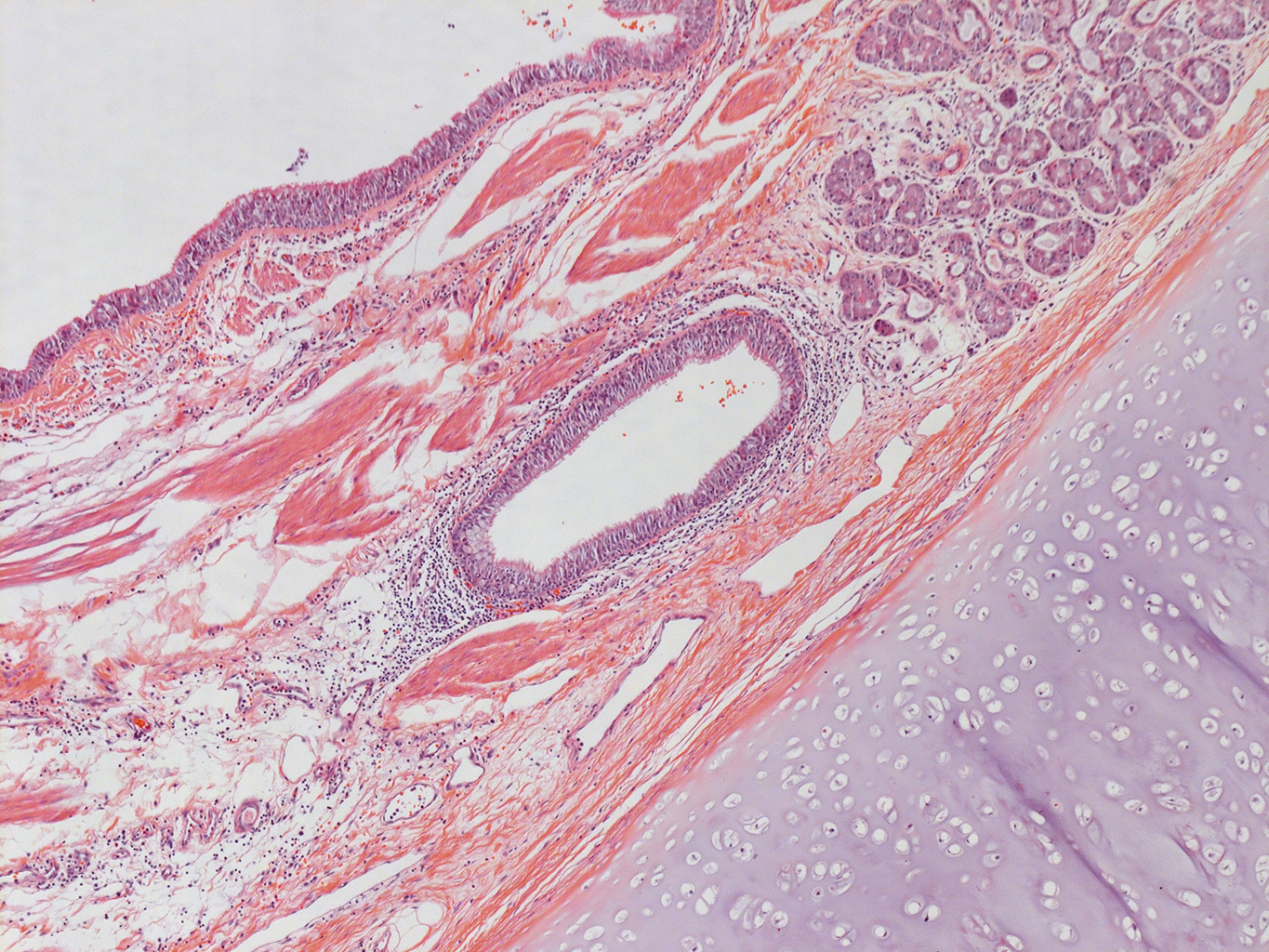
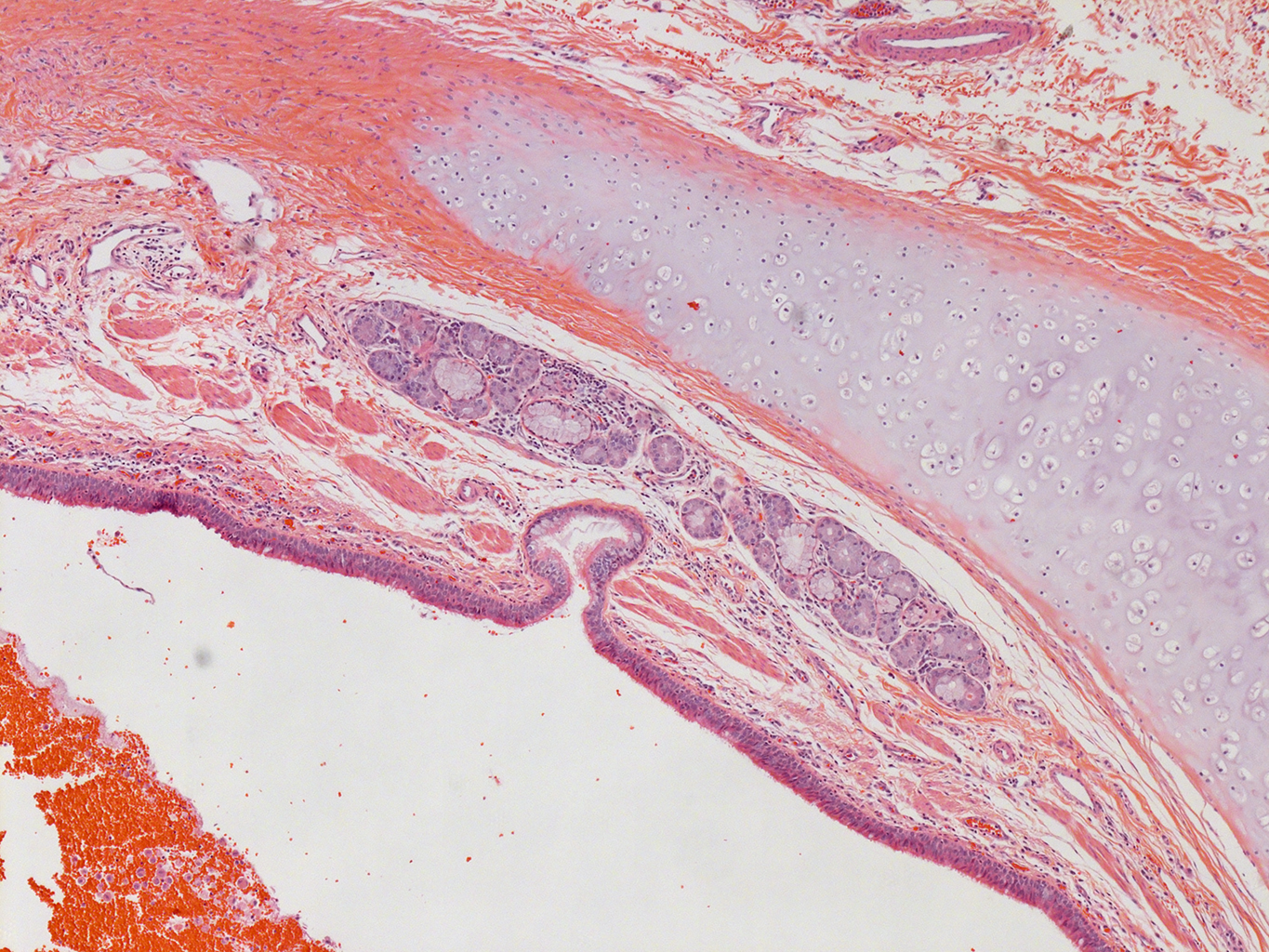
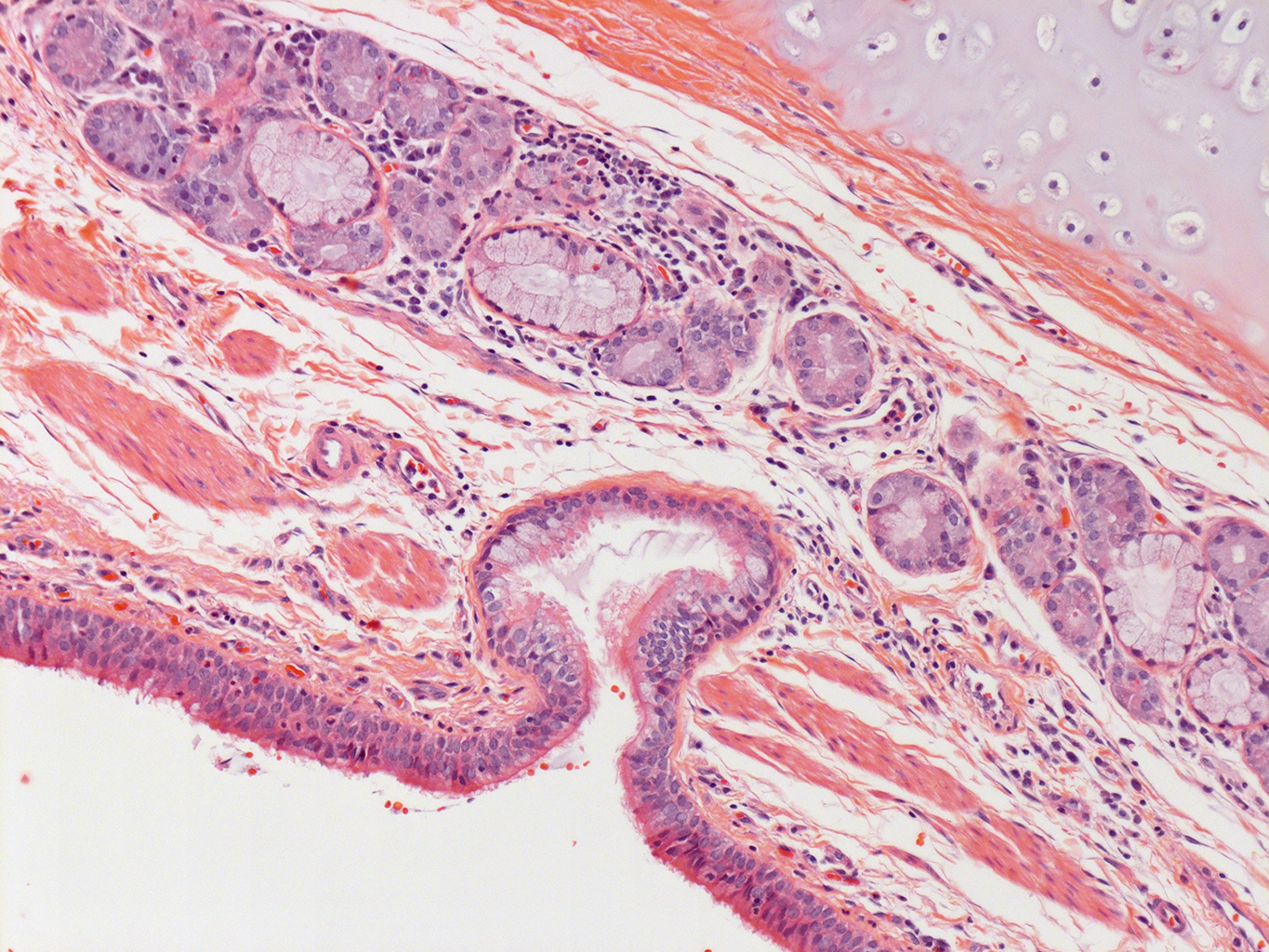
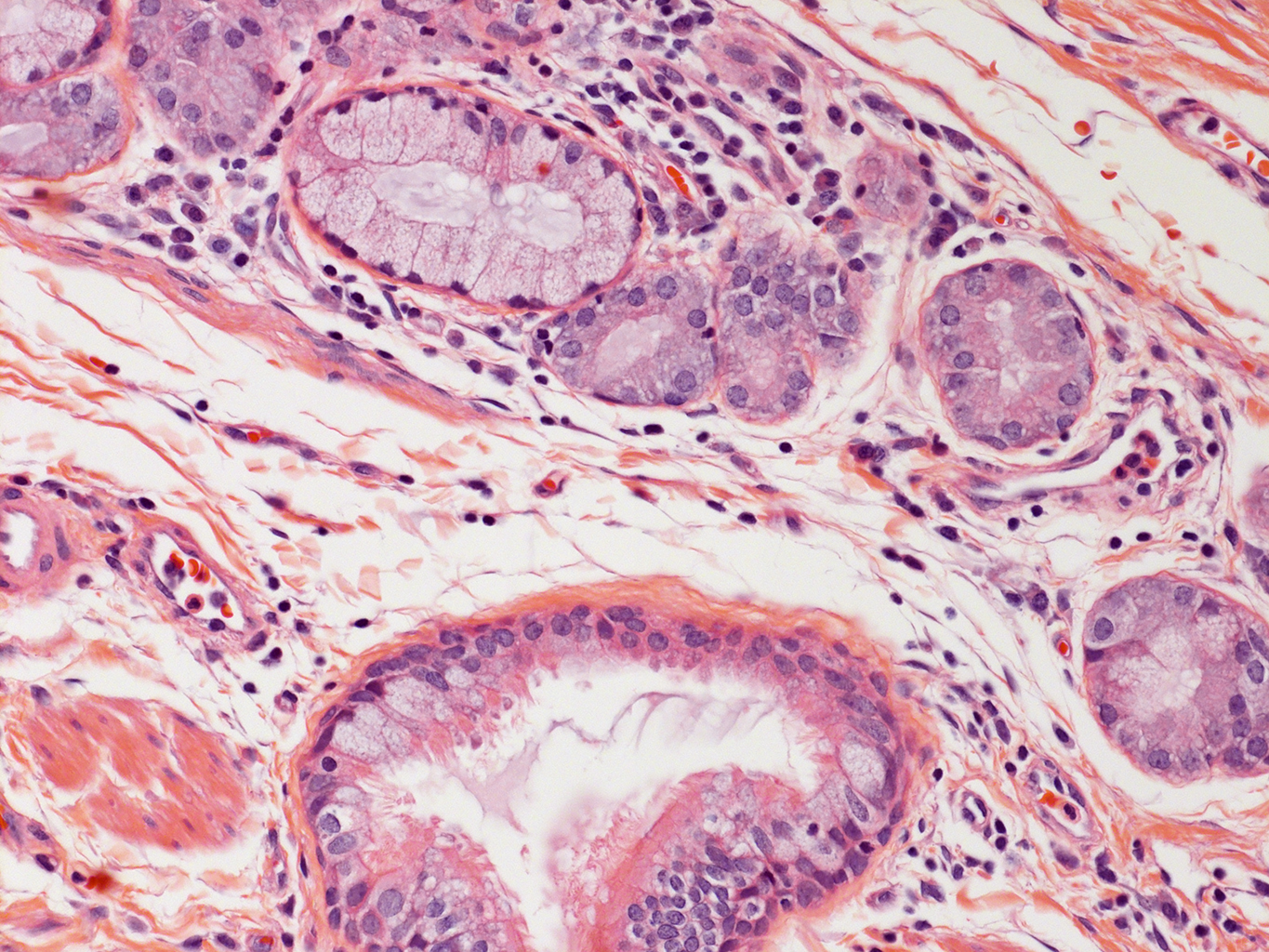
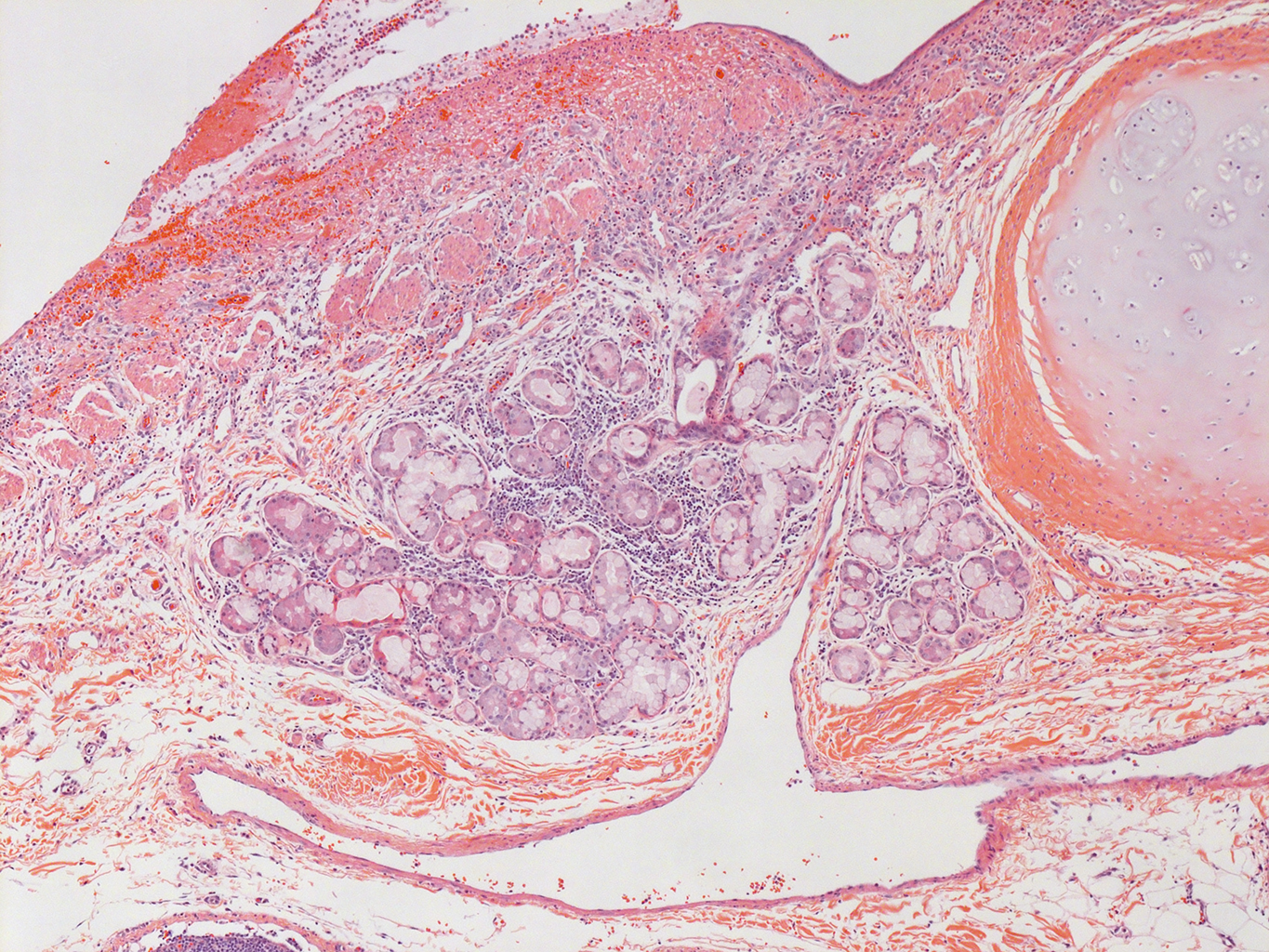
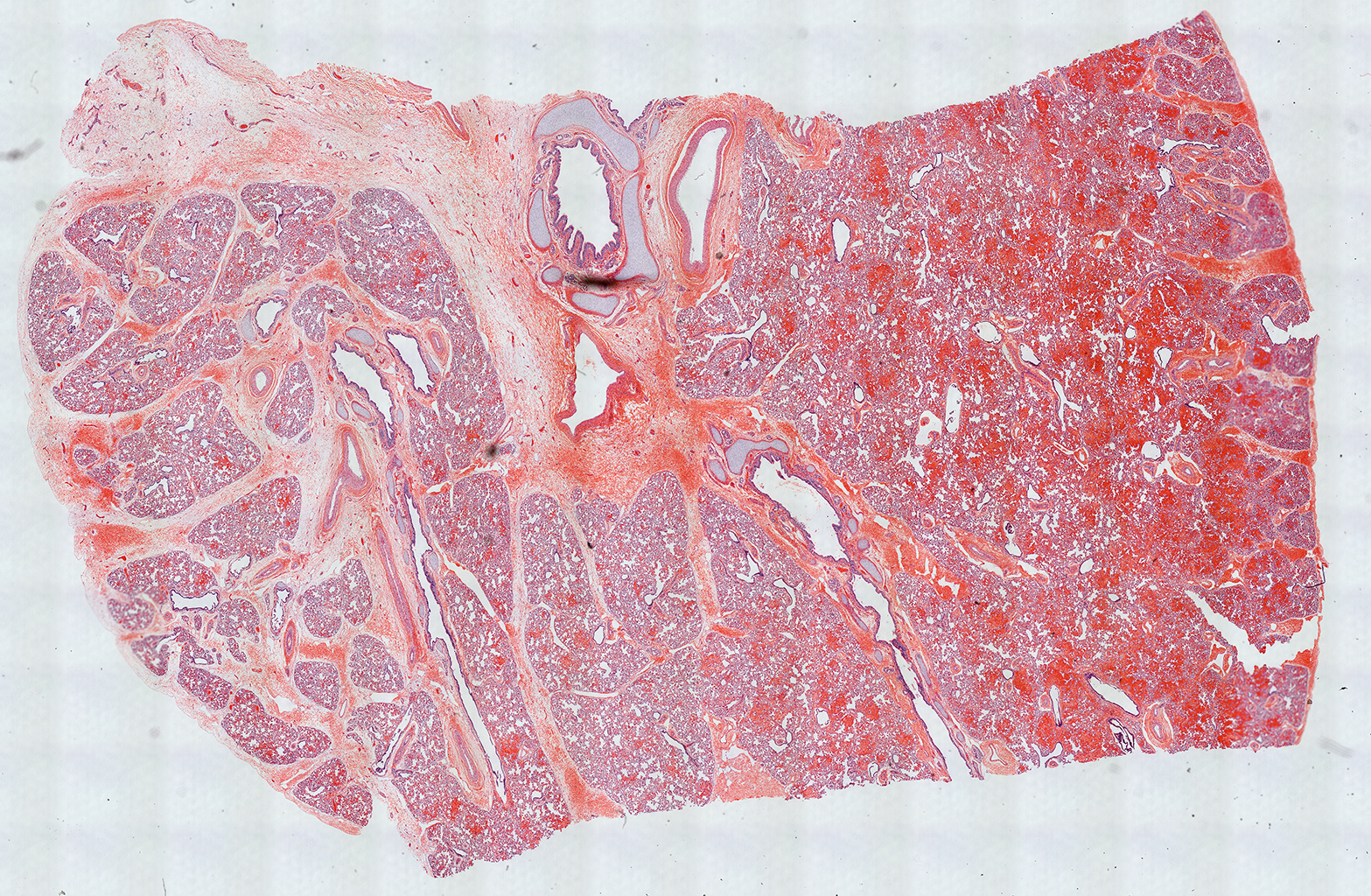
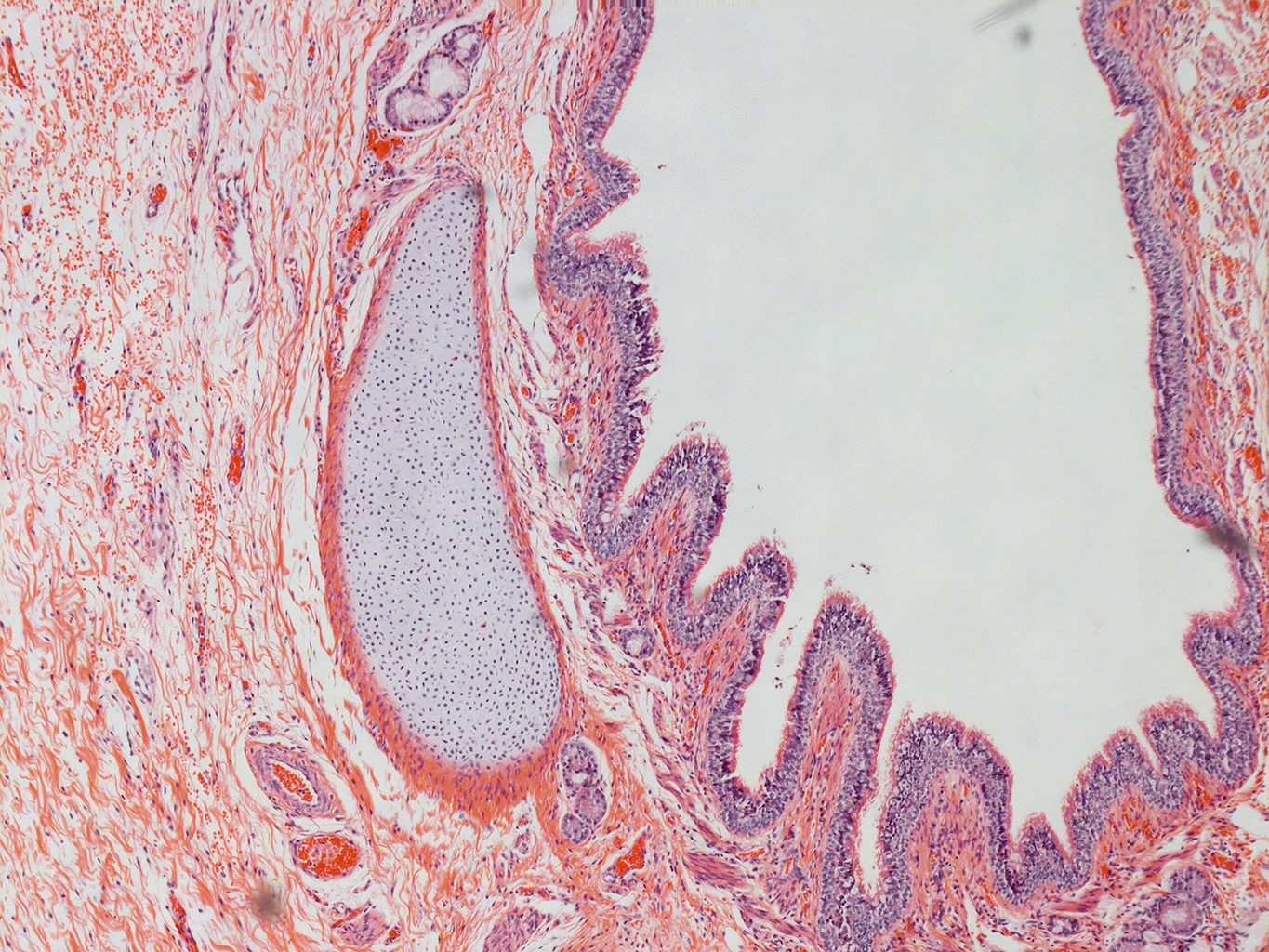
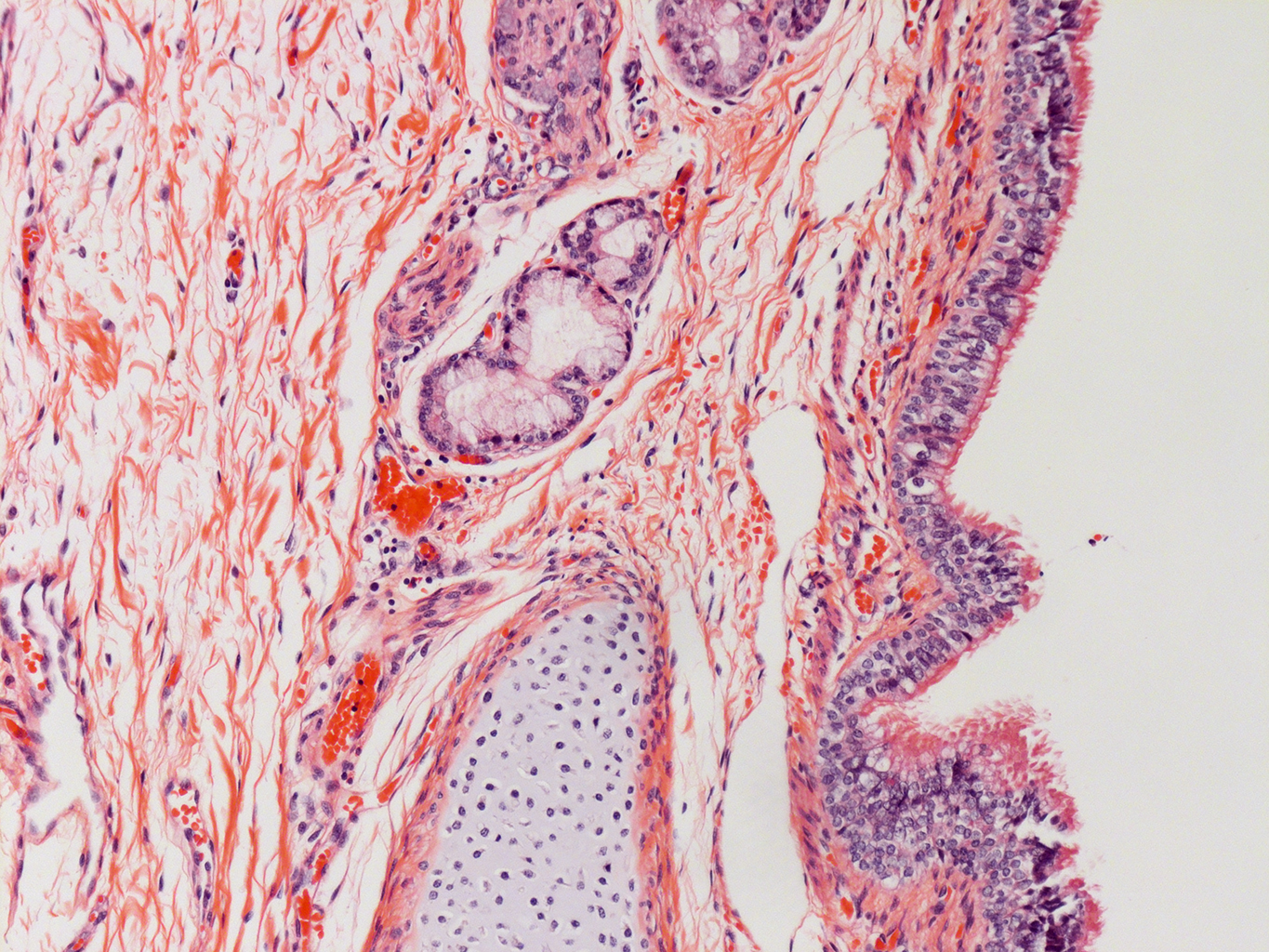
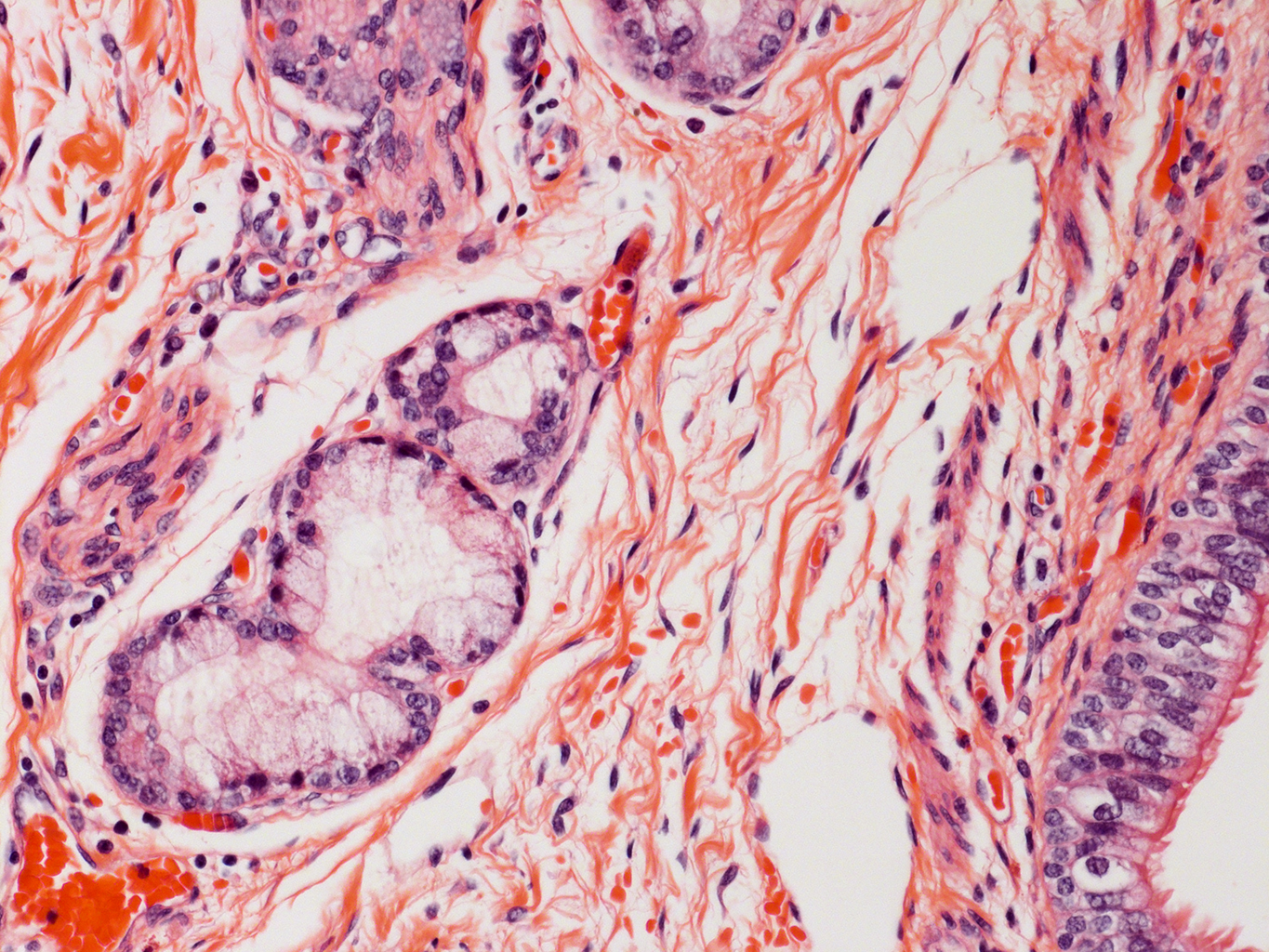
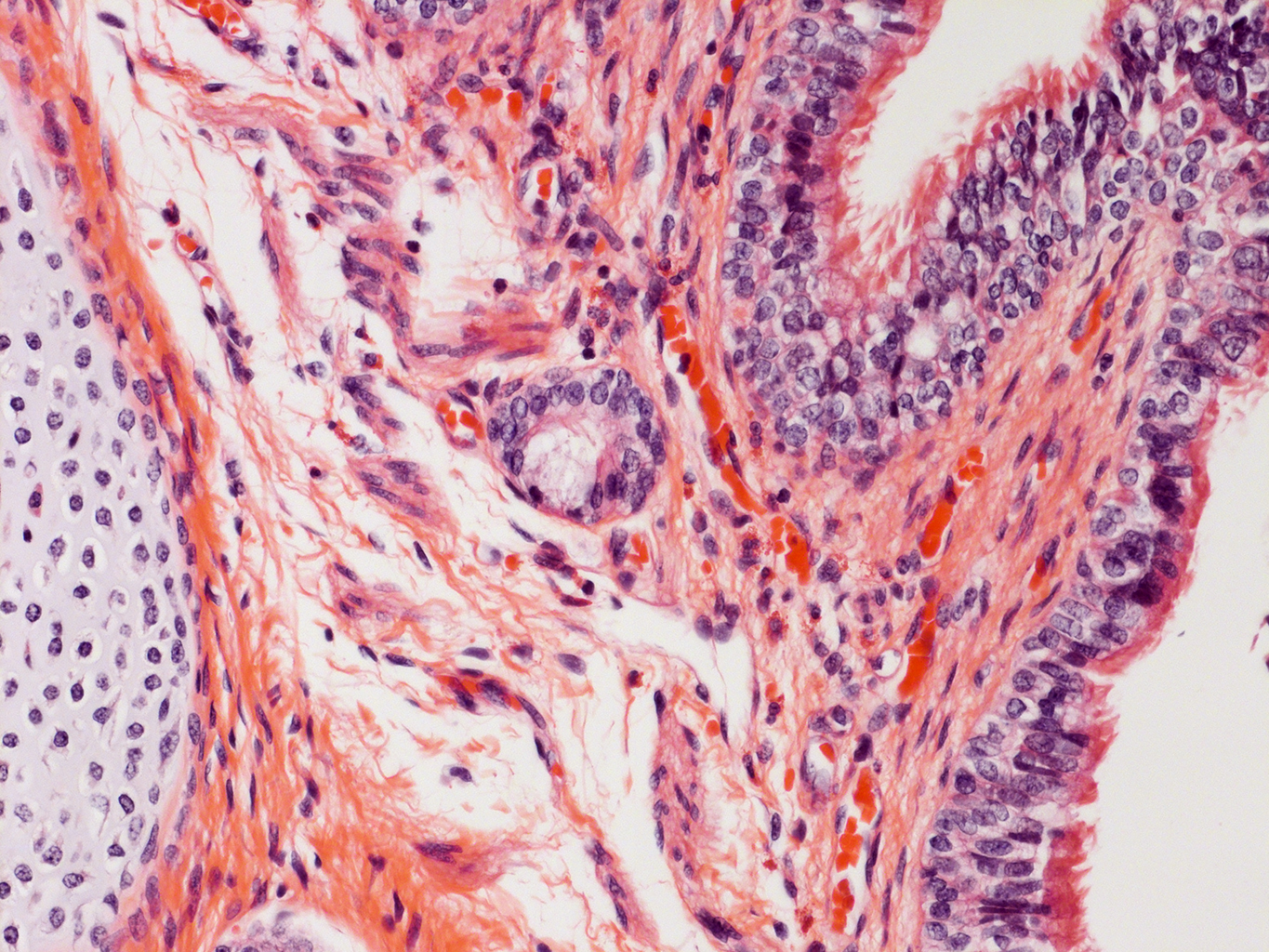
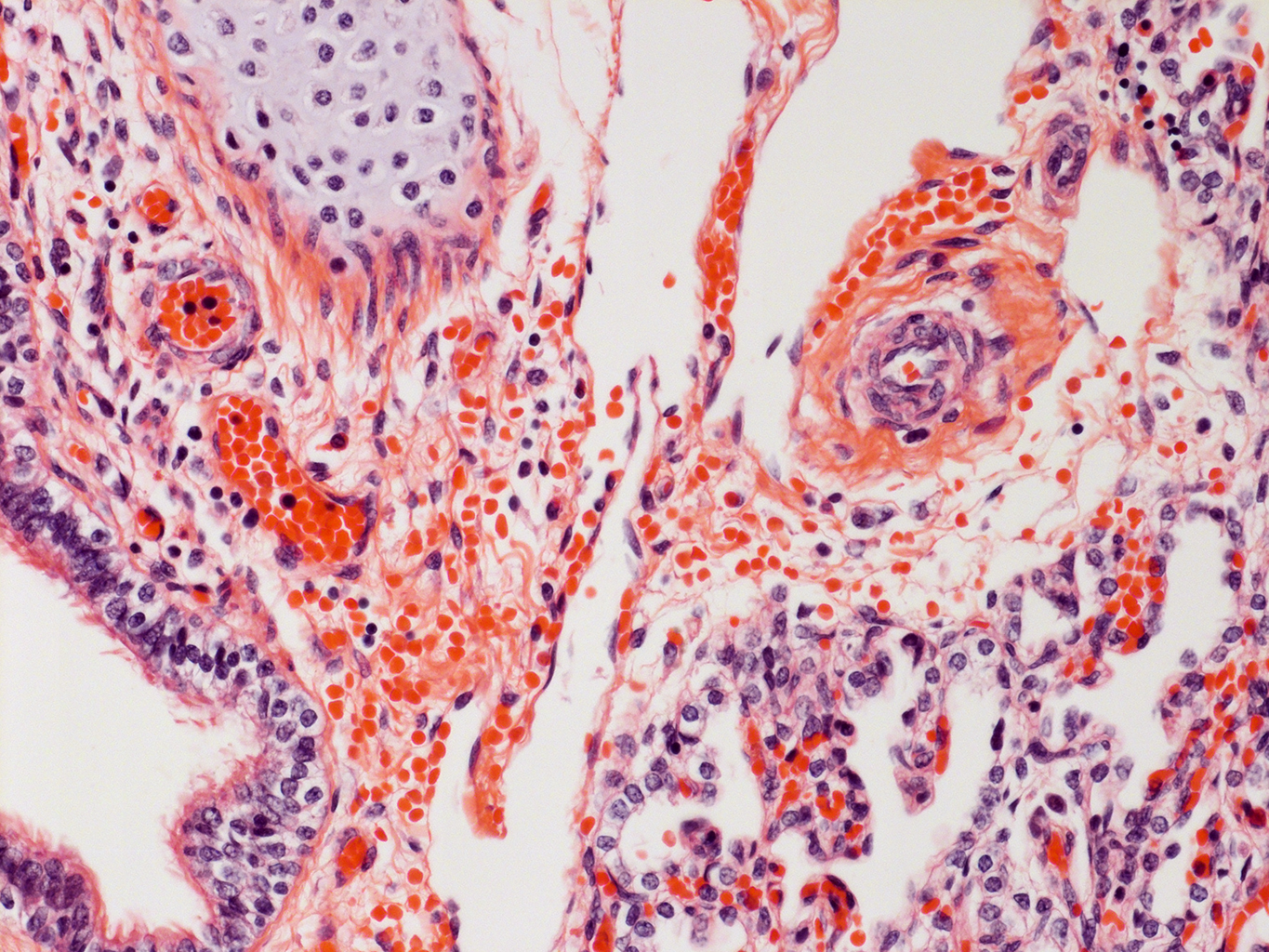
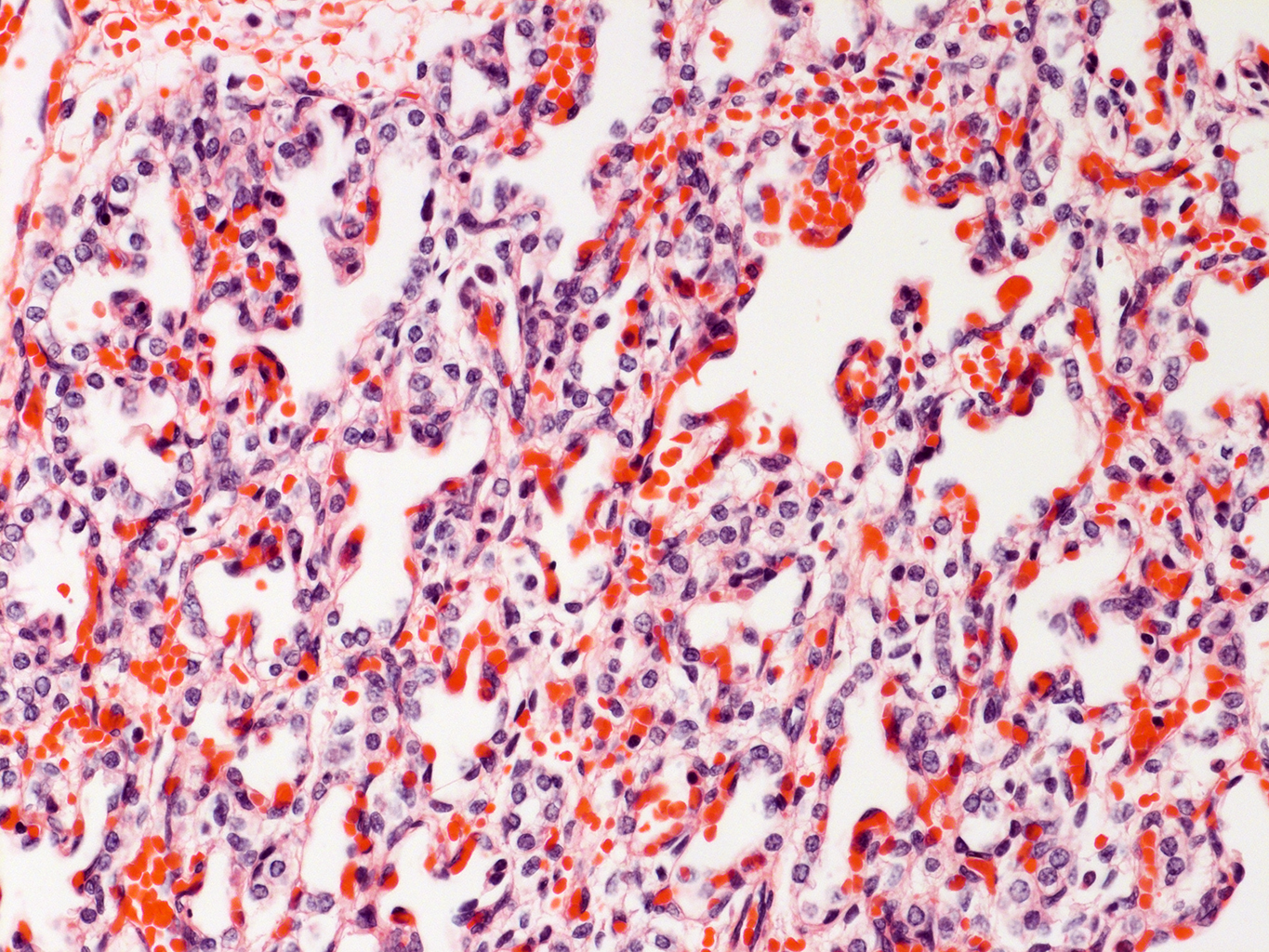
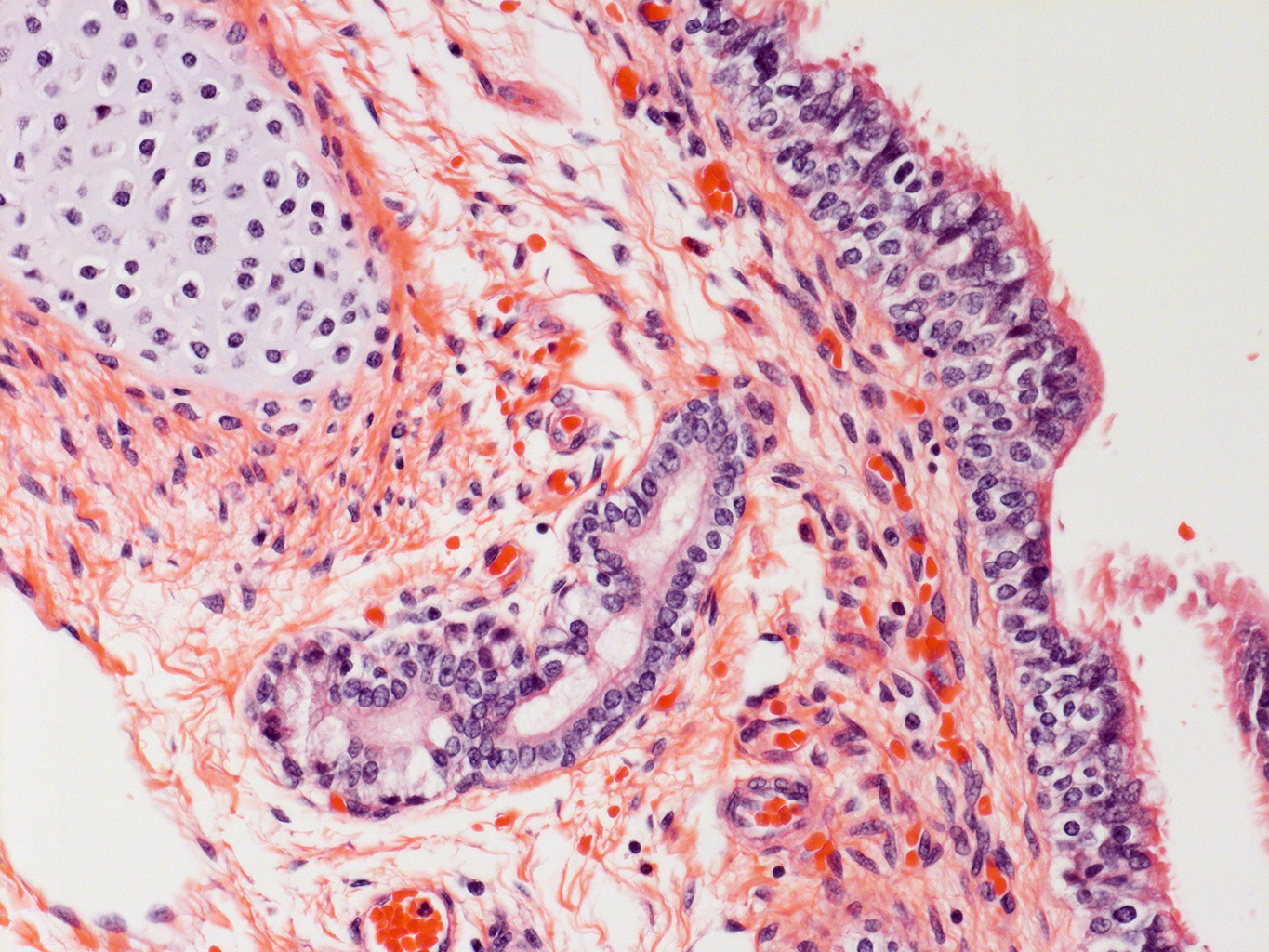
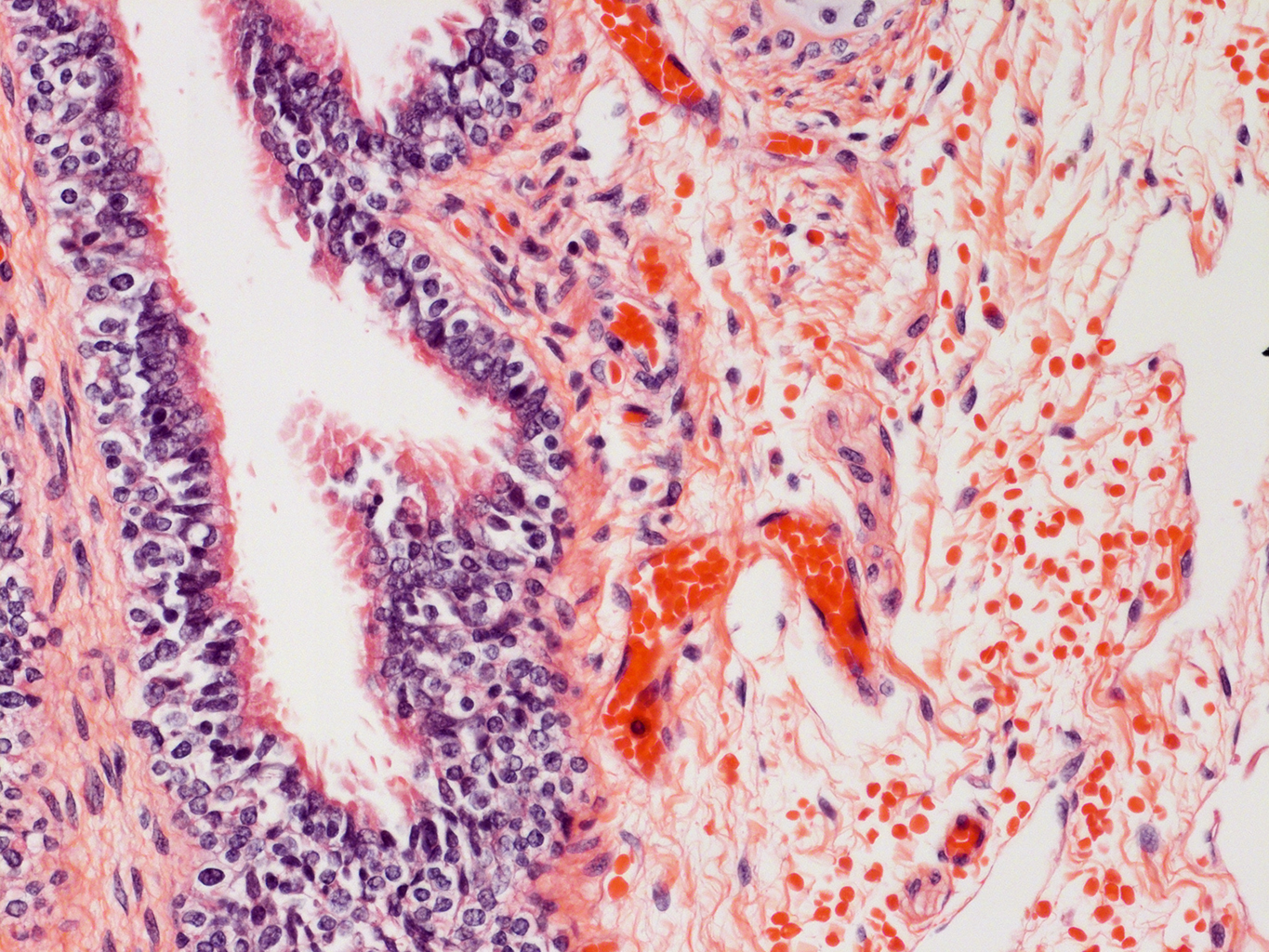
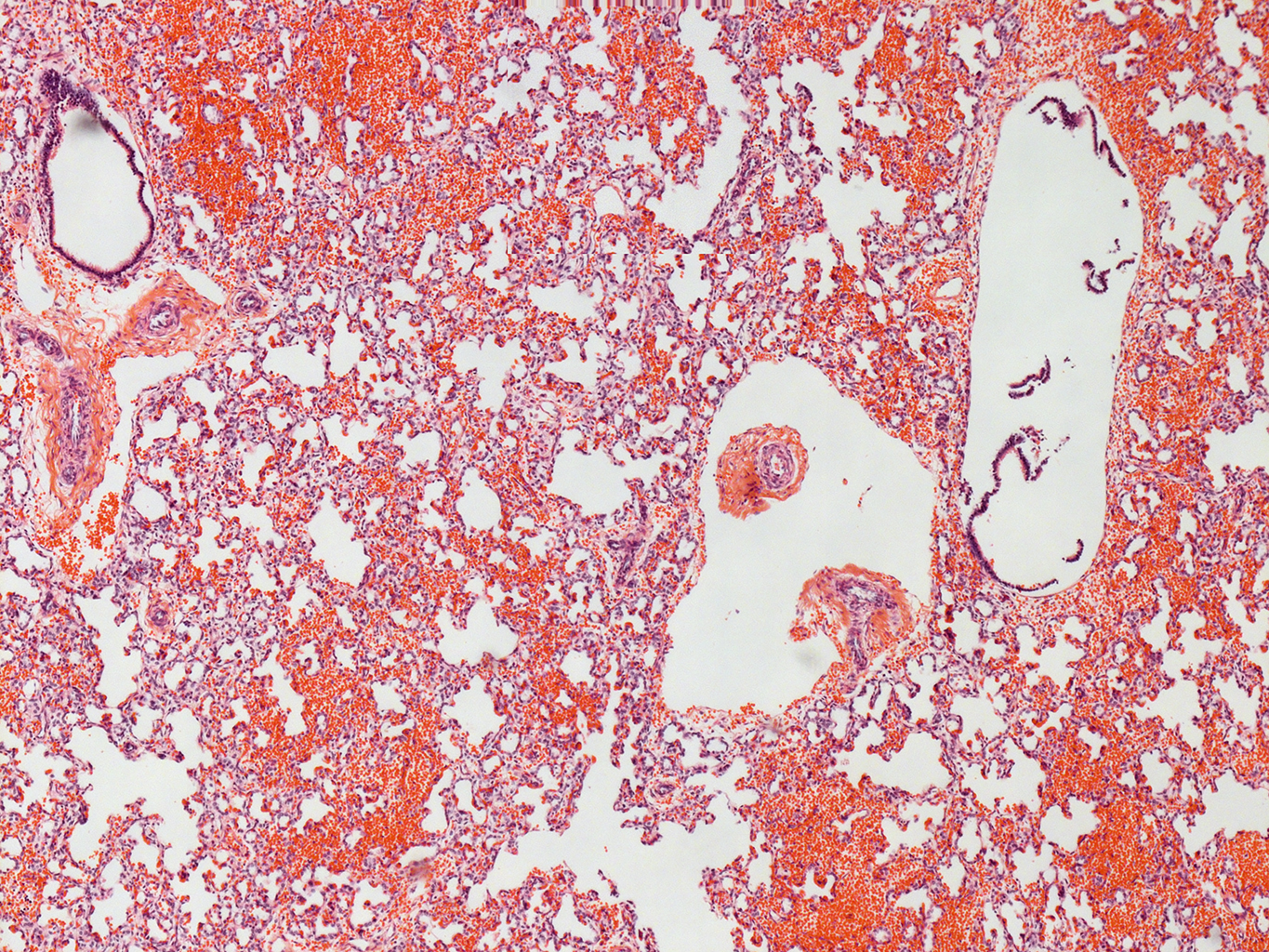
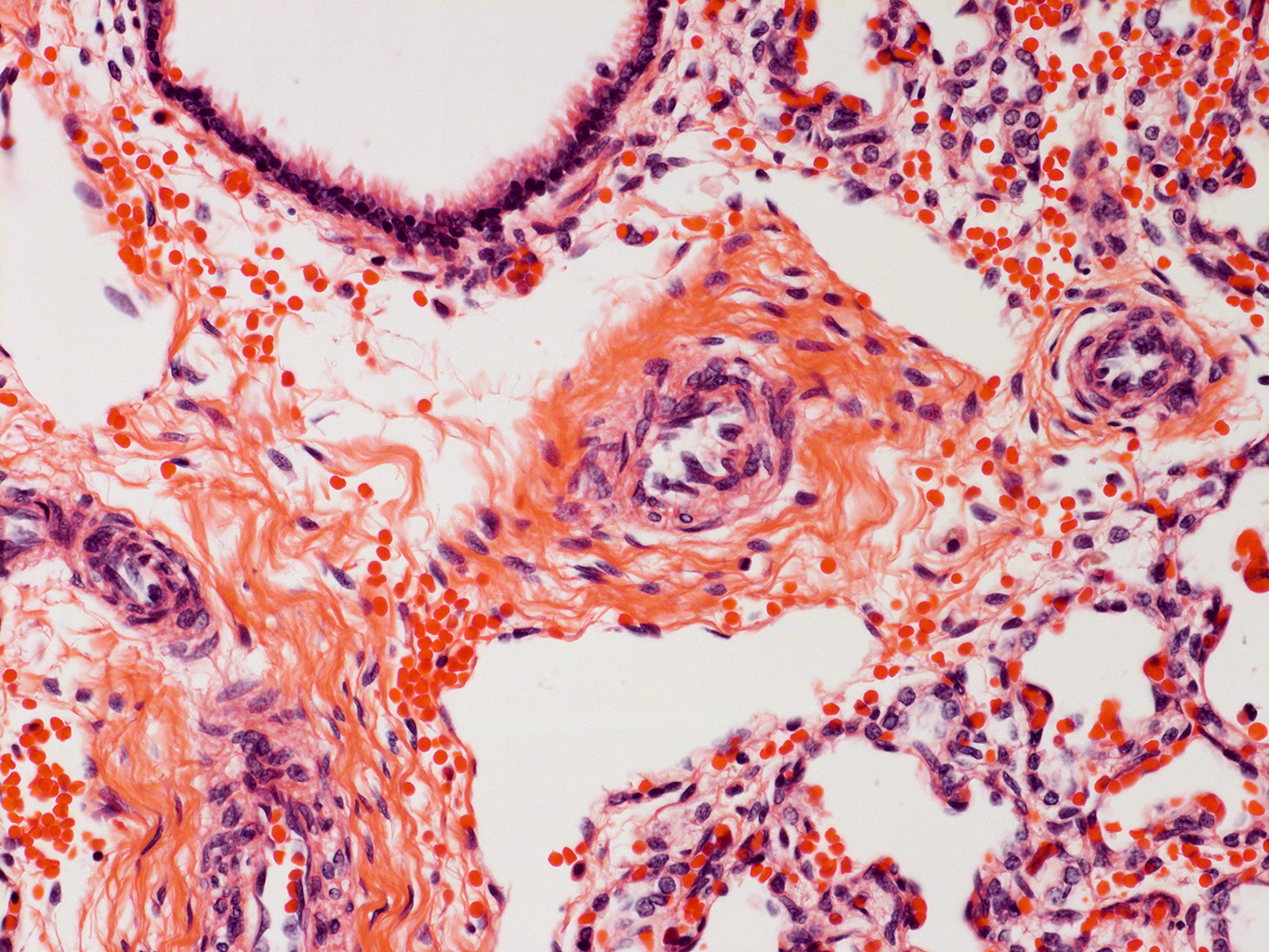
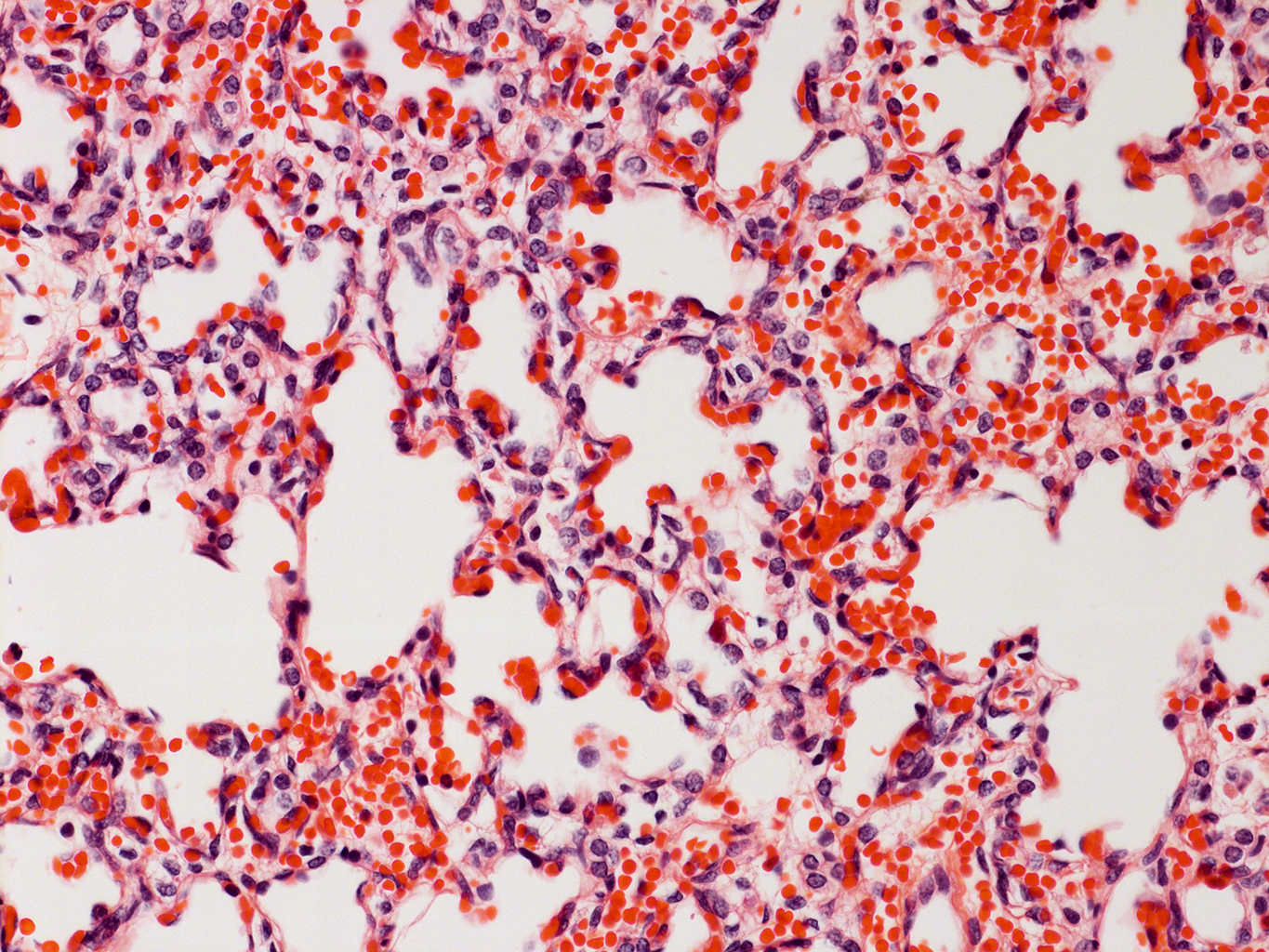
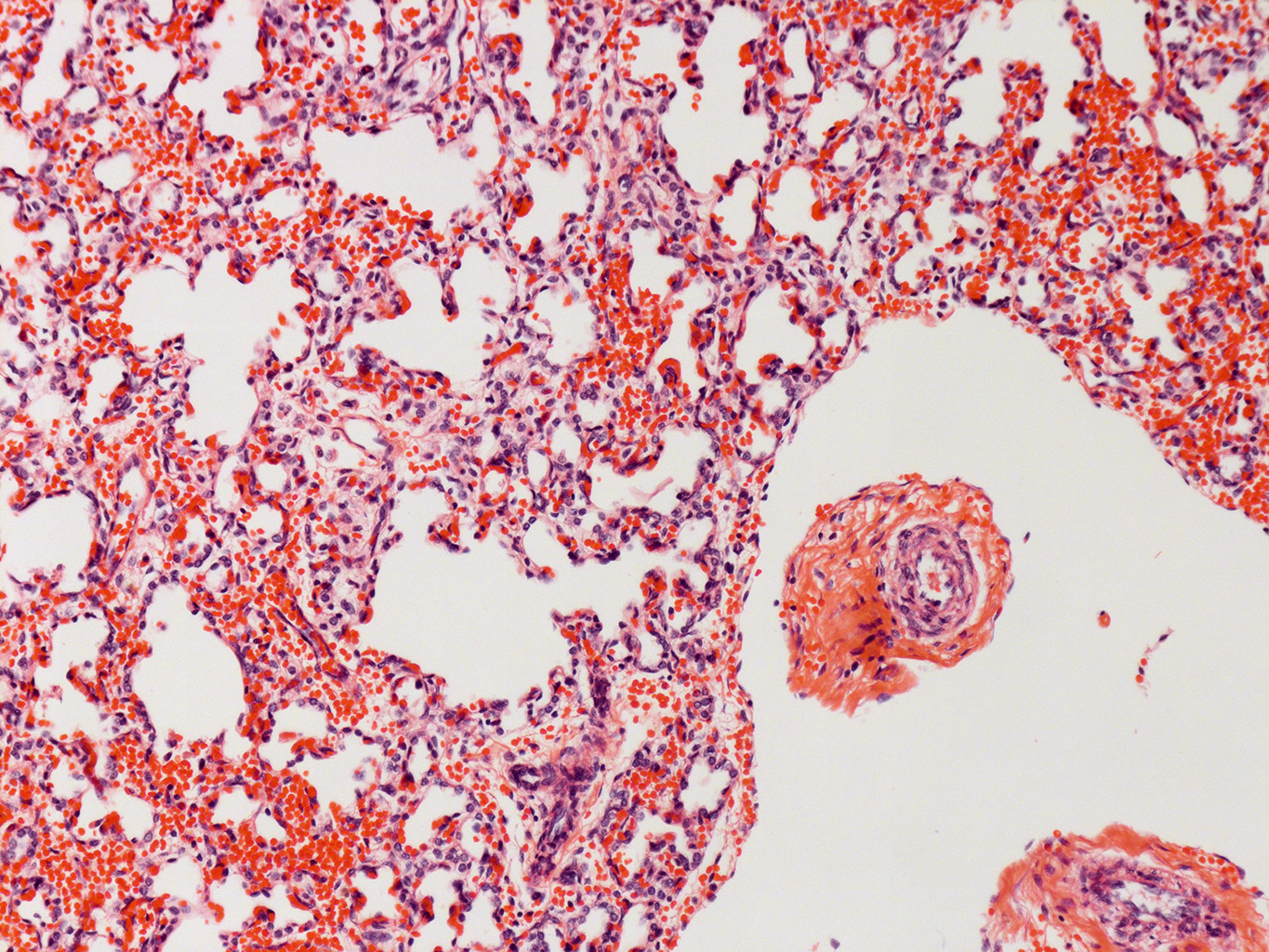
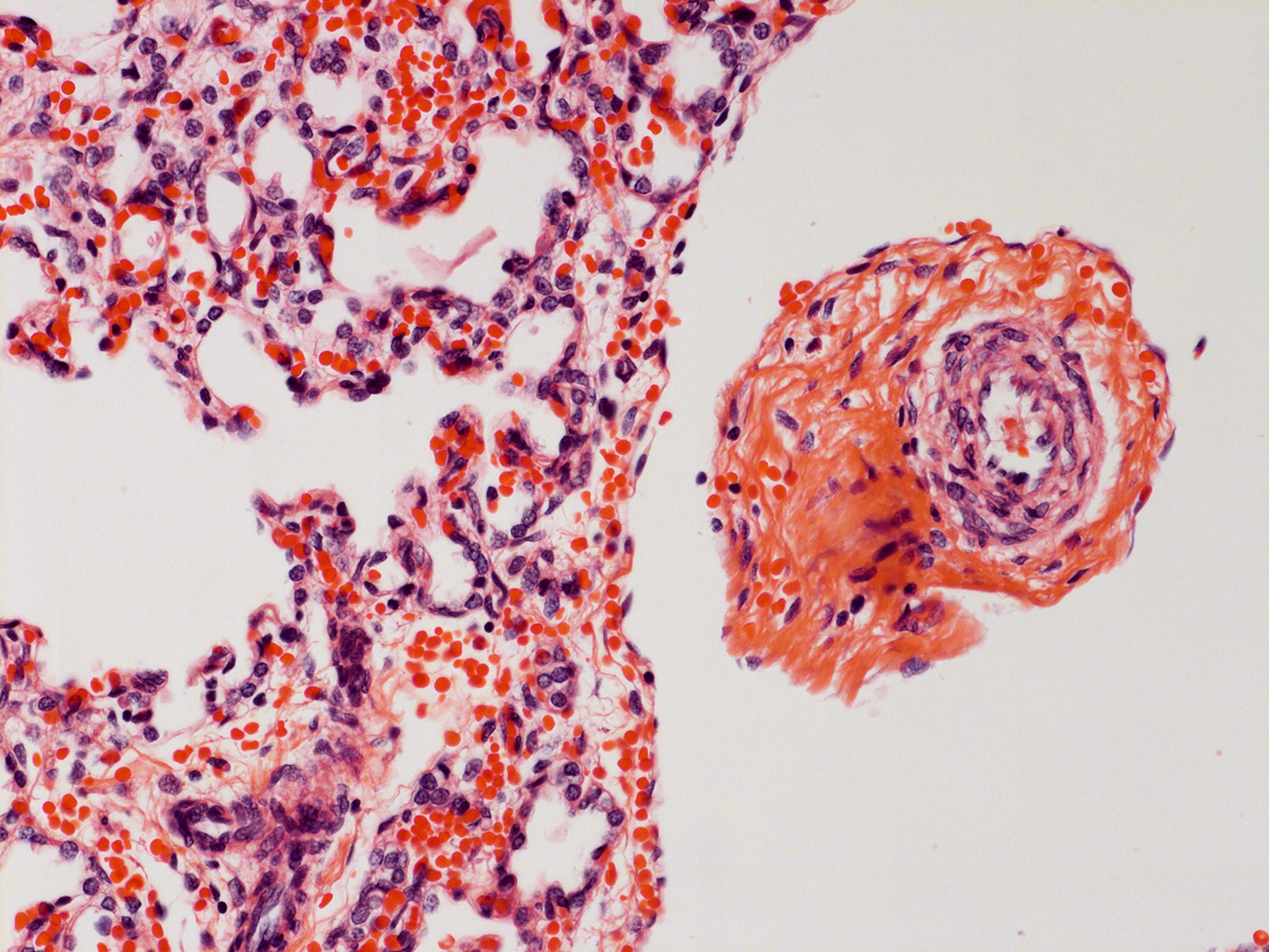
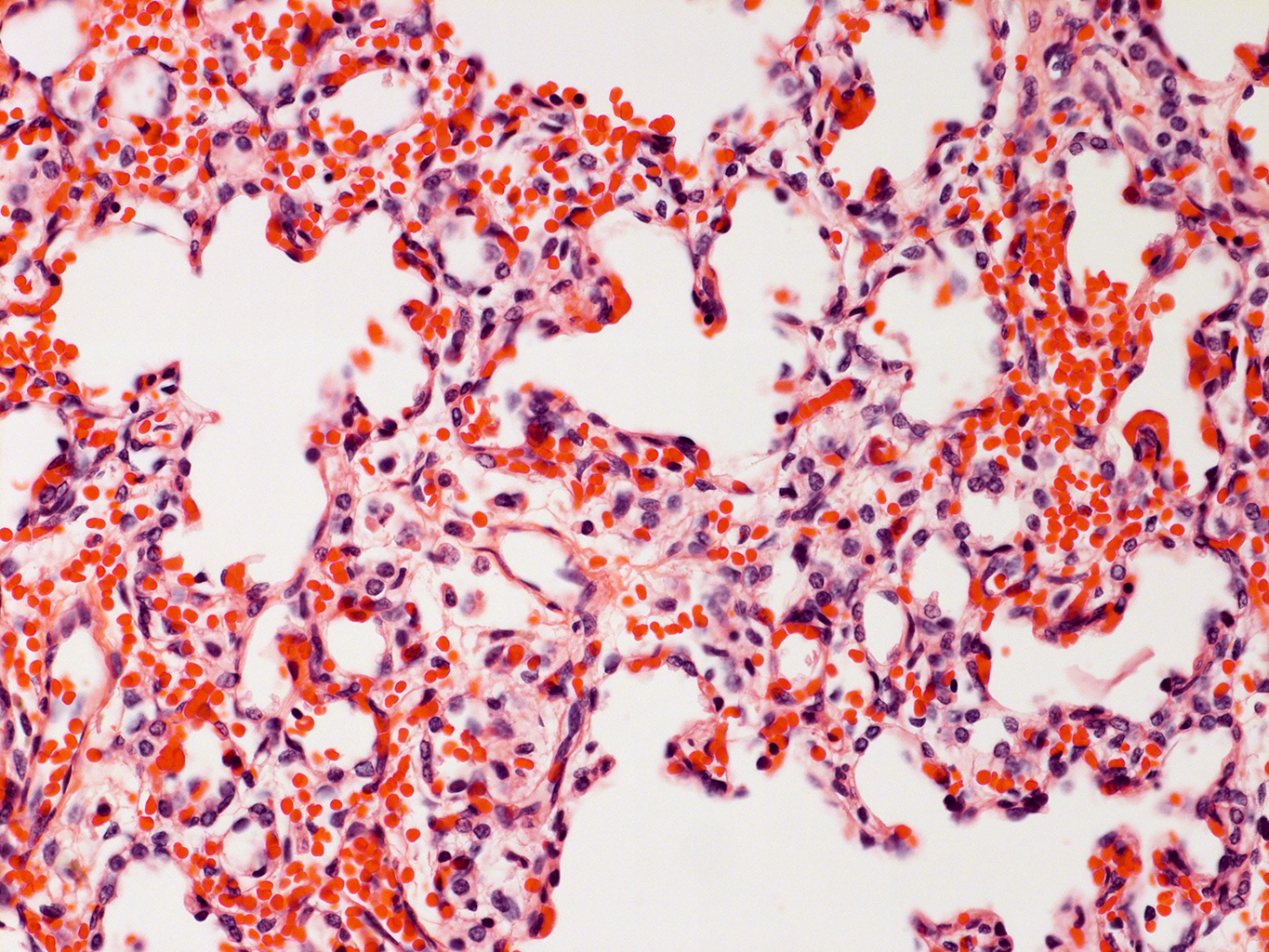
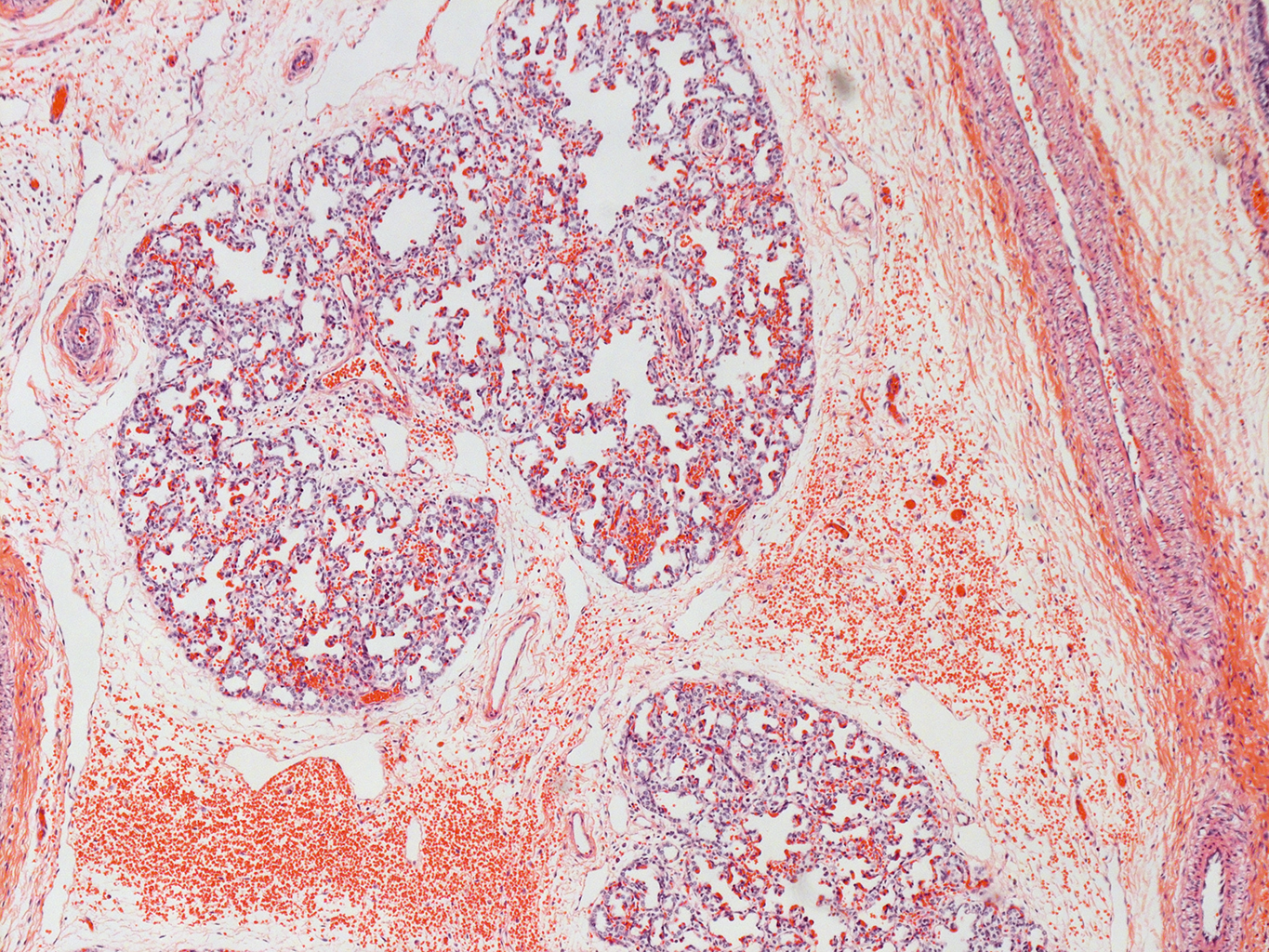
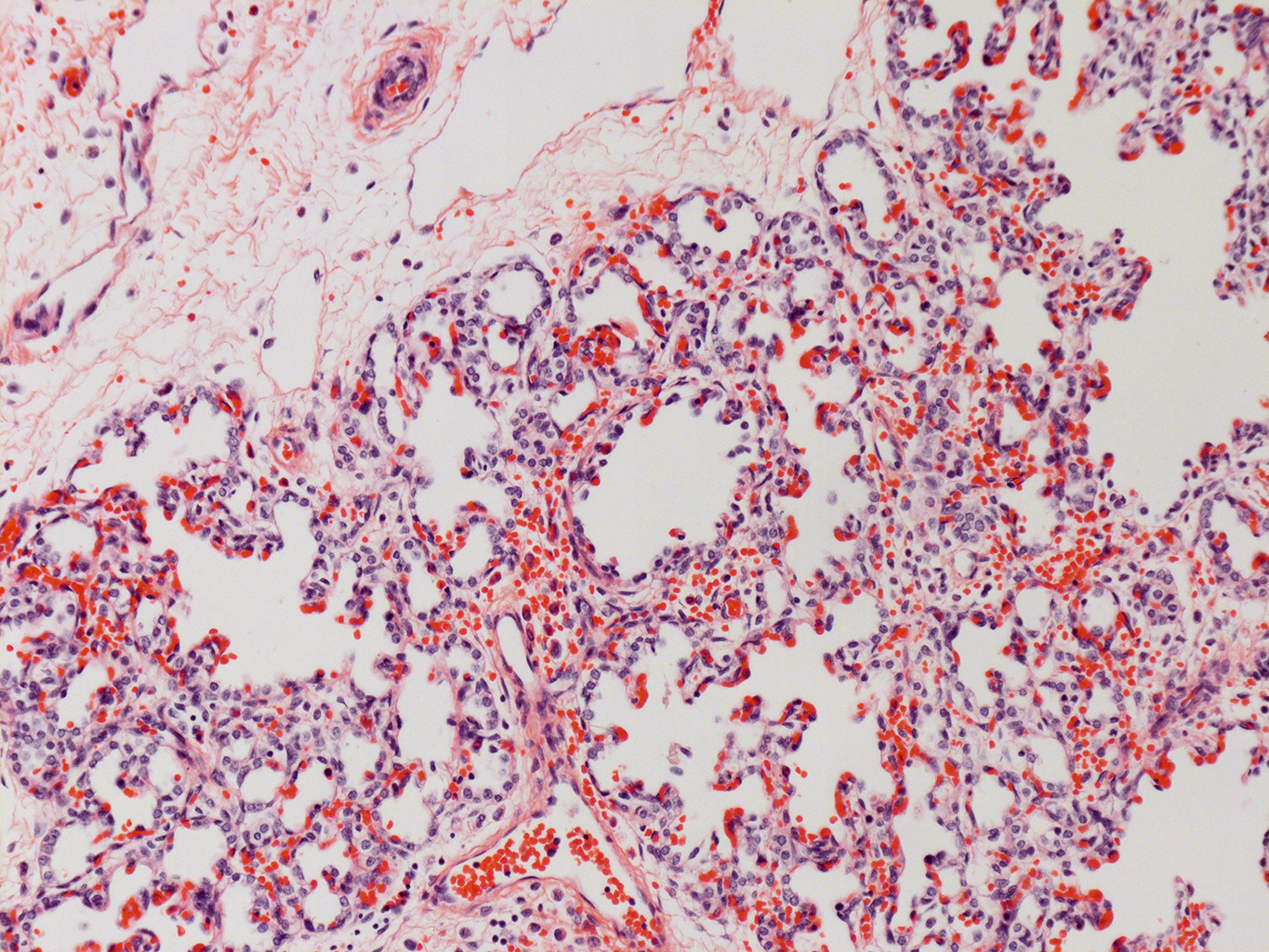
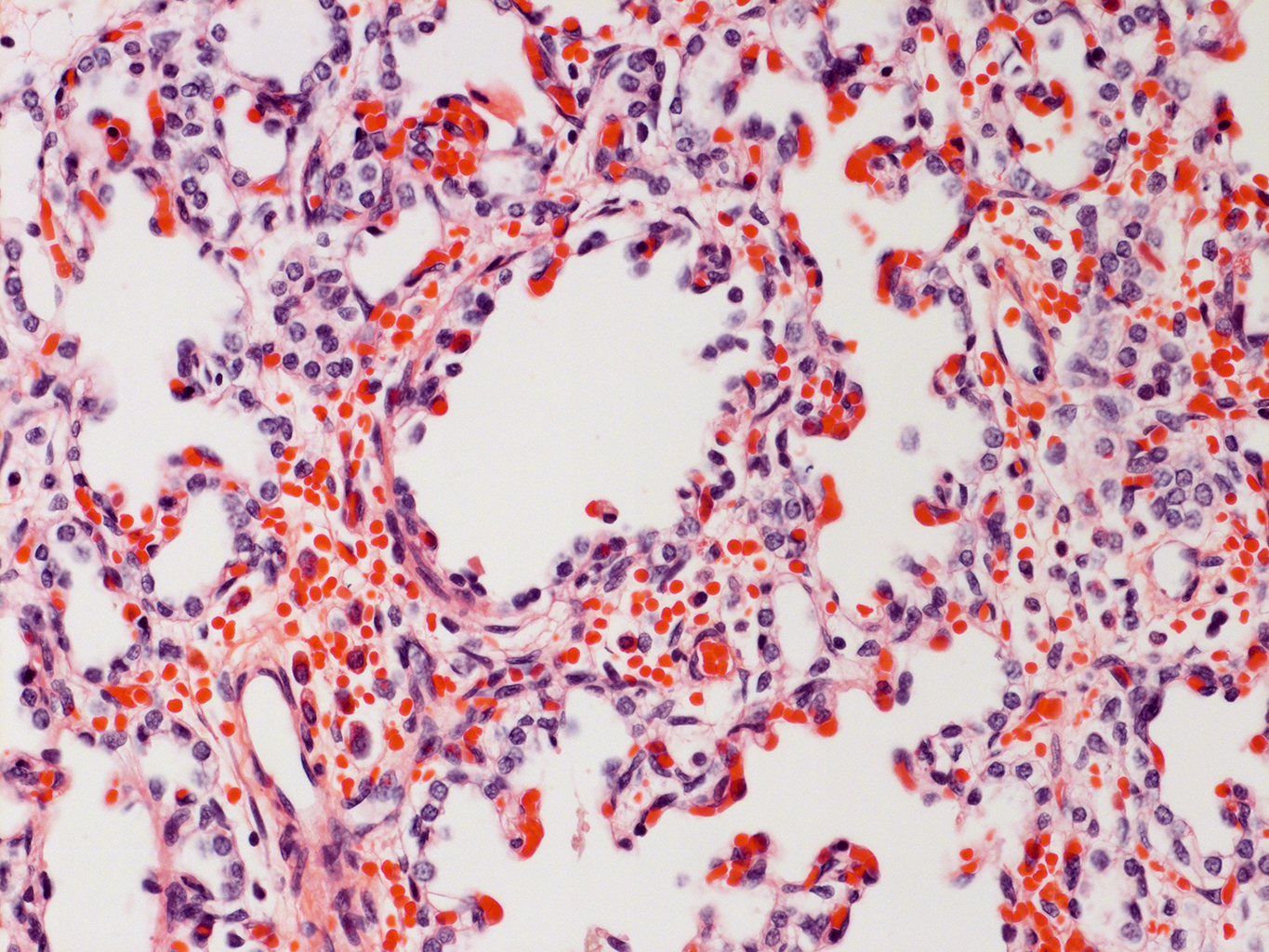
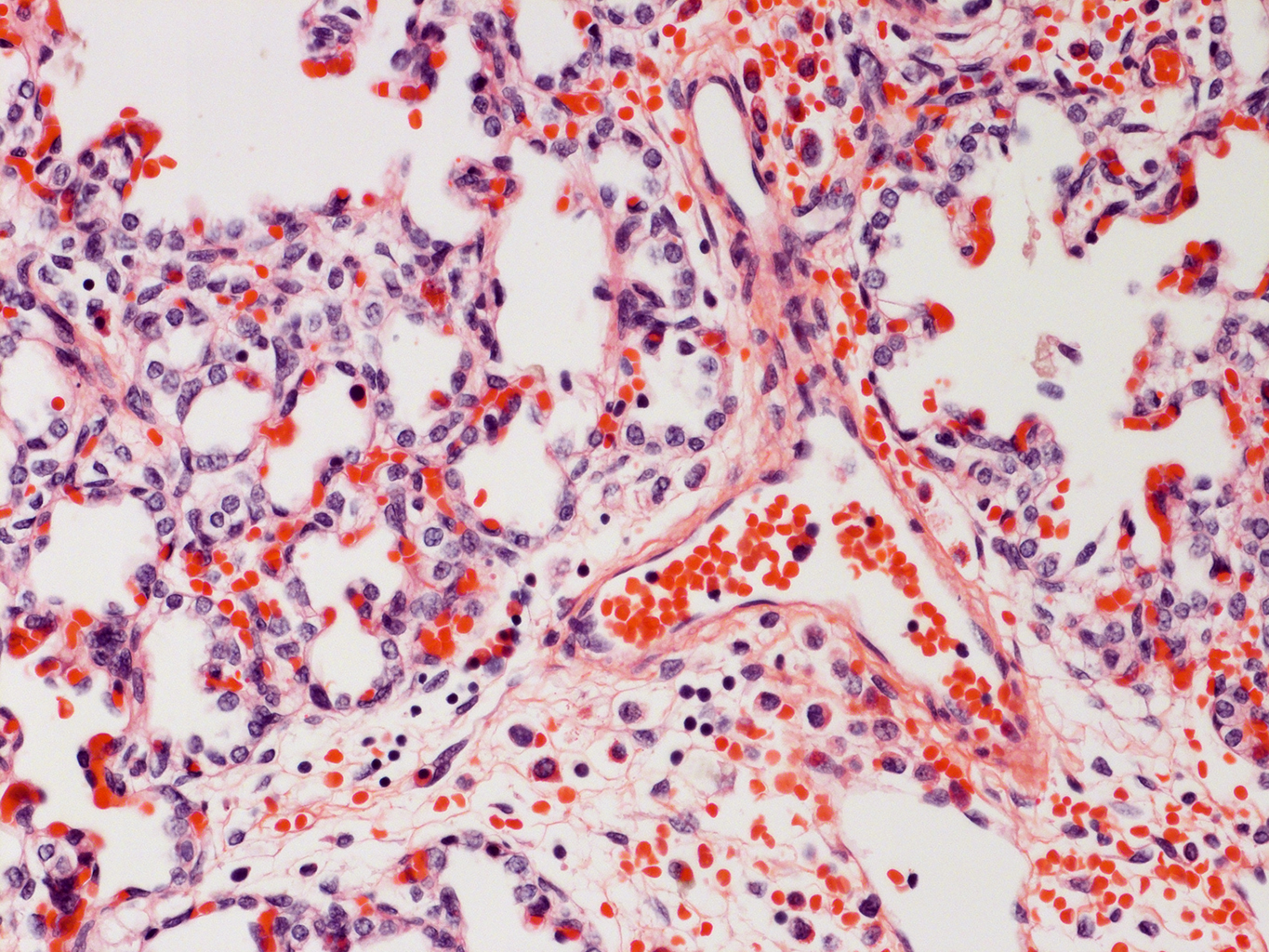
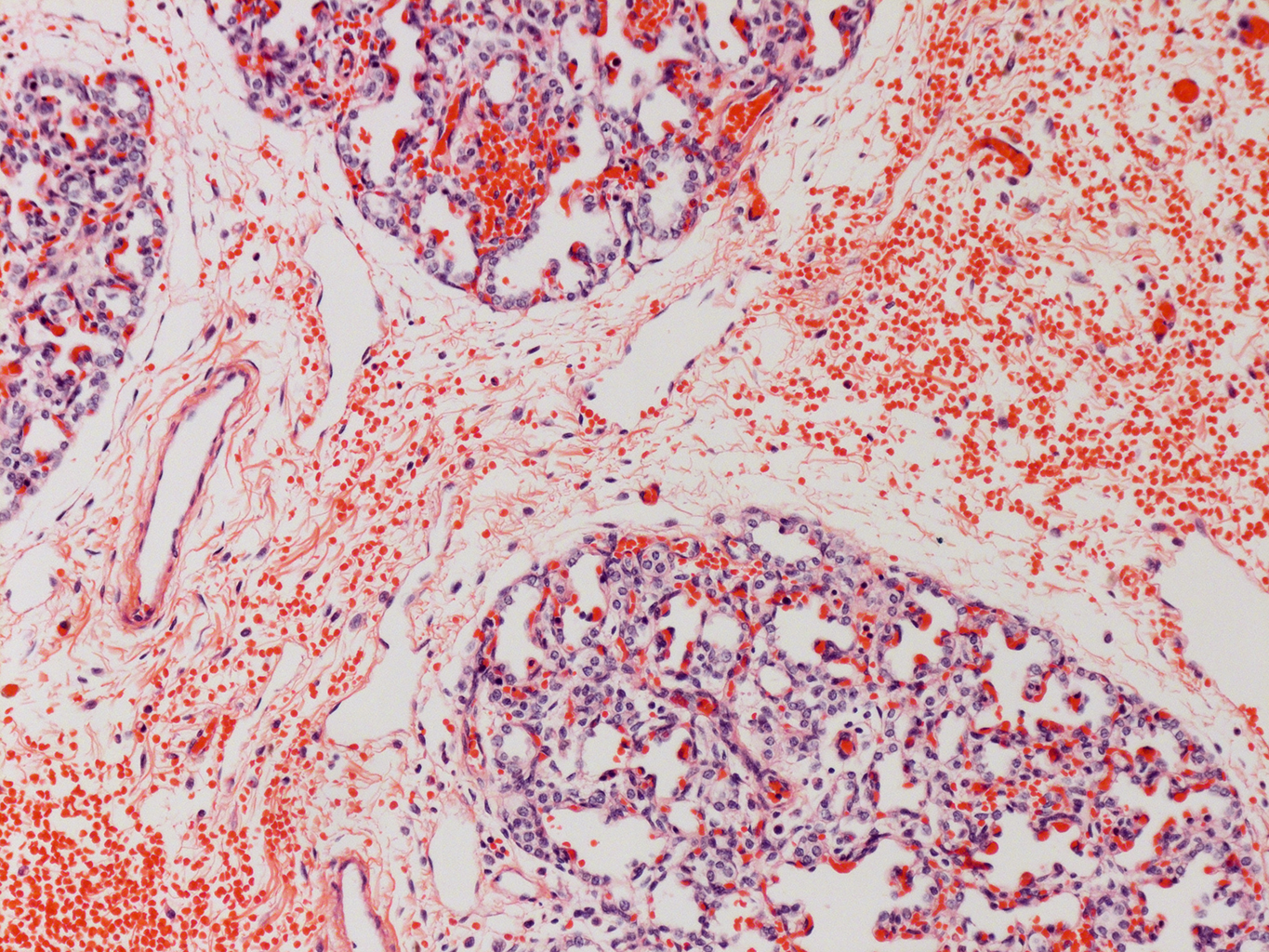
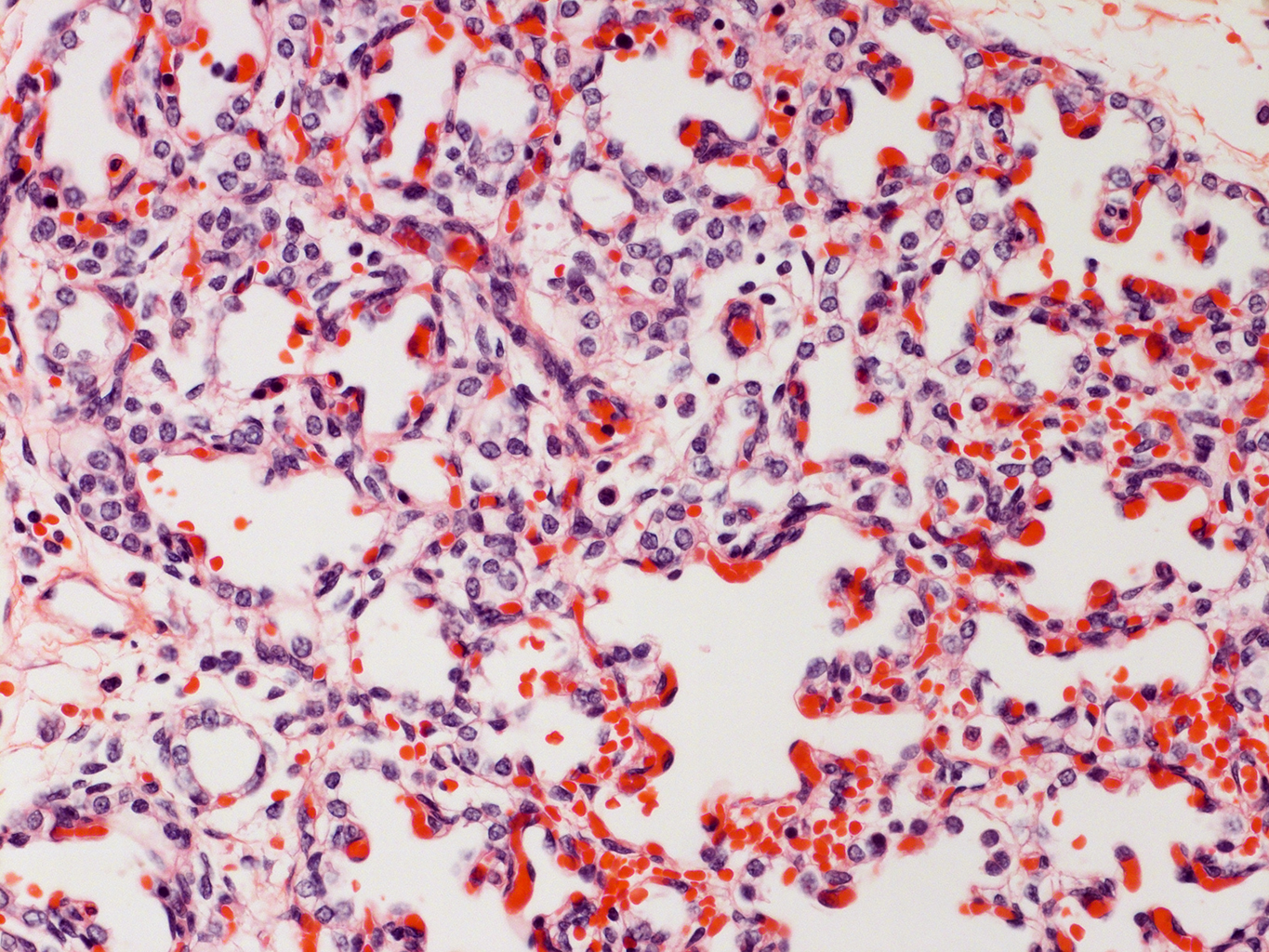
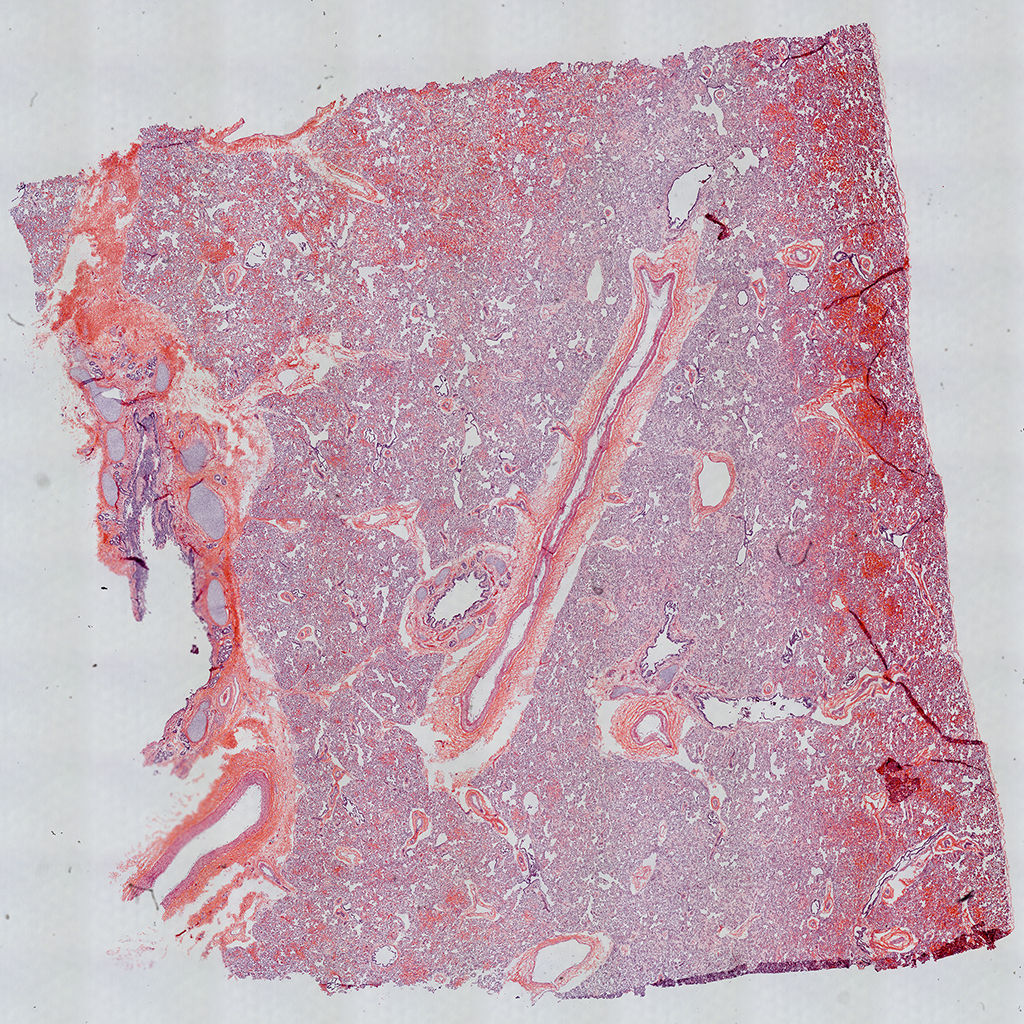
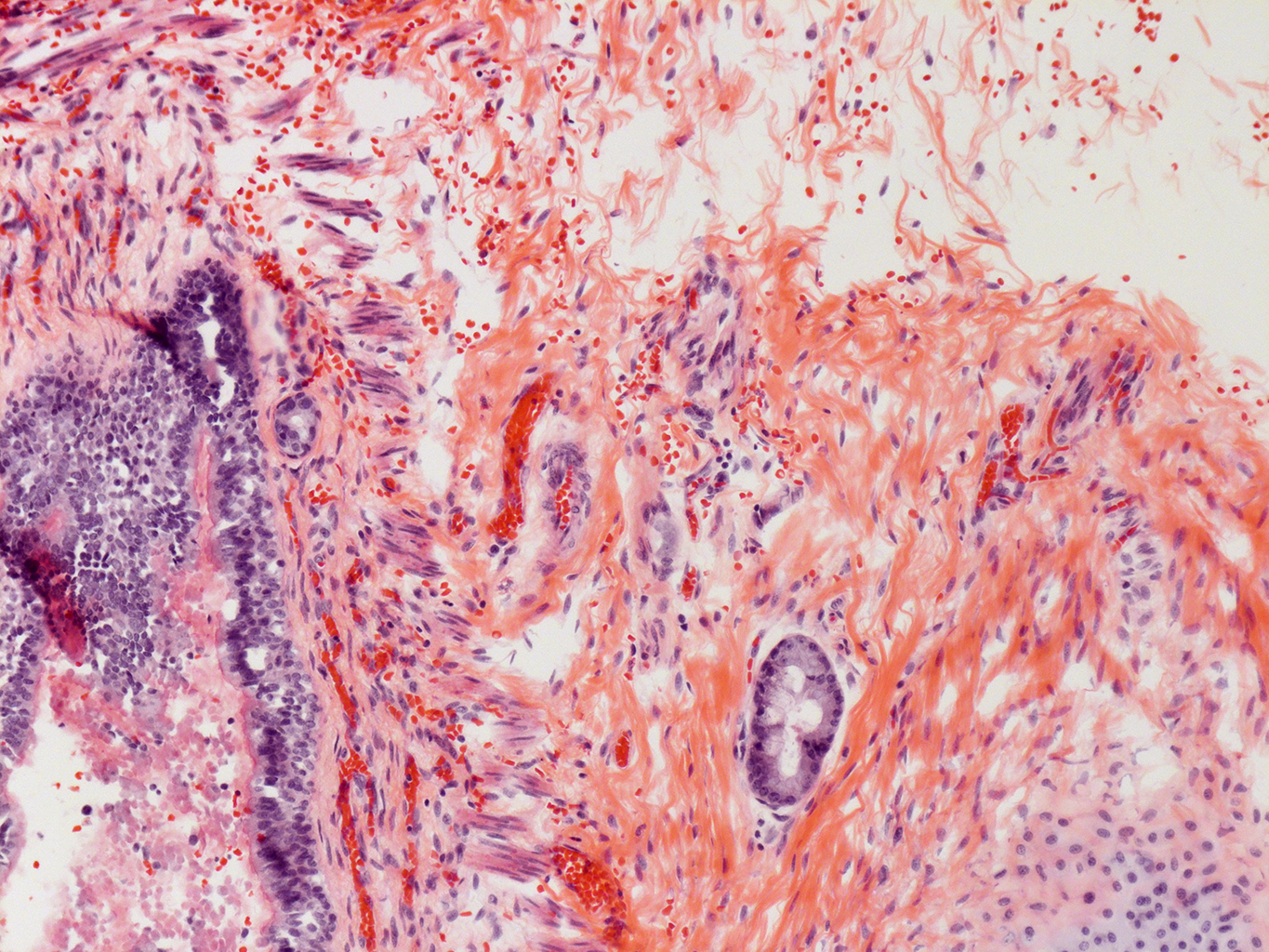
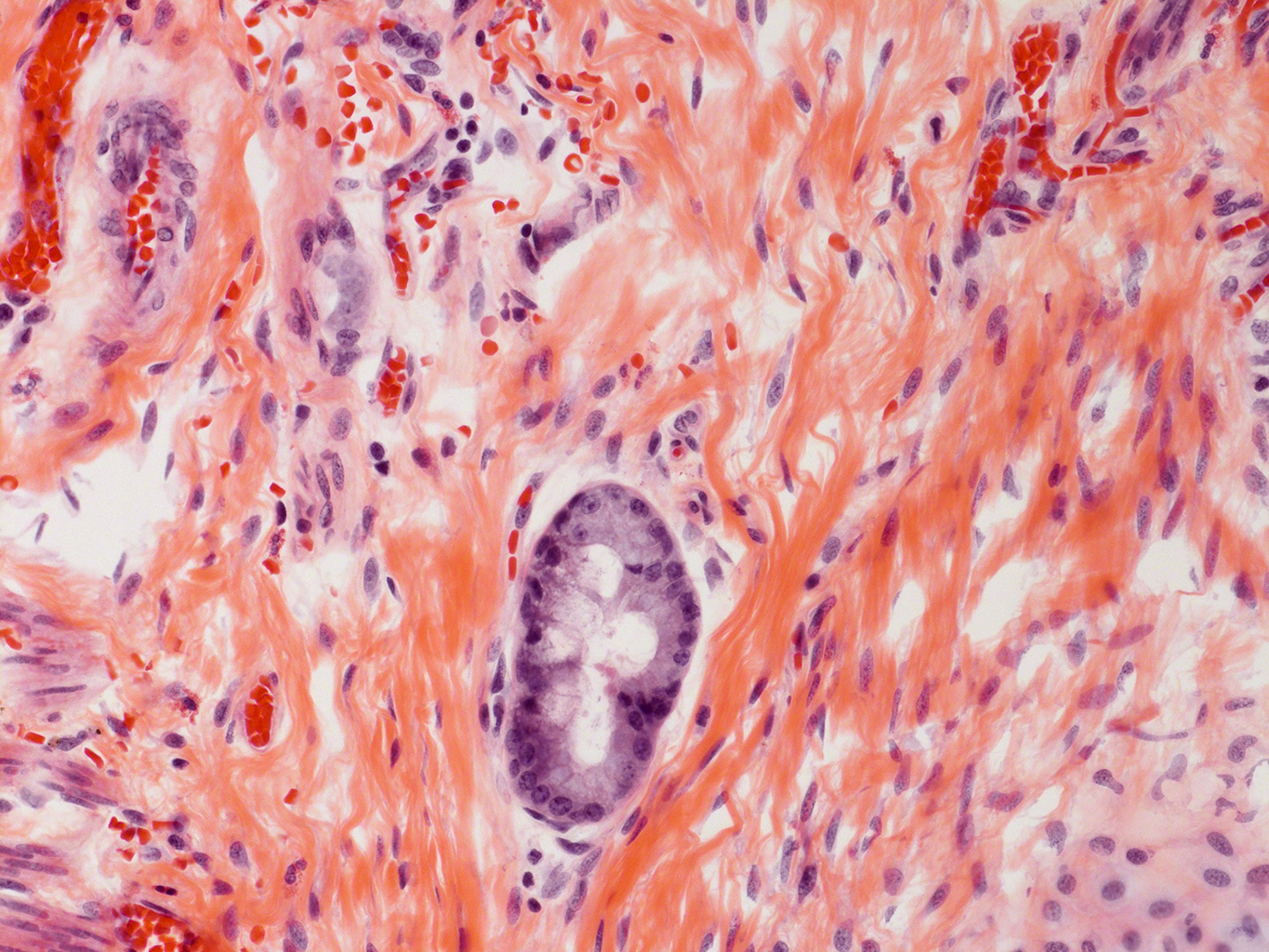
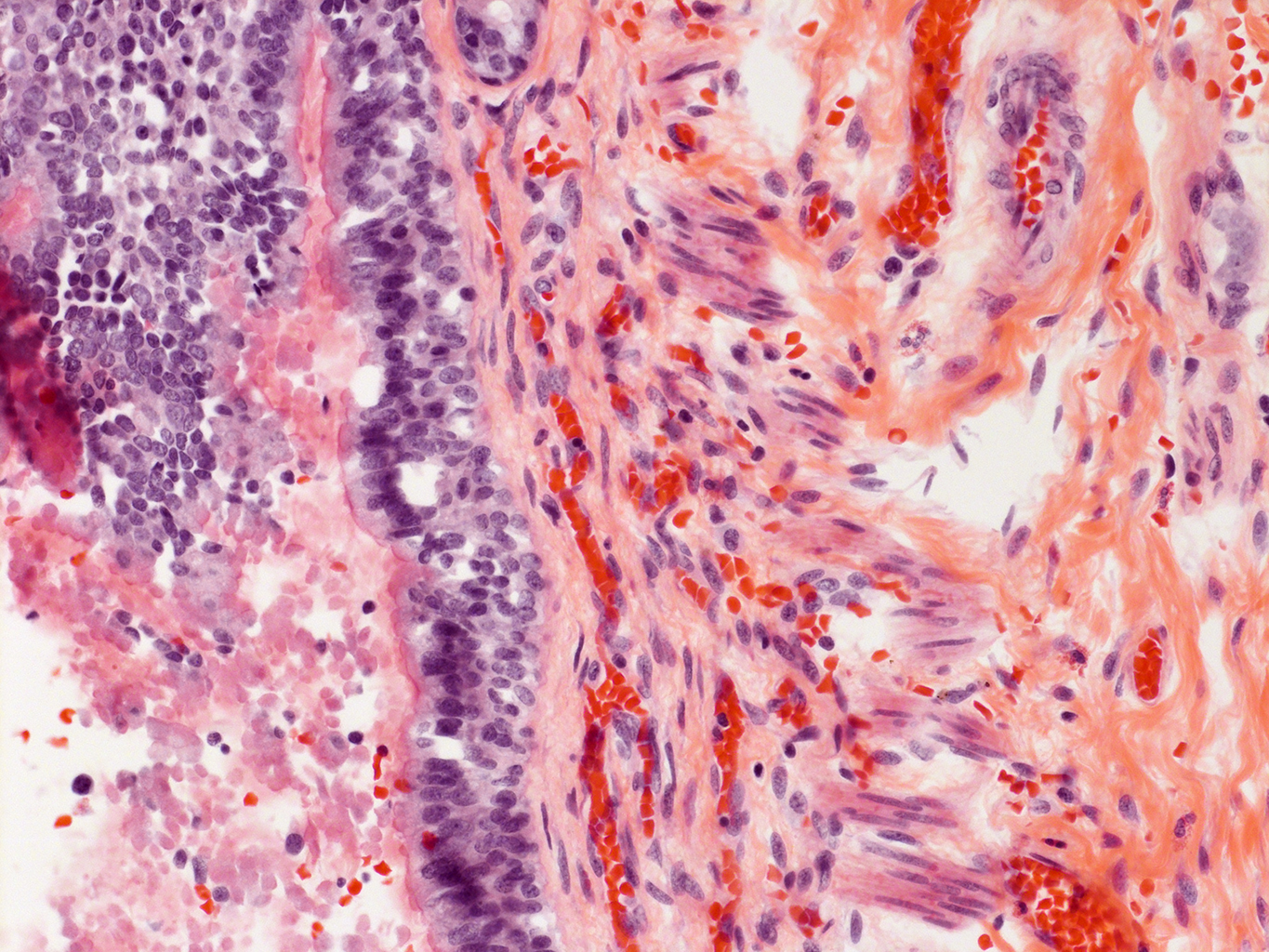
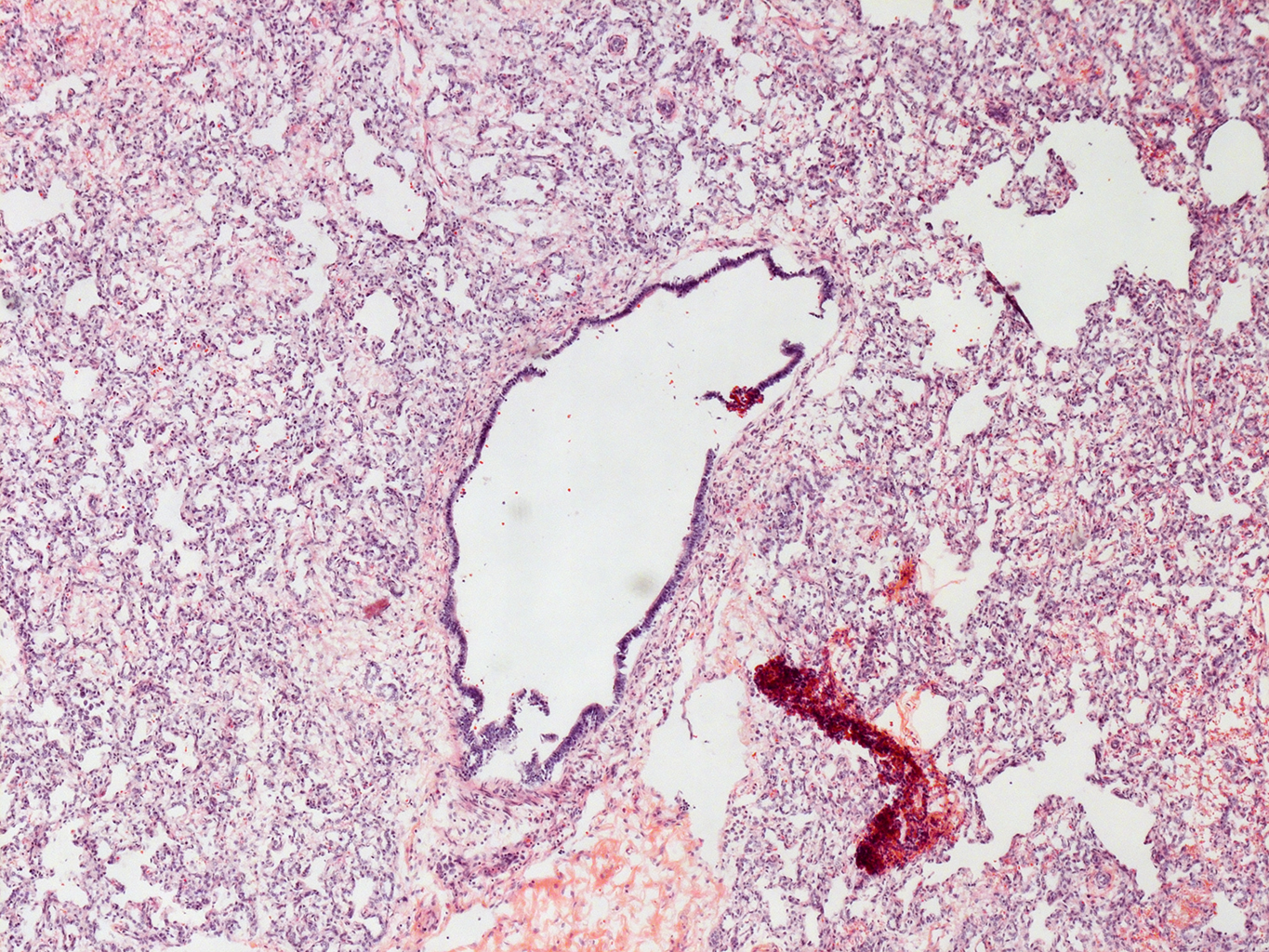
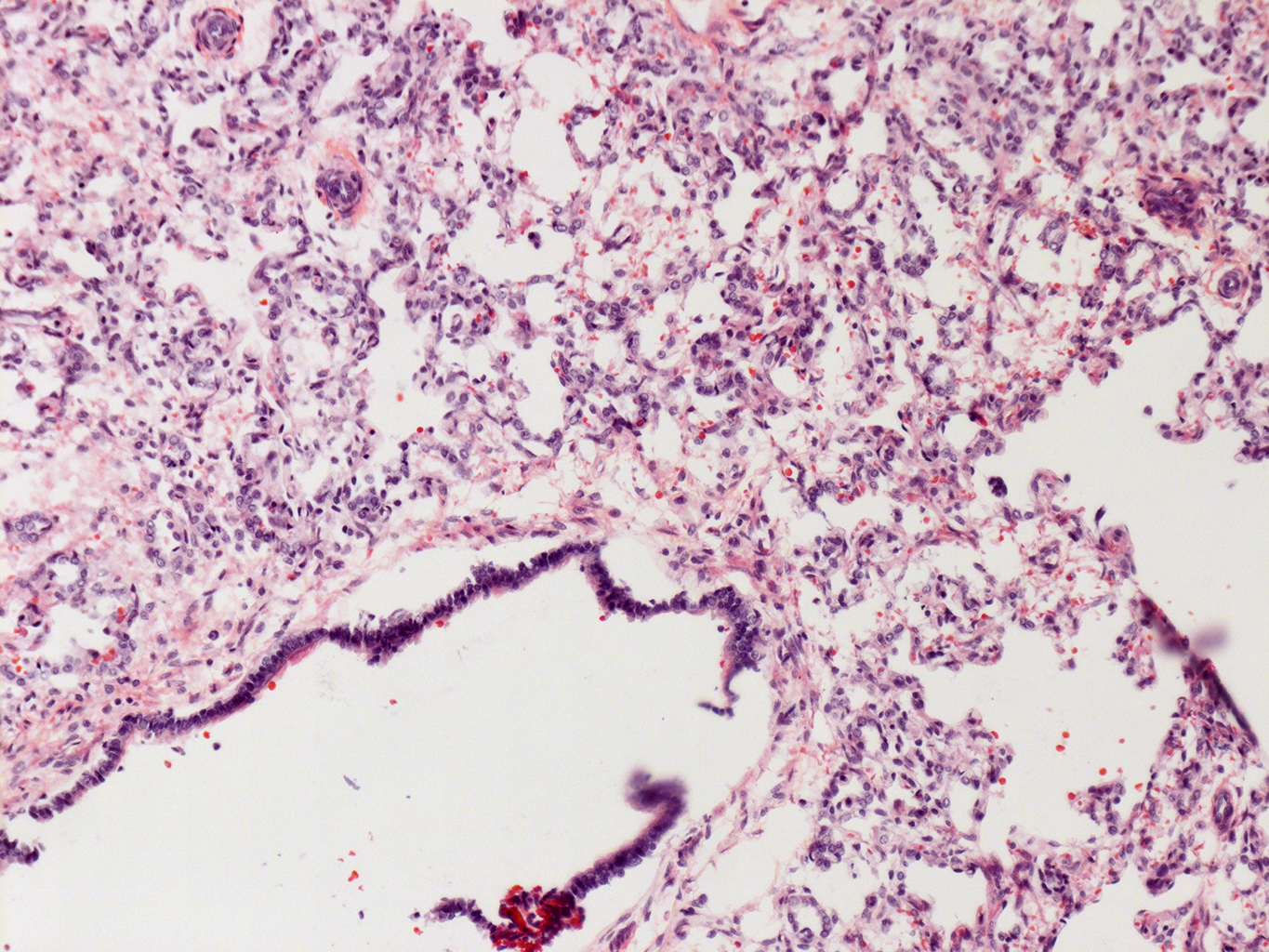
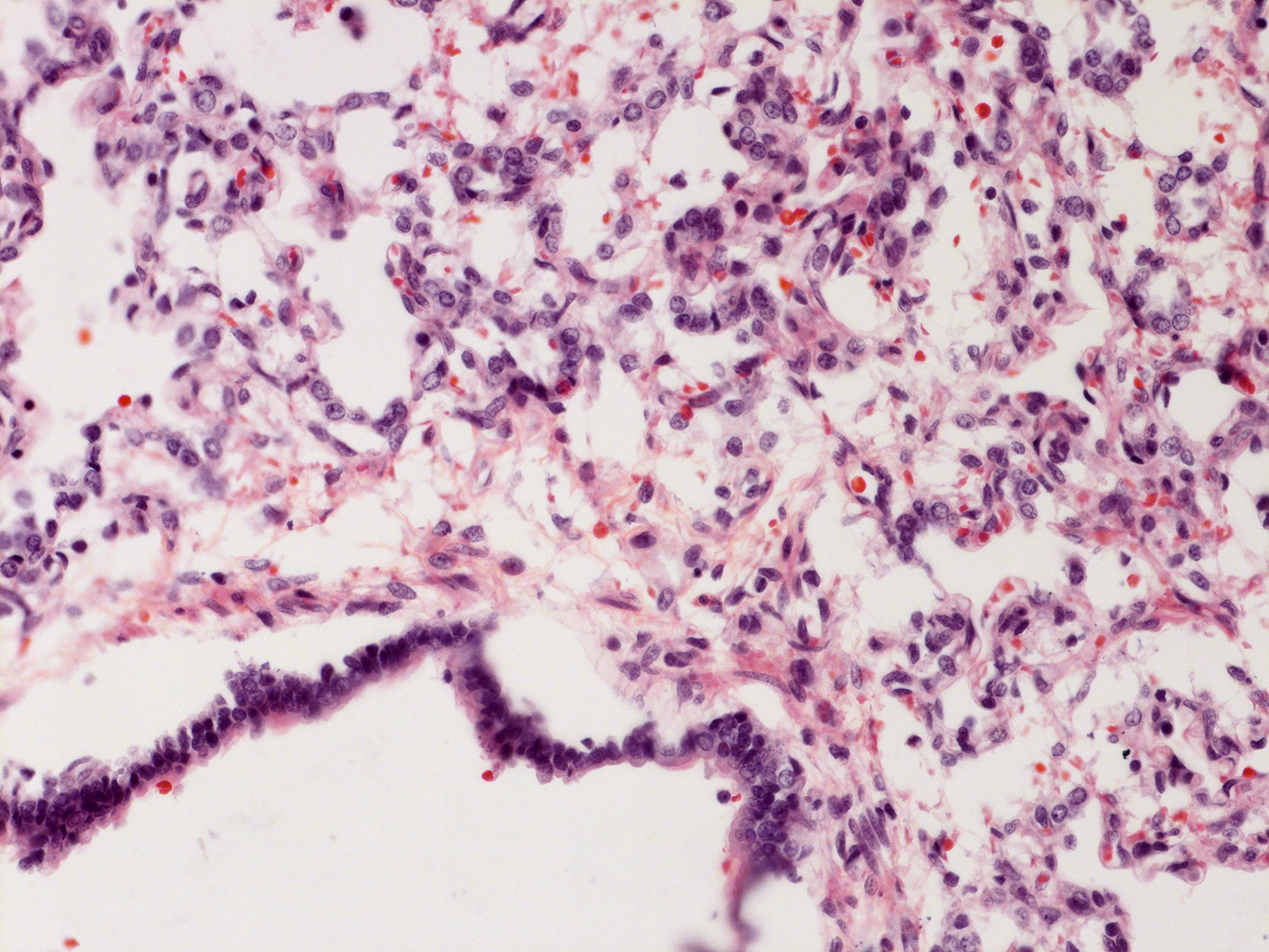
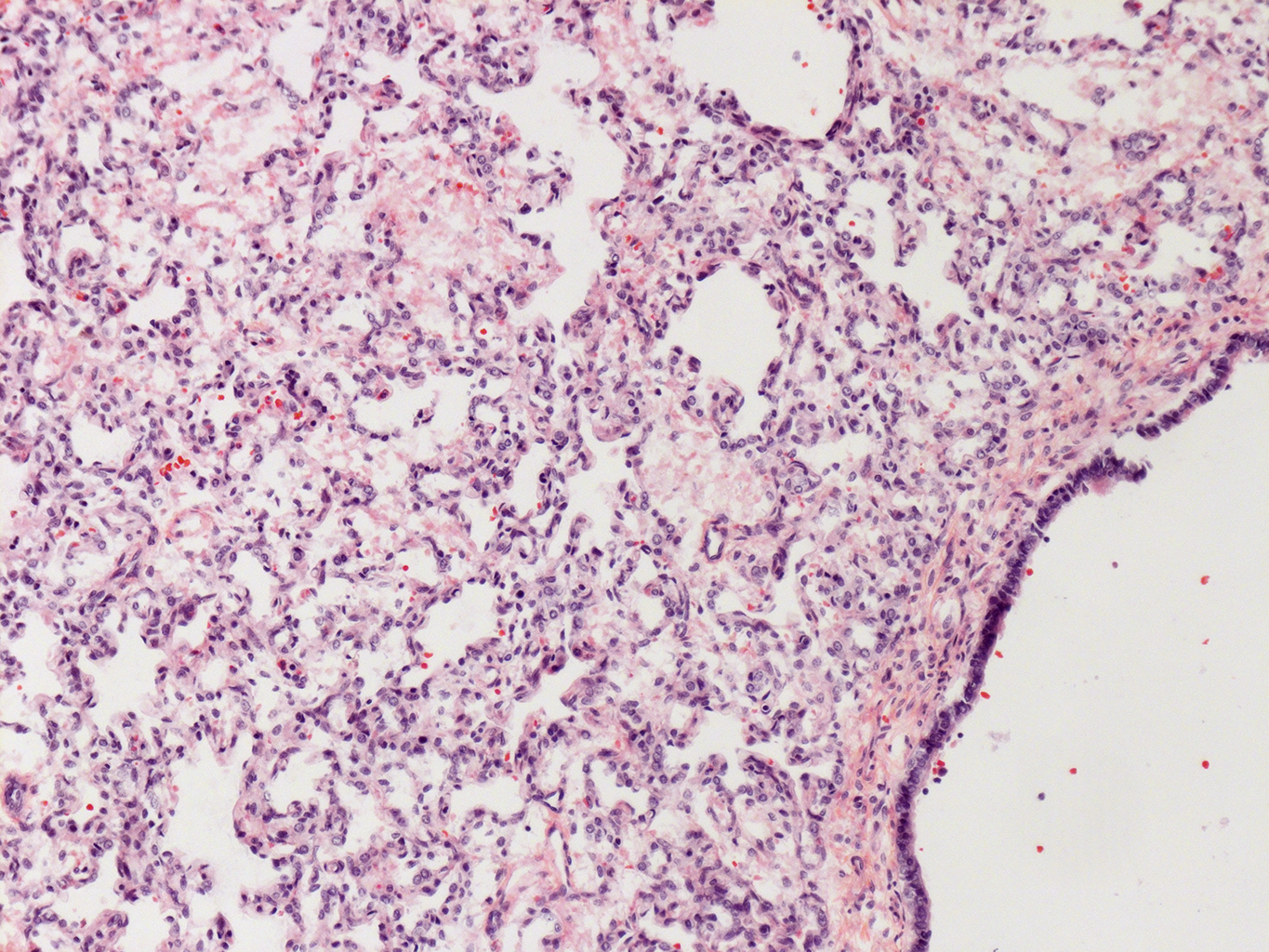
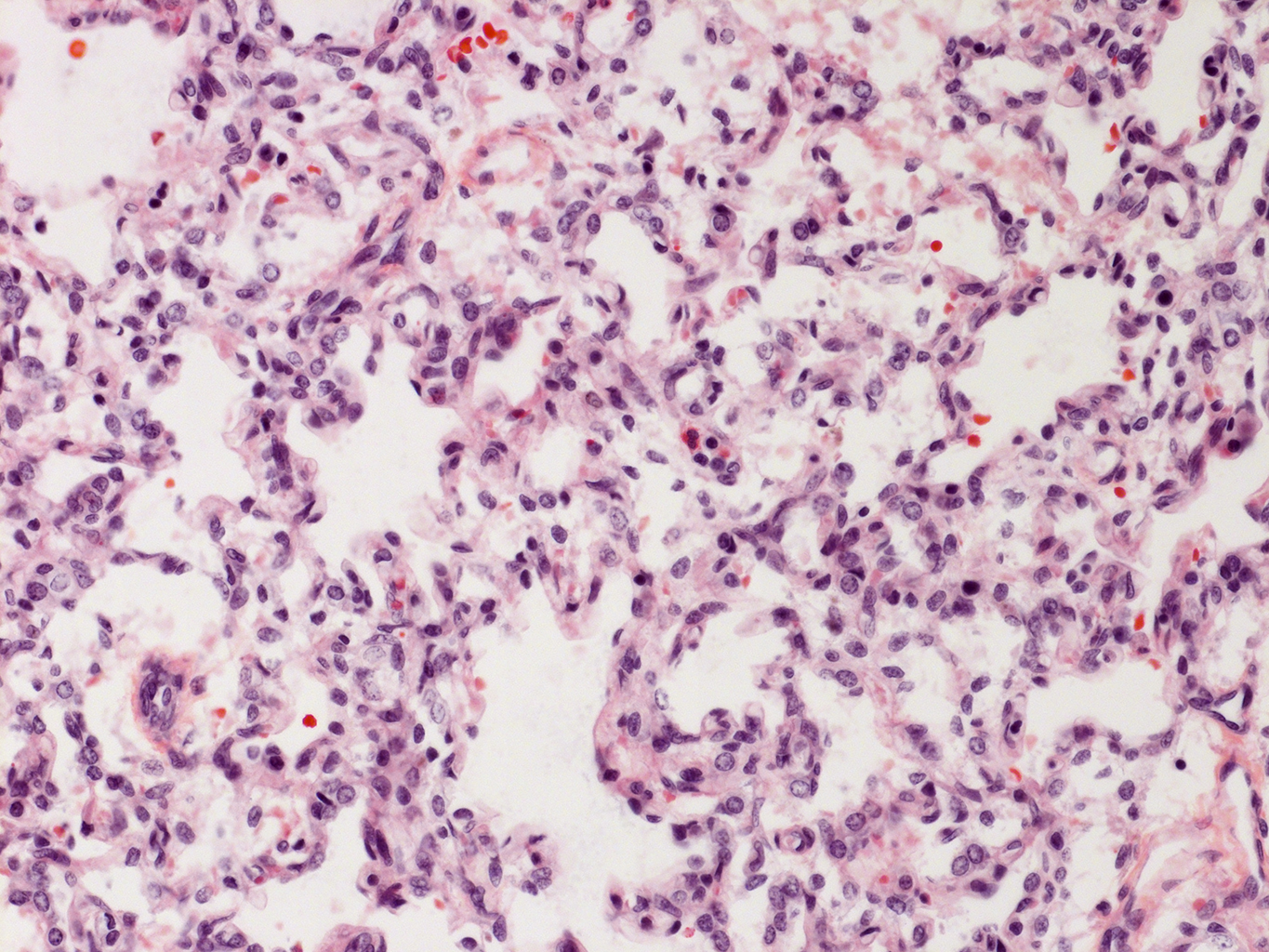
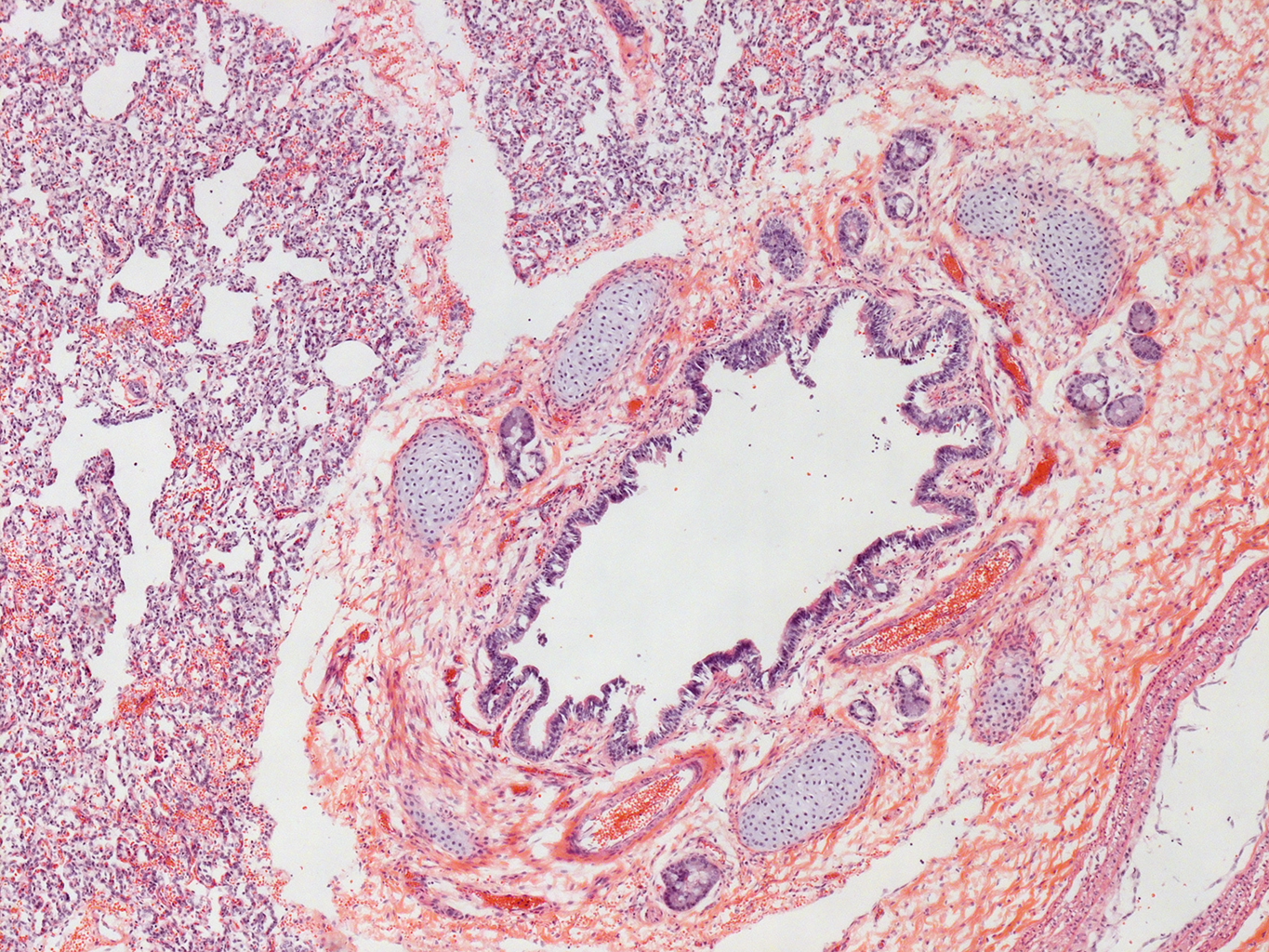
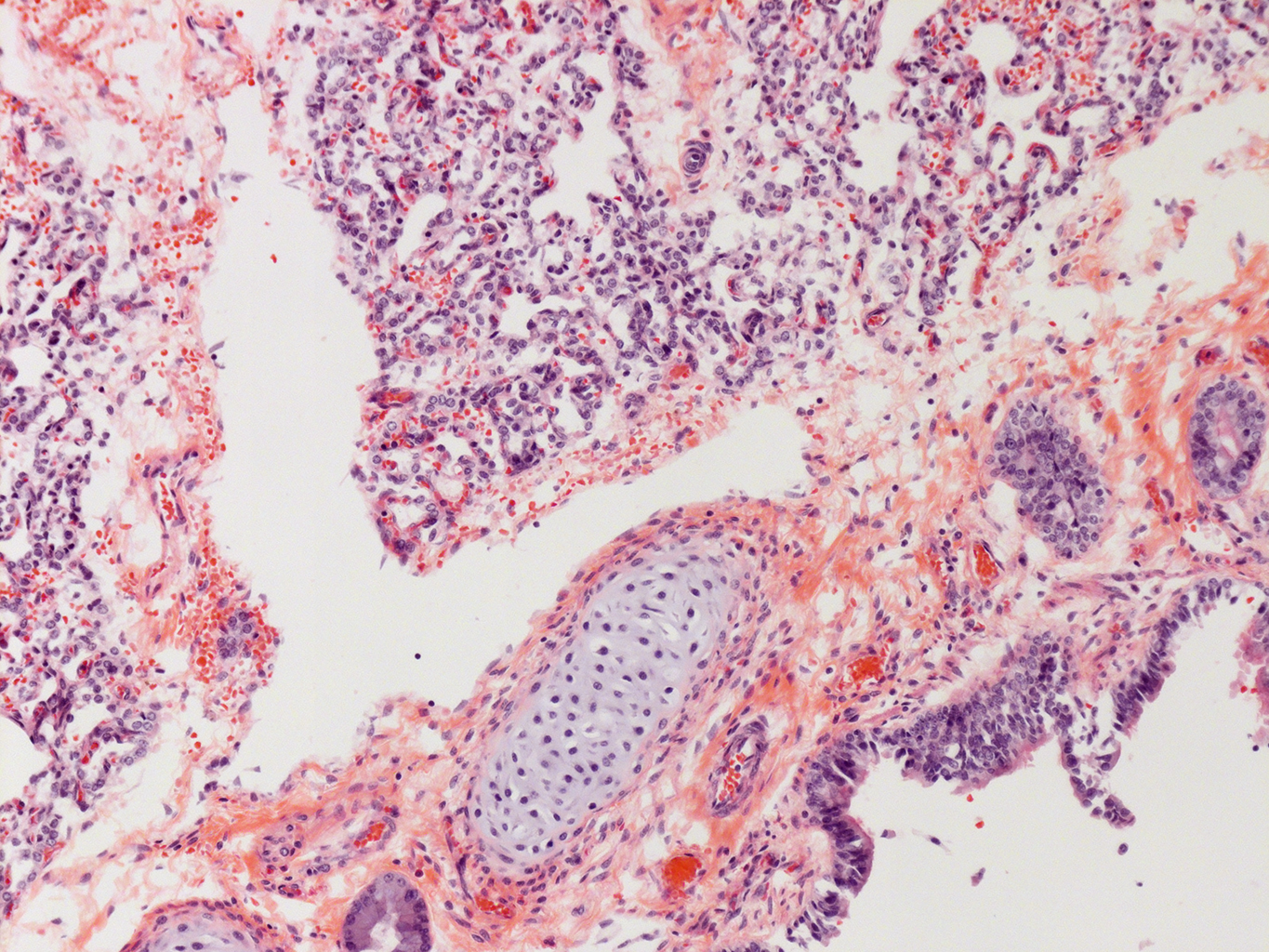
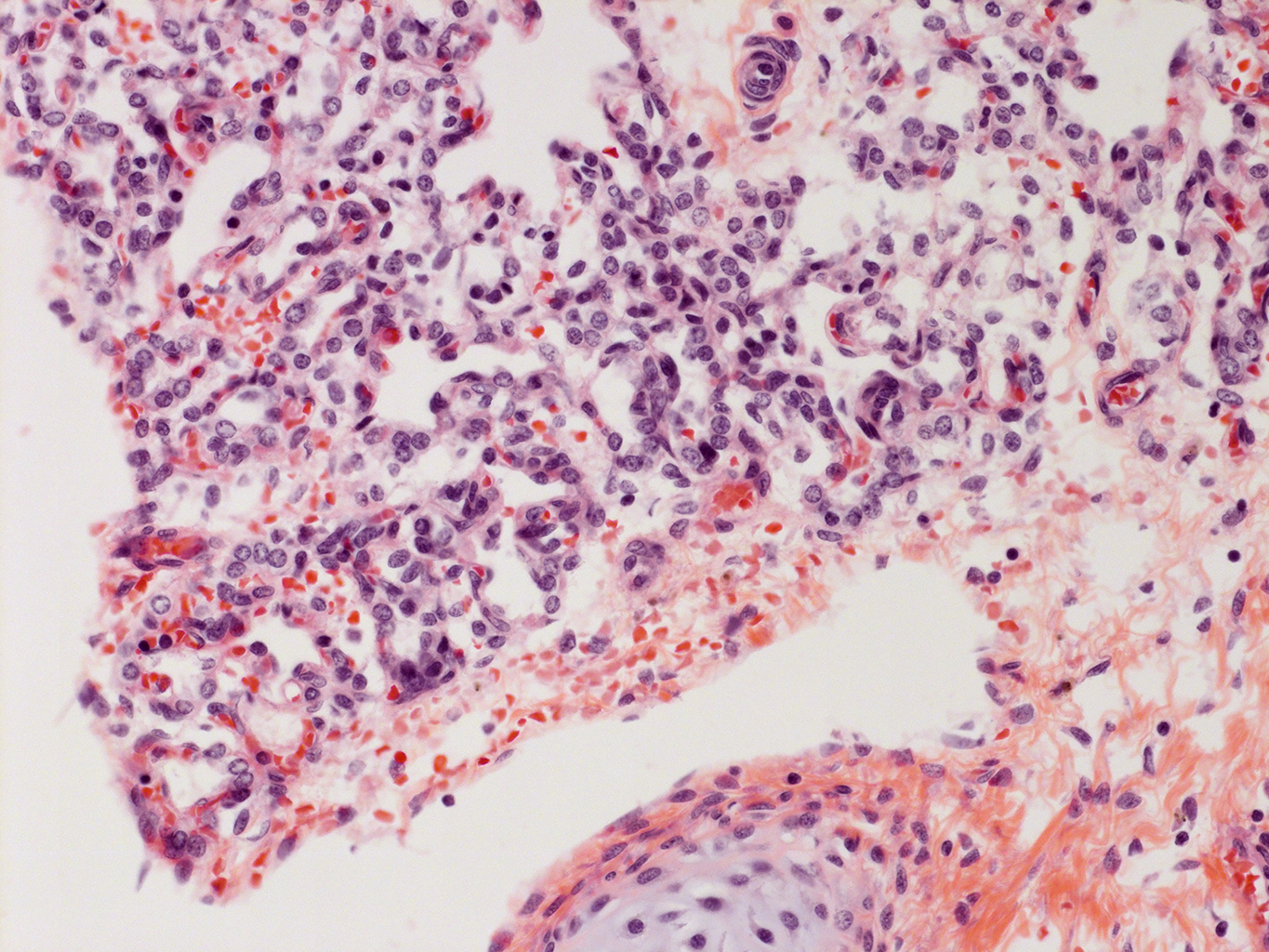
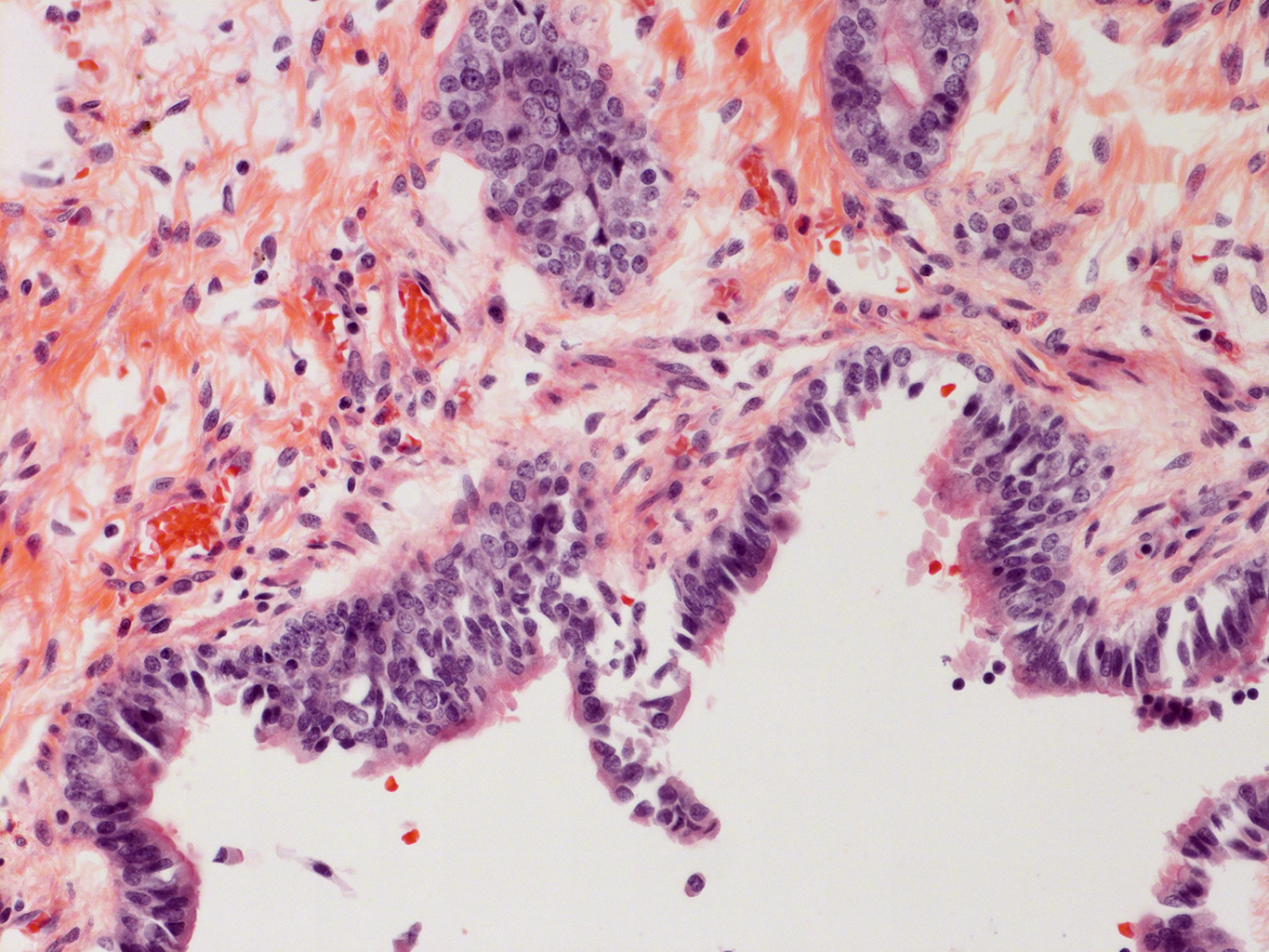
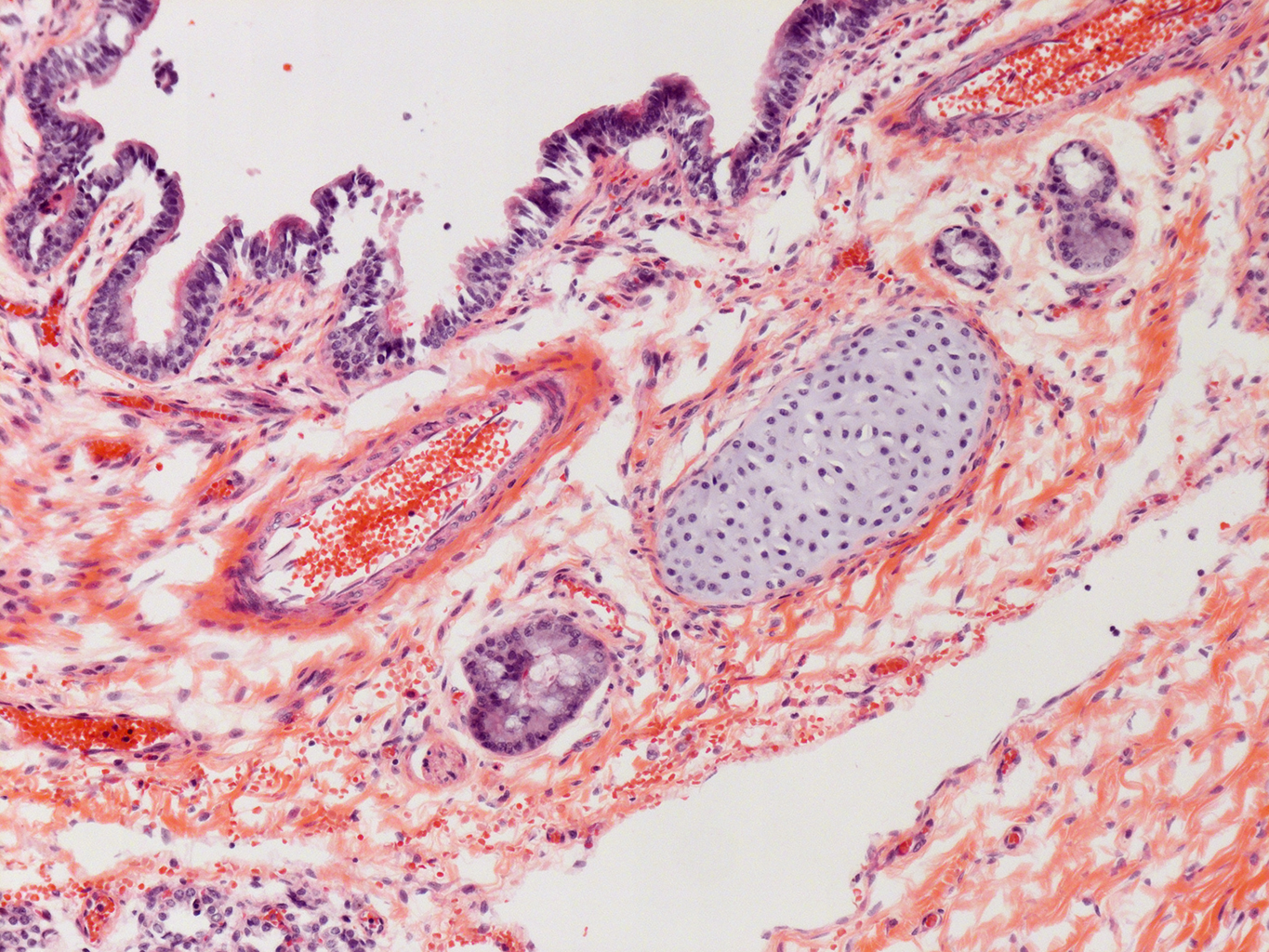
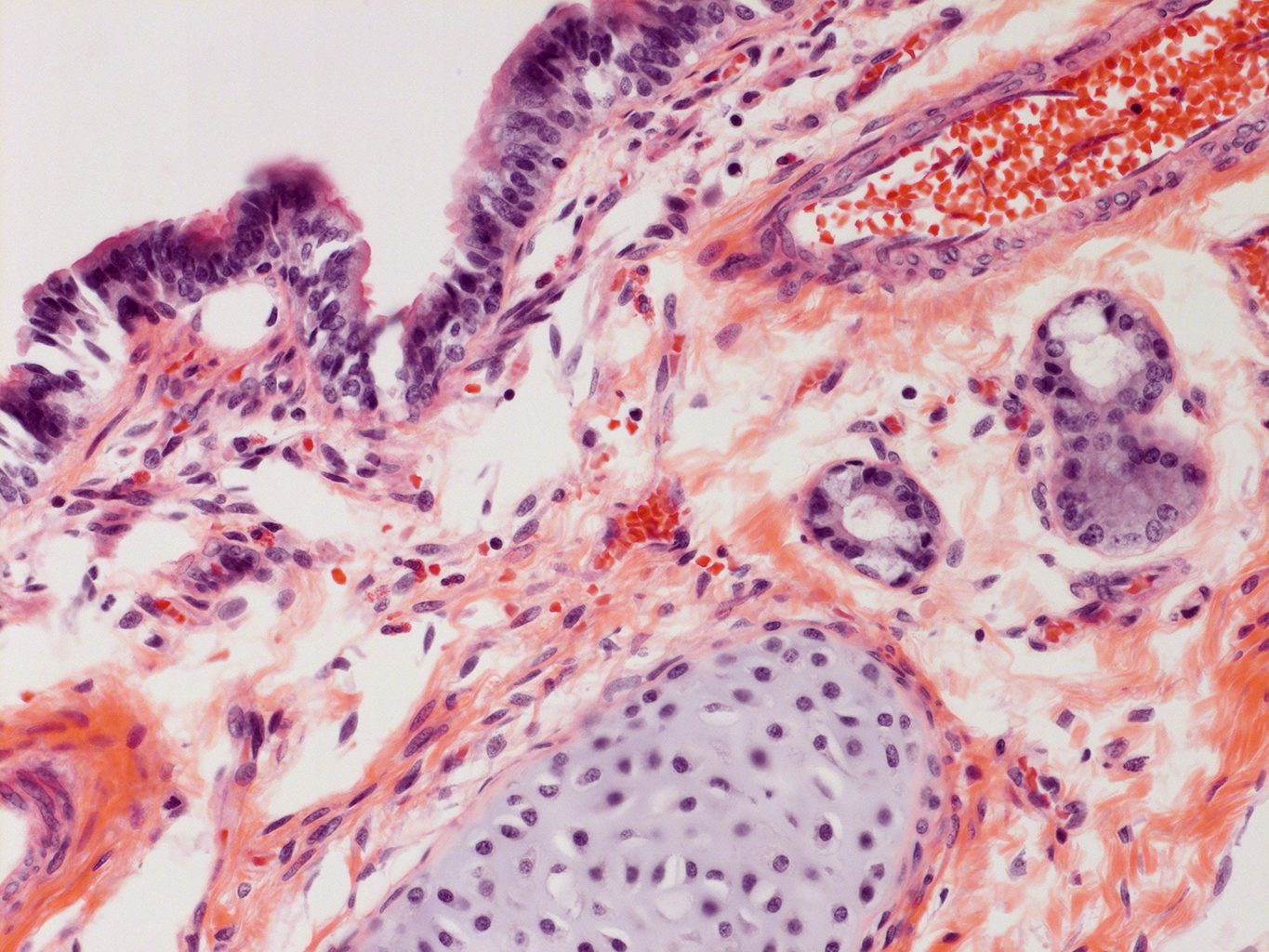
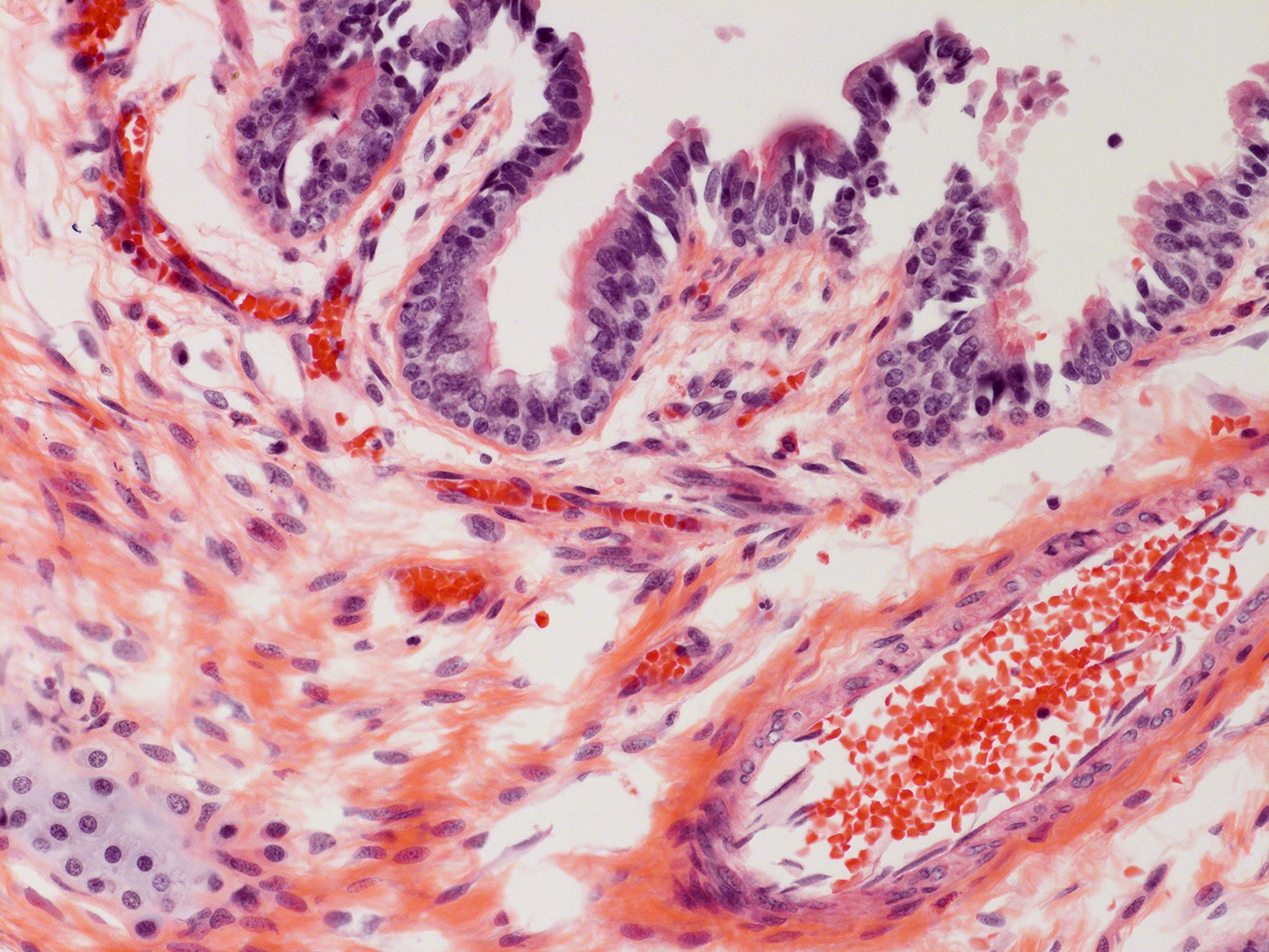
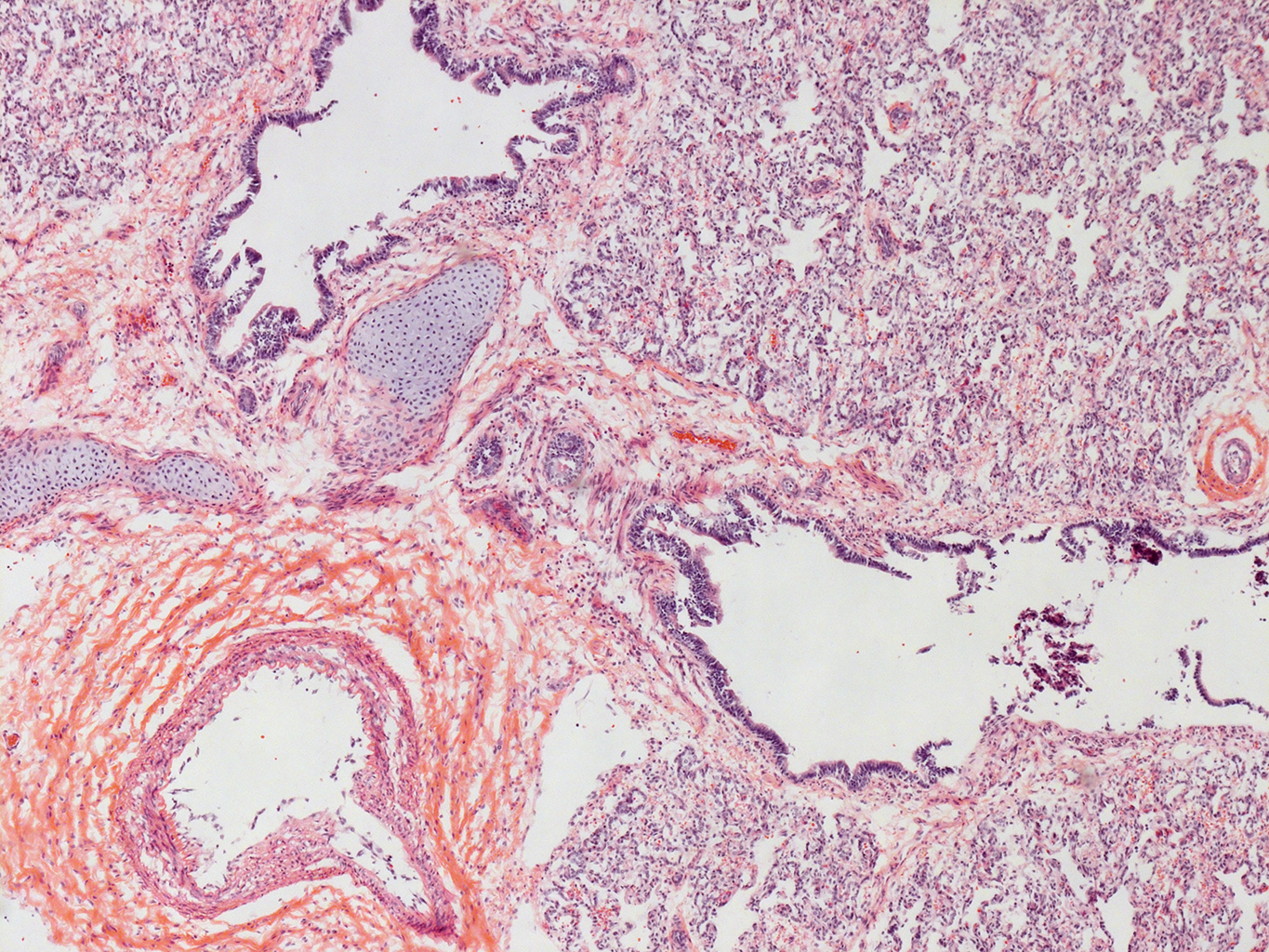
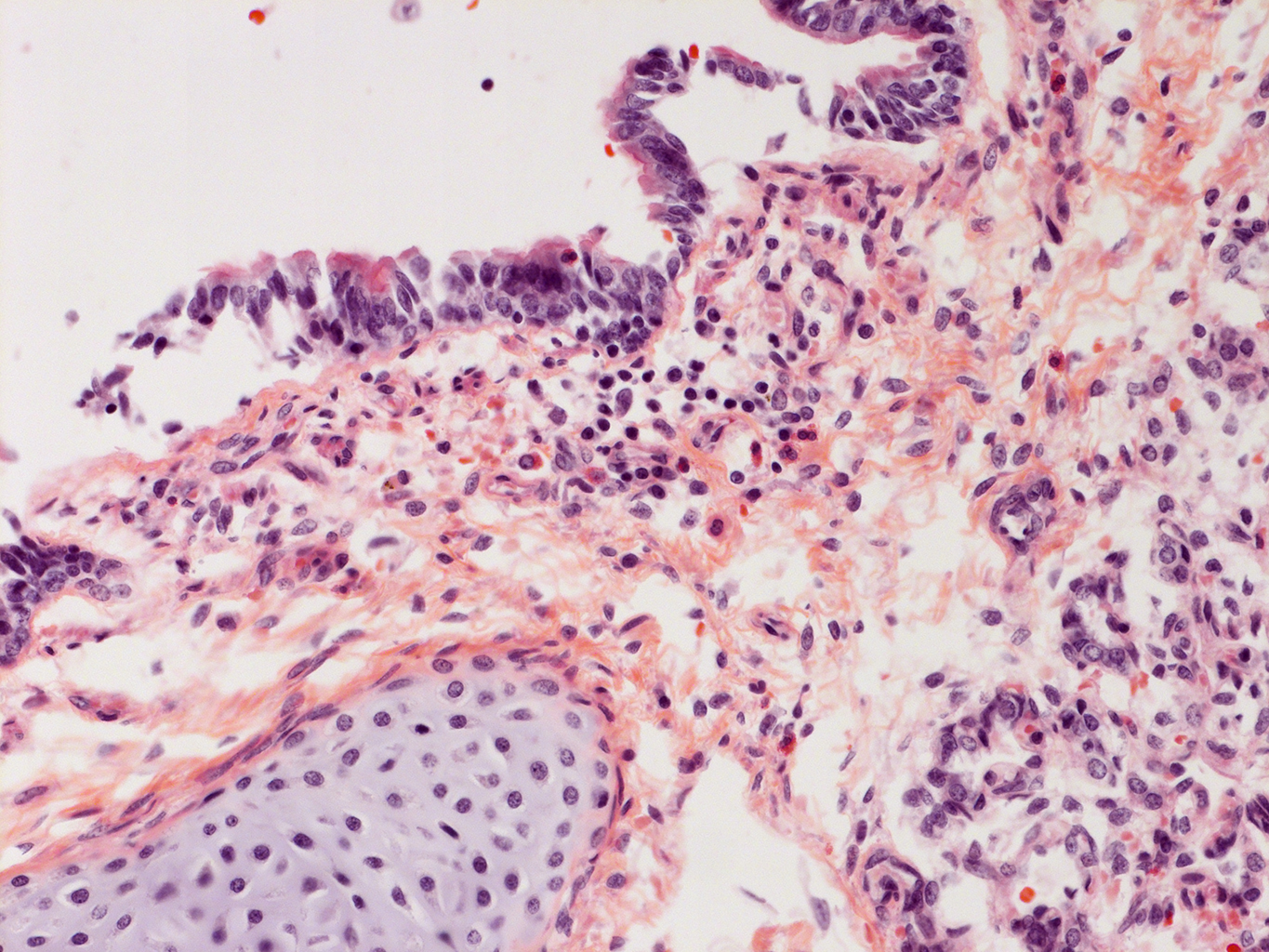
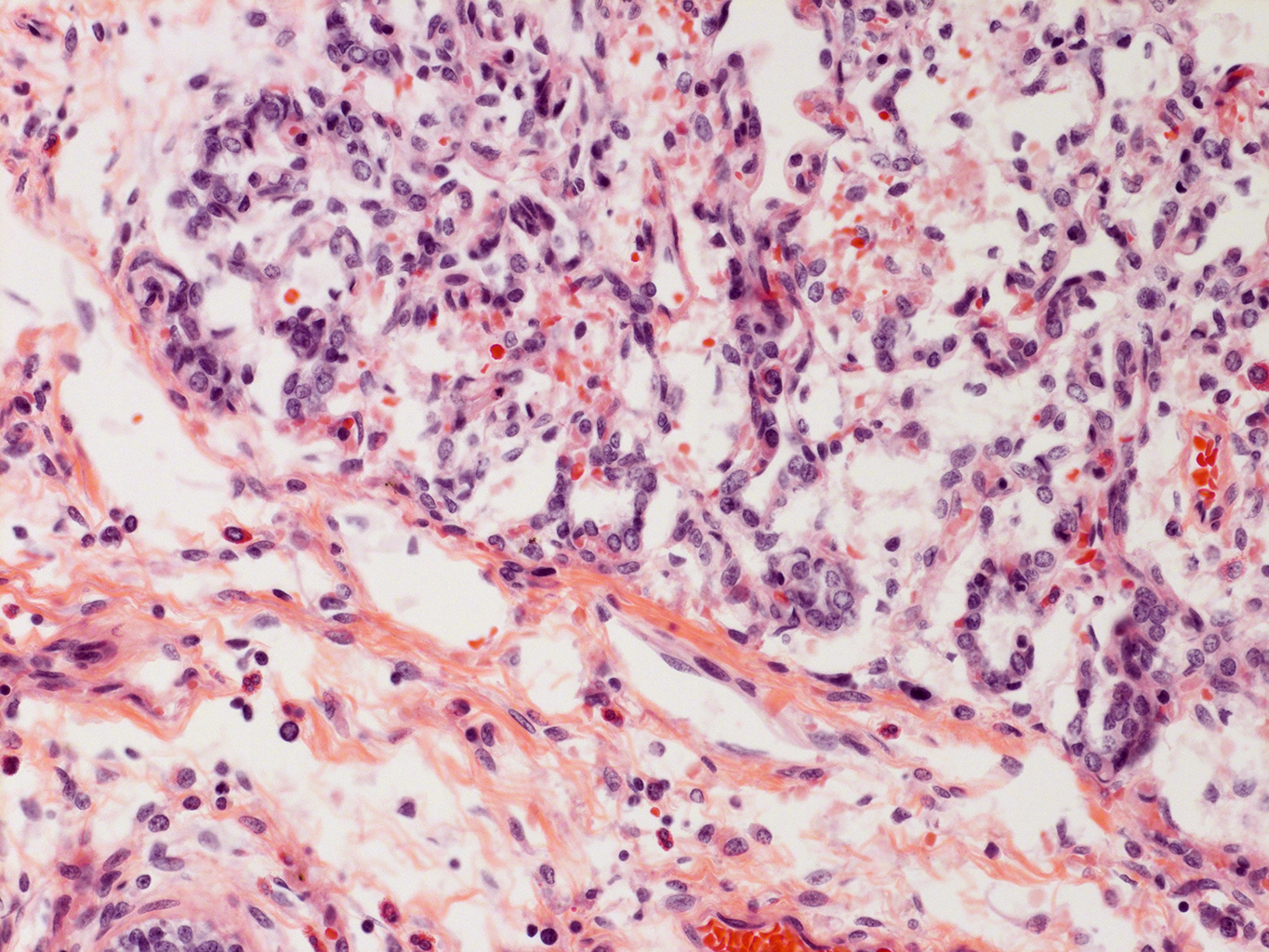
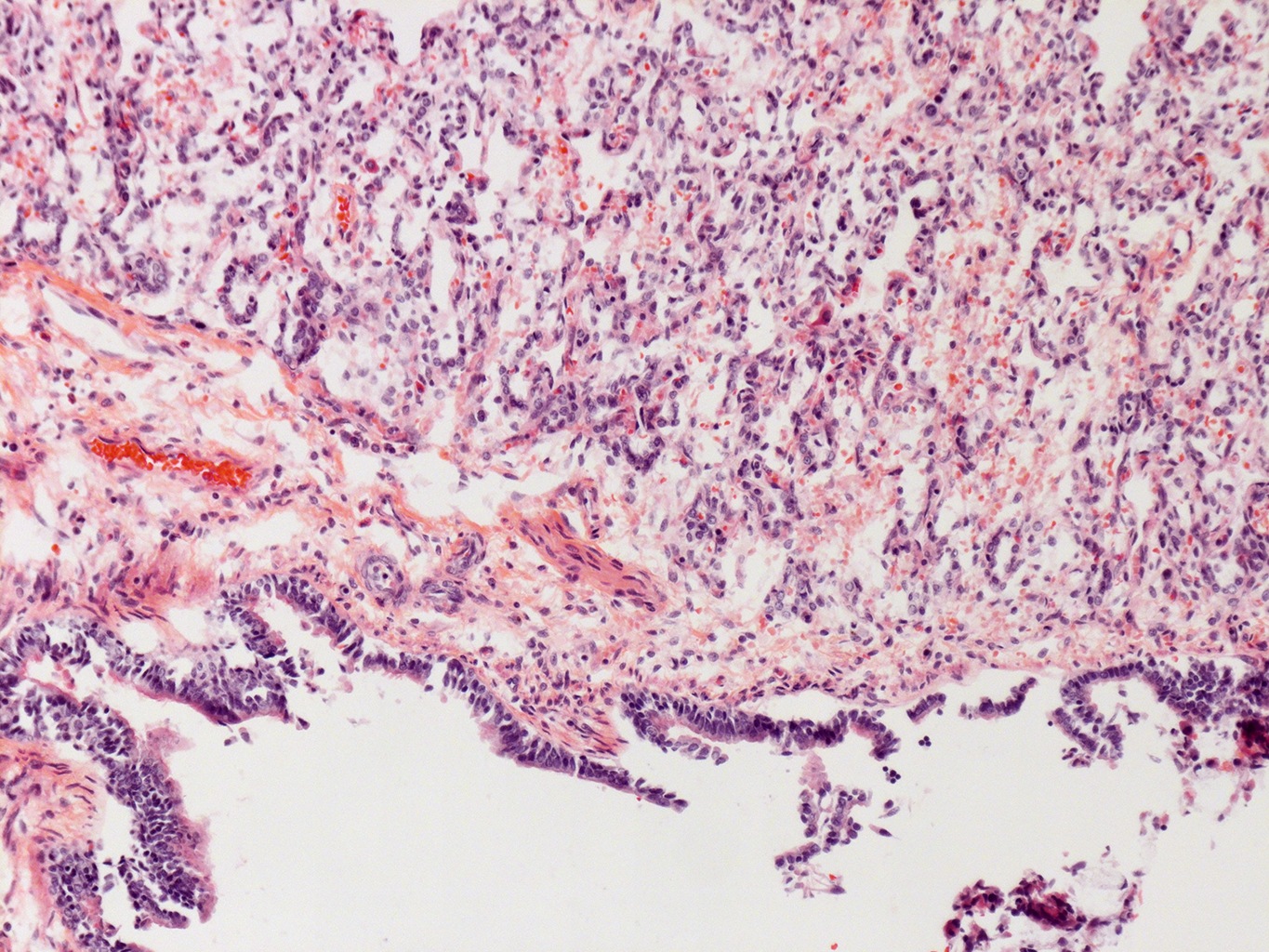
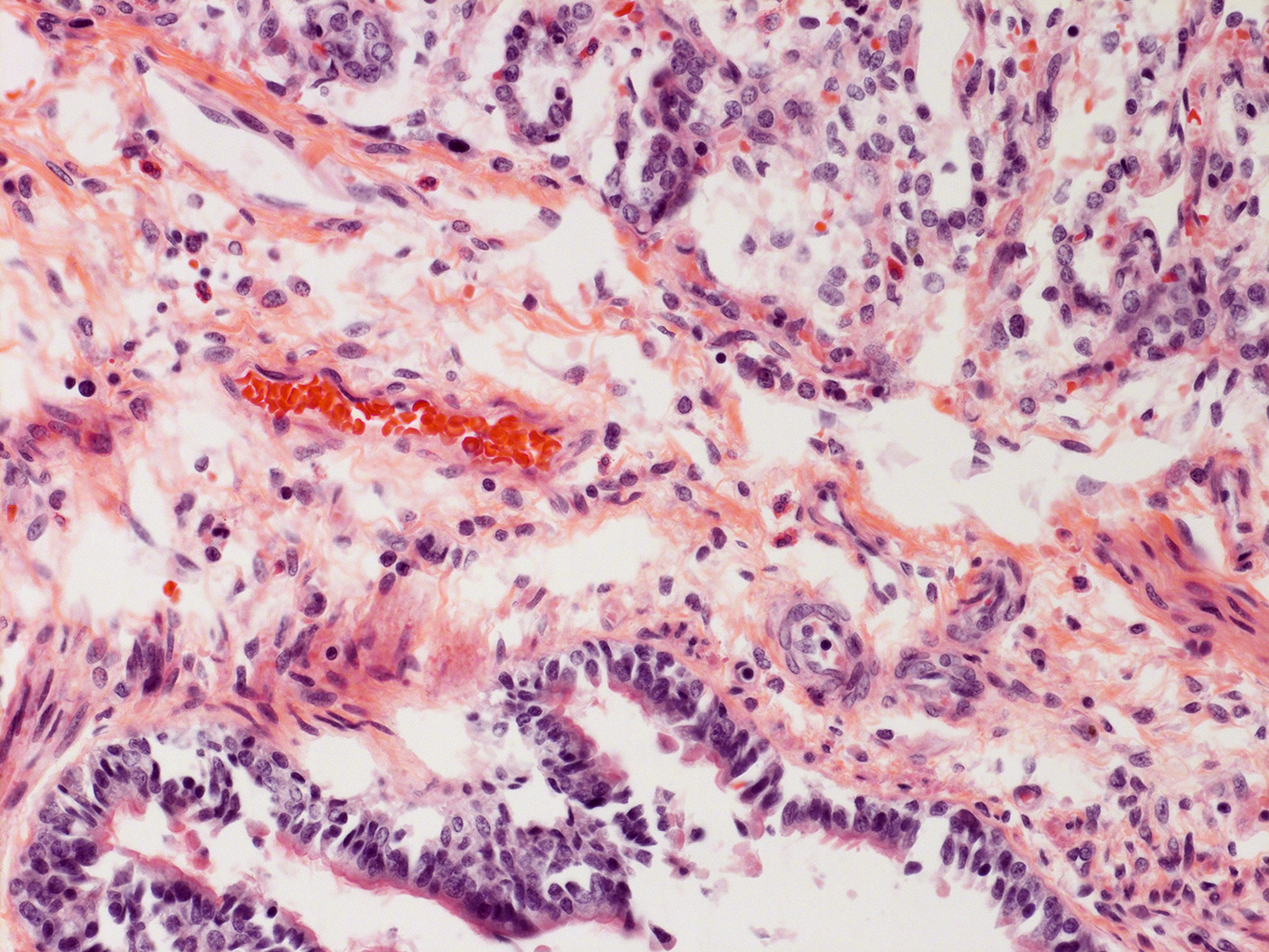
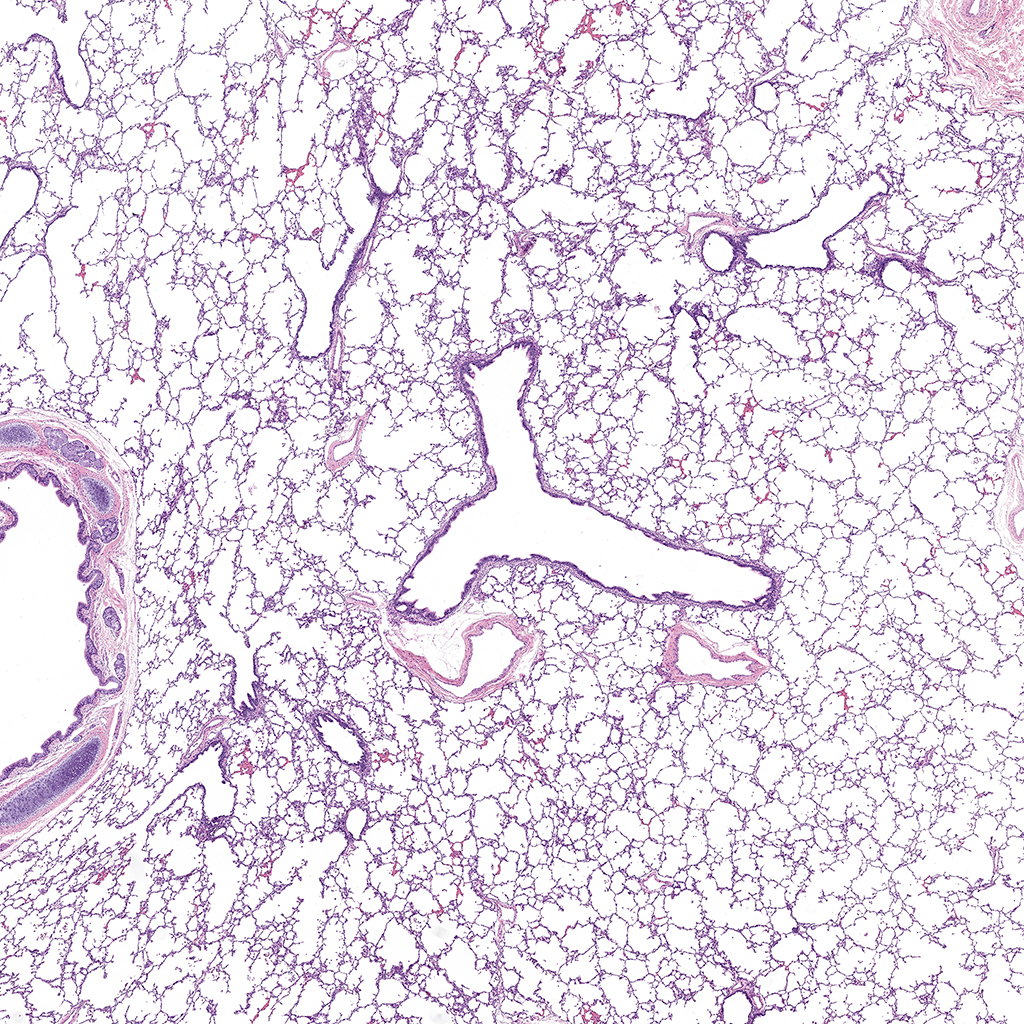
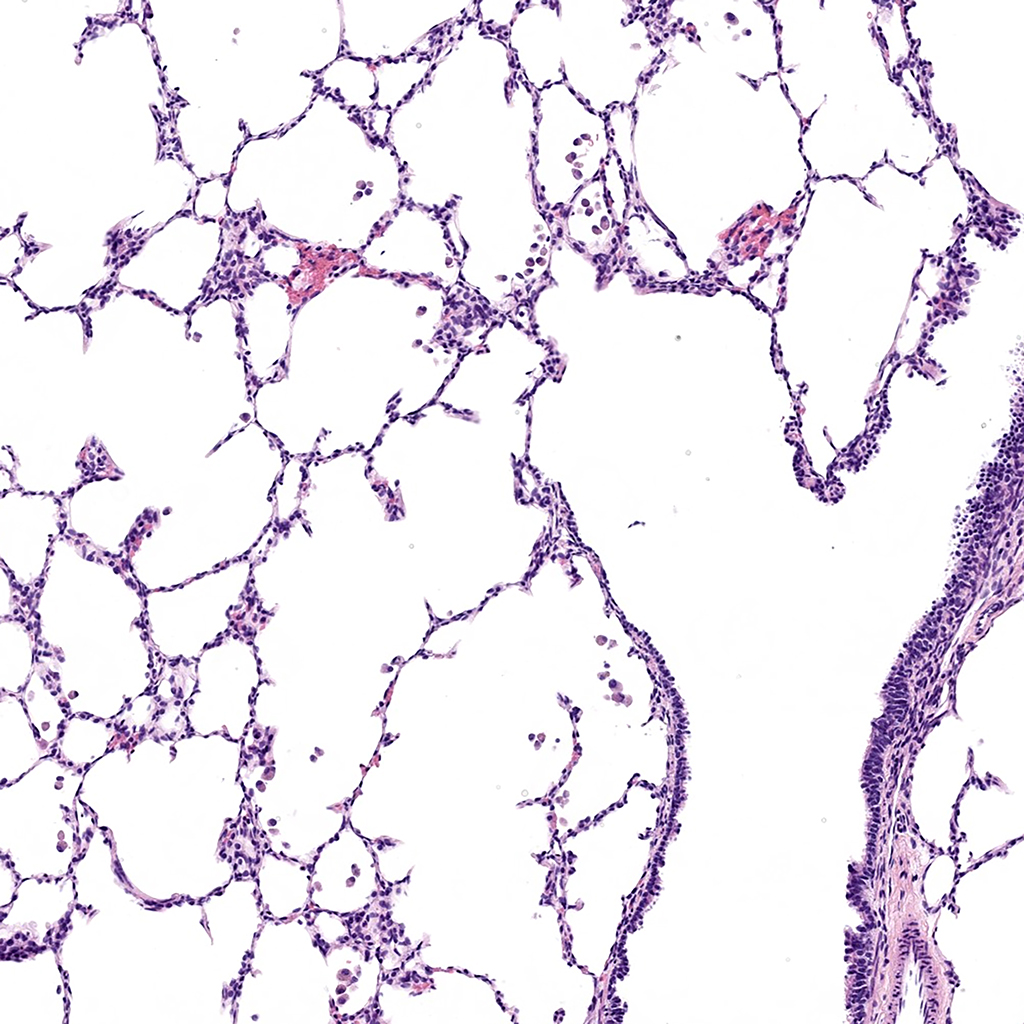
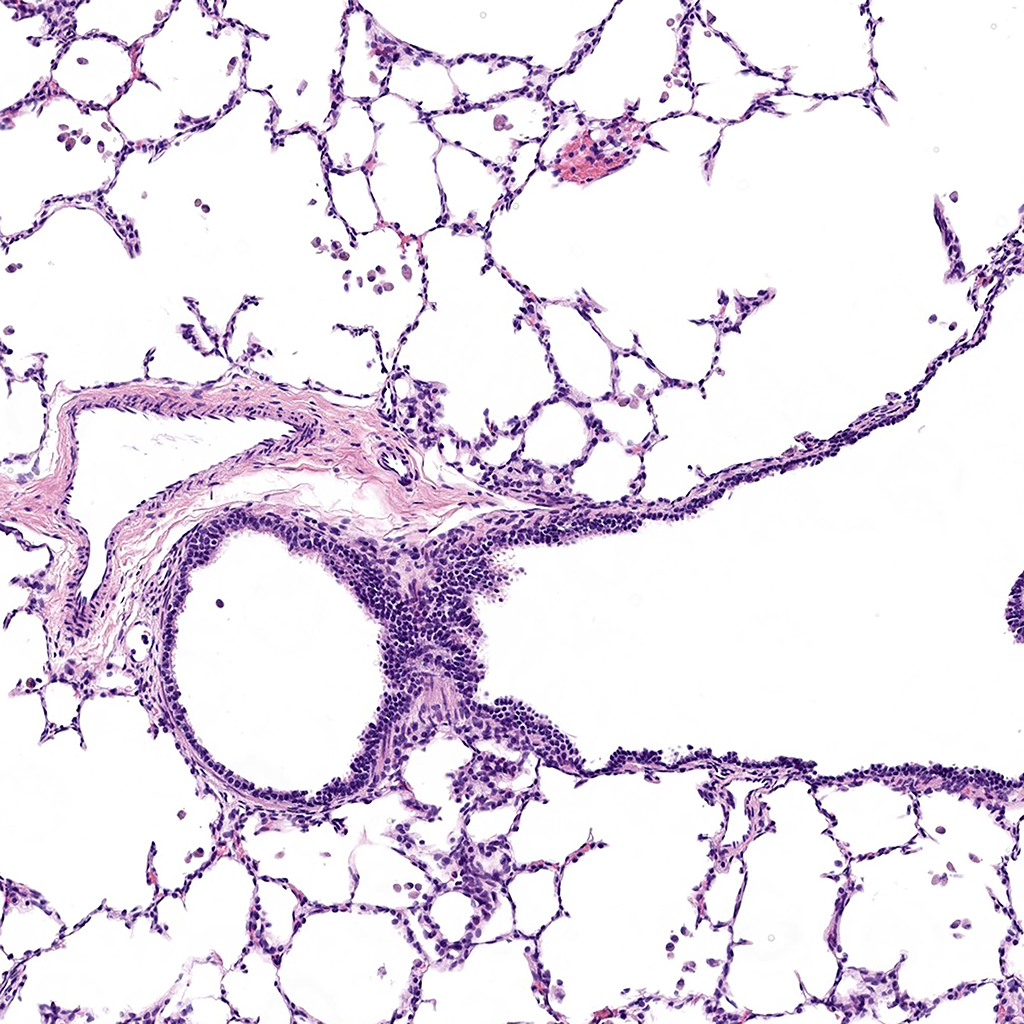
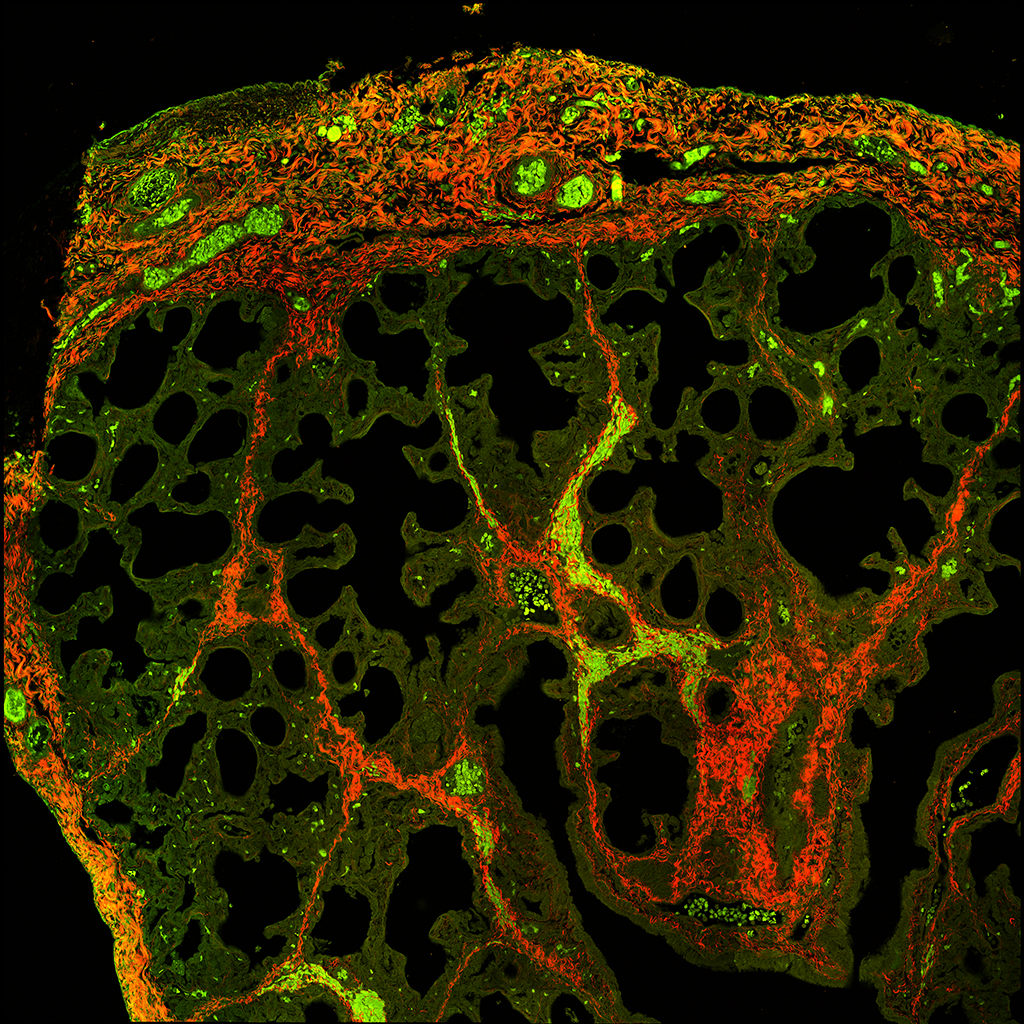
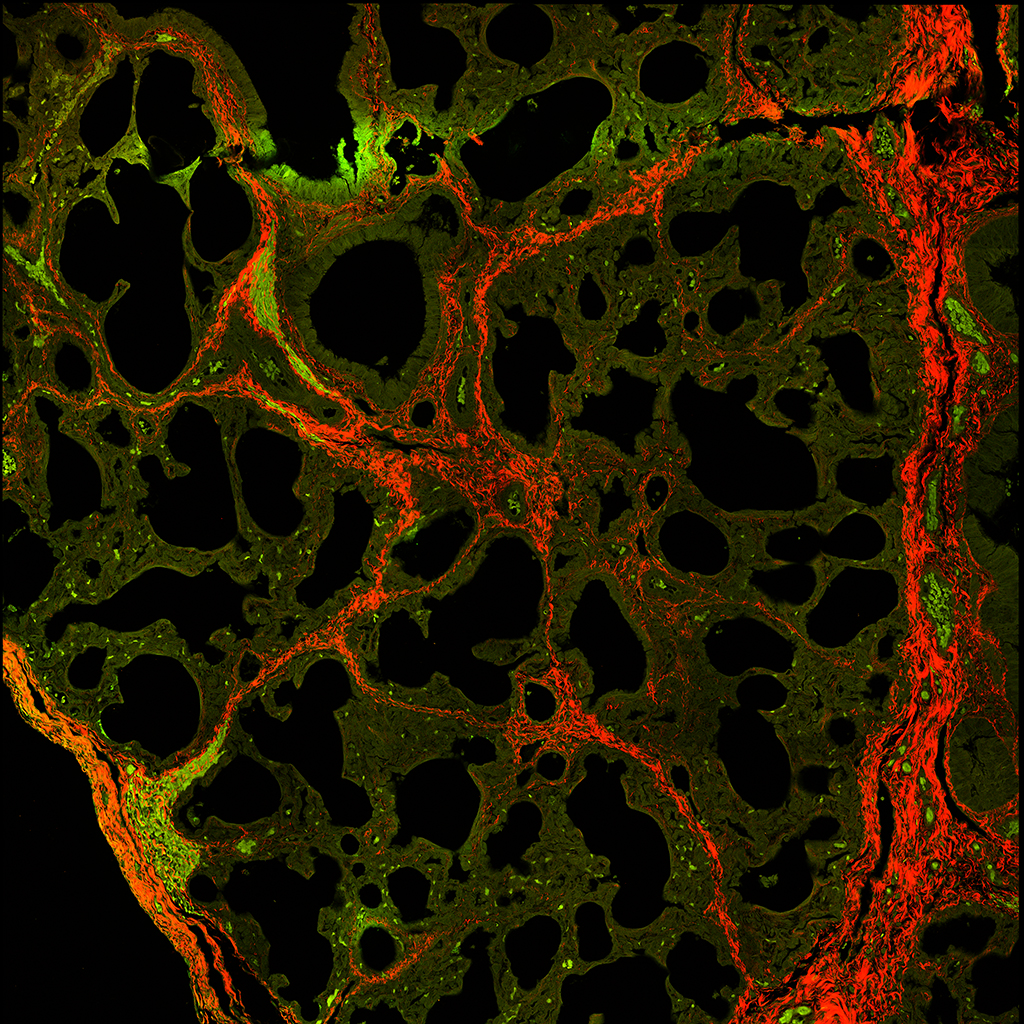
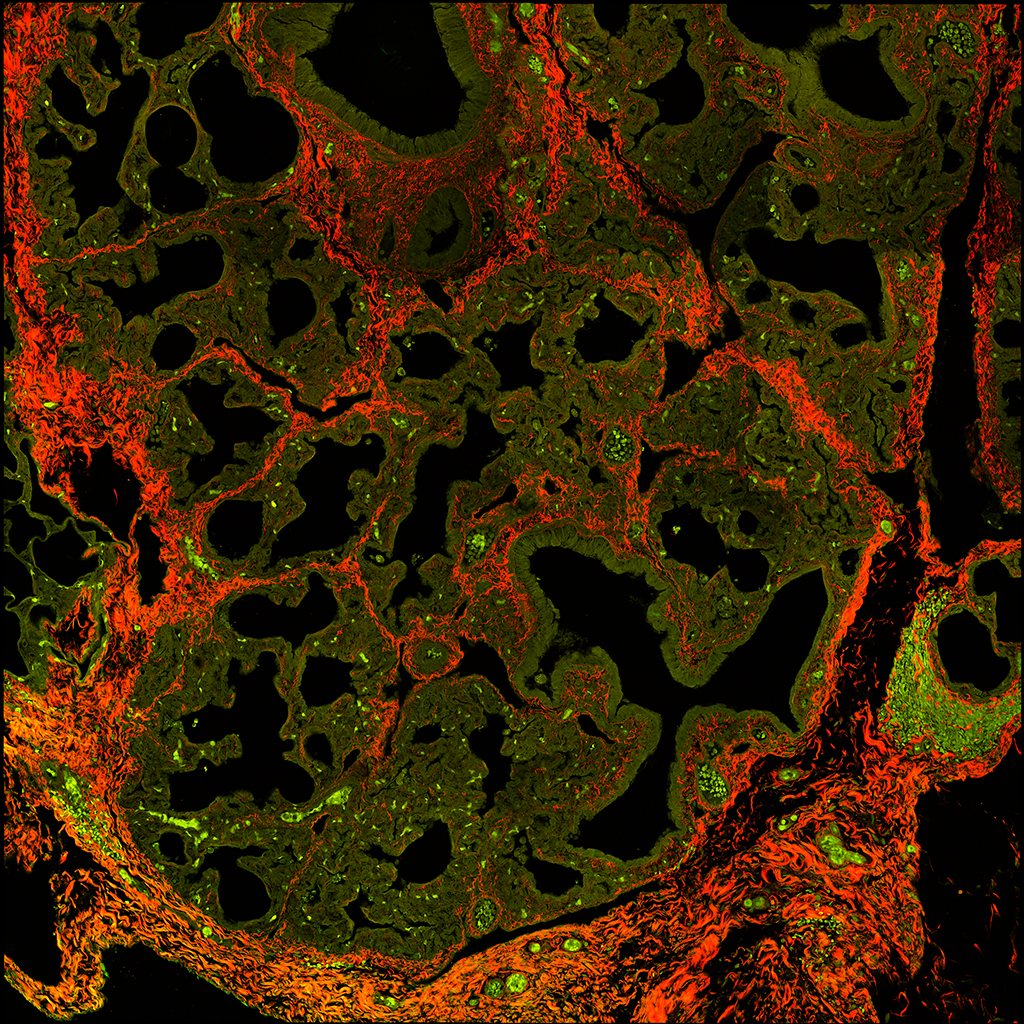
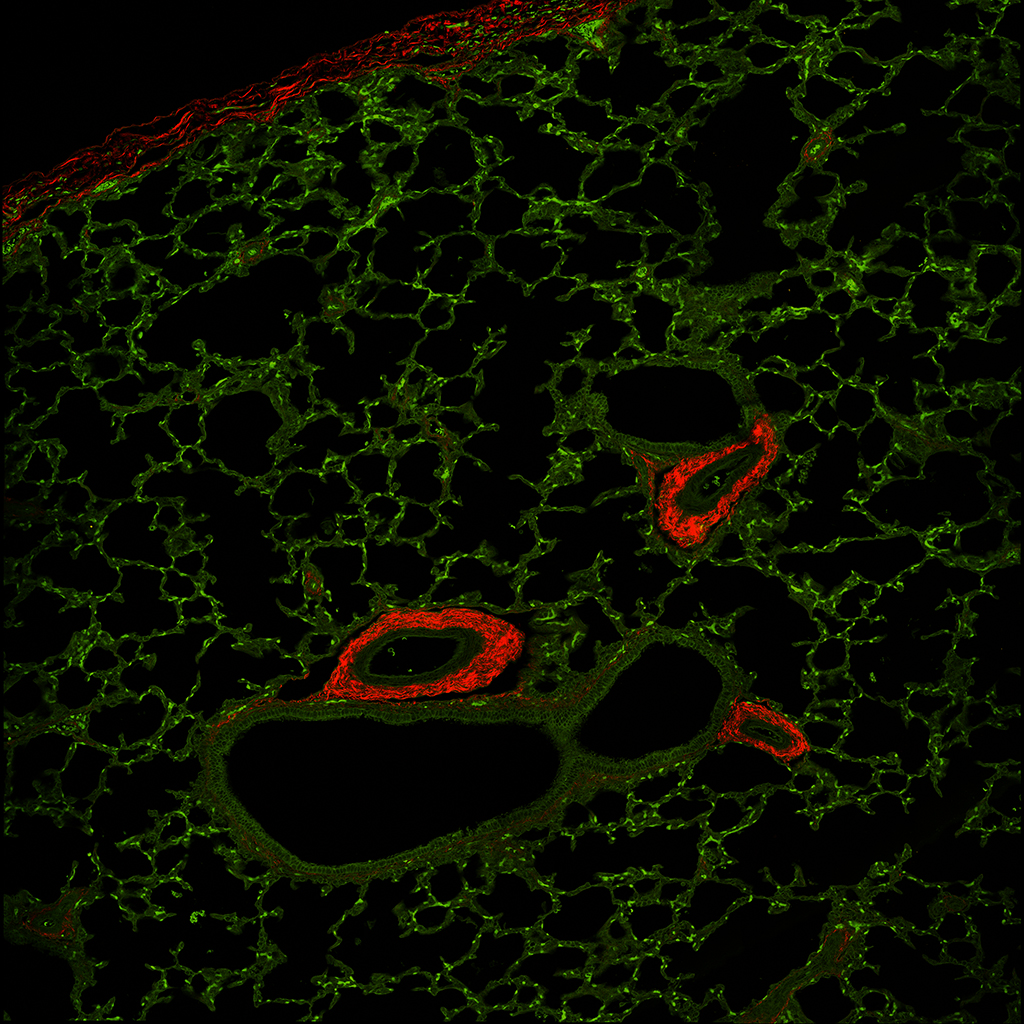
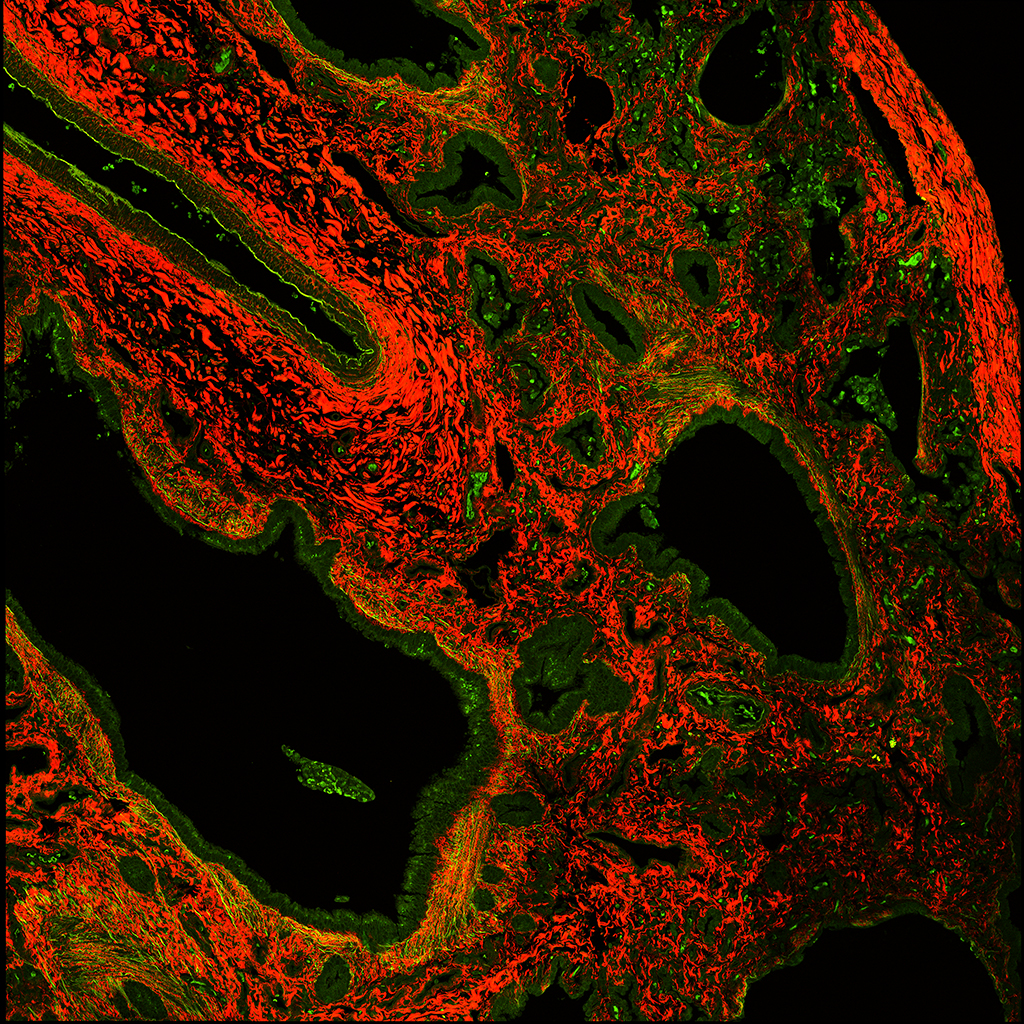
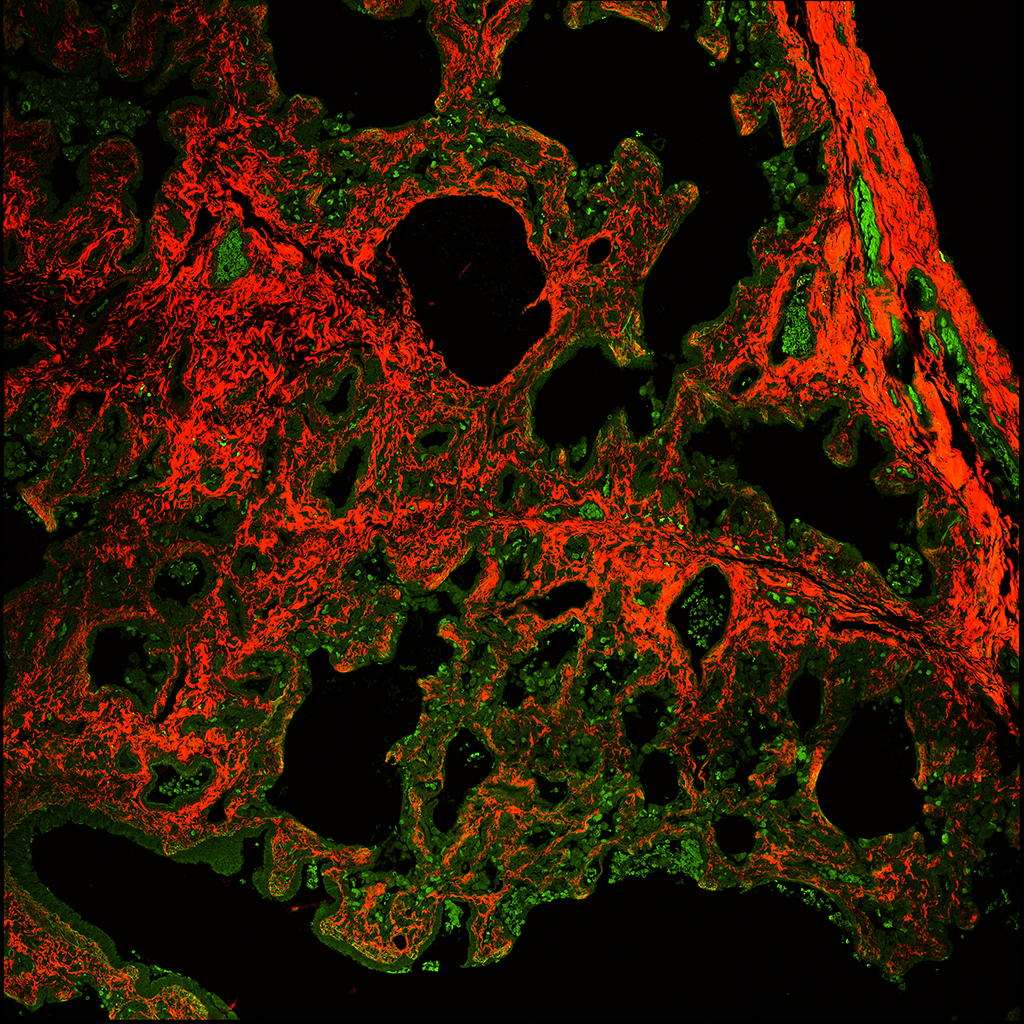
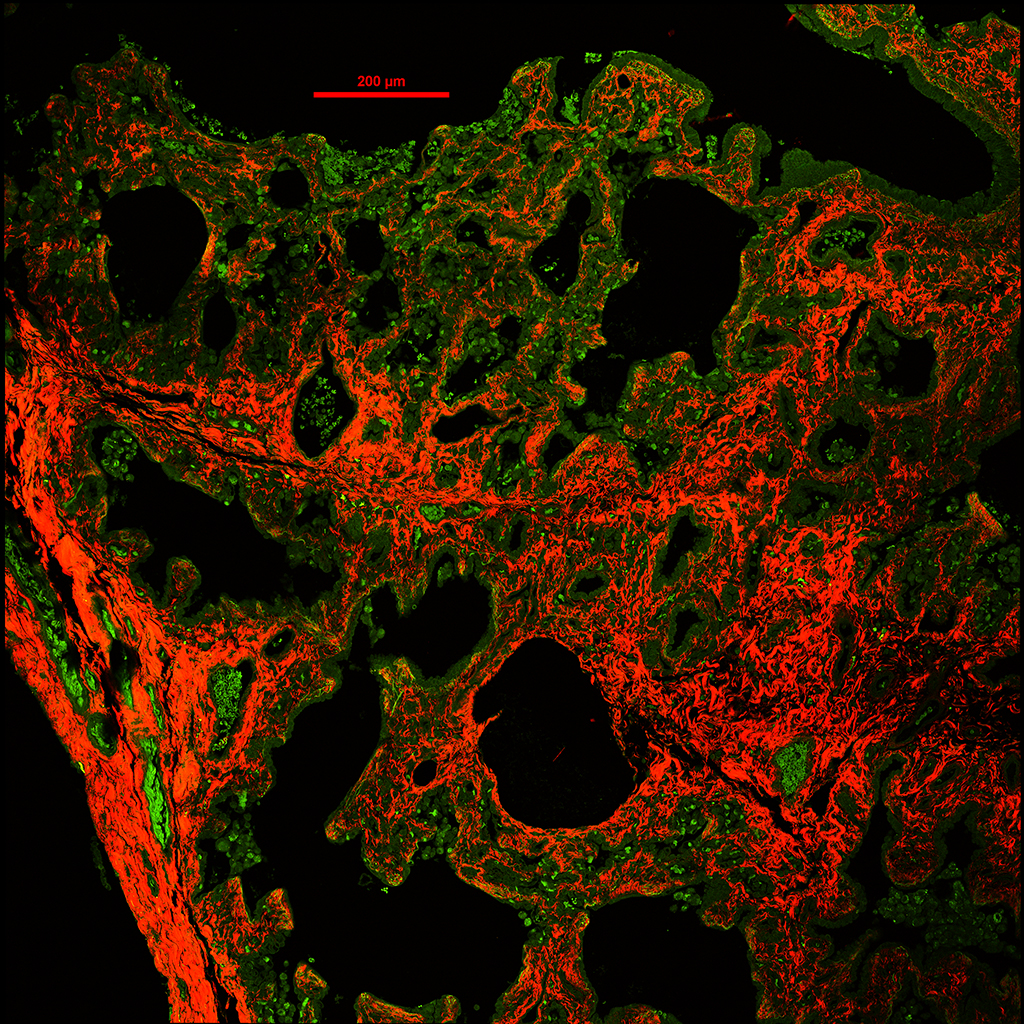
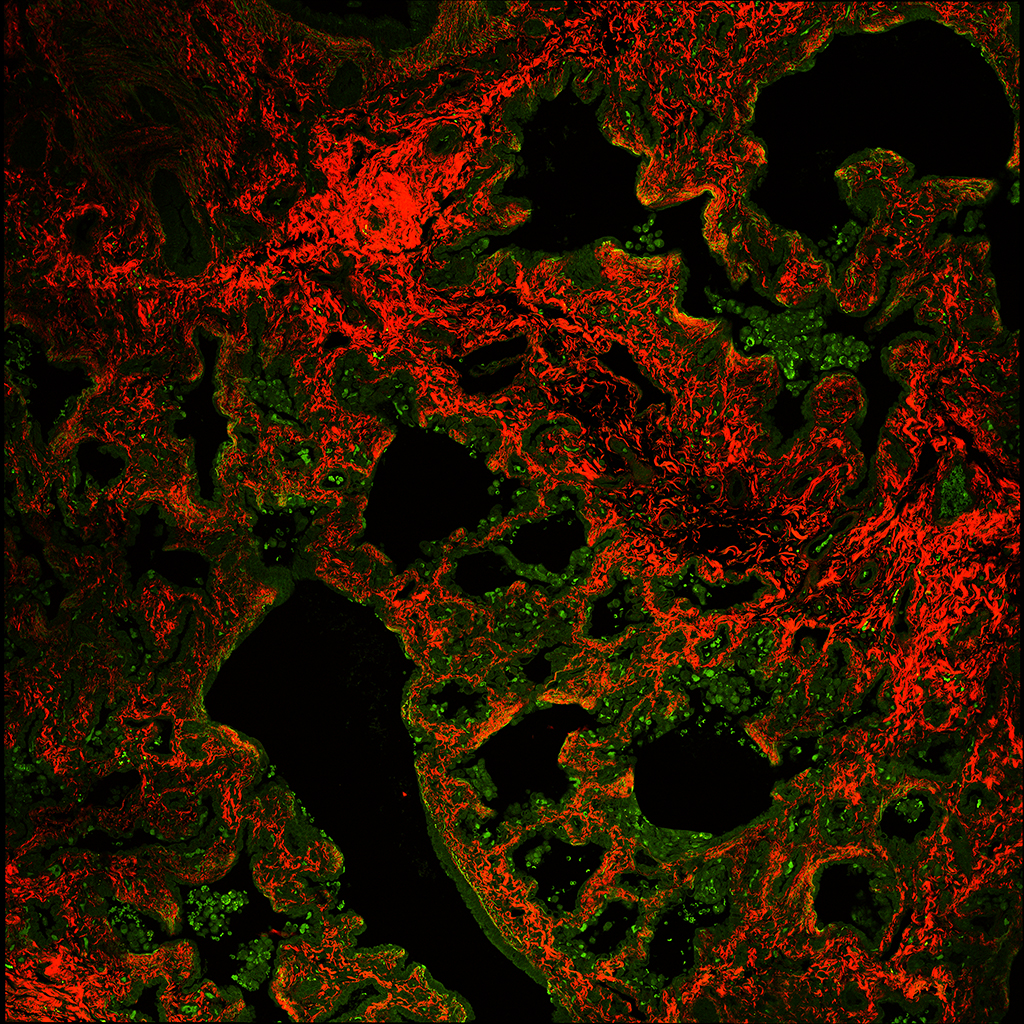
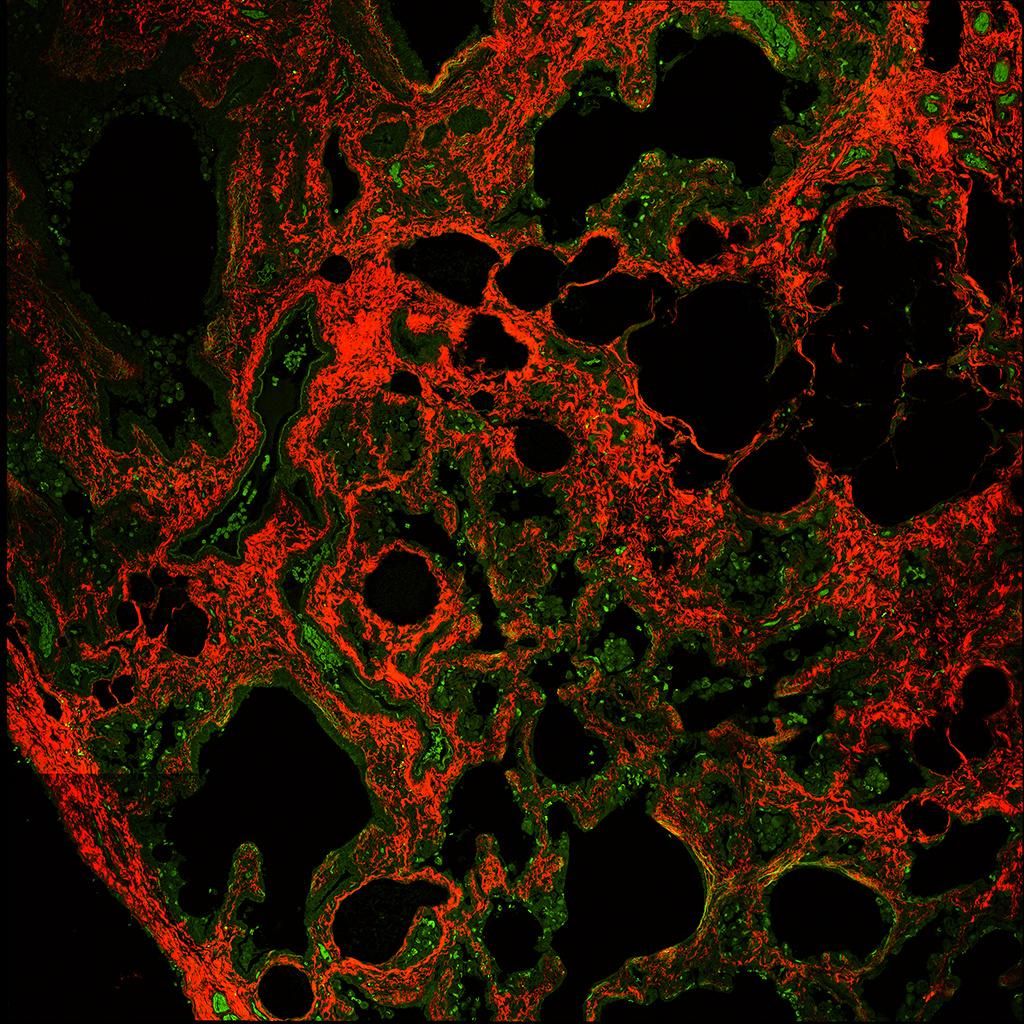
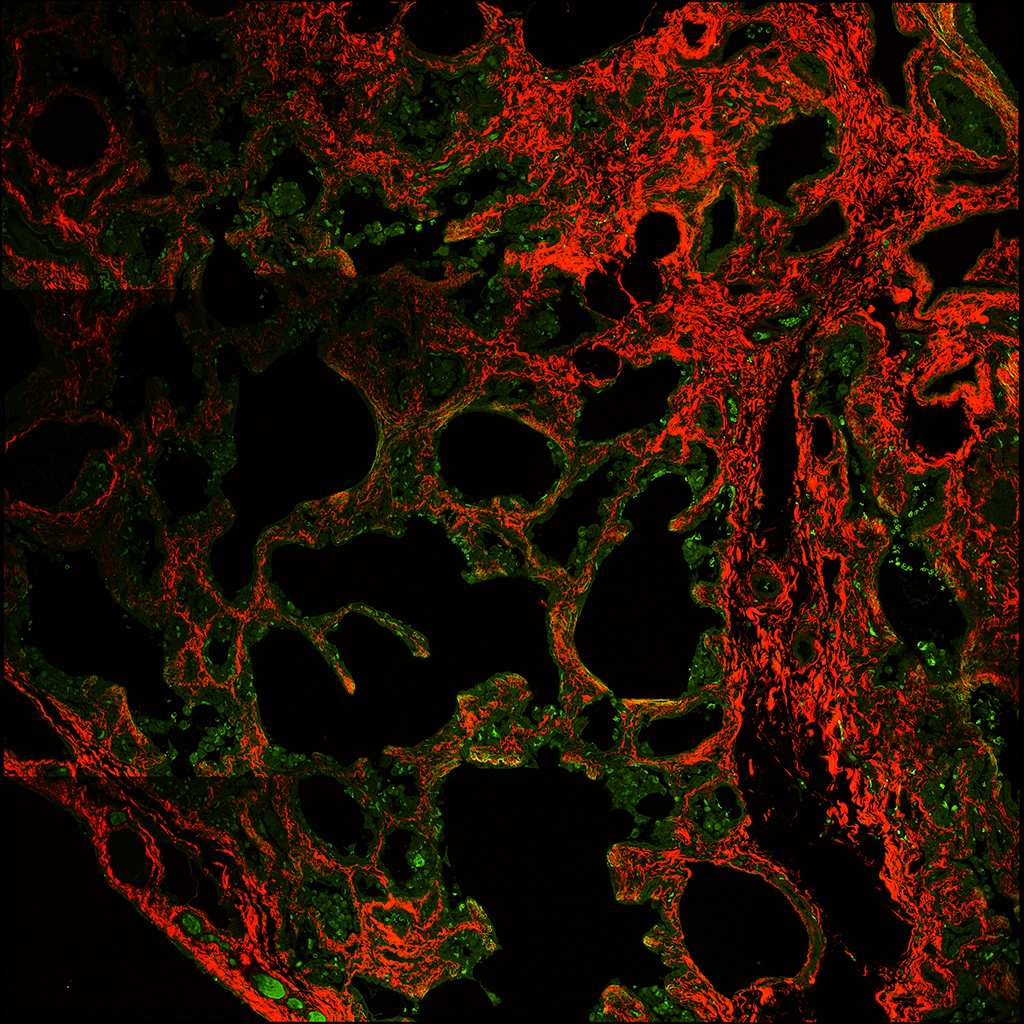
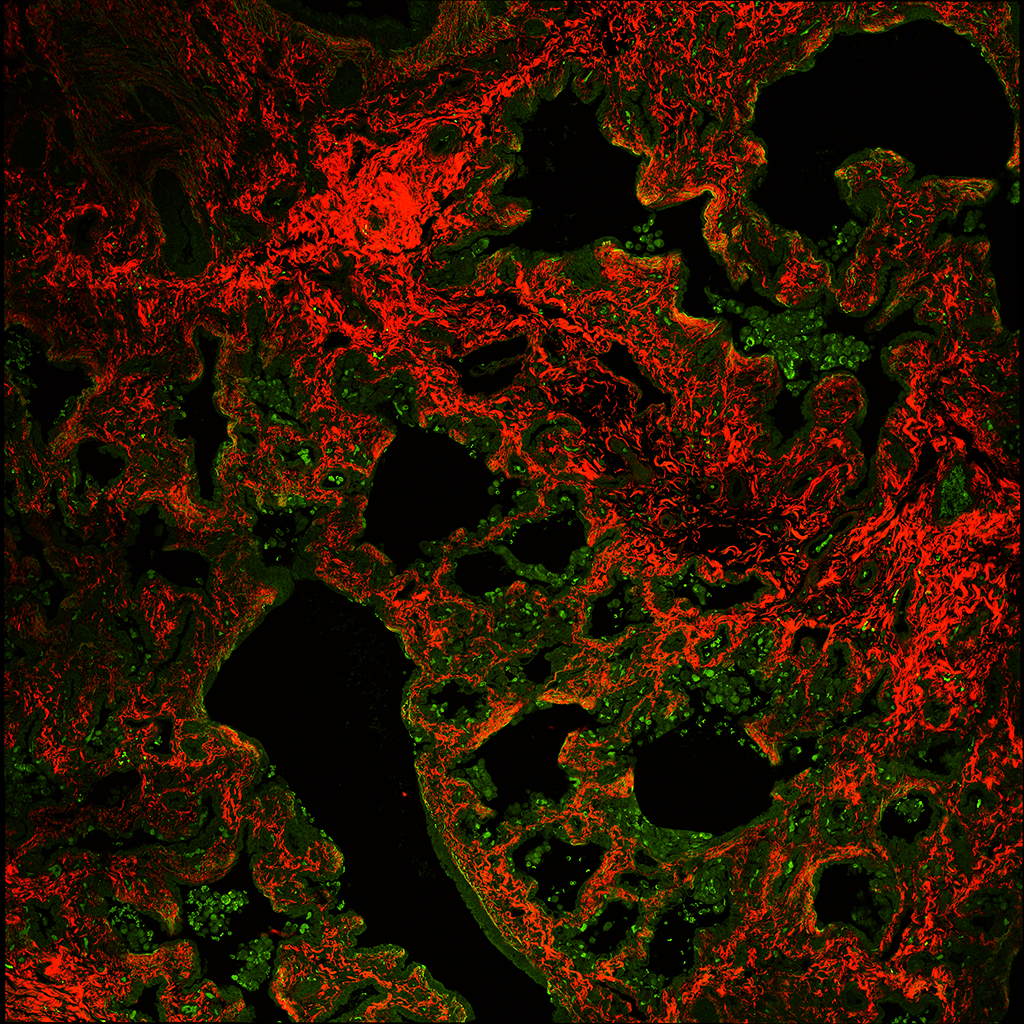
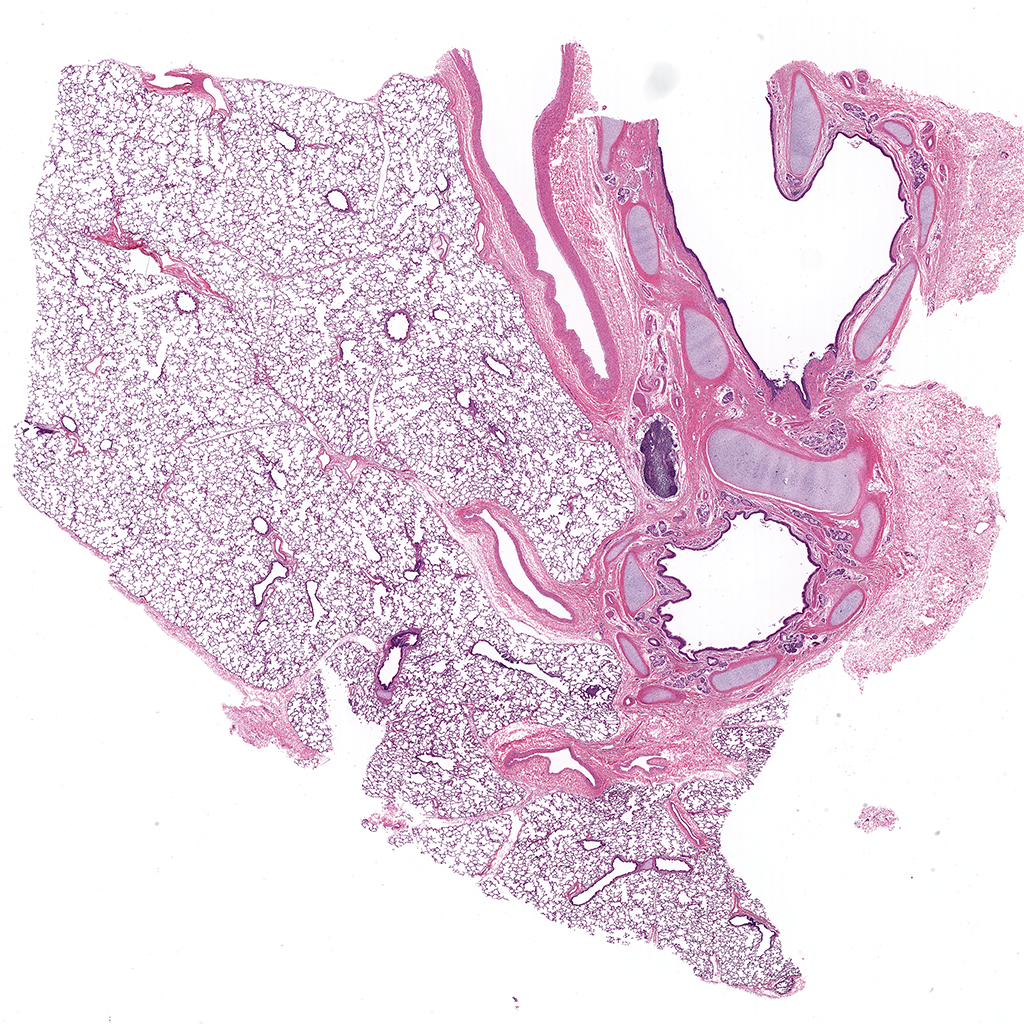
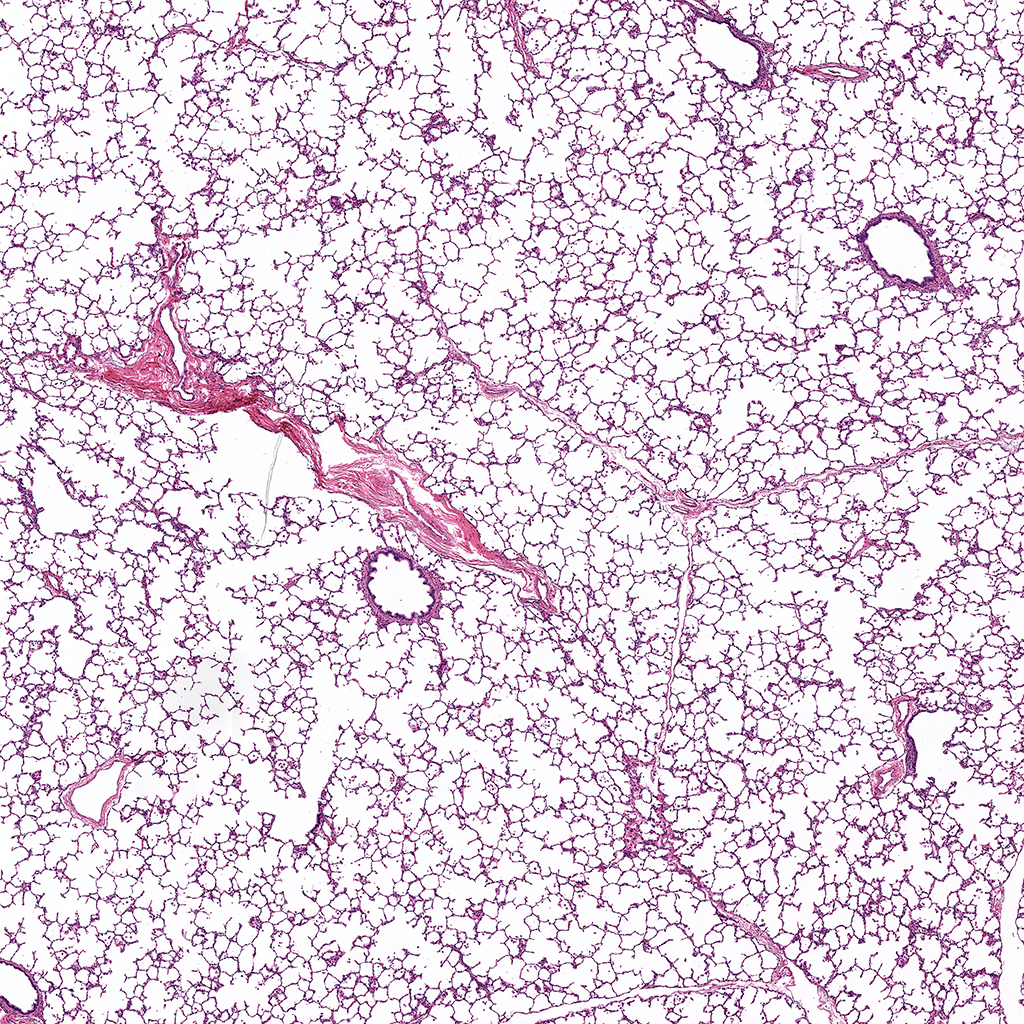
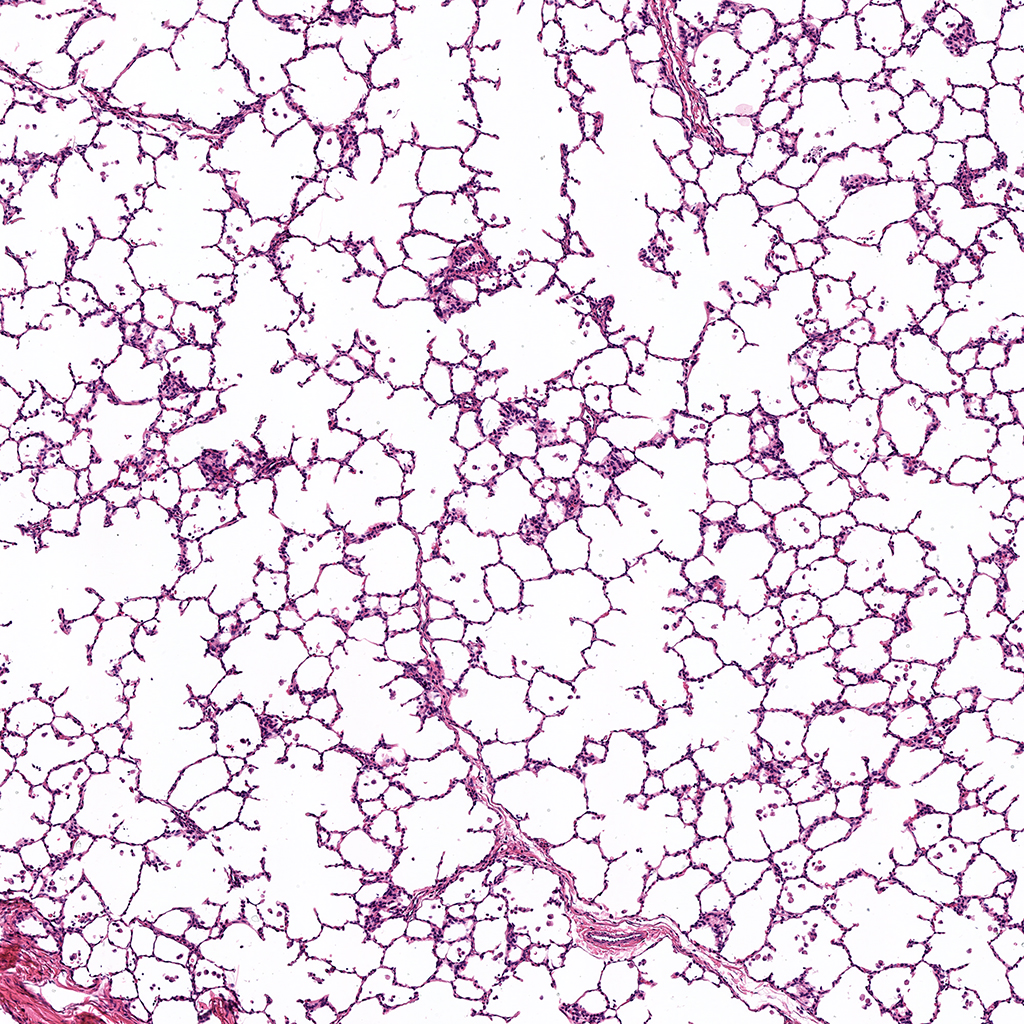
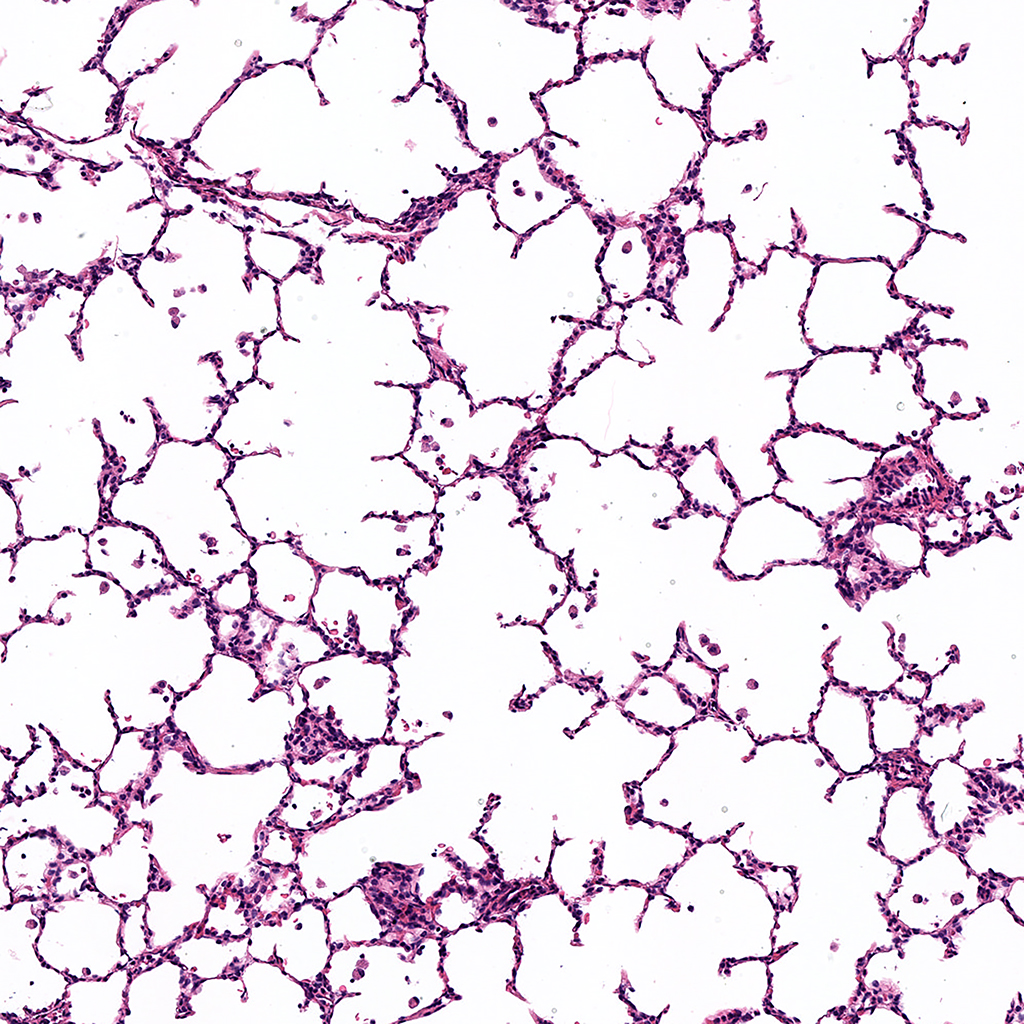
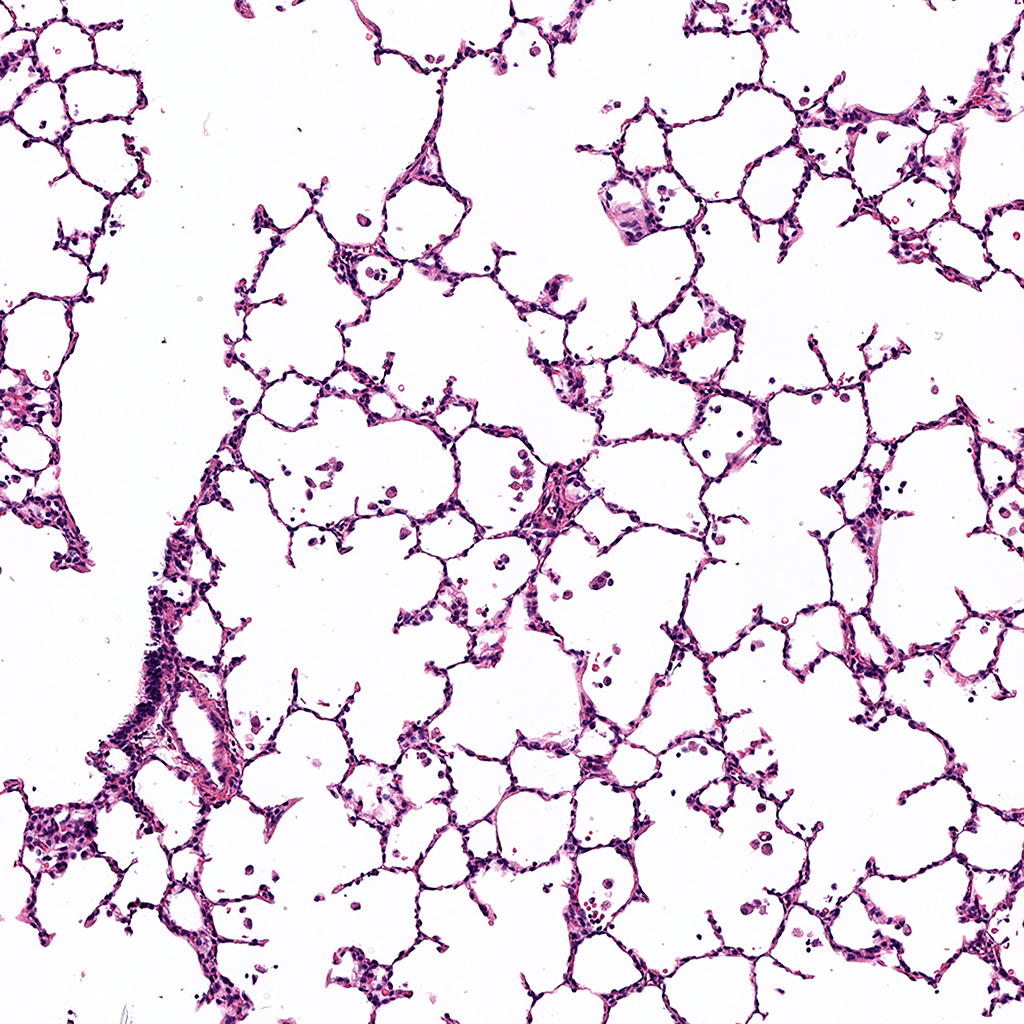
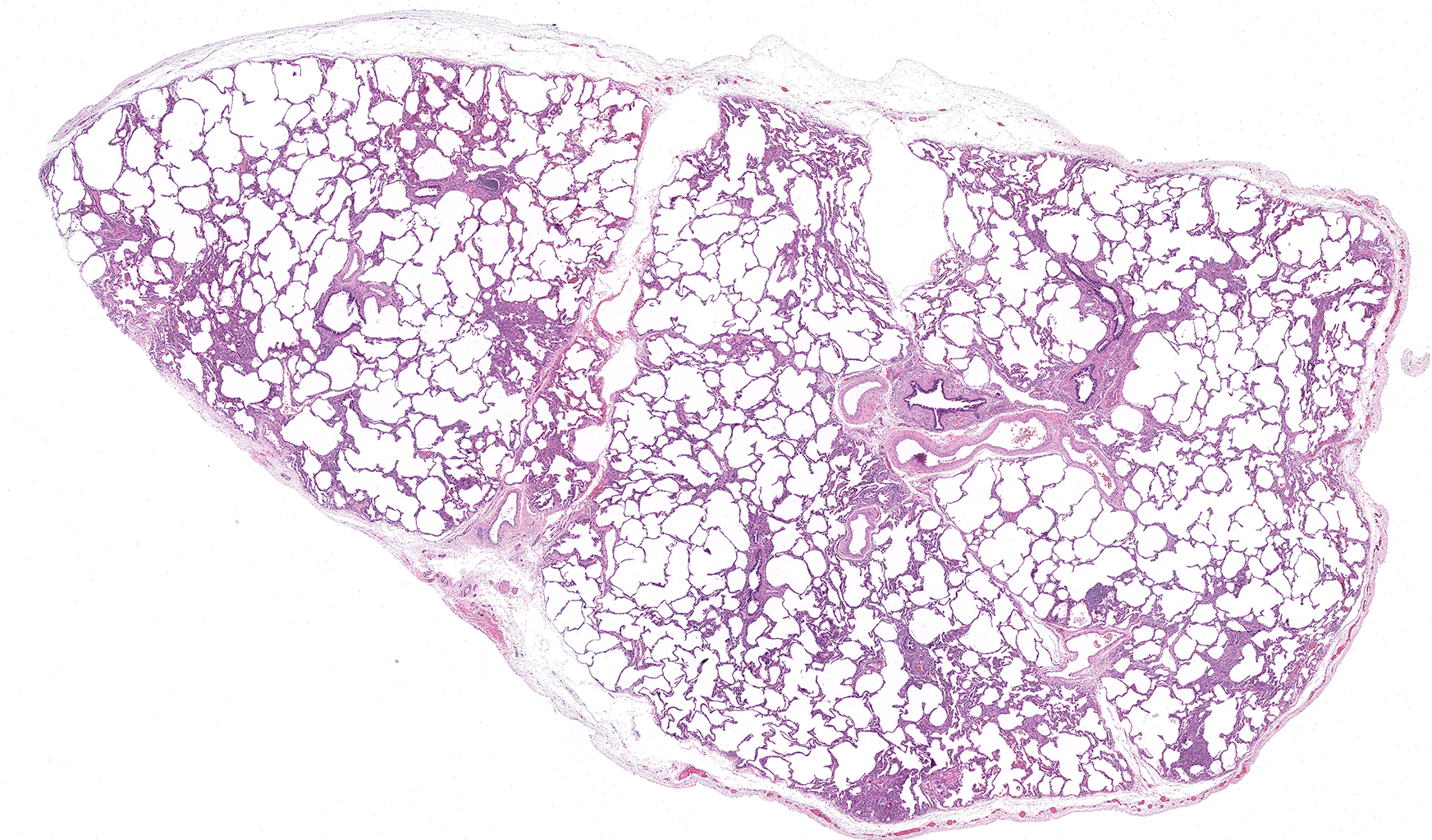
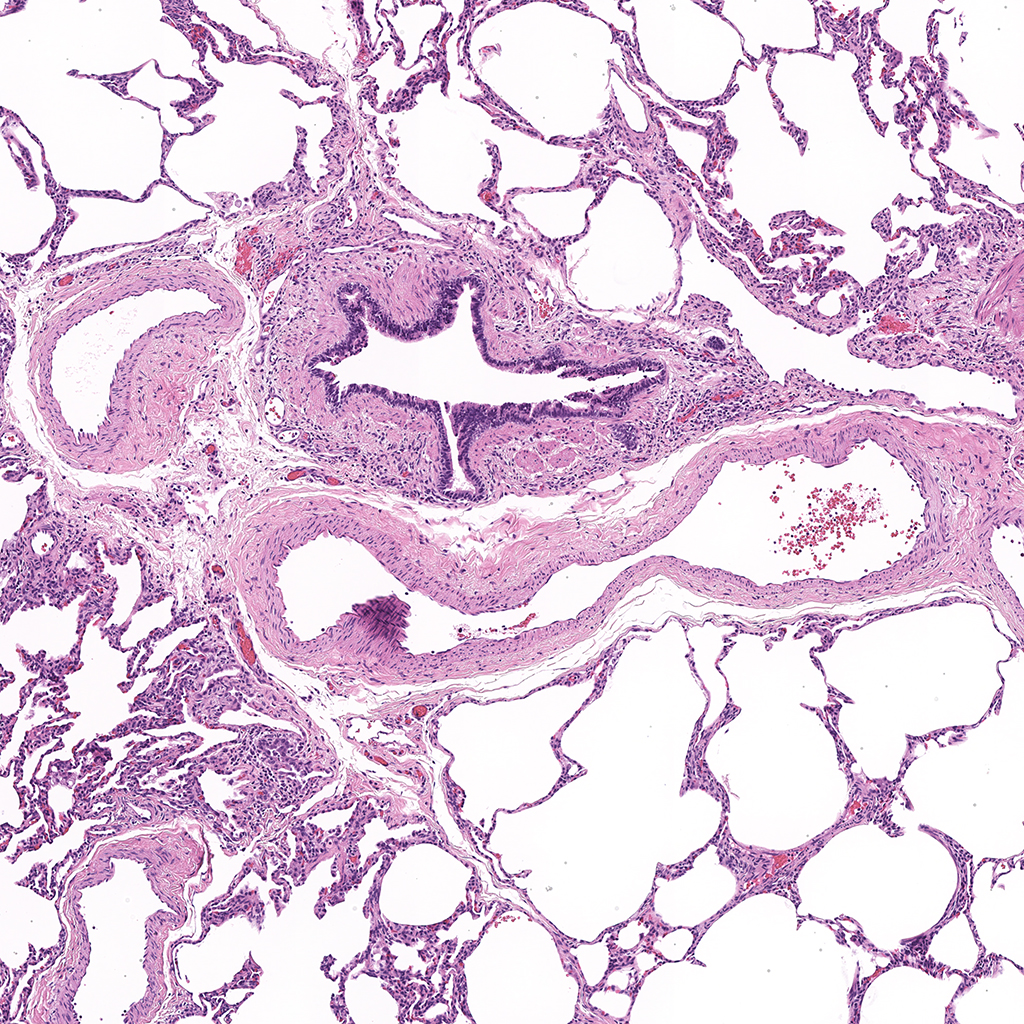
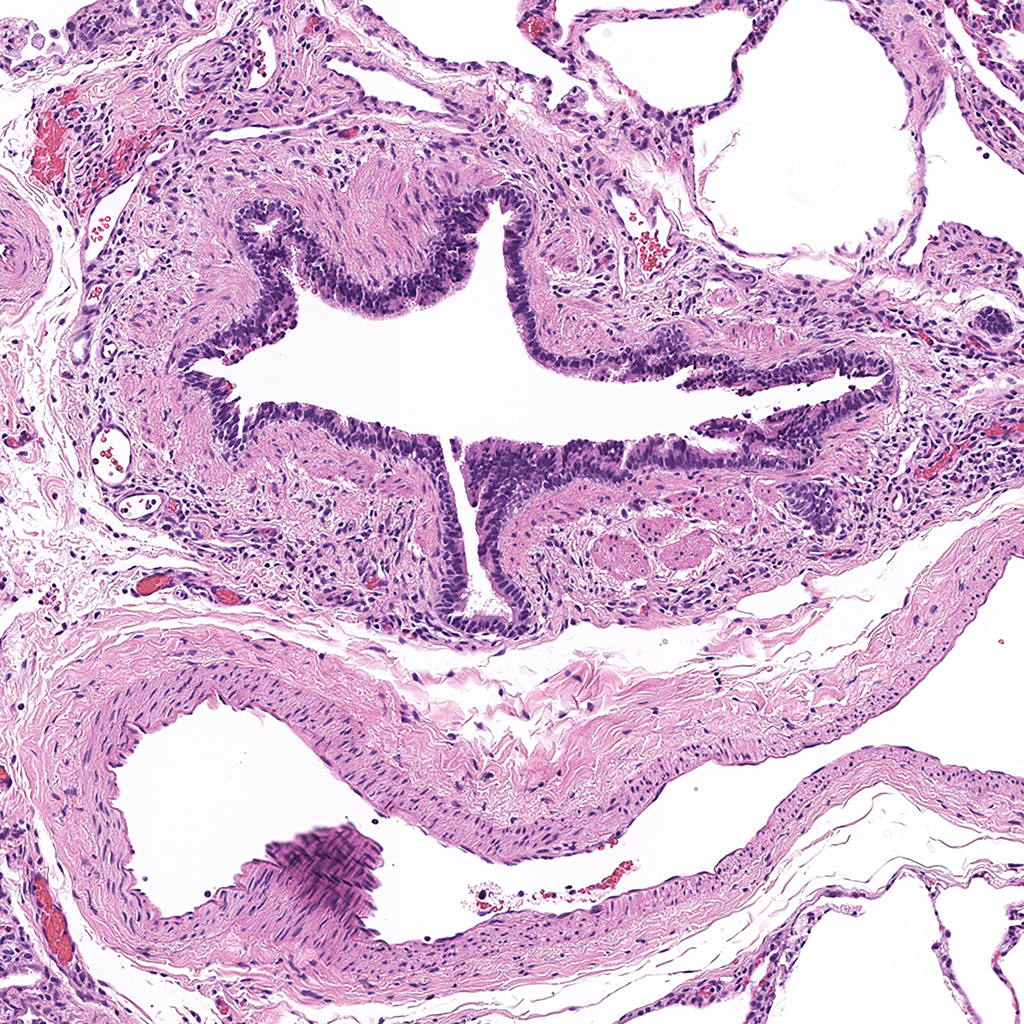
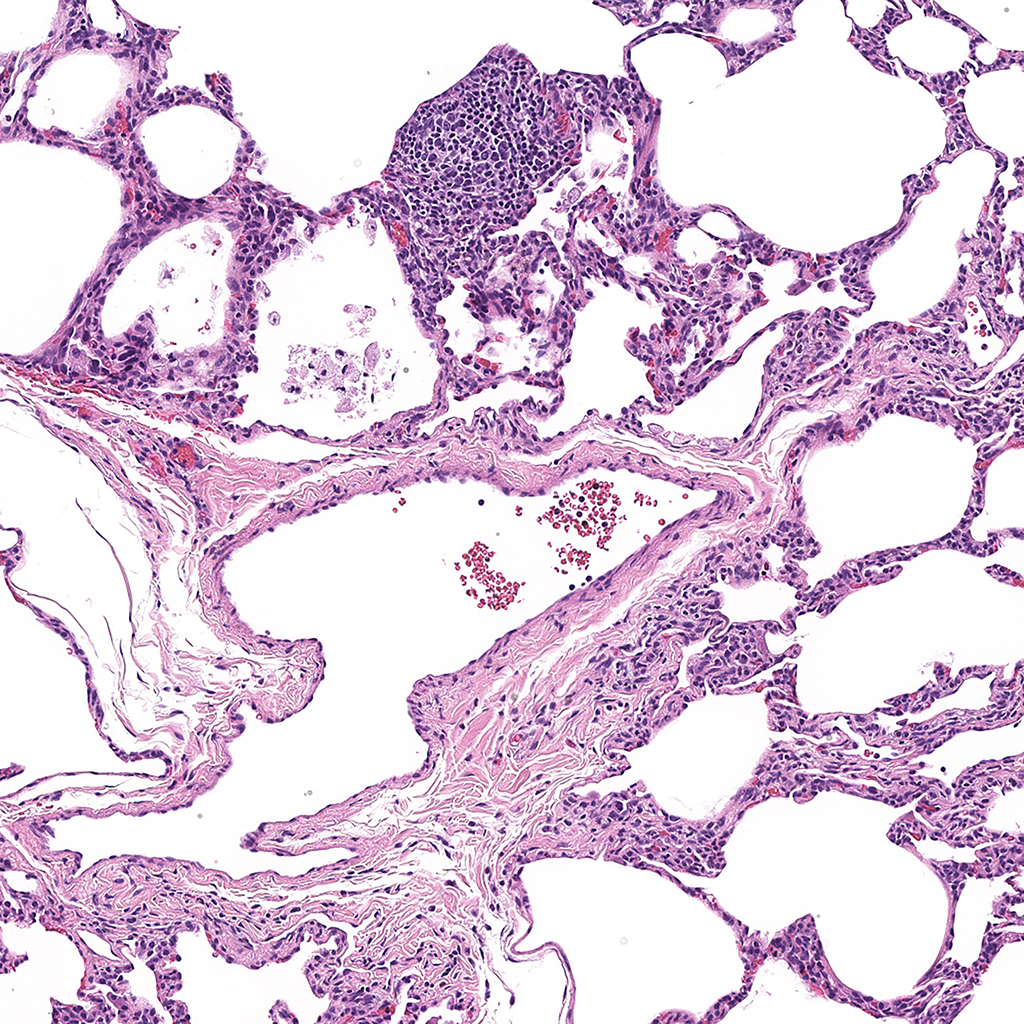
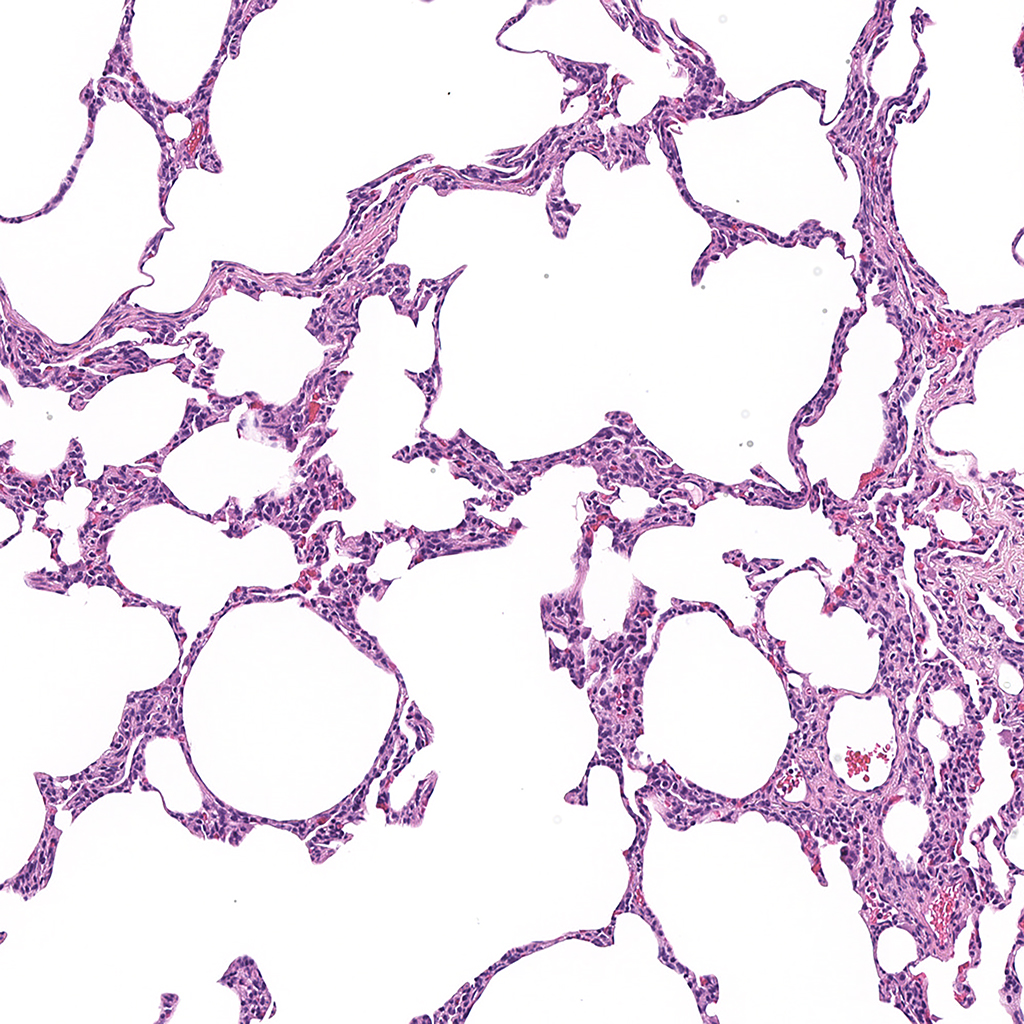
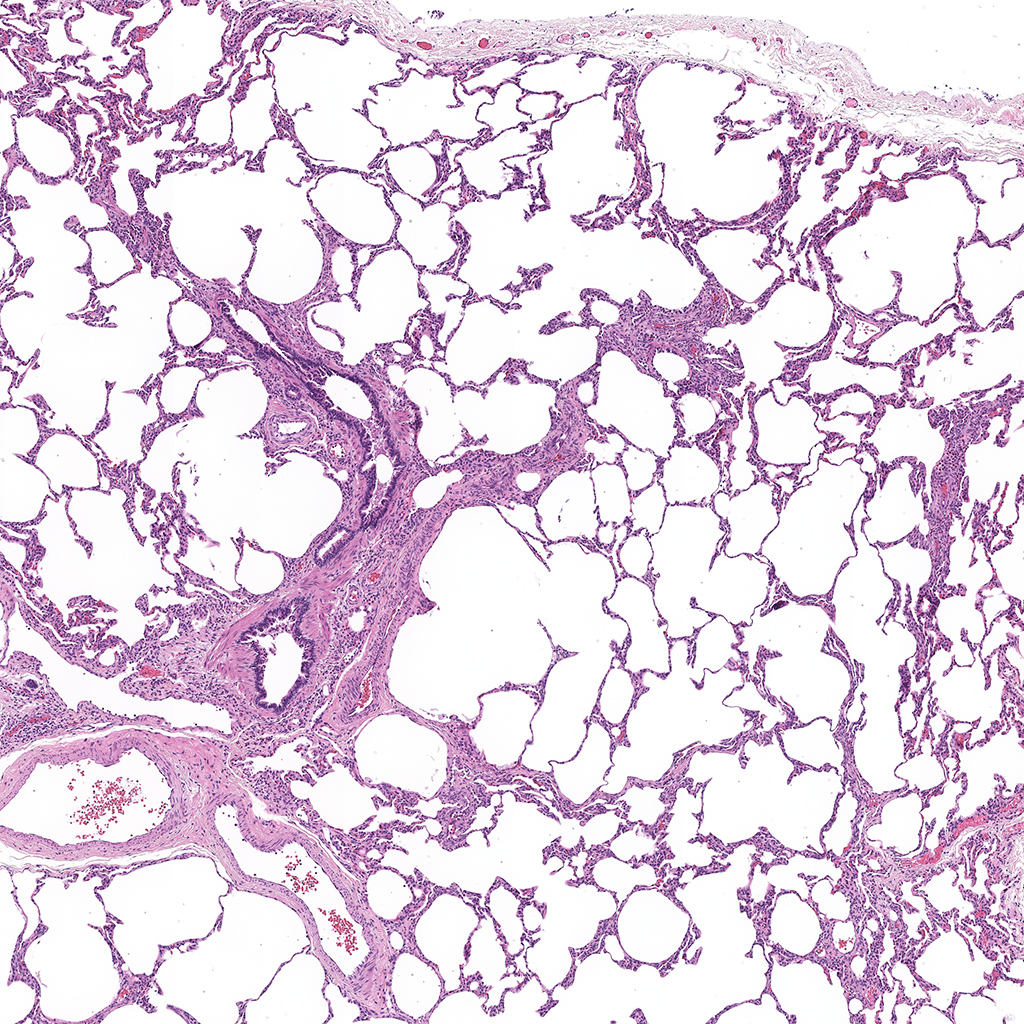
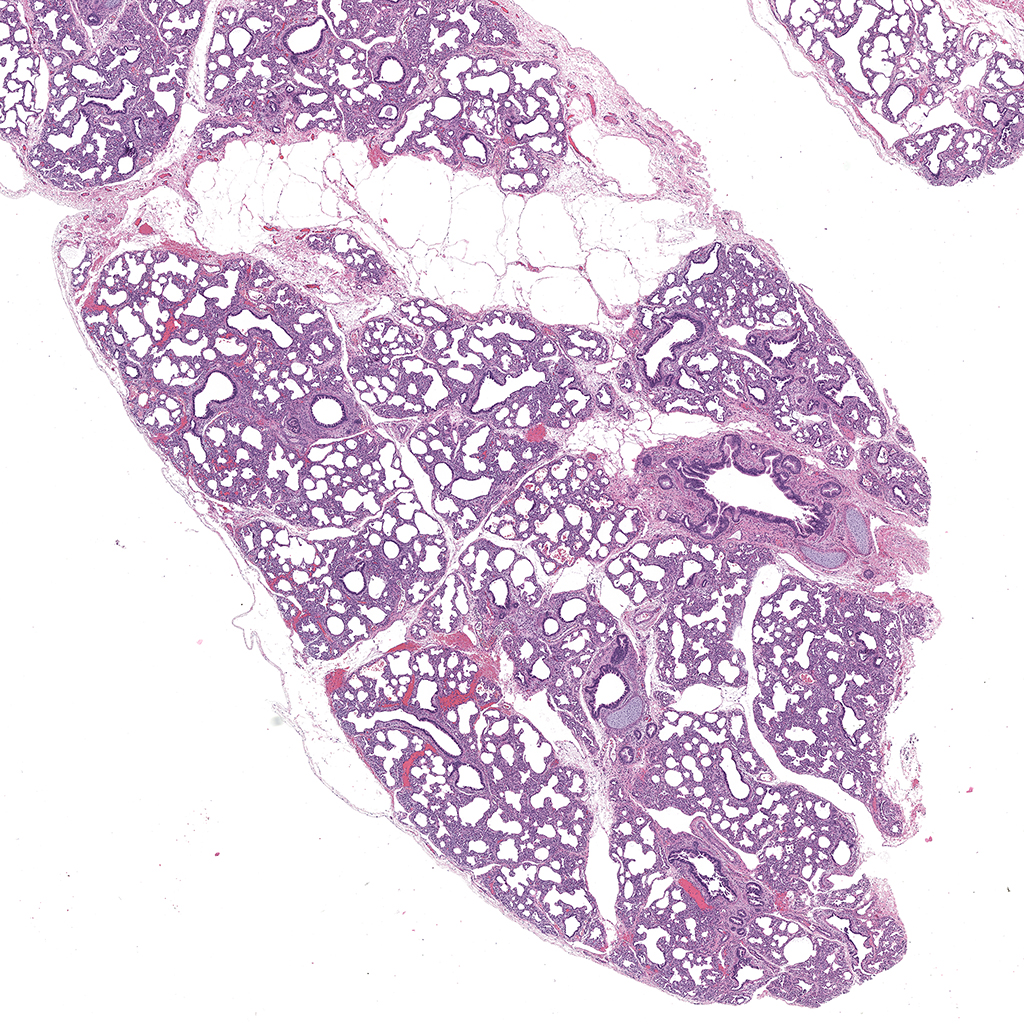
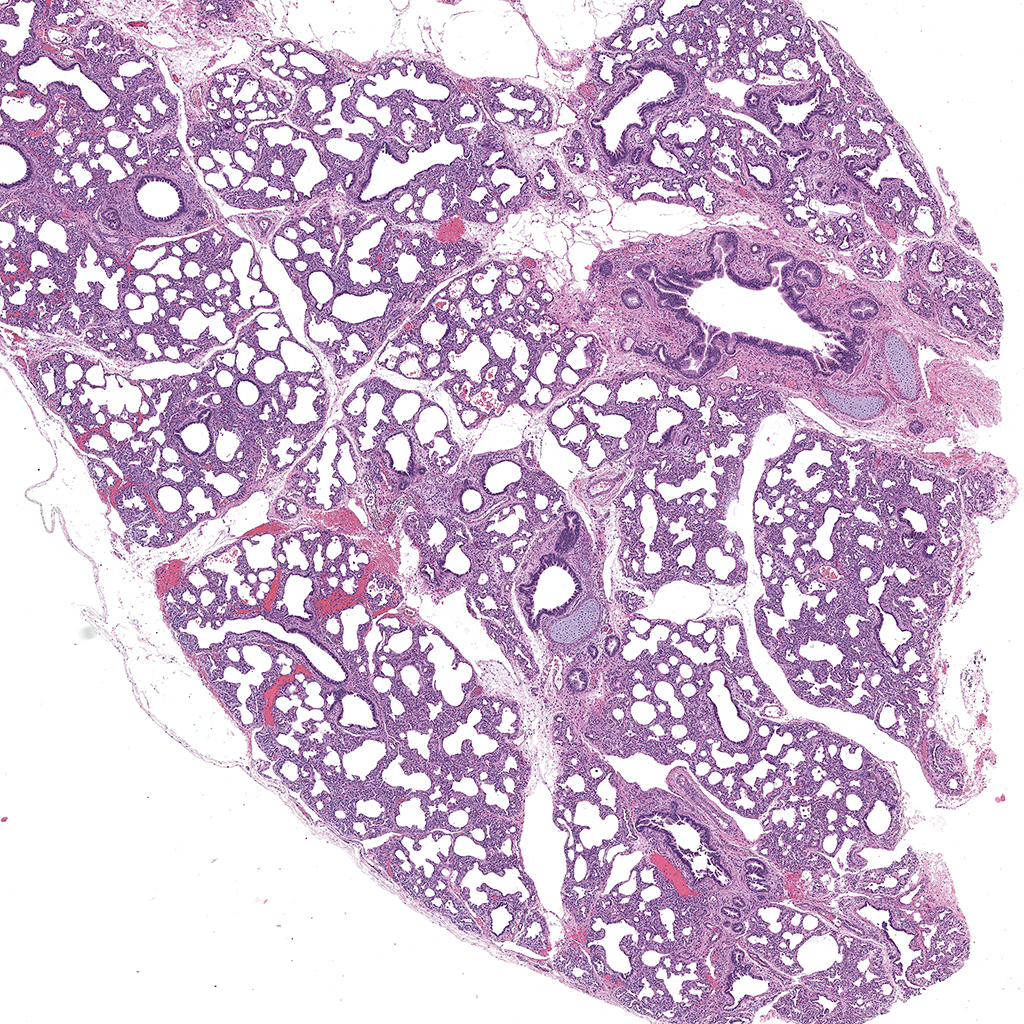
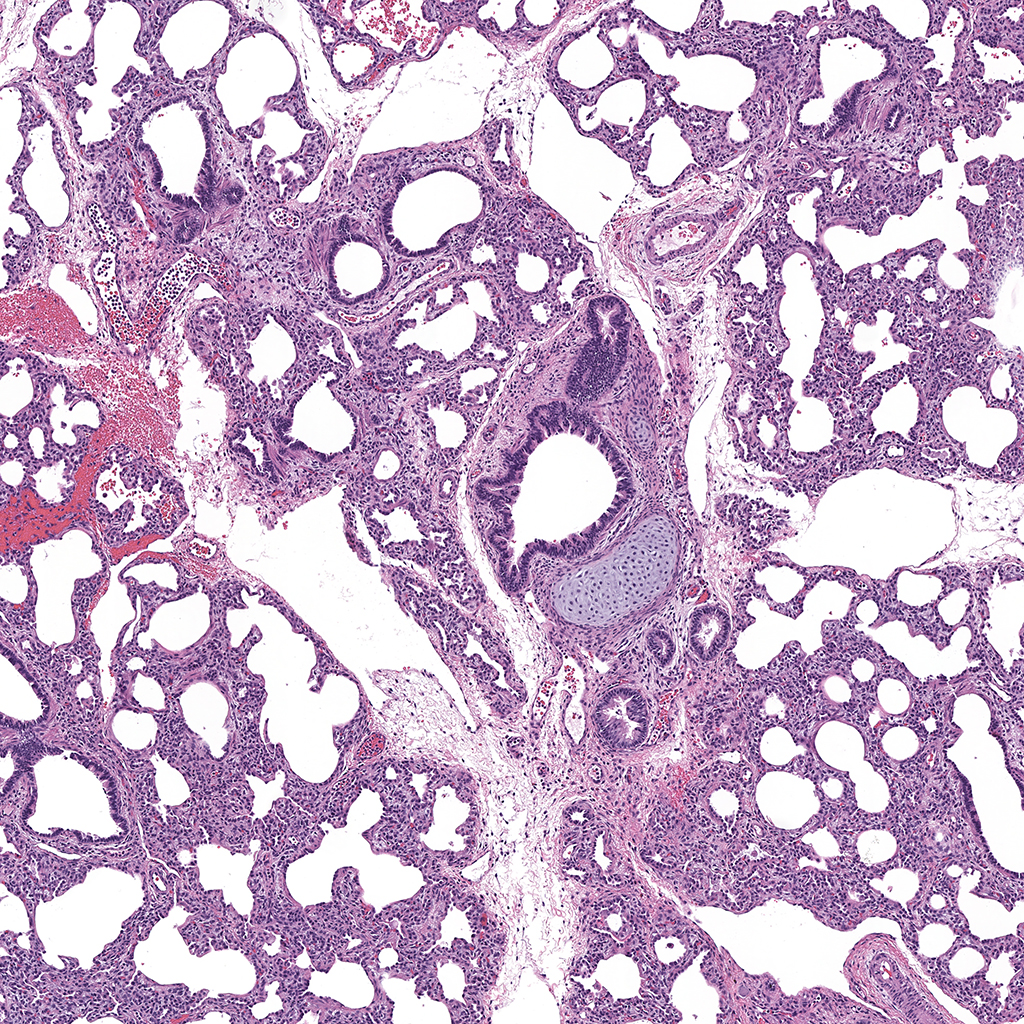
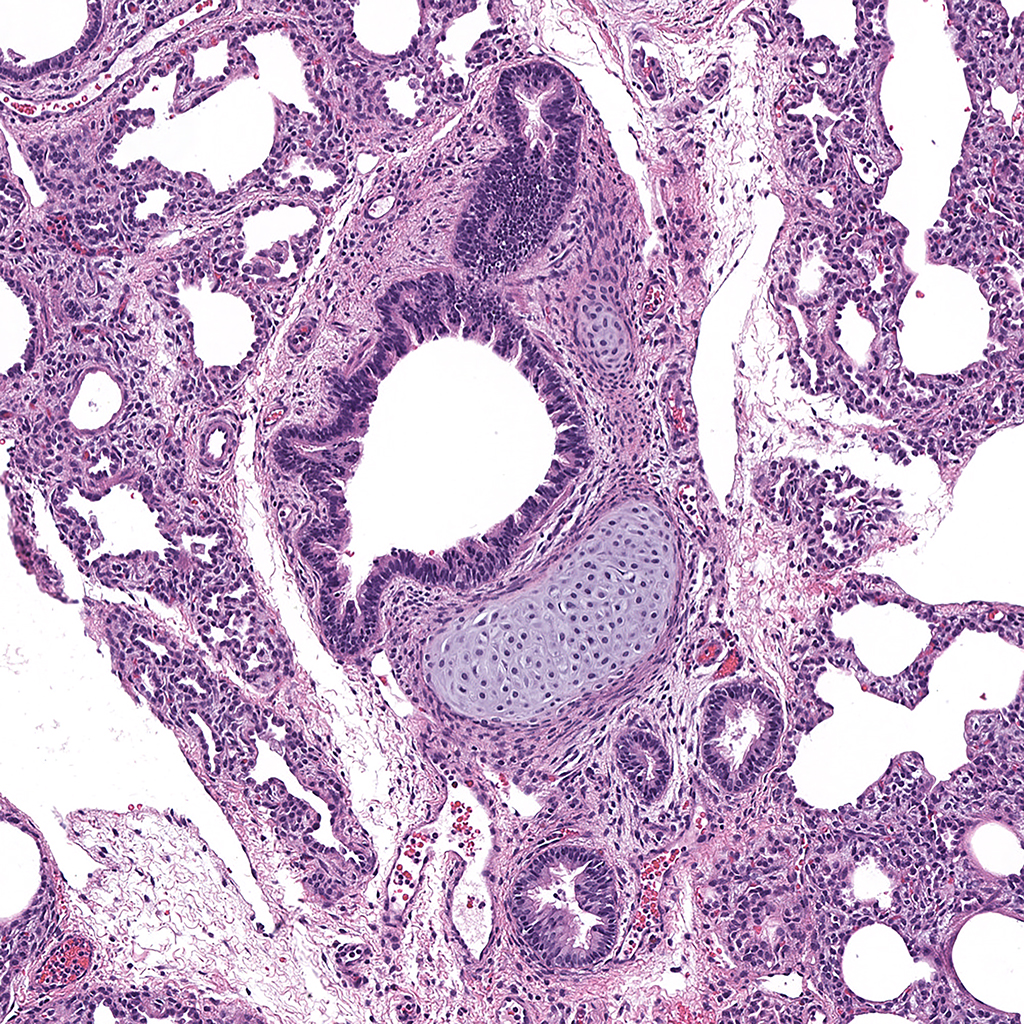
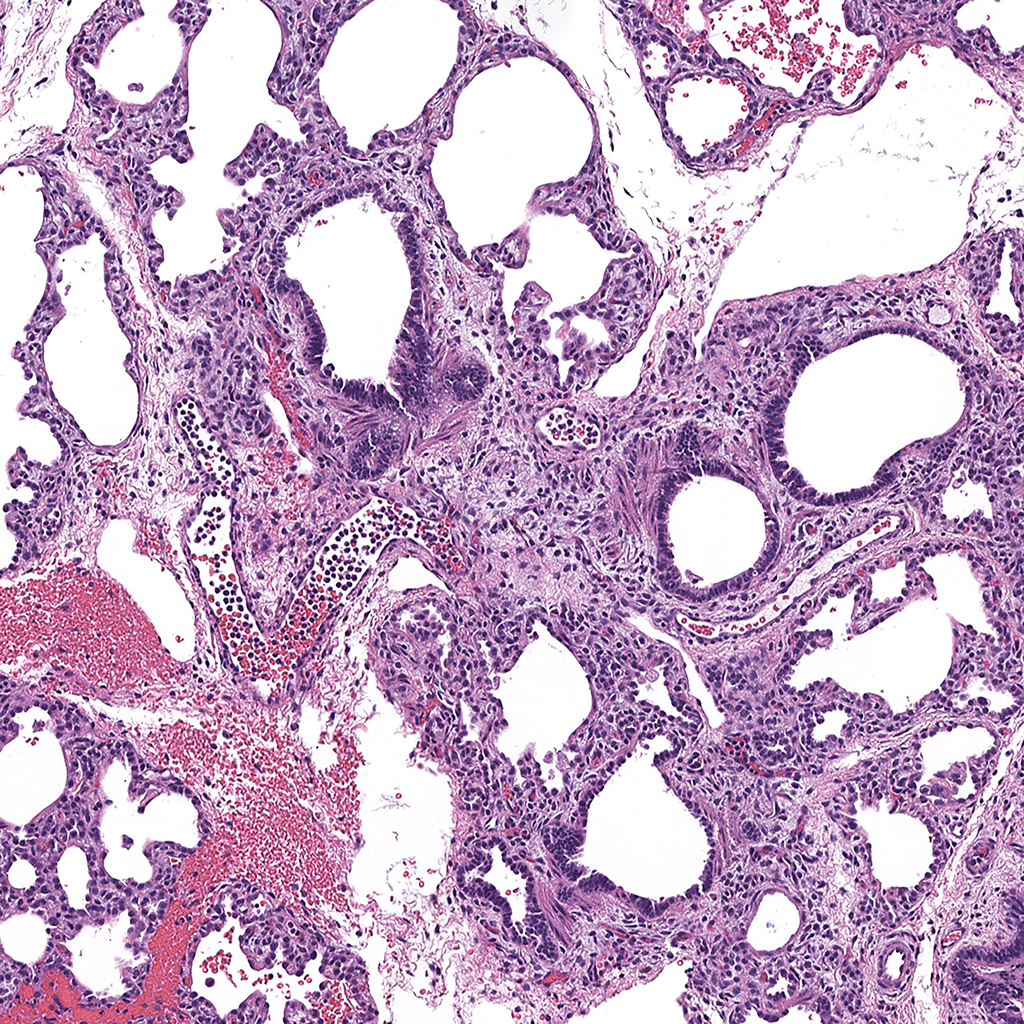
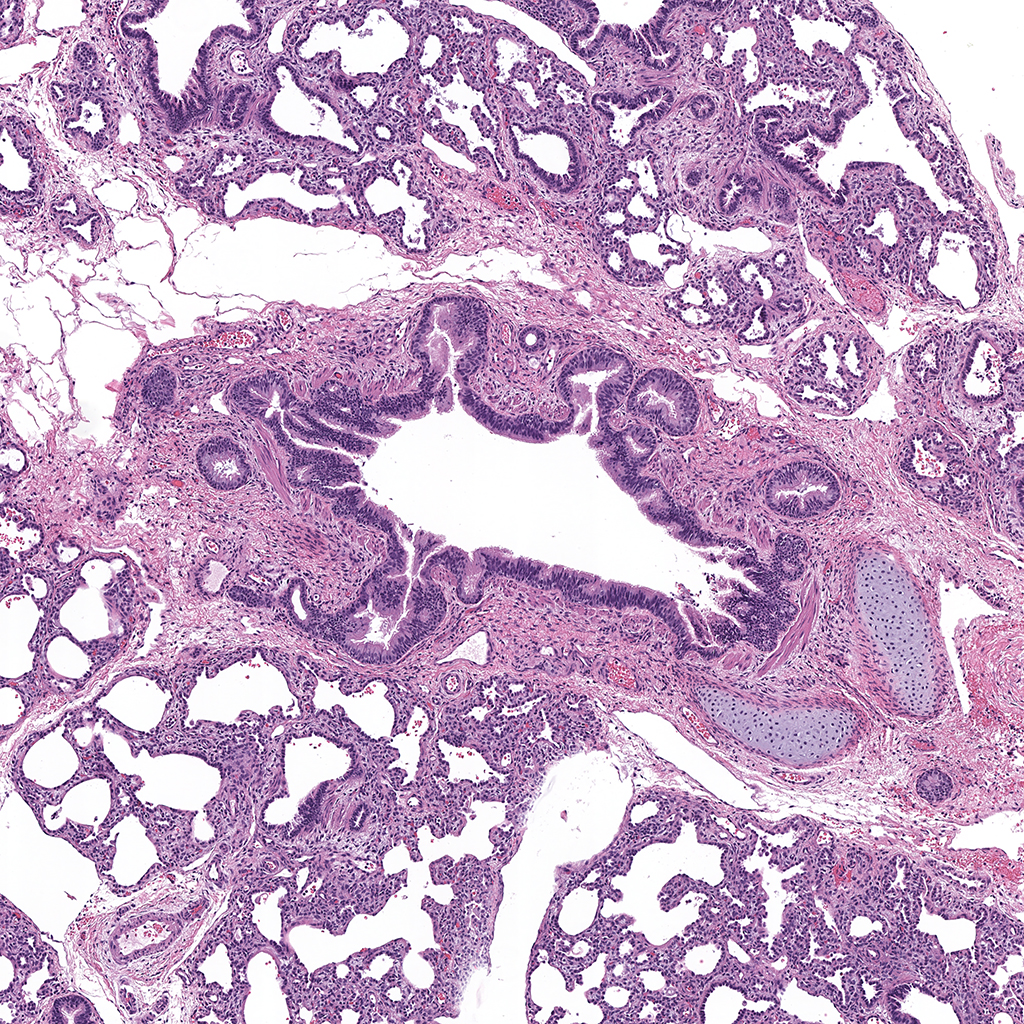
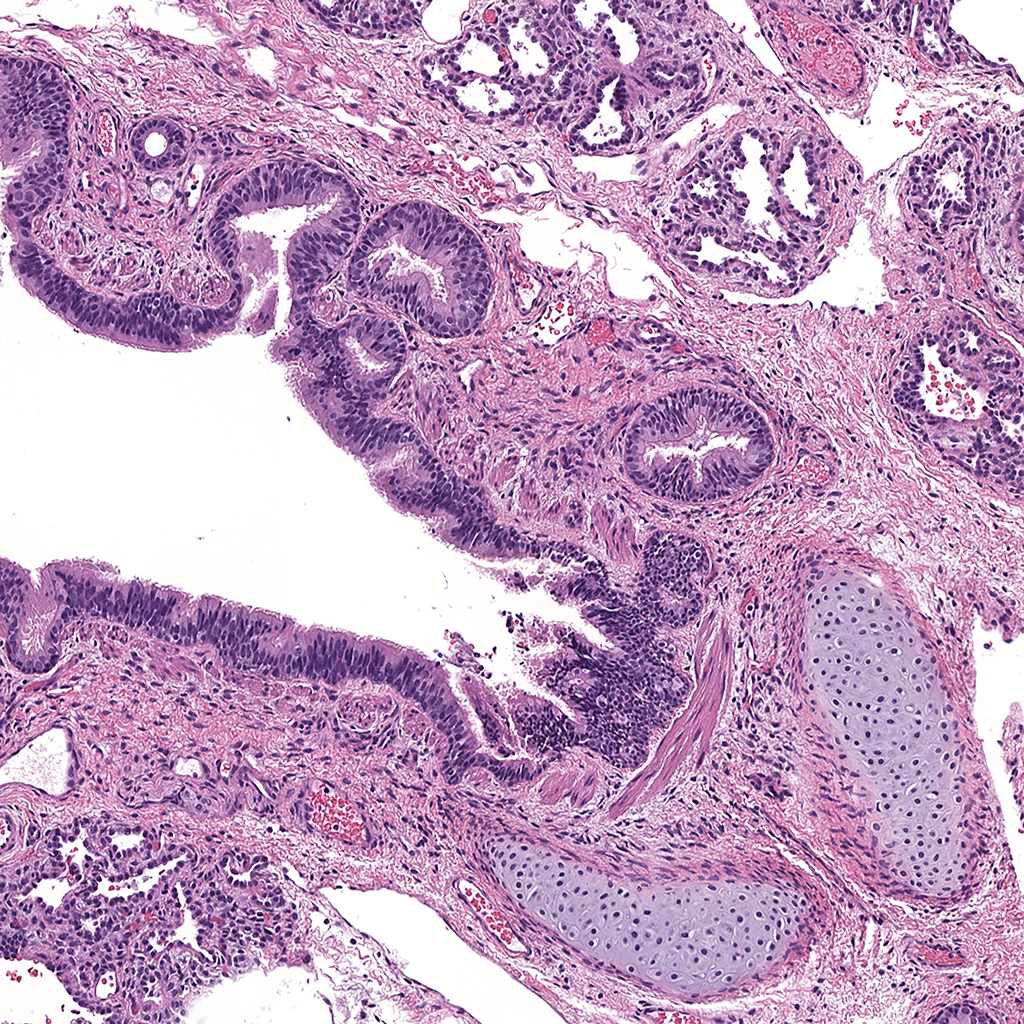
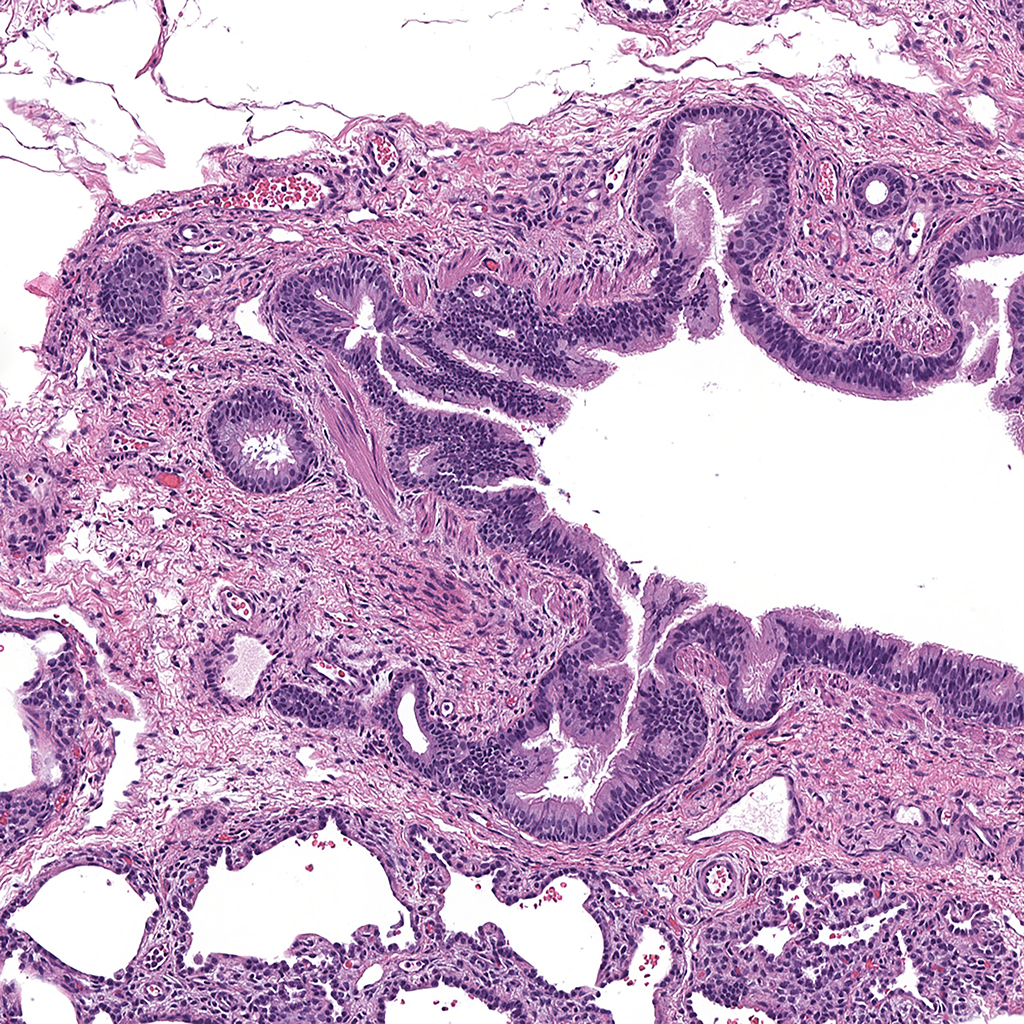
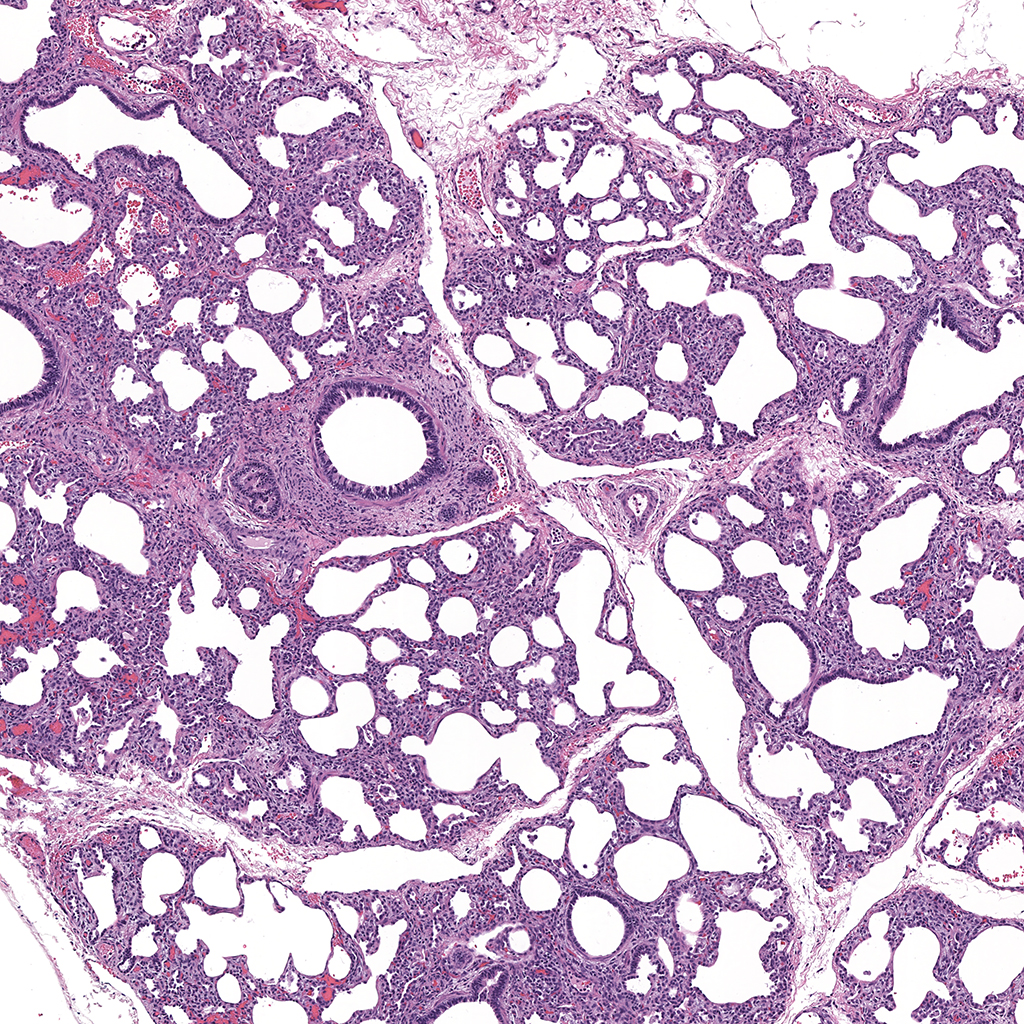
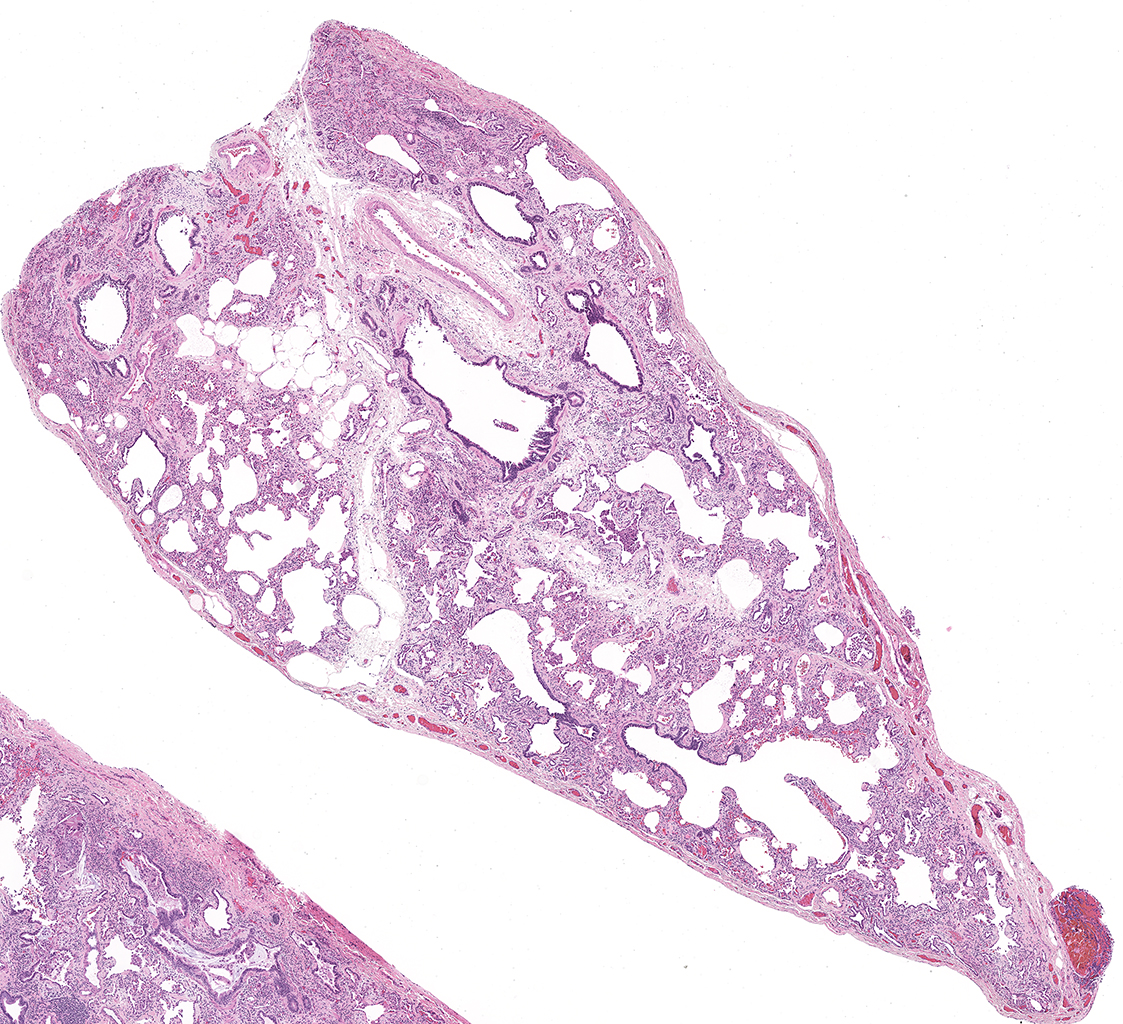
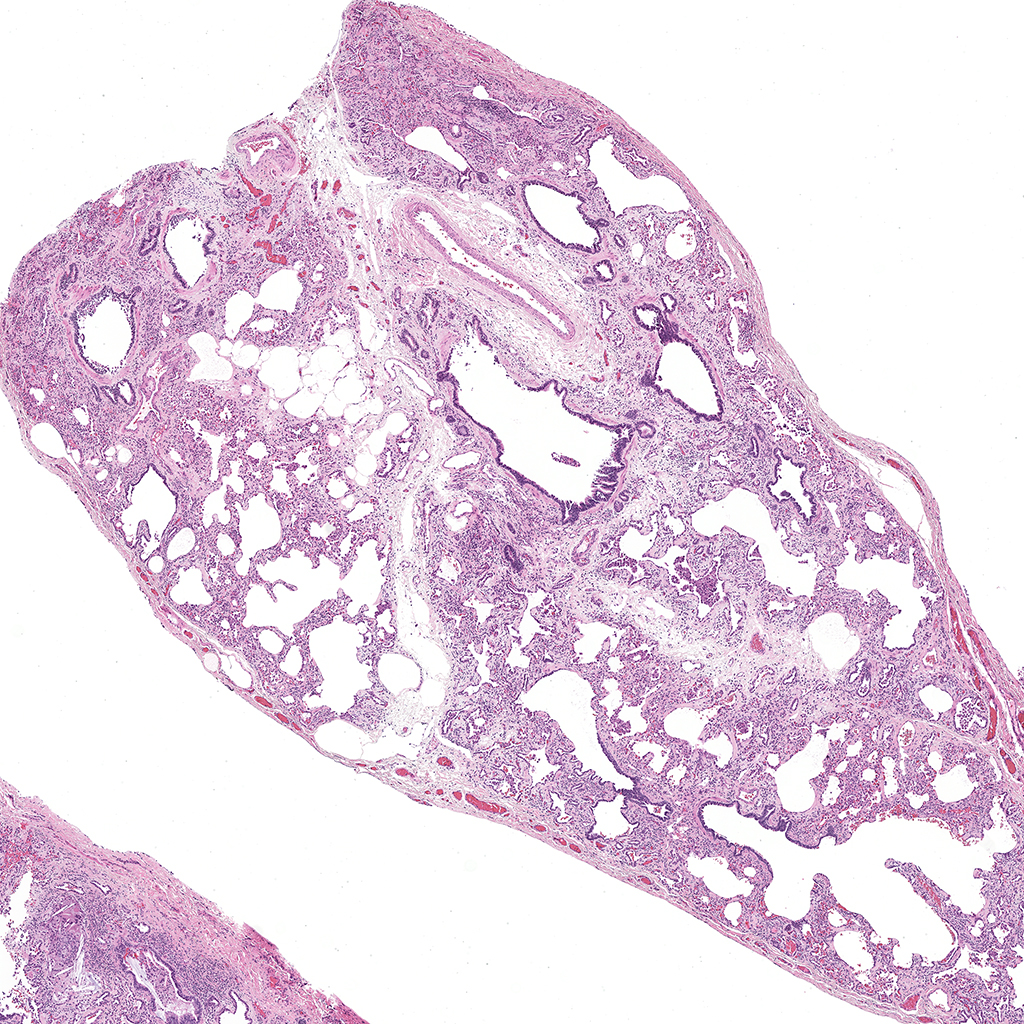
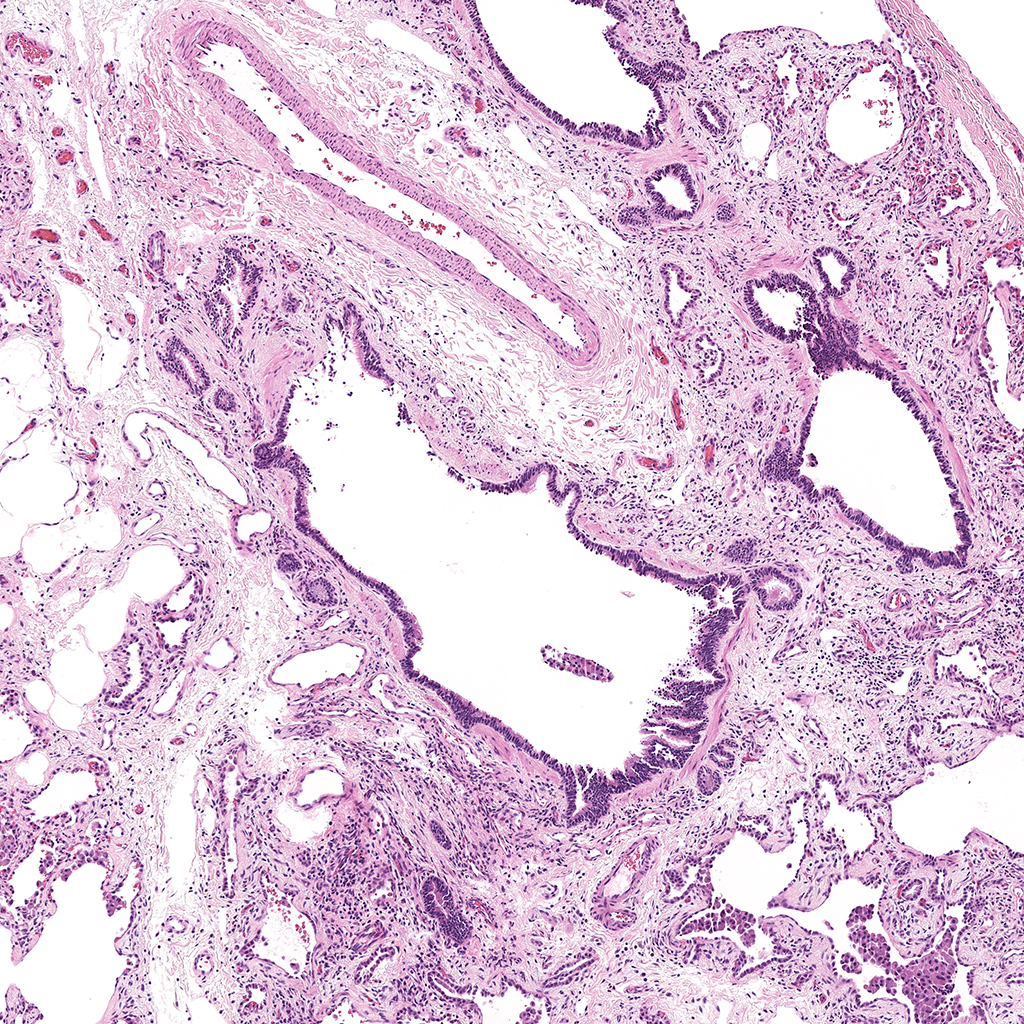
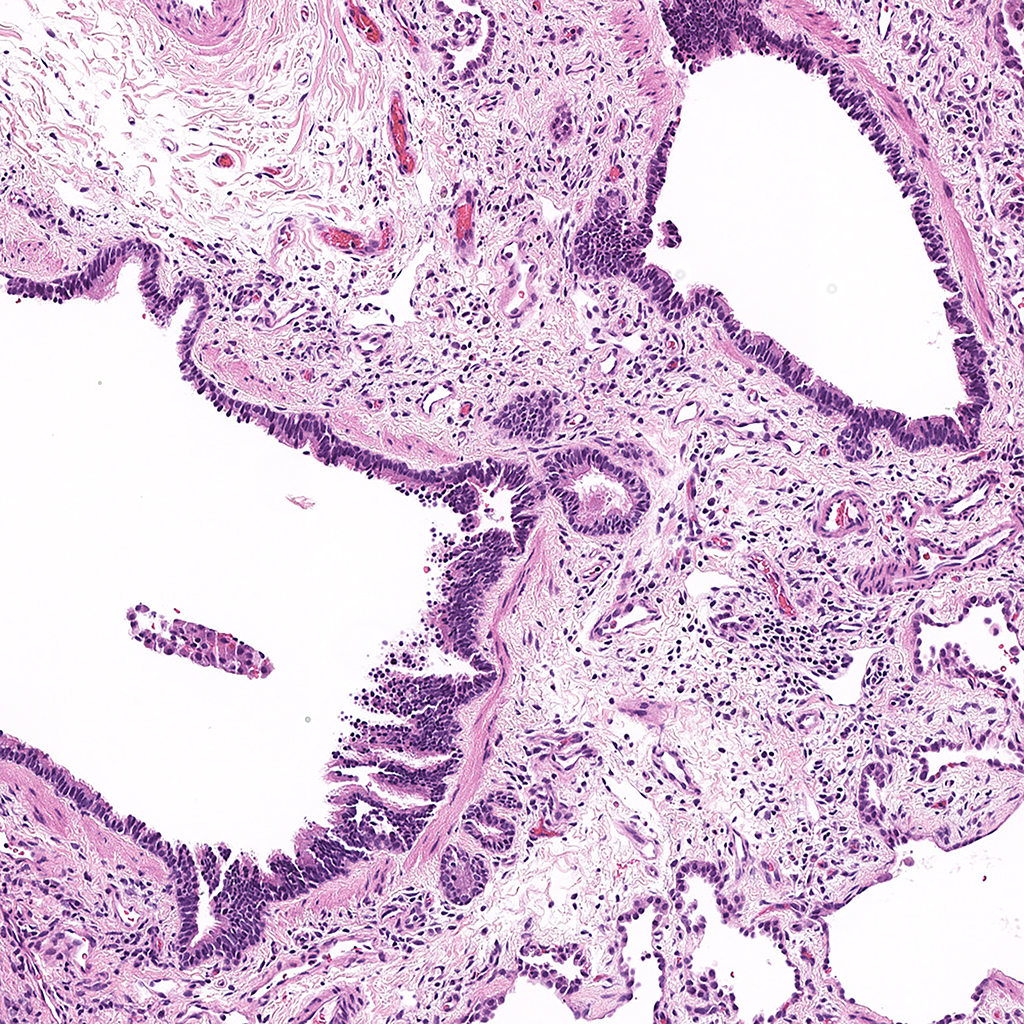
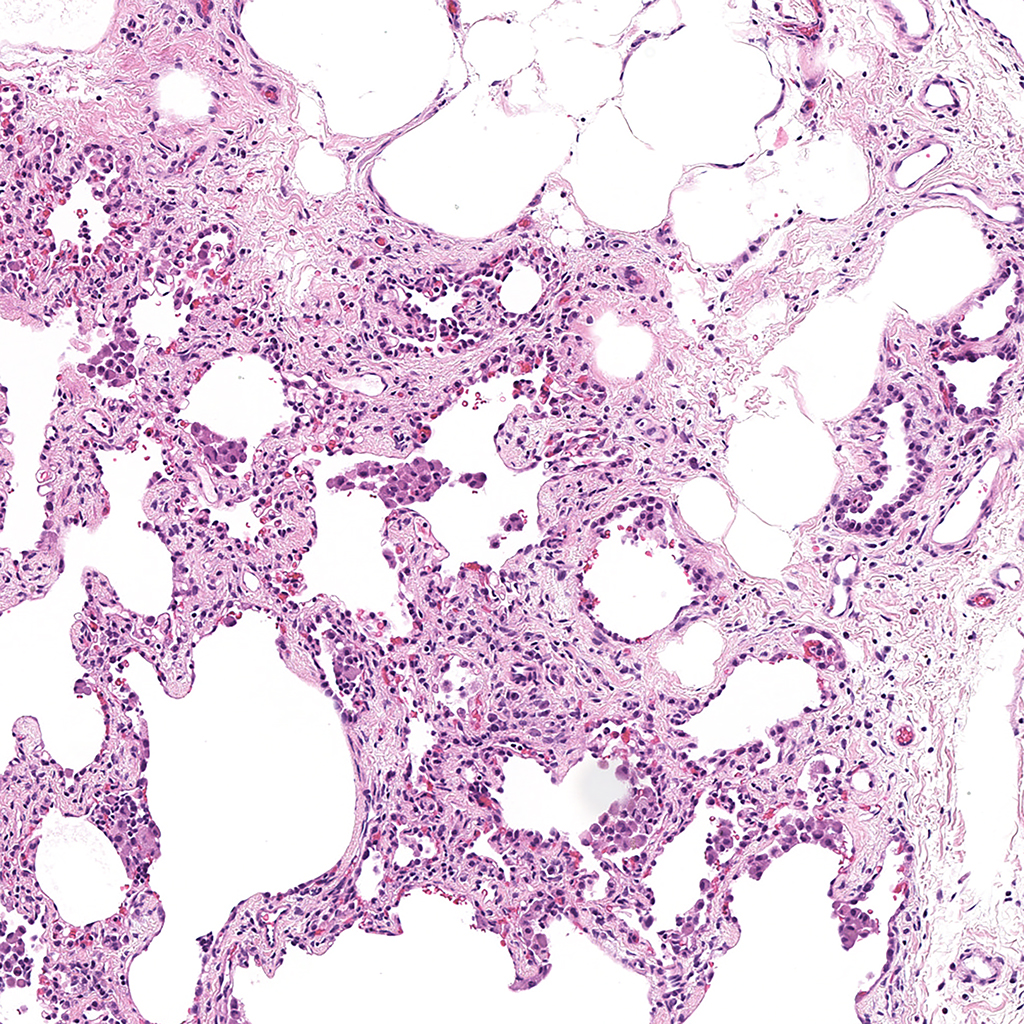
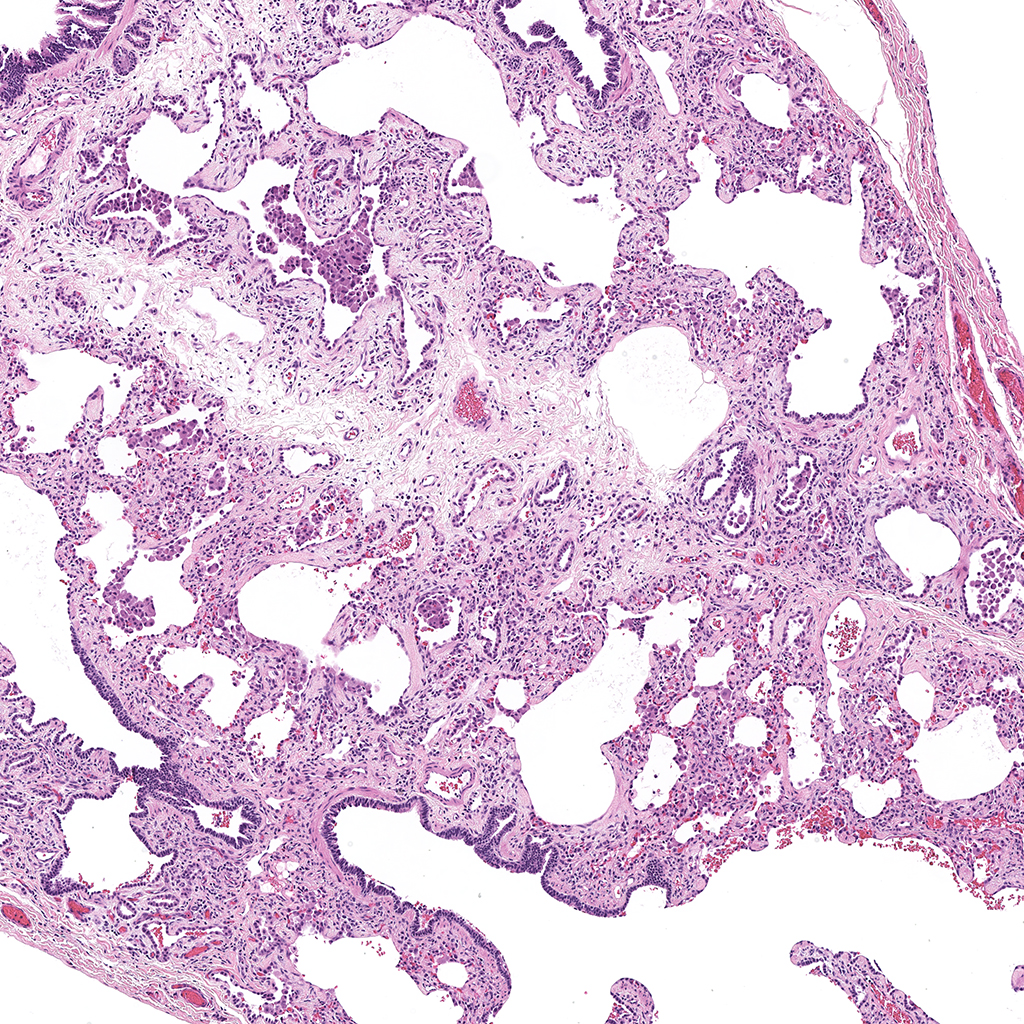
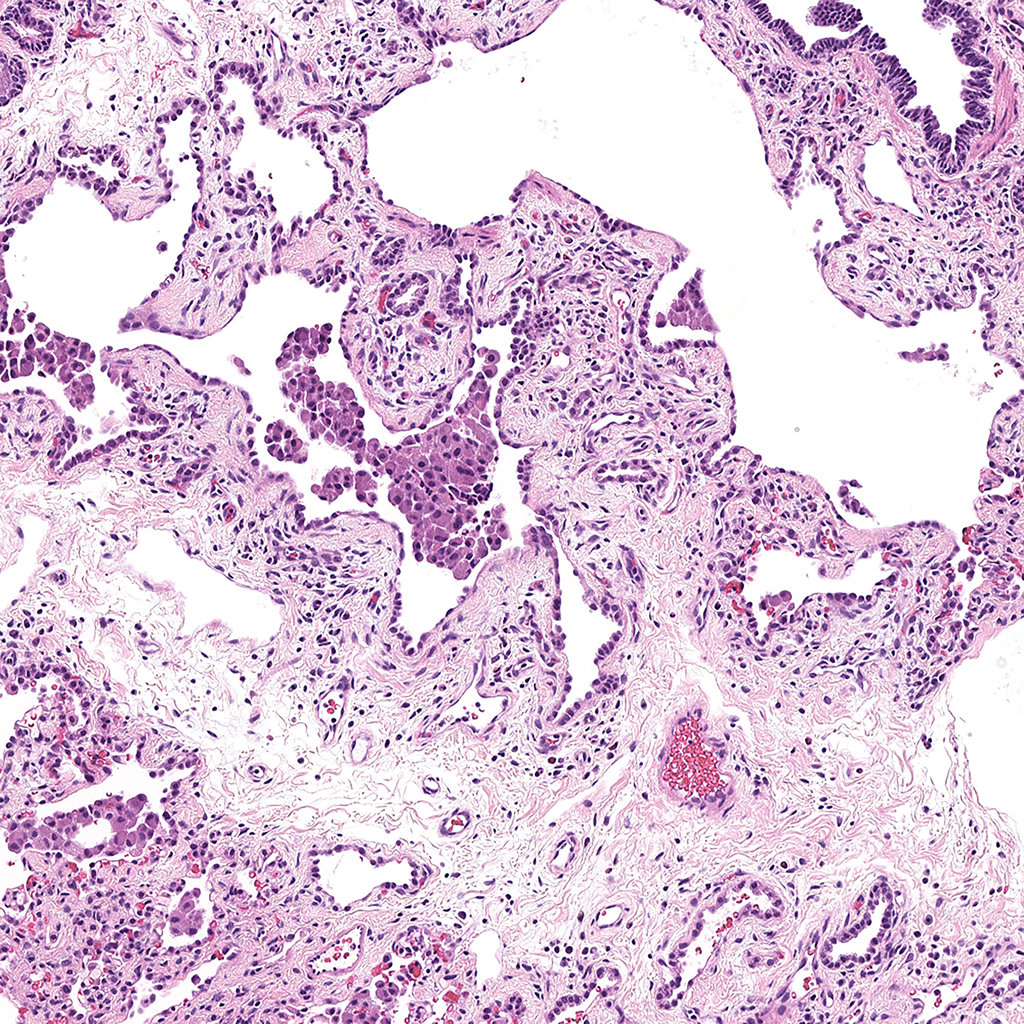
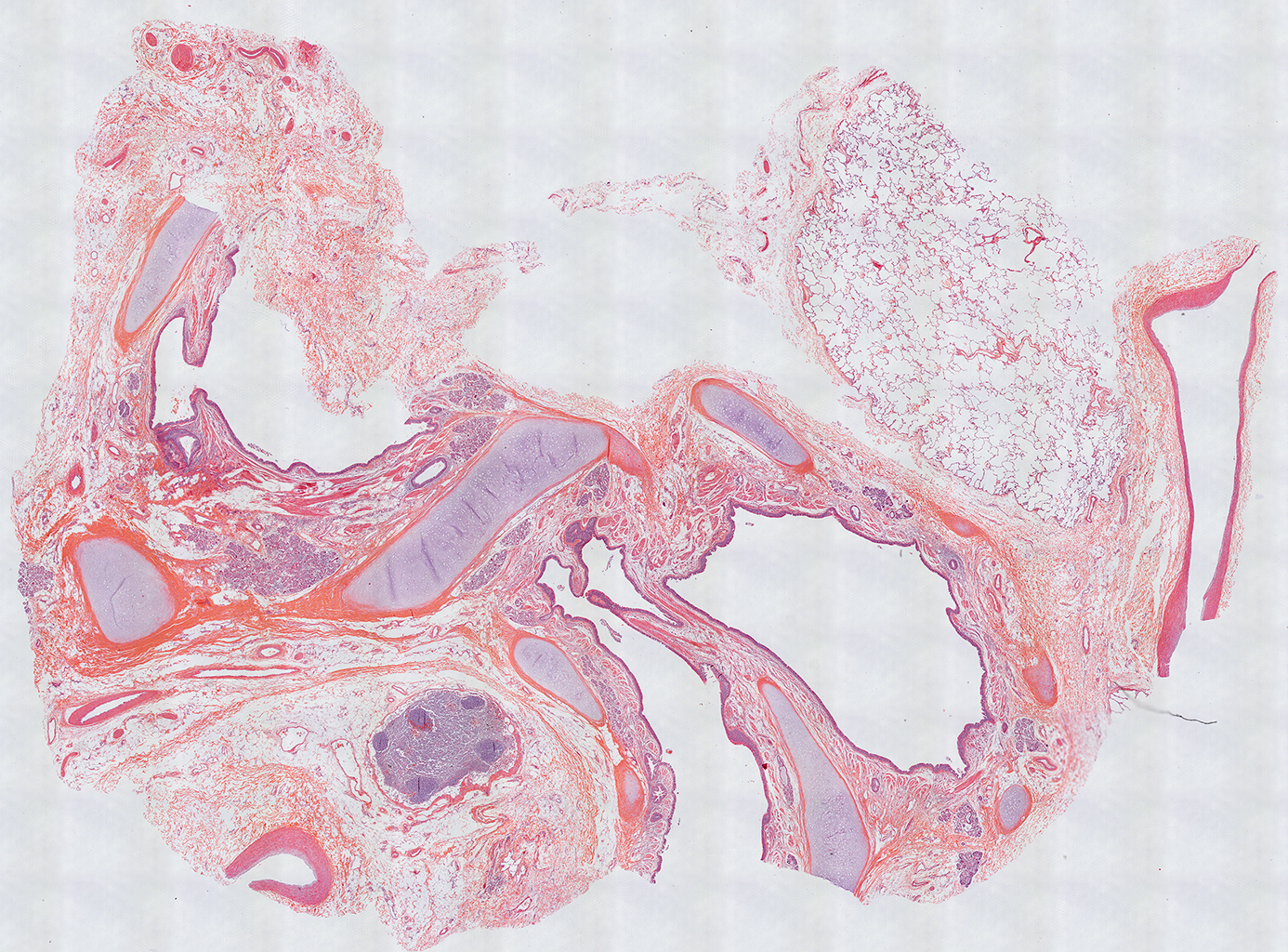
H&E Staining of 24 Year-Old Human Donor D071-23C2.20
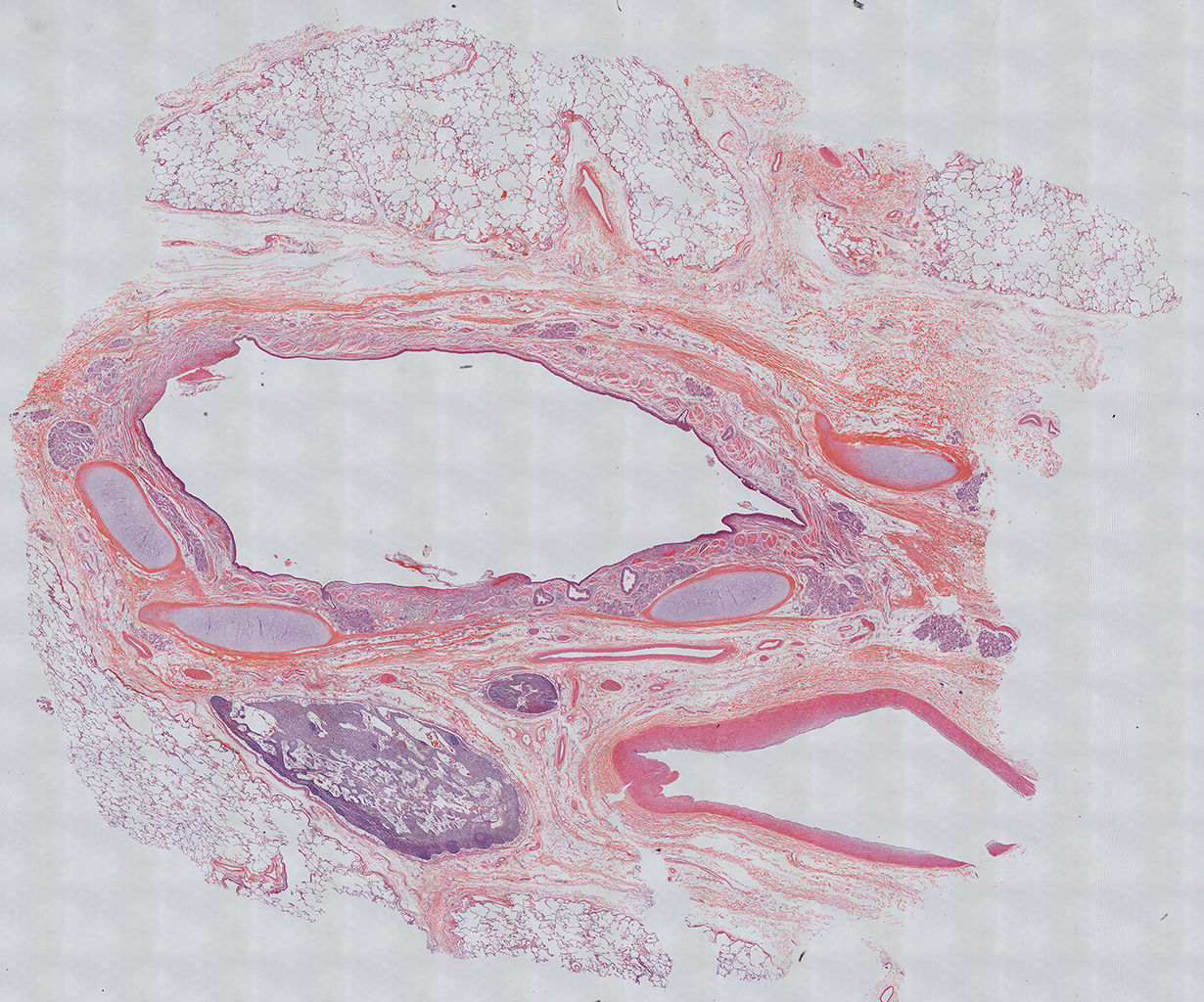
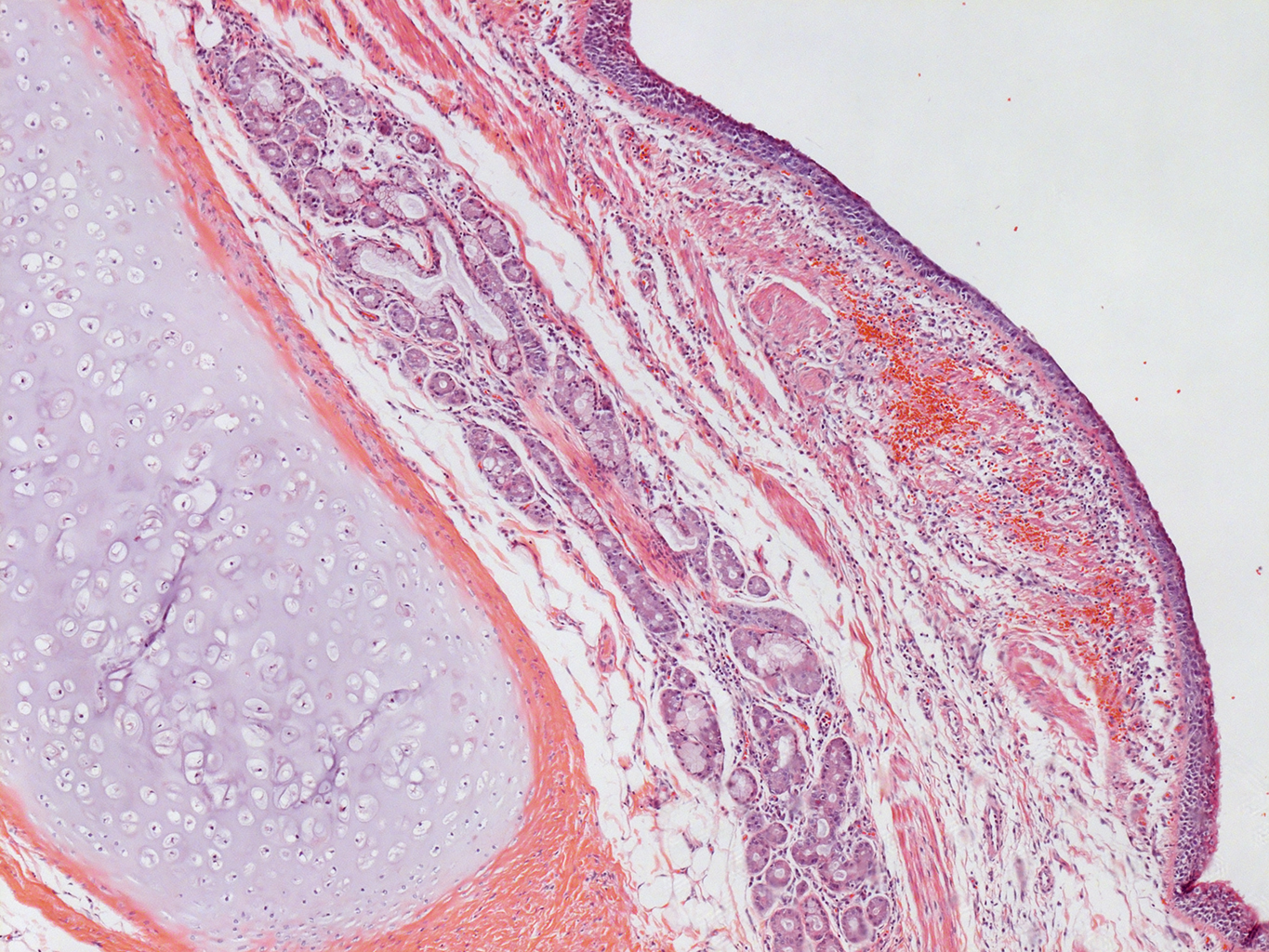
H&E Staining of 24 Year-Old Human Donor D071-23C2.20
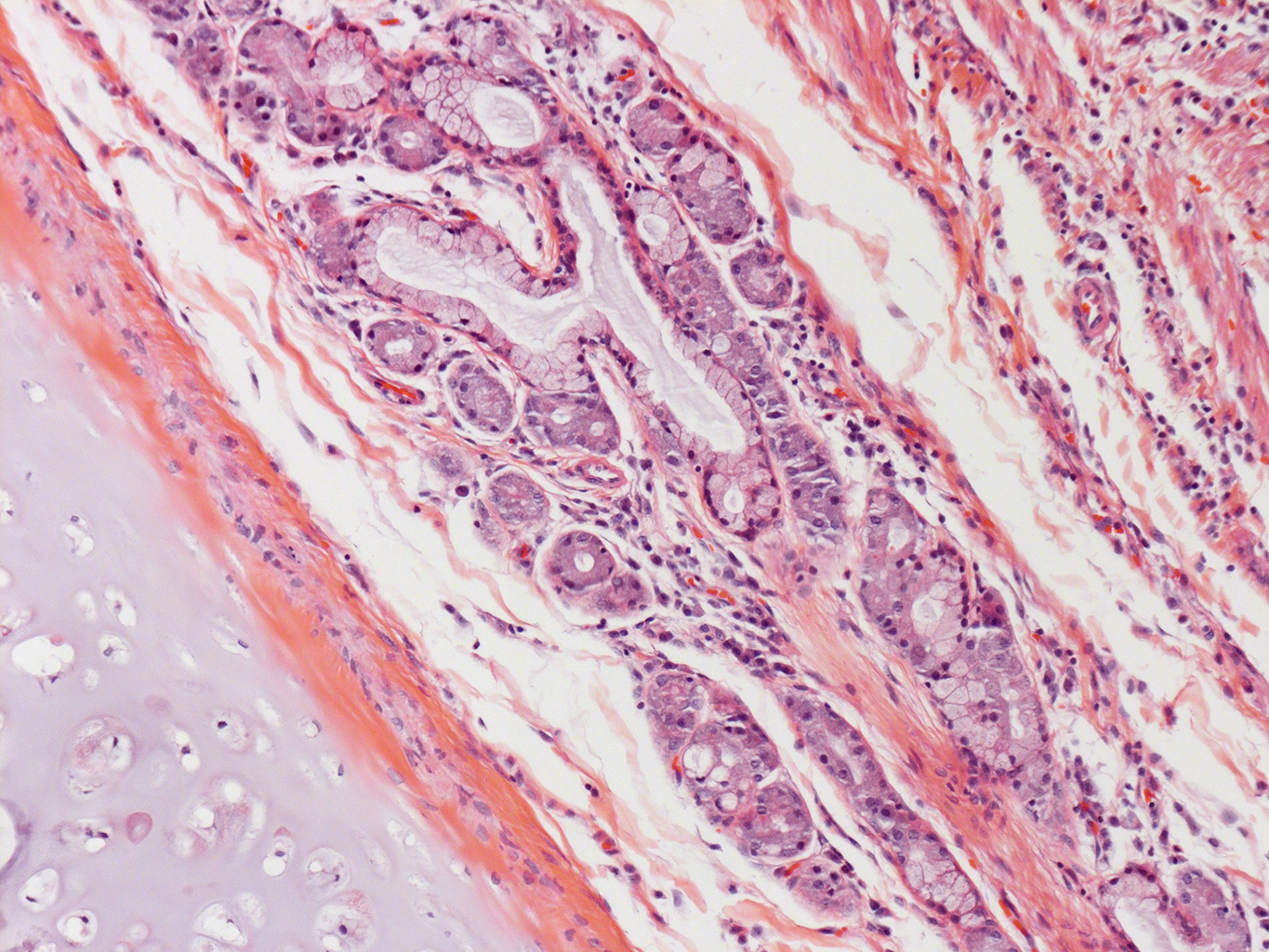
Donor Tissue Kindly Provided by Dr. Gloria Pryhuber from the University of Rochester Medical Center

Pryhuber_Lab

  1. Paraffin sections were placed at 60oC overnight to melt paraffin.
  2. Paraffin sections were then placed in xylene (Xylenes Reagent Grade ACS Histology/Lab Grade Cat # 399000000 Pharma-AAPER) 3X for 10 minutes each.
  3. Rinsed slides in a series of 100% ETOH washes. 20 dips for the first wash, 3 minutes for the second wash, and 20 dips for the third wash.
  4. Rinsed slides in a series of 95% ETOH washes. 20 dips for the first wash, 3 minutes for the second wash, and 20 dips for the third wash.
  5. Rinsed slides in 70% ETOH for 3 min.
  6. Rinsed slides for 3 minutes in running dH2O.
  7. Slides were then stained in filtered Hematoxylin for 60 seconds. (Gold Standard Harris Hemotoxylin, Acidified, Mercury; Cat # 24245 Polysciences Inc,).
  8. Rinsed slides in tap water until water turned cleared then rinsed in dH2O
  9. Rinsed slides in Lithium Carbonate: 20 dips. (Lithium Carbonate ACS Grade; Cat # 255823-500G Sigma Aldrich). Lithium carbonate is prepared by over-saturating in dH2O.
  10. Rinsed slides in dH2O 3X 20 dips.
  11. Rinsed slides in 70% ETOH for 20 dips.
  12. Rinsed slides in 80% ETOH for 20 dips.
  13. Stained slides in Eosin for 15 seconds. (Eosin Y 0.5% Alcohol Solution, Cat # 09859 Polysciences Inc,).
  14. Rinsed slides in a series of 95% ETOH washes. 10 dips for the first and second washes, 15 dips in the third and fourth washes.
  15. Rinsed slides 3X in 100% ETOH. 10 dips for the first and second washes and 15 dips in the third and fourth washes.
  16. Rinsed slides in 2X in Xylene, followed by 6 more washes in xylene.
  17. Coverslip with Permount. (Permount Toulene Solution UN 1294, Cat # SP-15-500 Fisher Scientific).


Tissue Used:
LMH-18-D071-23C2.20
Gender: Male
Age: 24 Years
By |2019-10-16T14:53:28+00:00October 16th, 2019|Categories: Uncategorized|0 Comments

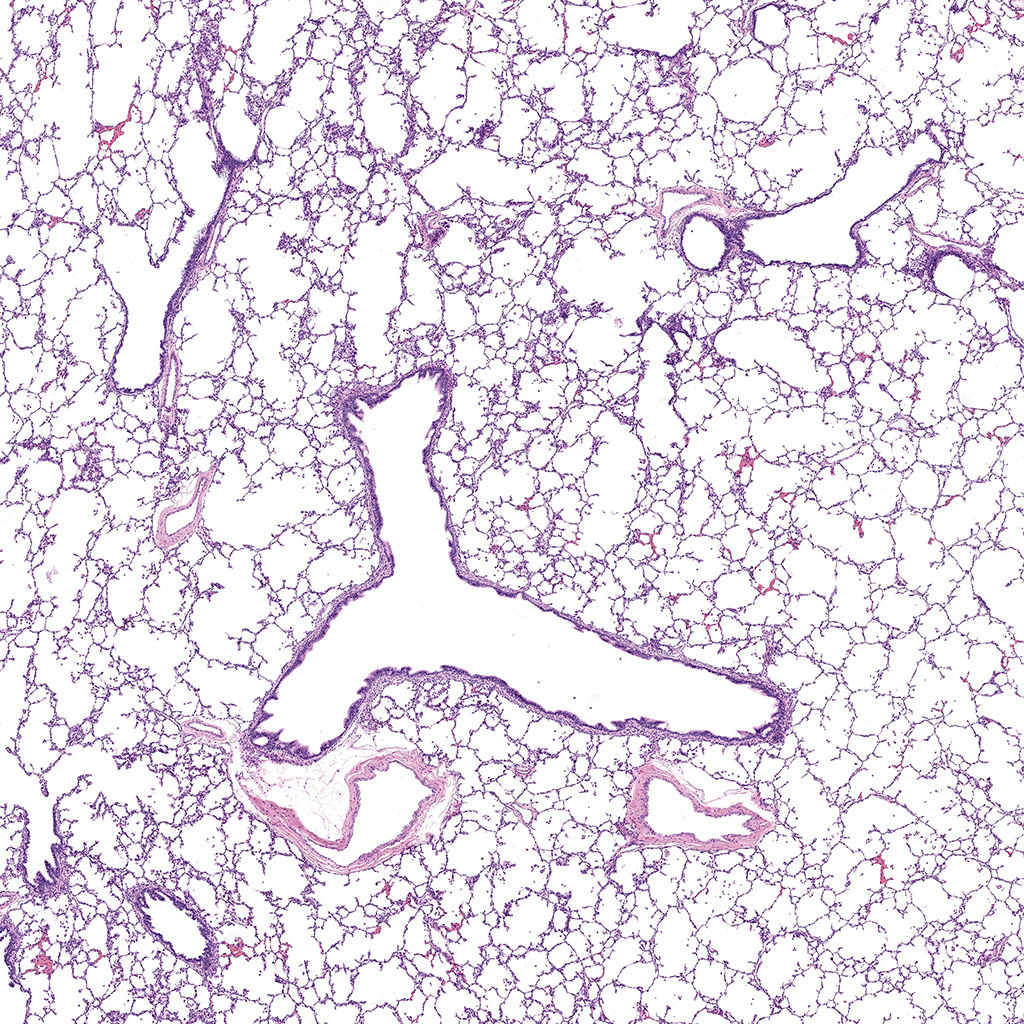
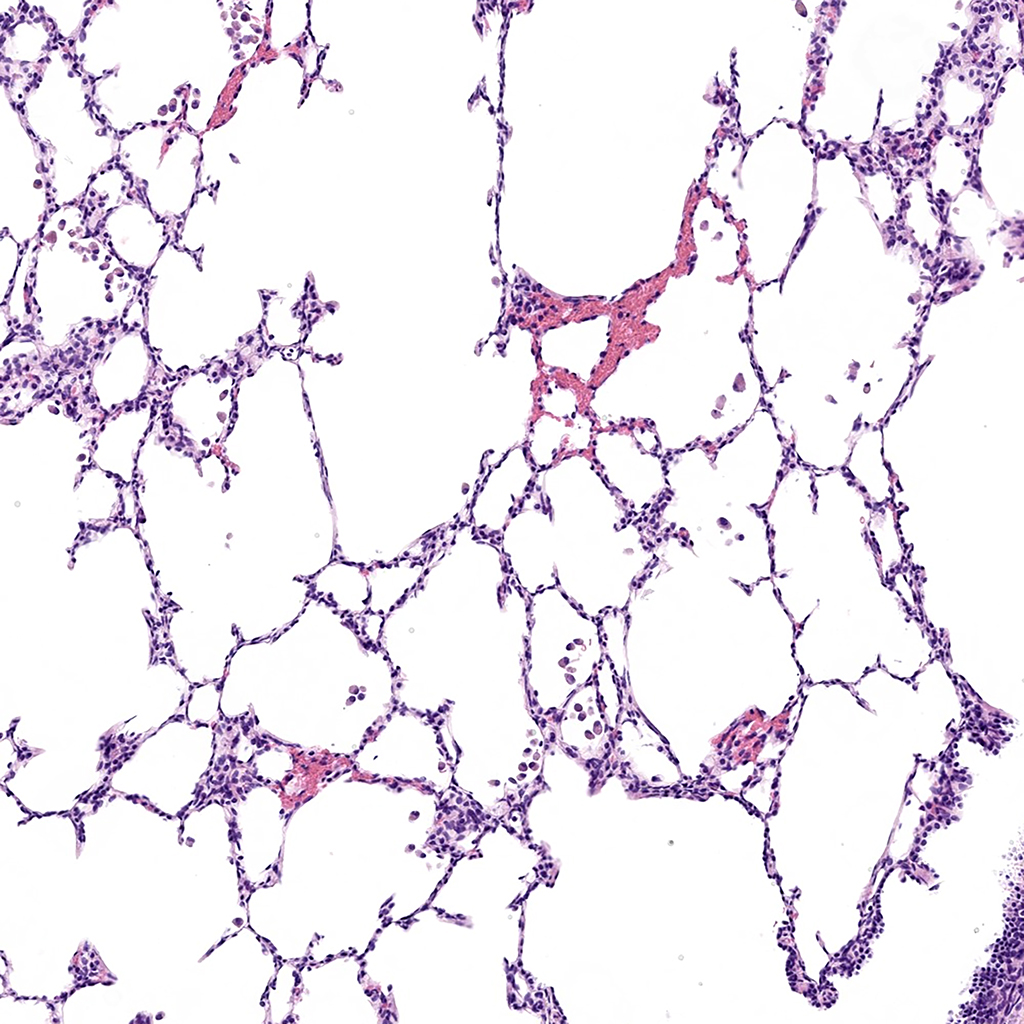
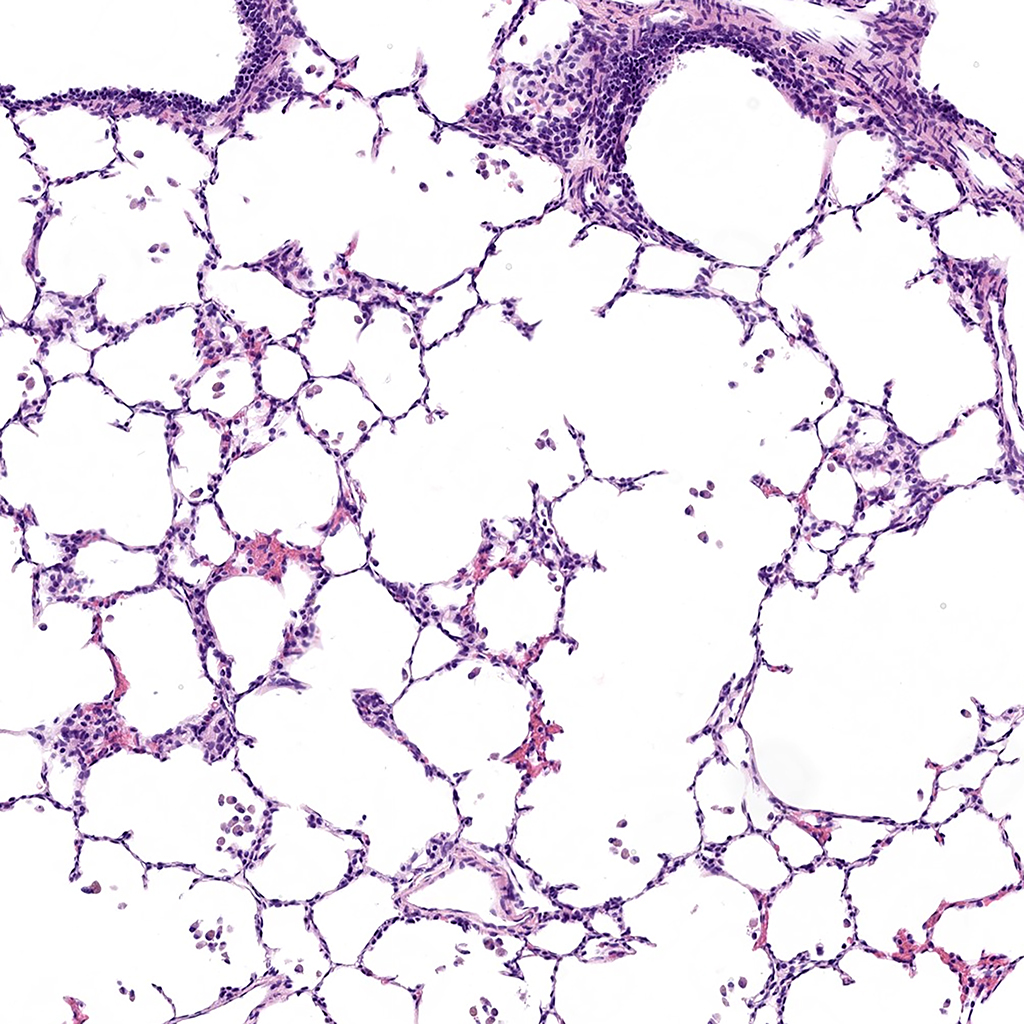
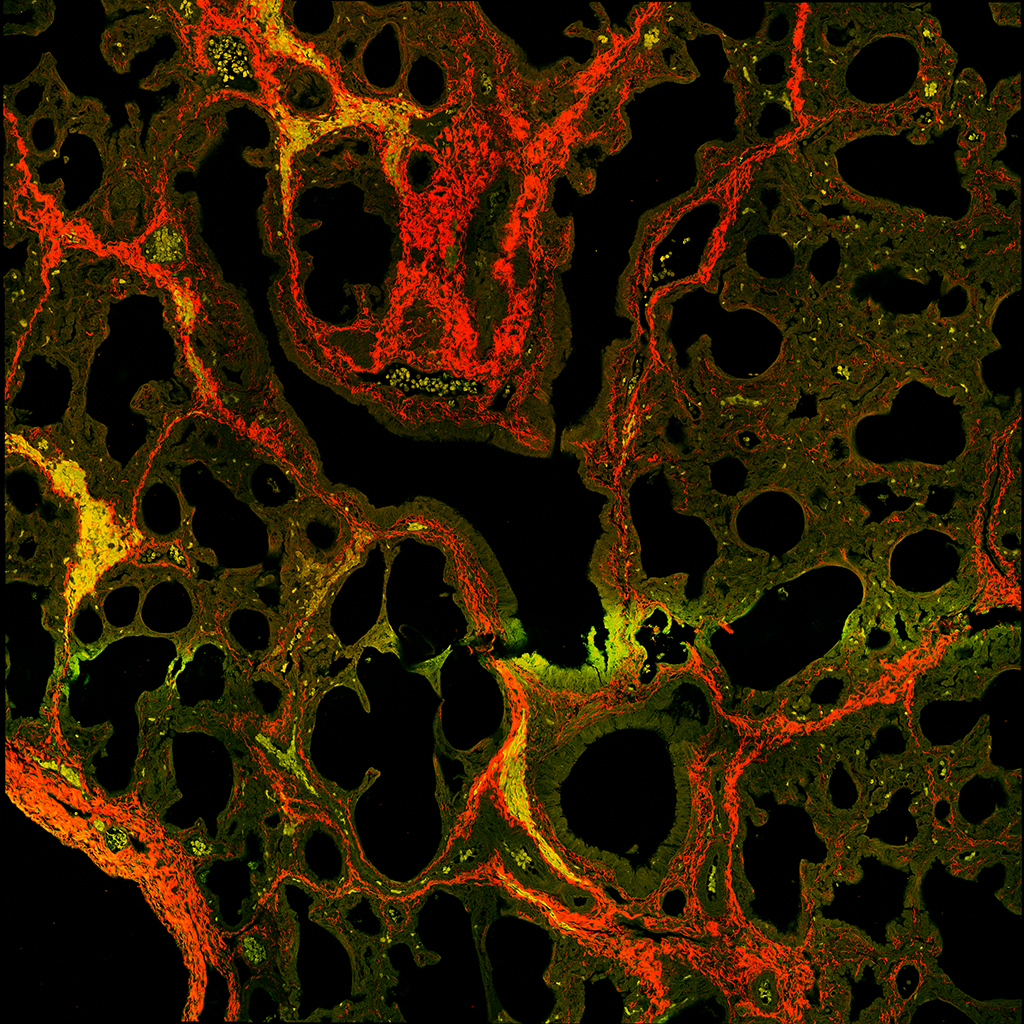
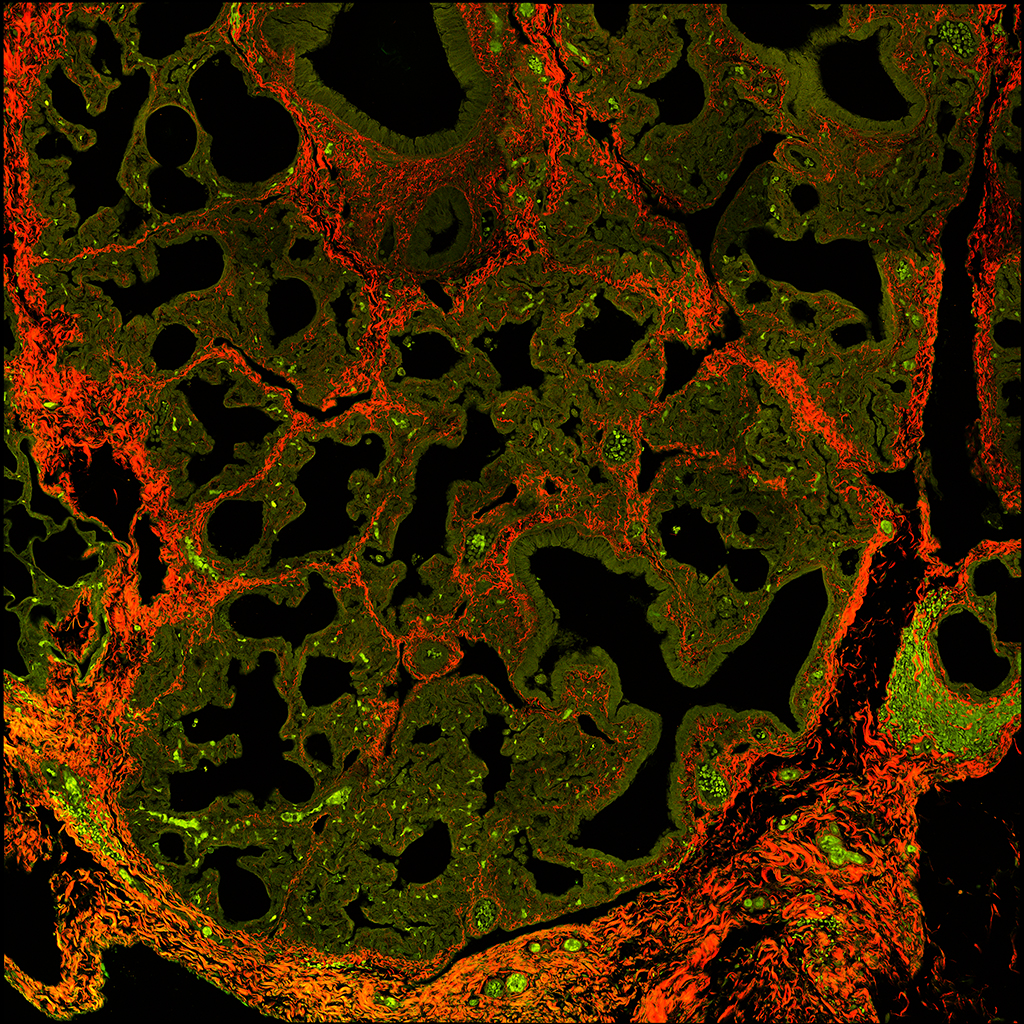
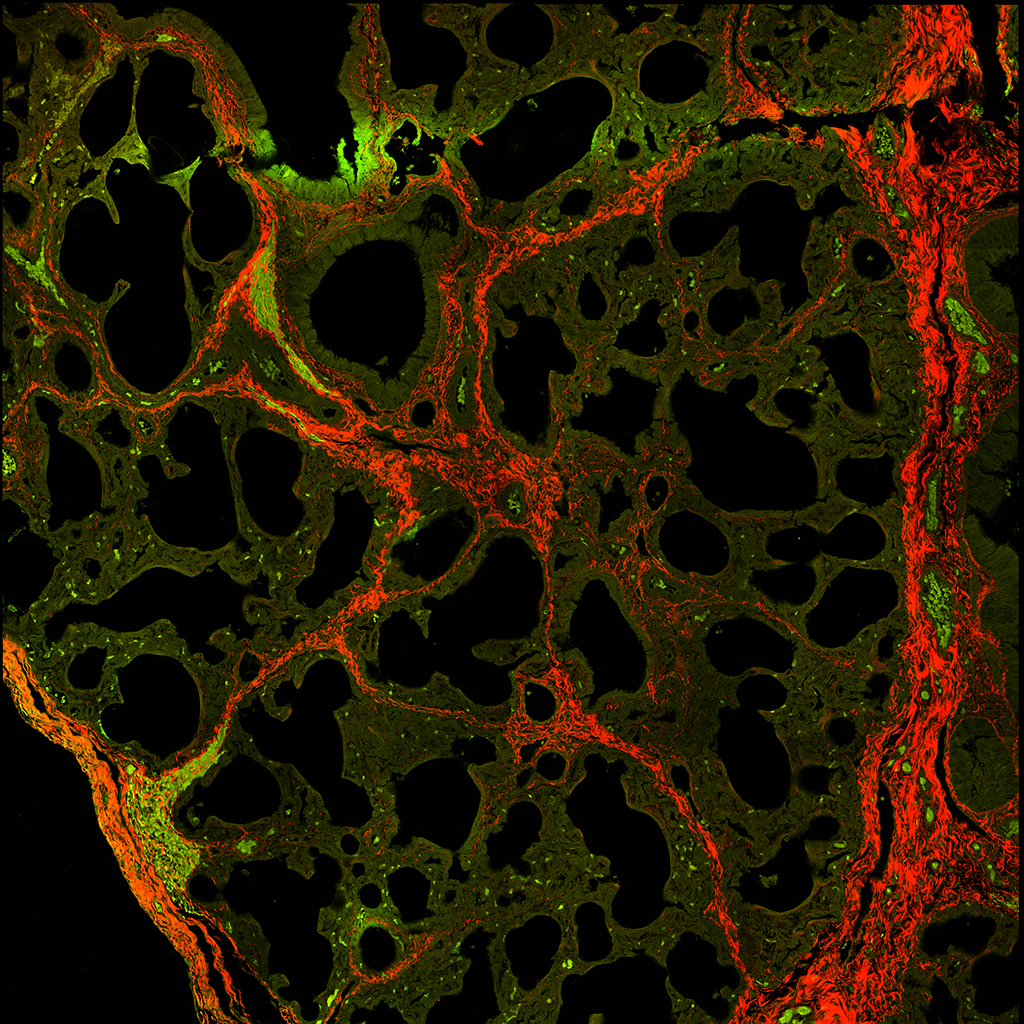
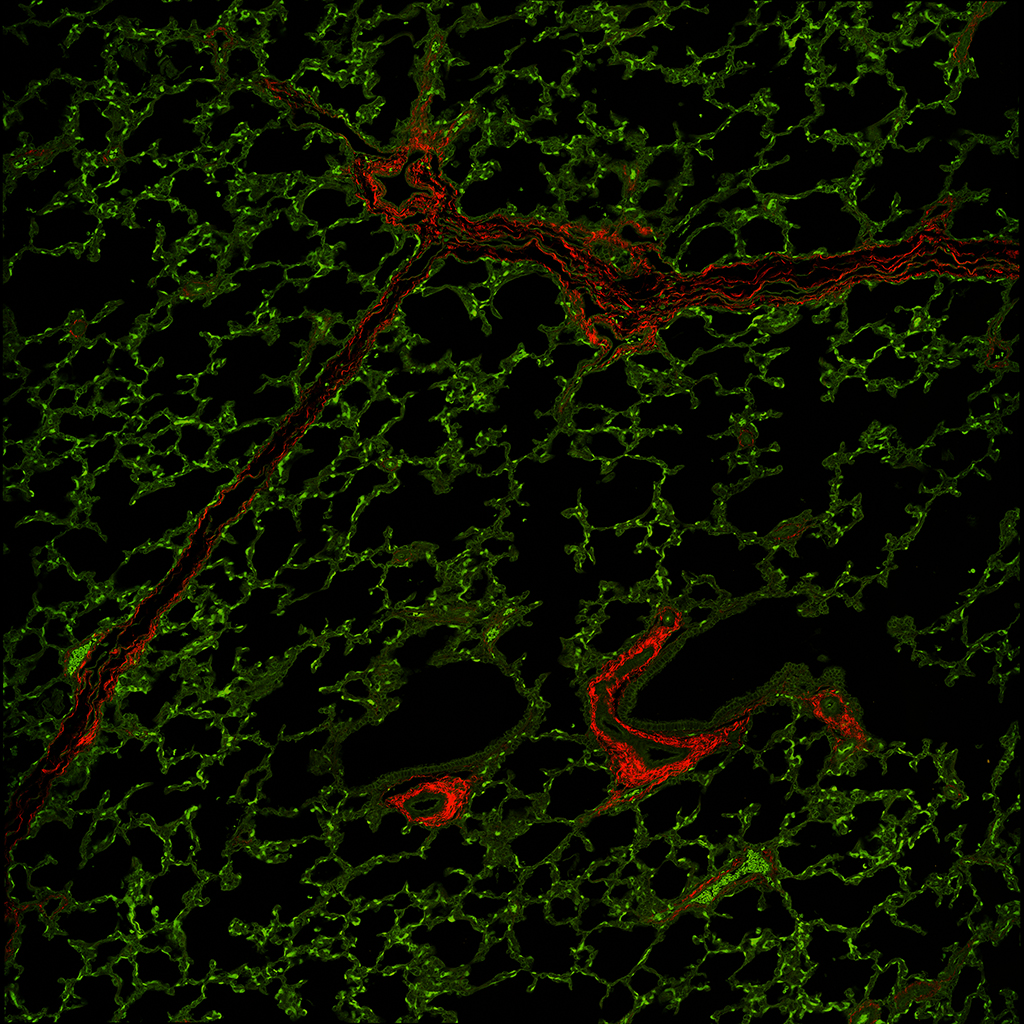
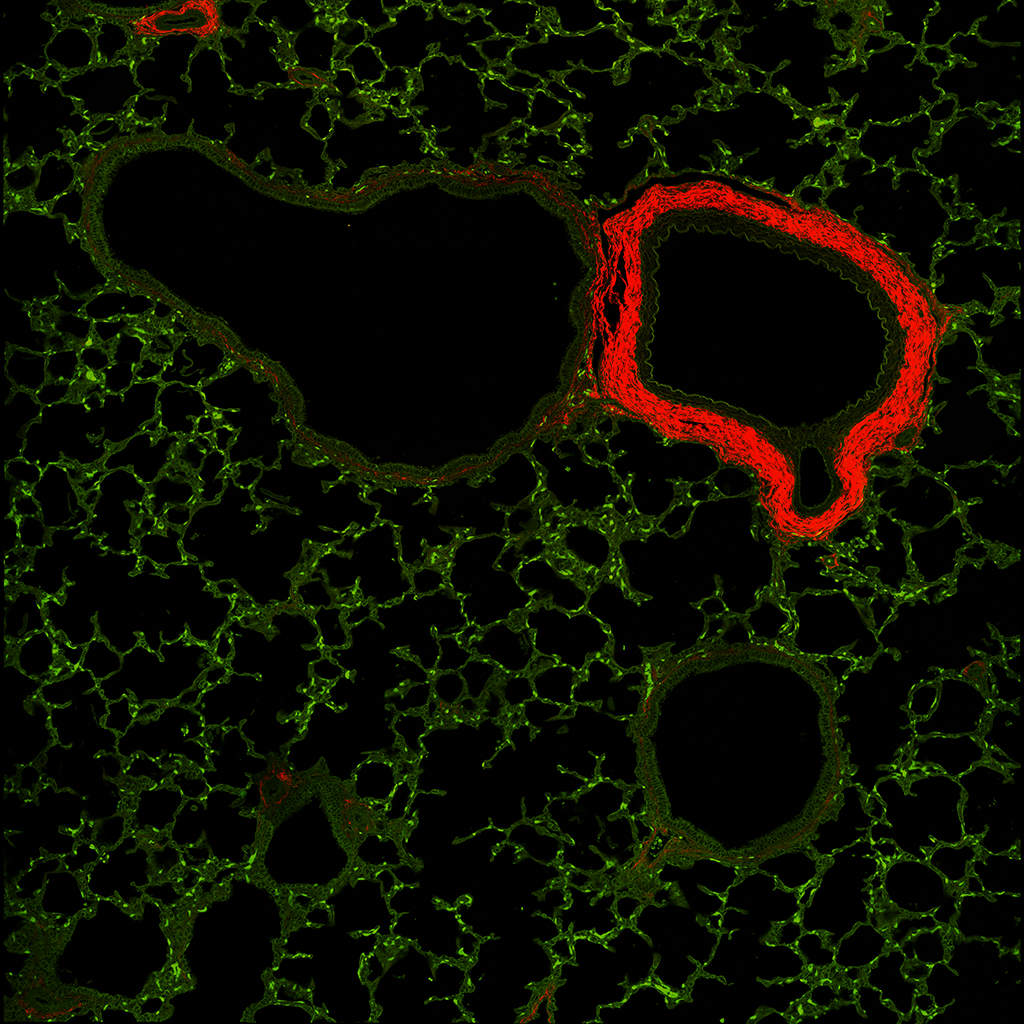
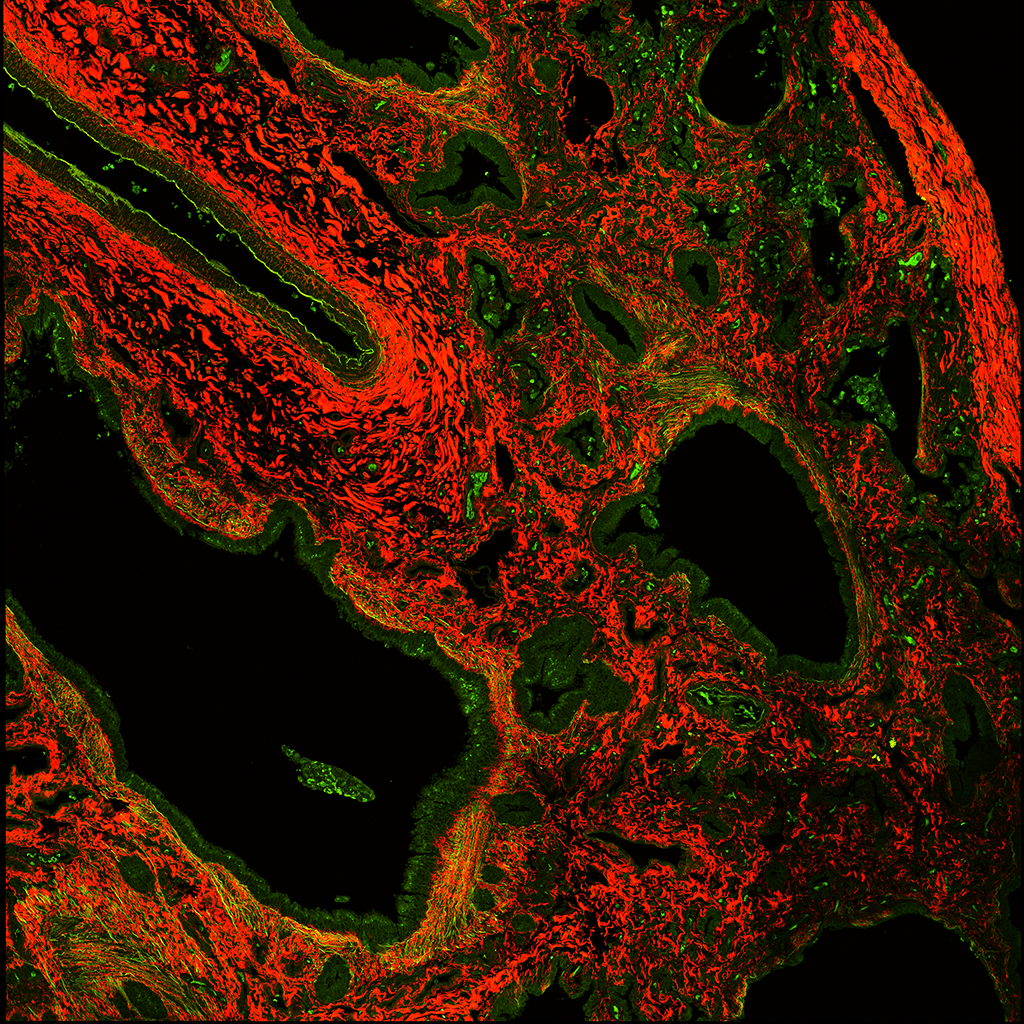
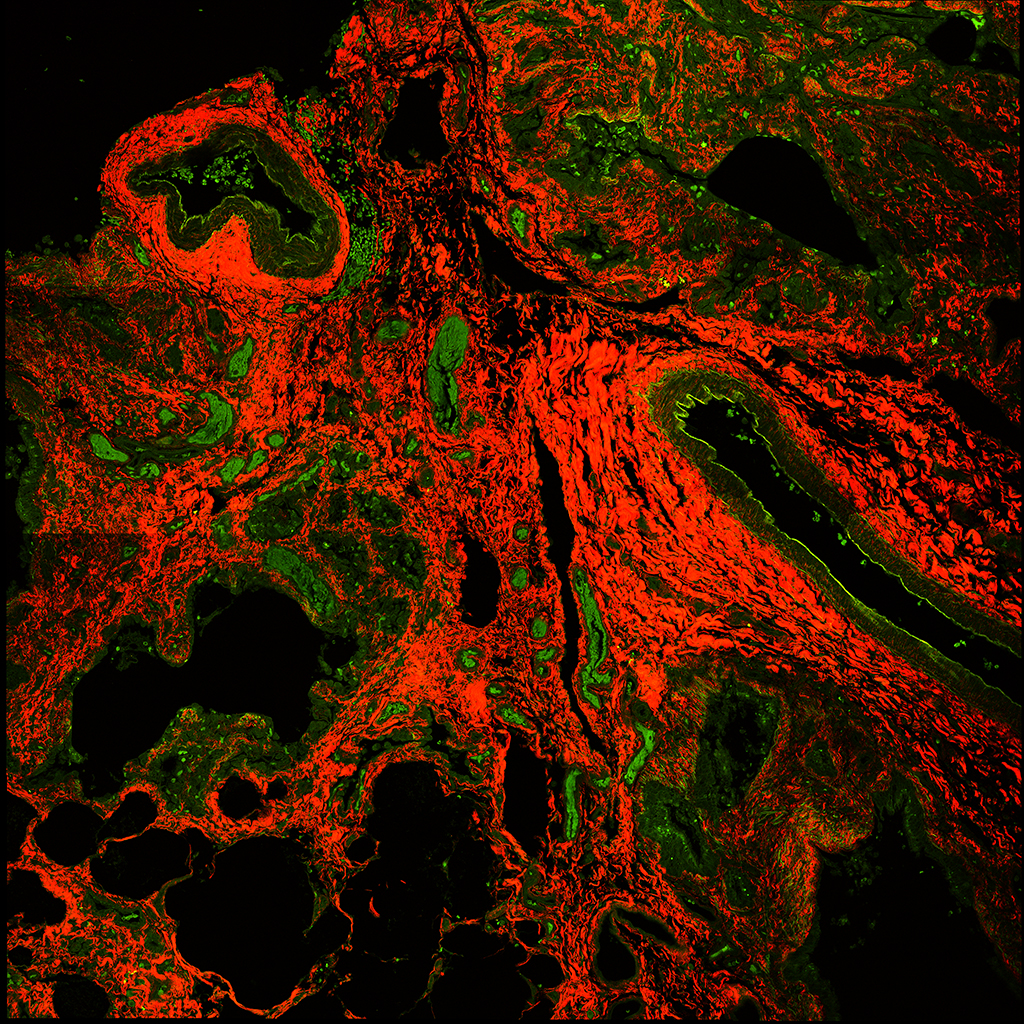
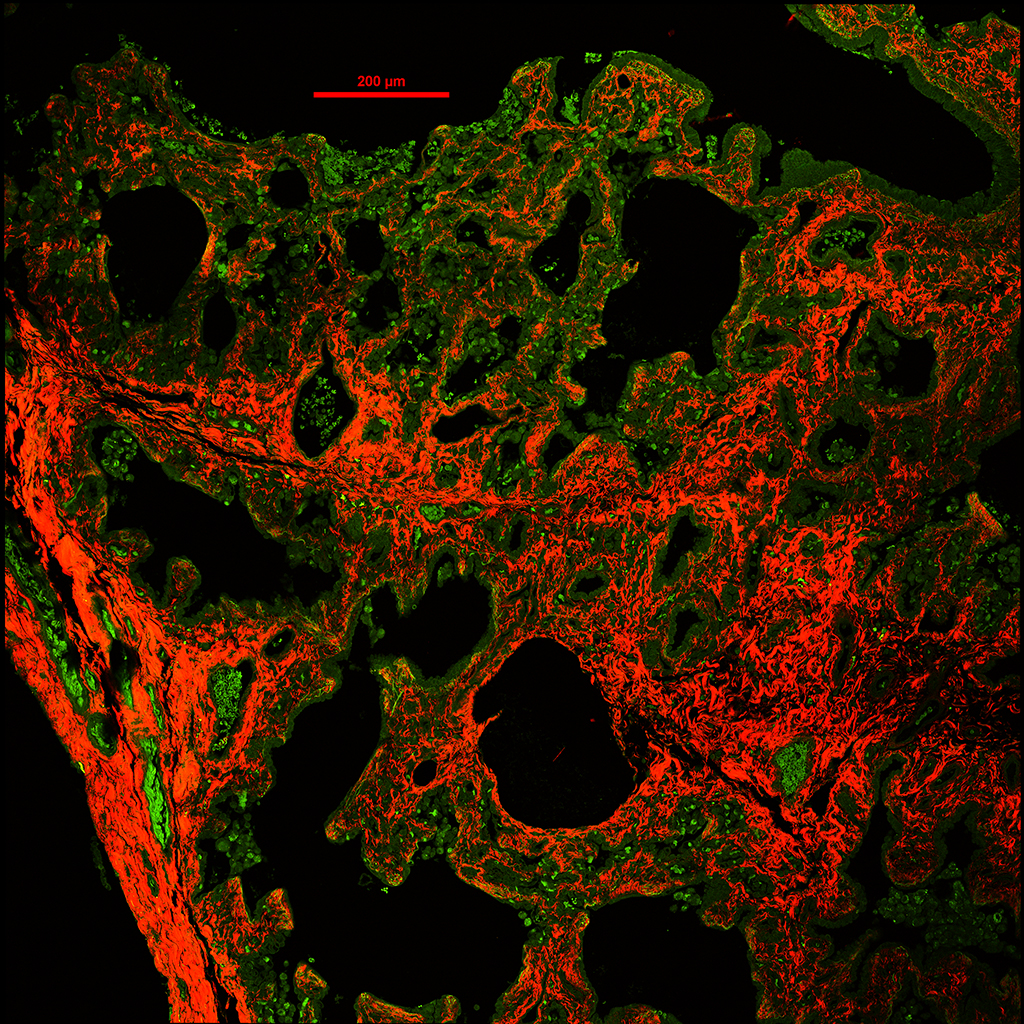
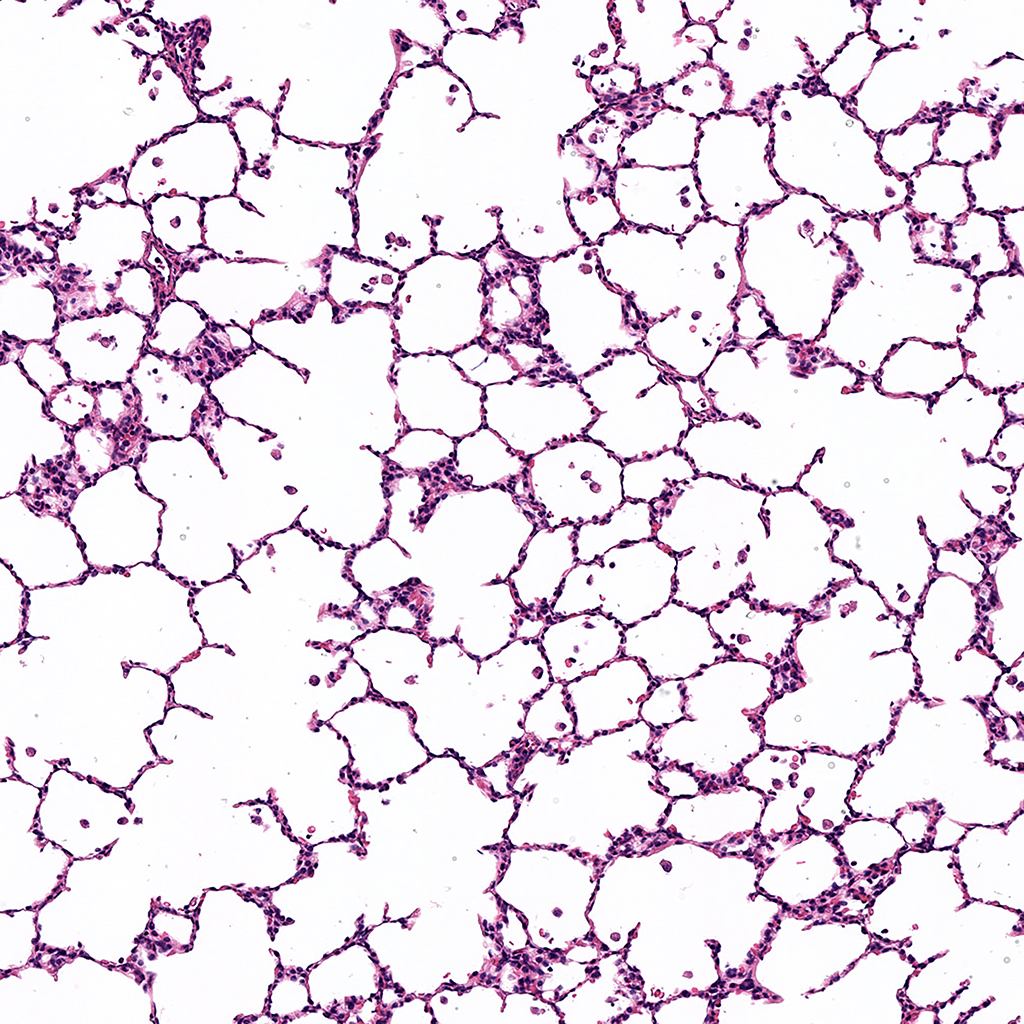
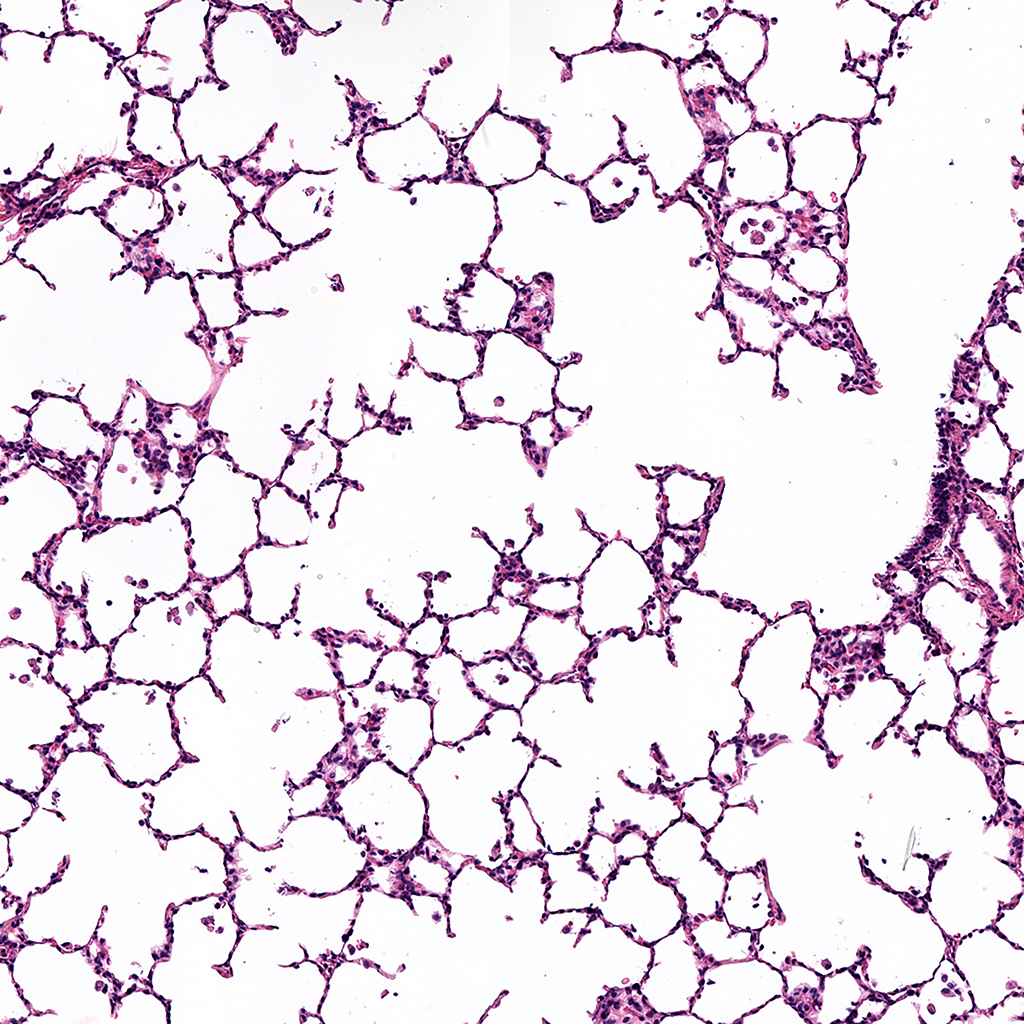
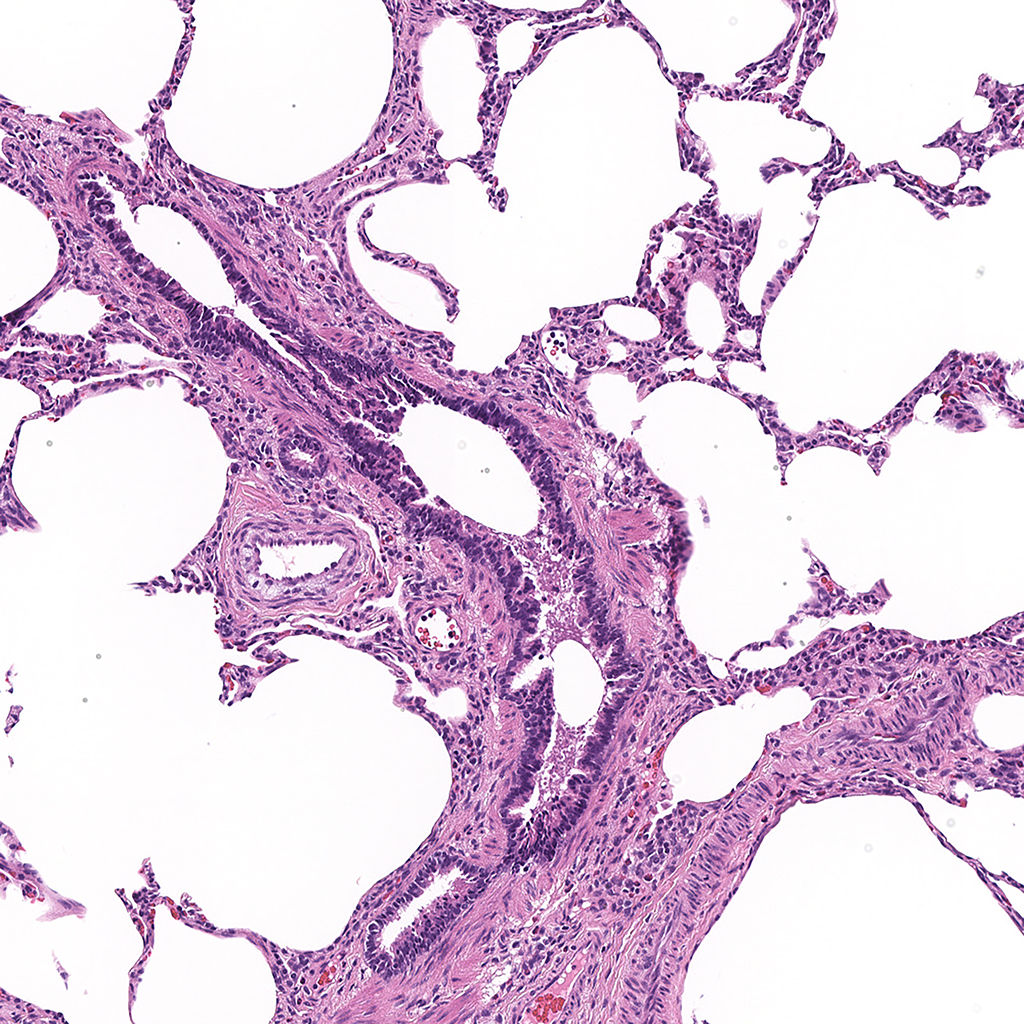
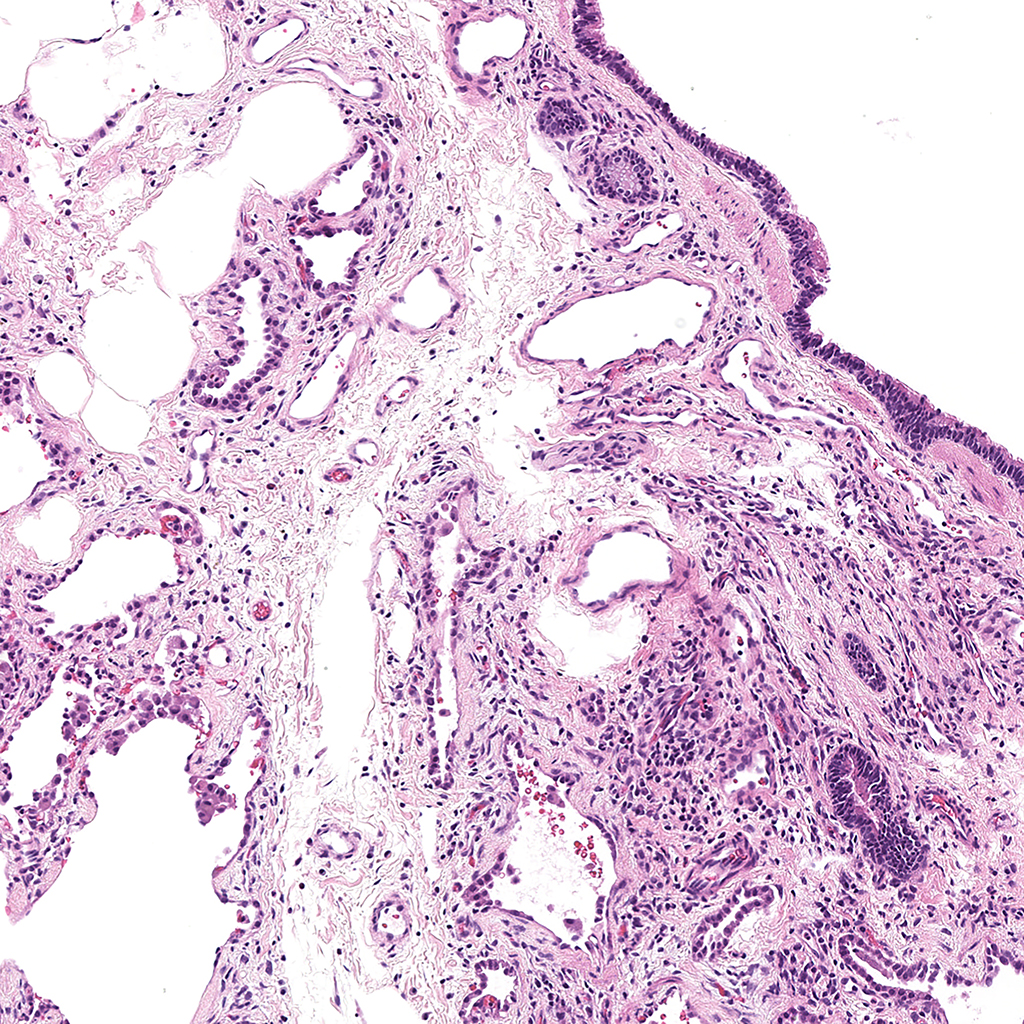
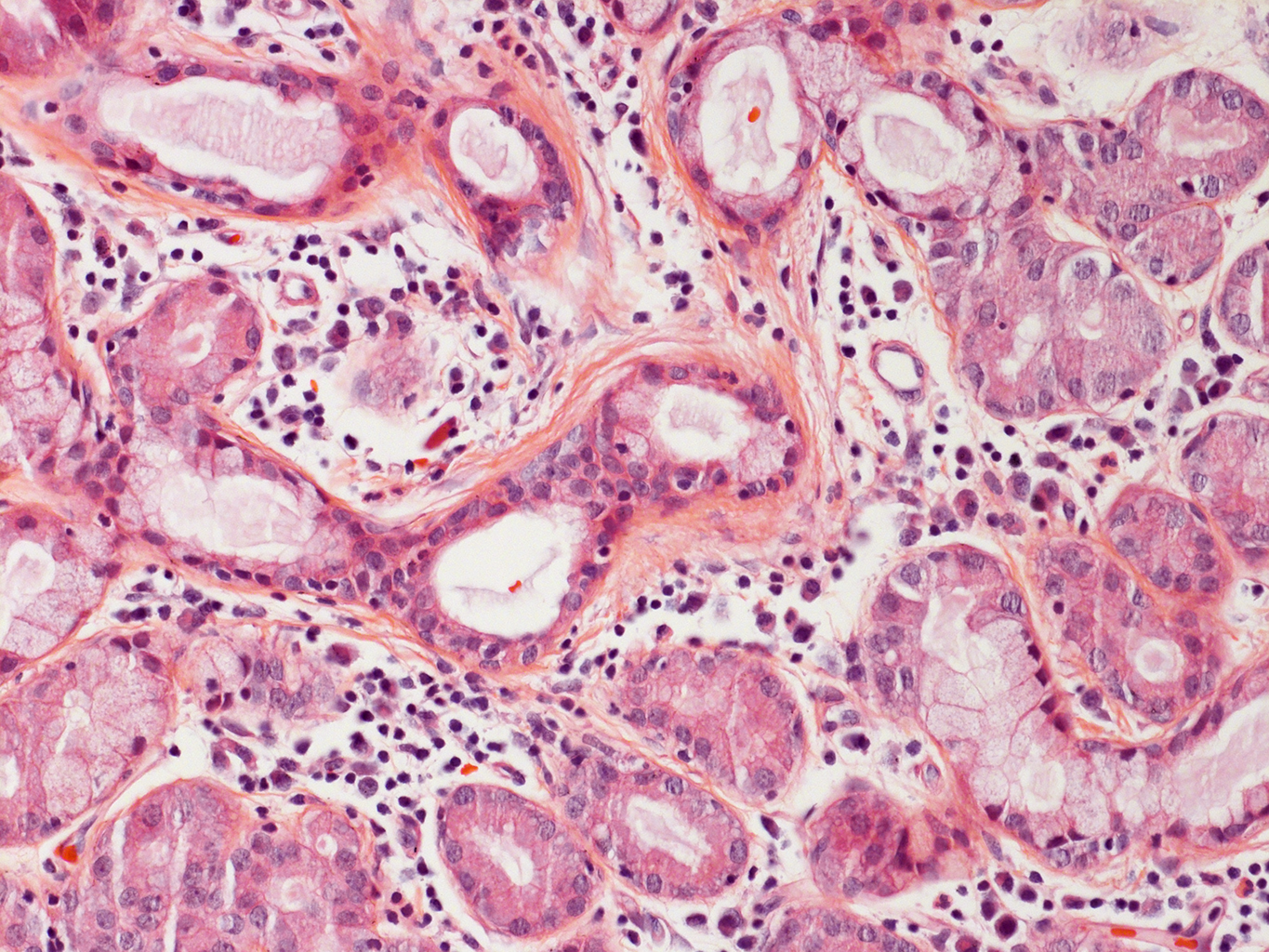
H&E Staining of 24 Year-Old Human Donor D071-21D1.49

H&E Staining of 24 Year-Old Human Donor D071-21D1.49

Donor Tissue Kindly Provided by Dr. Gloria Pryhuber from the University of Rochester Medical Center

Pryhuber_Lab

  1. Paraffin sections were placed at 60oC overnight to melt paraffin.
  2. Paraffin sections were then placed in xylene (Xylenes Reagent Grade ACS Histology/Lab Grade Cat # 399000000 Pharma-AAPER) 3X for 10 minutes each.
  3. Rinsed slides in a series of 100% ETOH washes. 20 dips for the first wash, 3 minutes for the second wash, and 20 dips for the third wash.
  4. Rinsed slides in a series of 95% ETOH washes. 20 dips for the first wash, 3 minutes for the second wash, and 20 dips for the third wash.
  5. Rinsed slides in 70% ETOH for 3 min.
  6. Rinsed slides for 3 minutes in running dH2O.
  7. Slides were then stained in filtered Hematoxylin for 60 seconds. (Gold Standard Harris Hemotoxylin, Acidified, Mercury; Cat # 24245 Polysciences Inc,).
  8. Rinsed slides in tap water until water turned cleared then rinsed in dH2O
  9. Rinsed slides in Lithium Carbonate: 20 dips. (Lithium Carbonate ACS Grade; Cat # 255823-500G Sigma Aldrich). Lithium carbonate is prepared by over-saturating in dH2O.
  10. Rinsed slides in dH2O 3X 20 dips.
  11. Rinsed slides in 70% ETOH for 20 dips.
  12. Rinsed slides in 80% ETOH for 20 dips.
  13. Stained slides in Eosin for 15 seconds. (Eosin Y 0.5% Alcohol Solution, Cat # 09859 Polysciences Inc,).
  14. Rinsed slides in a series of 95% ETOH washes. 10 dips for the first and second washes, 15 dips in the third and fourth washes.
  15. Rinsed slides 3X in 100% ETOH. 10 dips for the first and second washes and 15 dips in the third and fourth washes.
  16. Rinsed slides in 2X in Xylene, followed by 6 more washes in xylene.
  17. Coverslip with Permount. (Permount Toulene Solution UN 1294, Cat # SP-15-500 Fisher Scientific).


Tissue Used:
LMH-18-D071-21D1.49
Gender: Male
Age: 24 Years
By |2019-10-15T17:43:10+00:00October 15th, 2019|Categories: Uncategorized|0 Comments

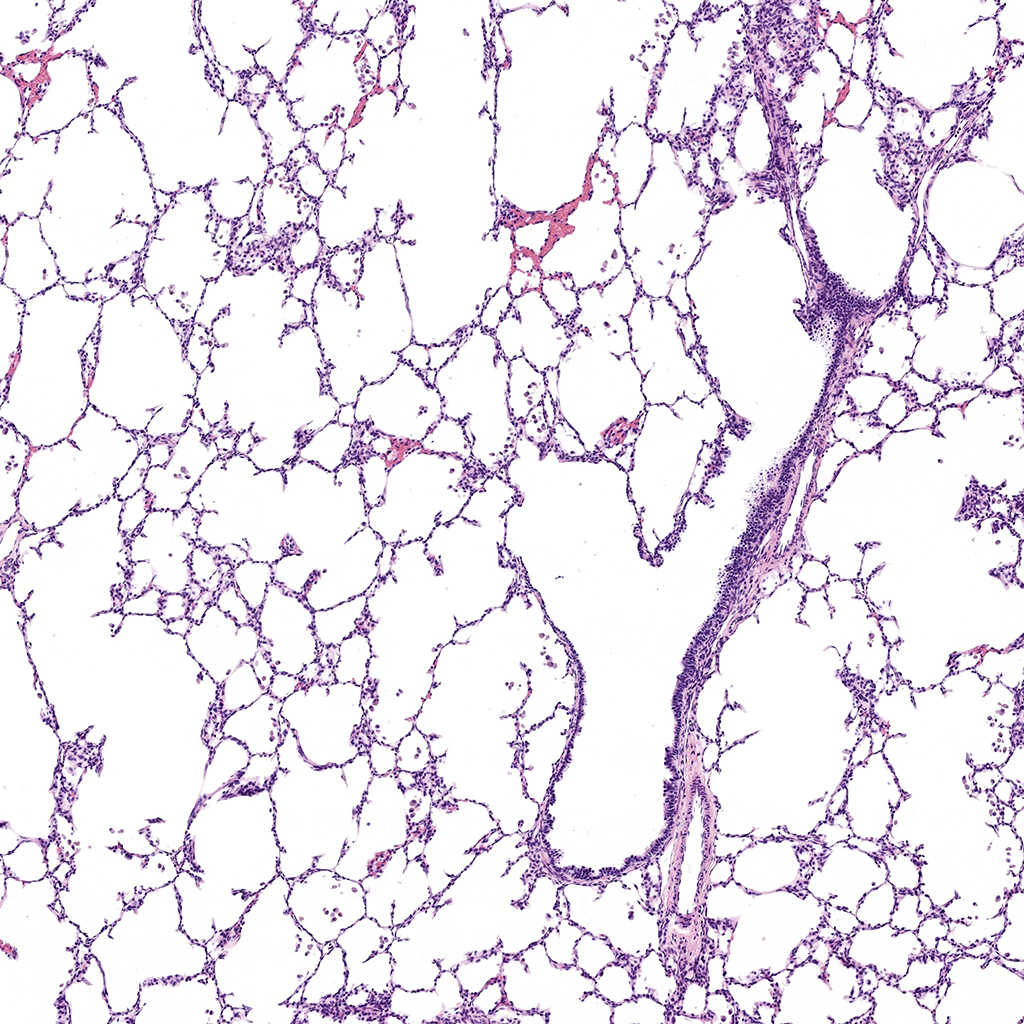
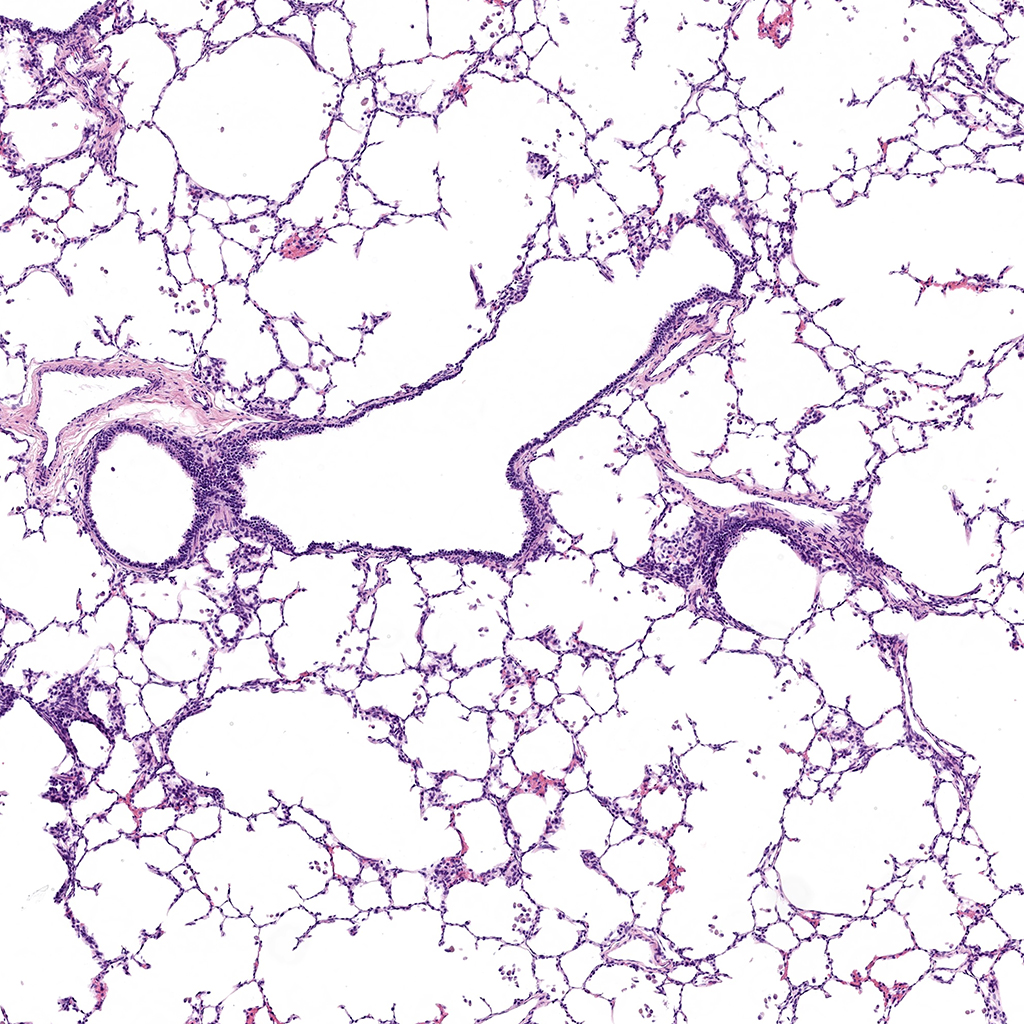
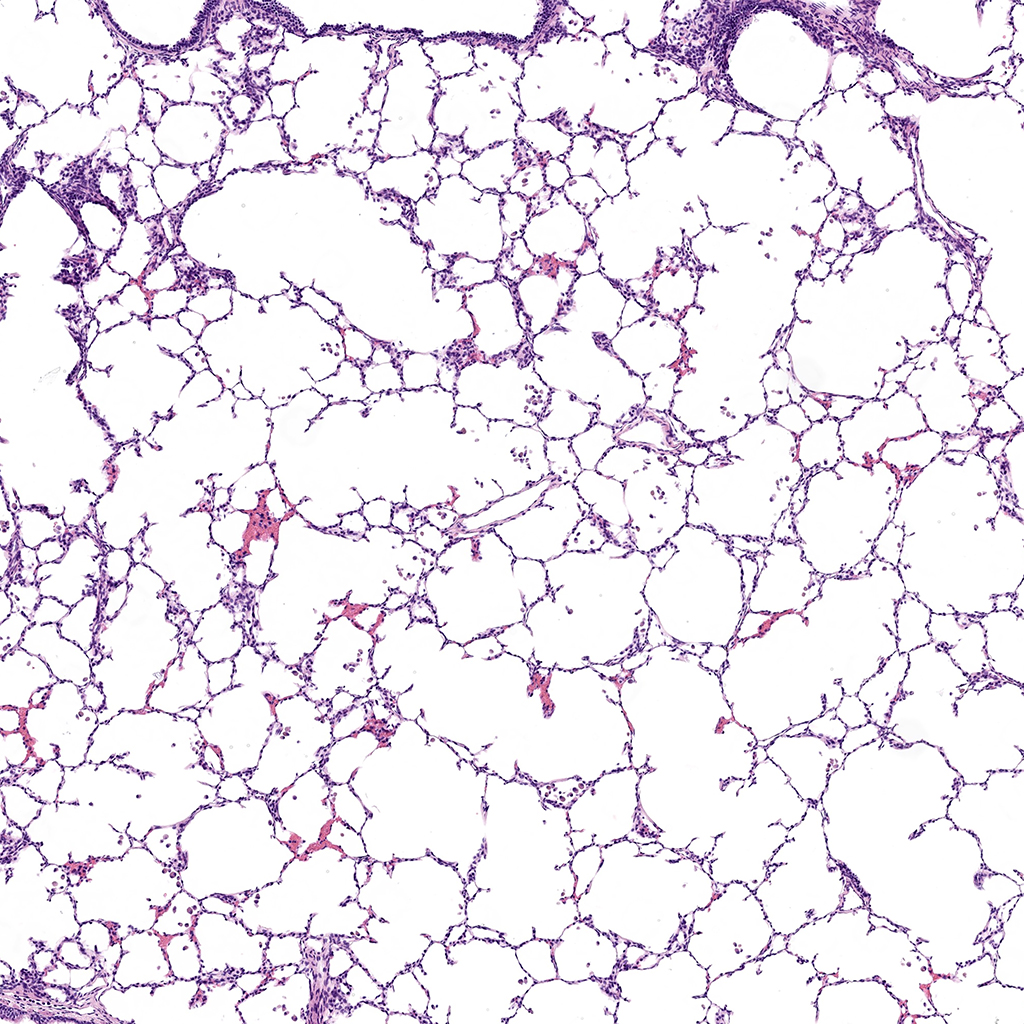
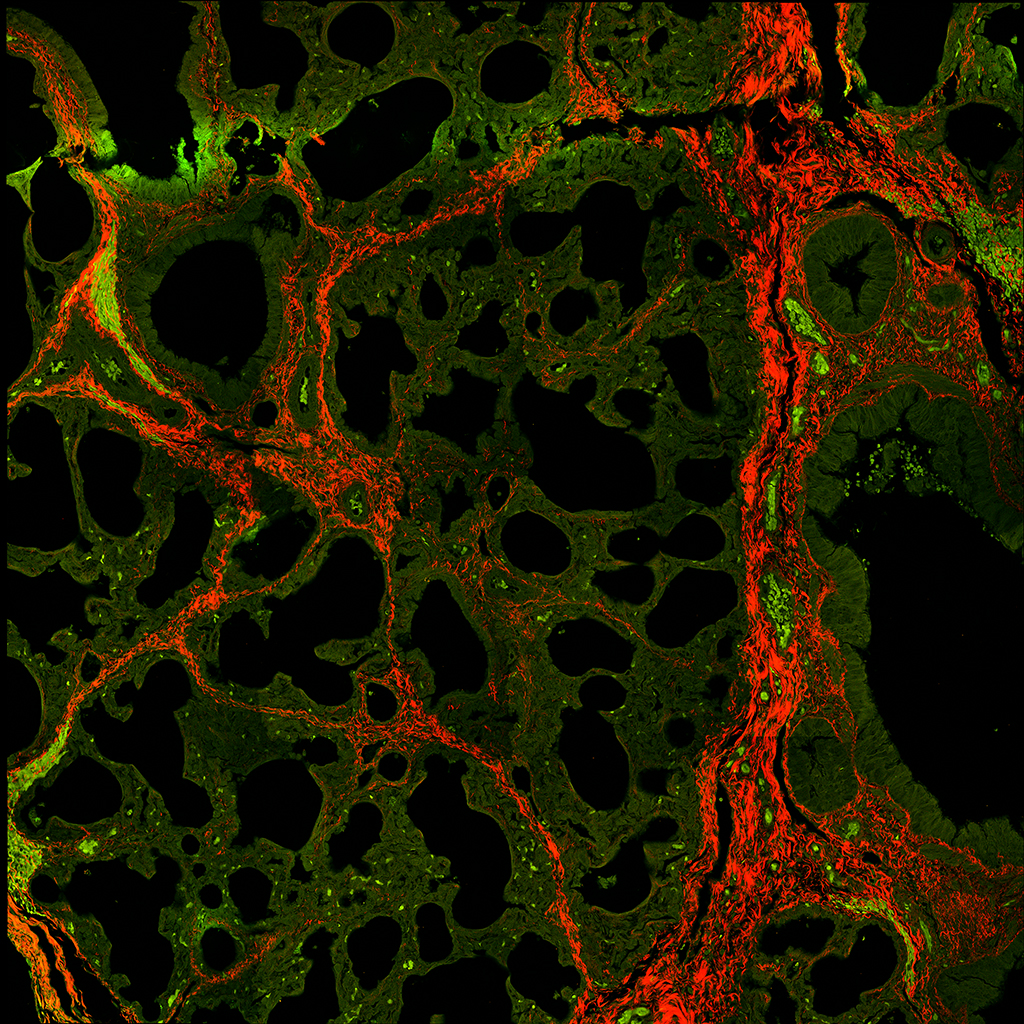
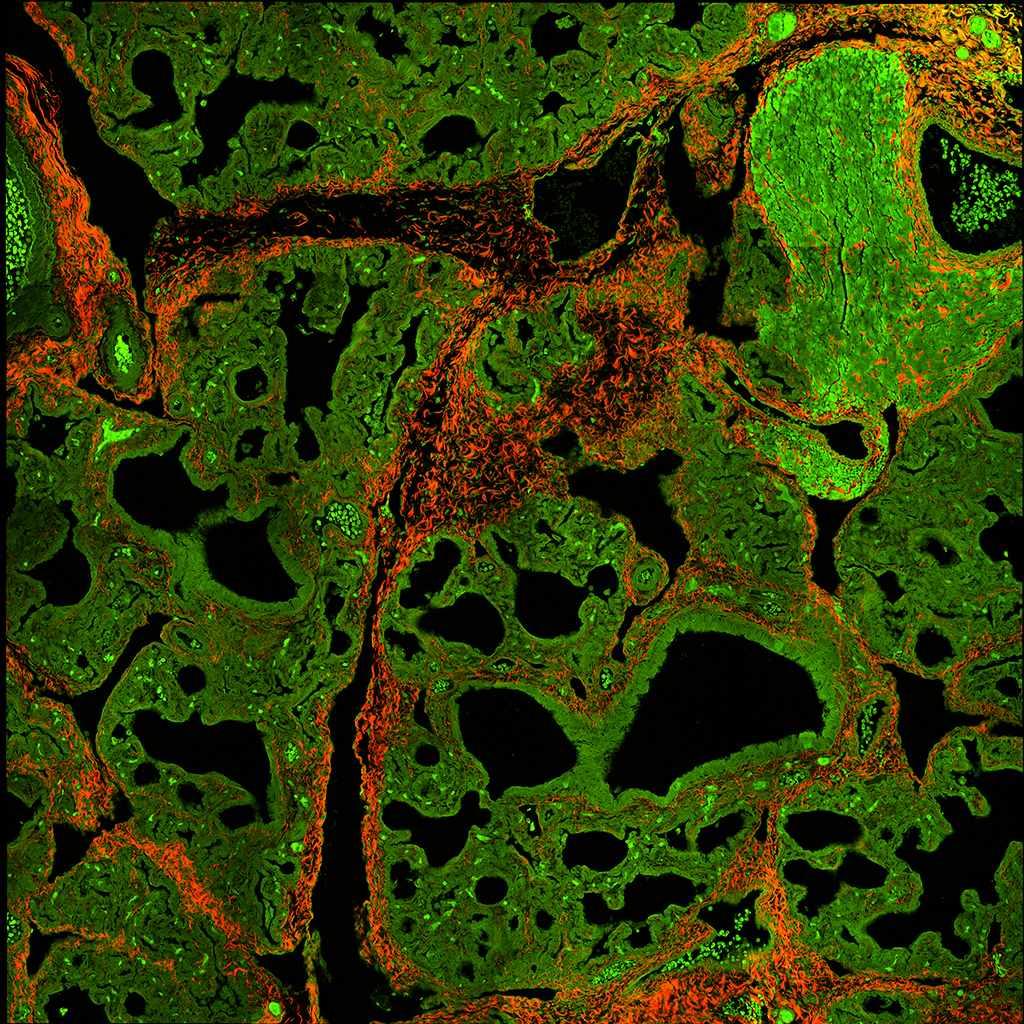
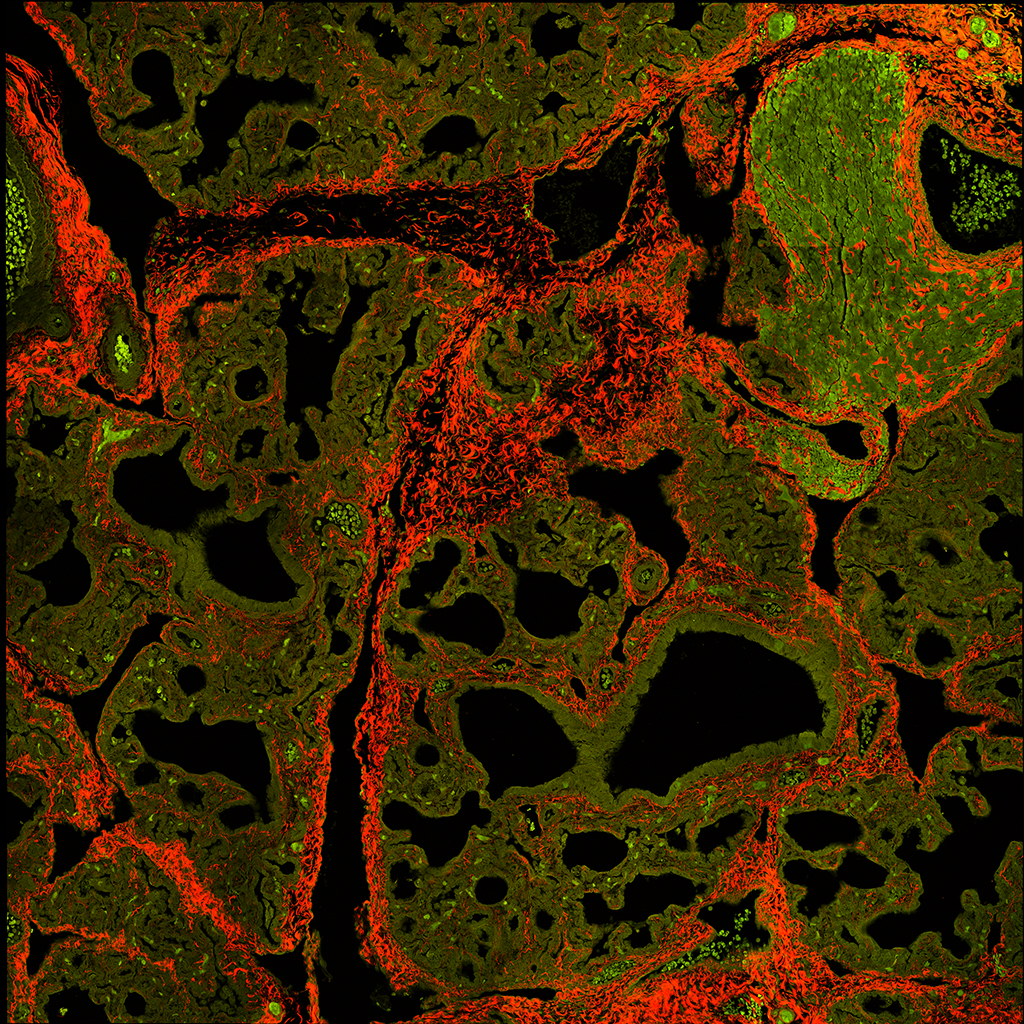
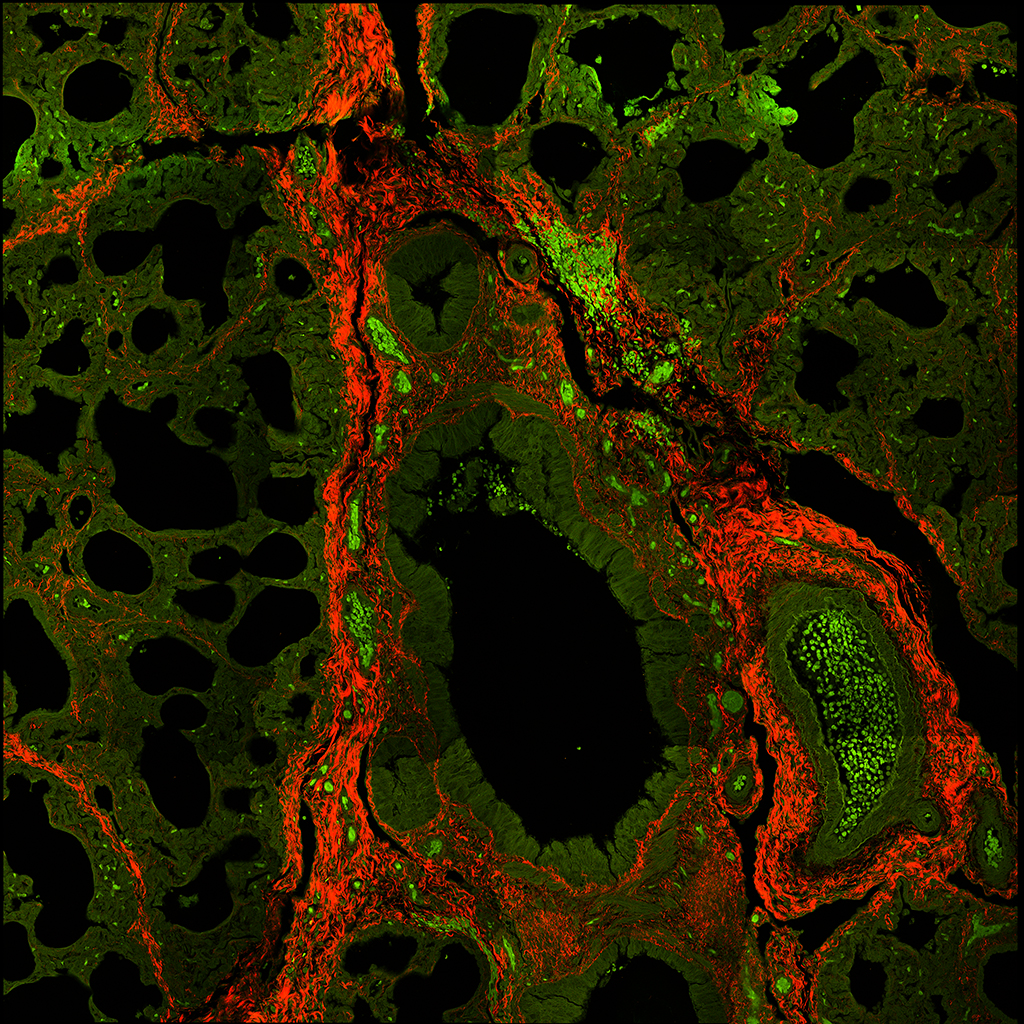
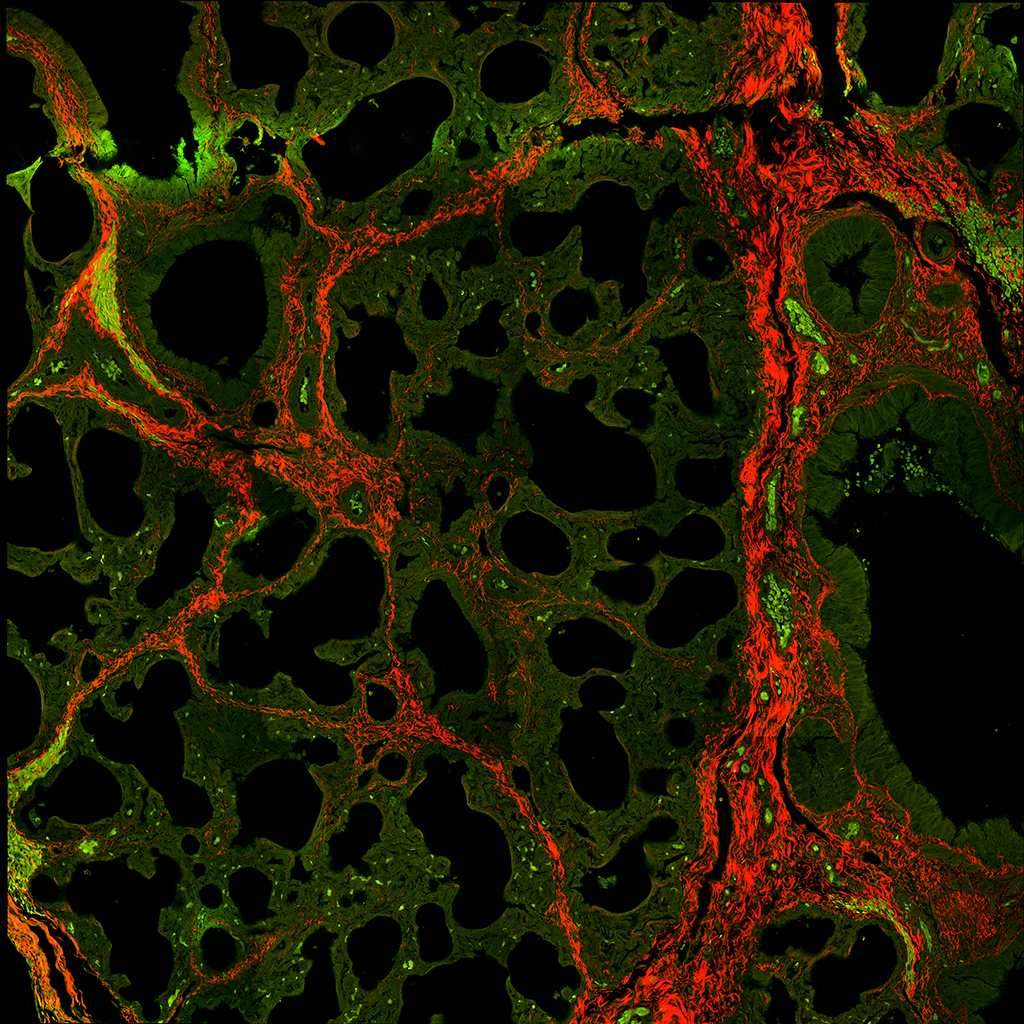
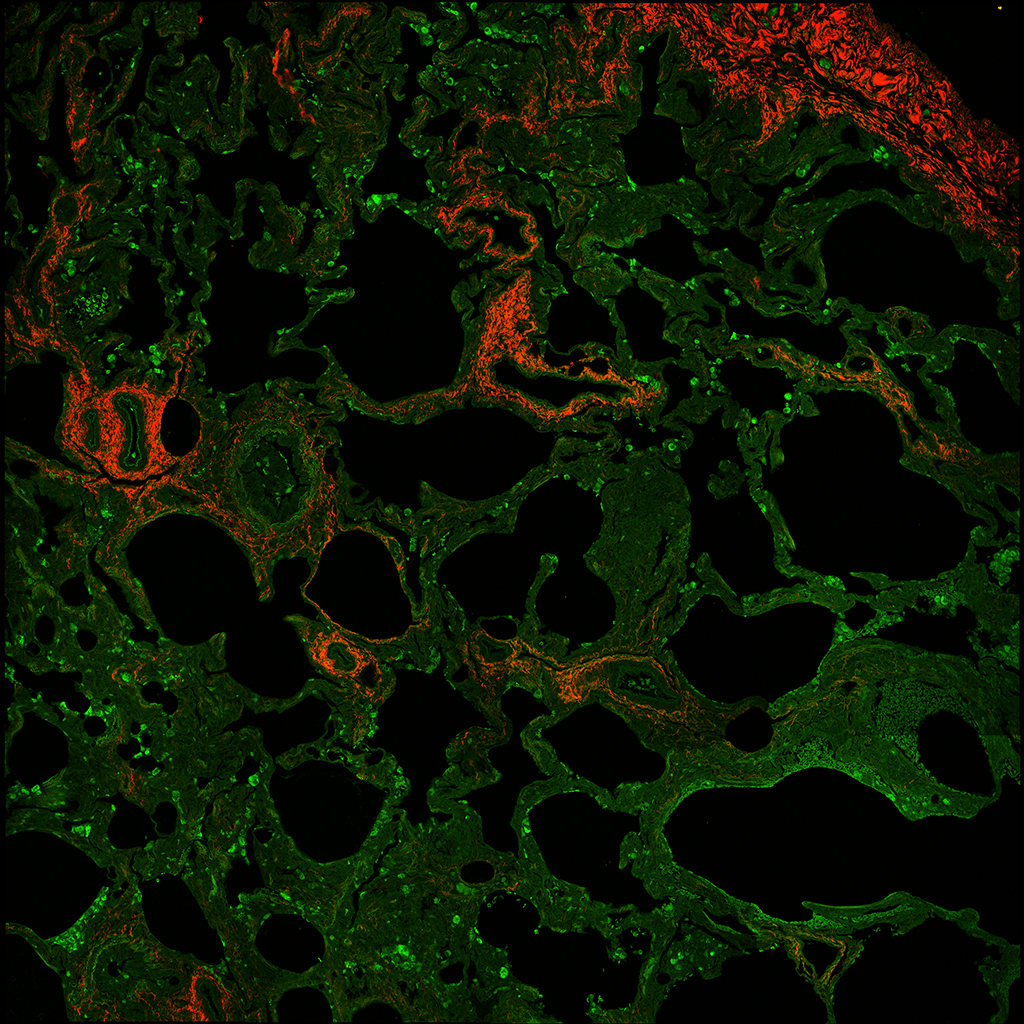
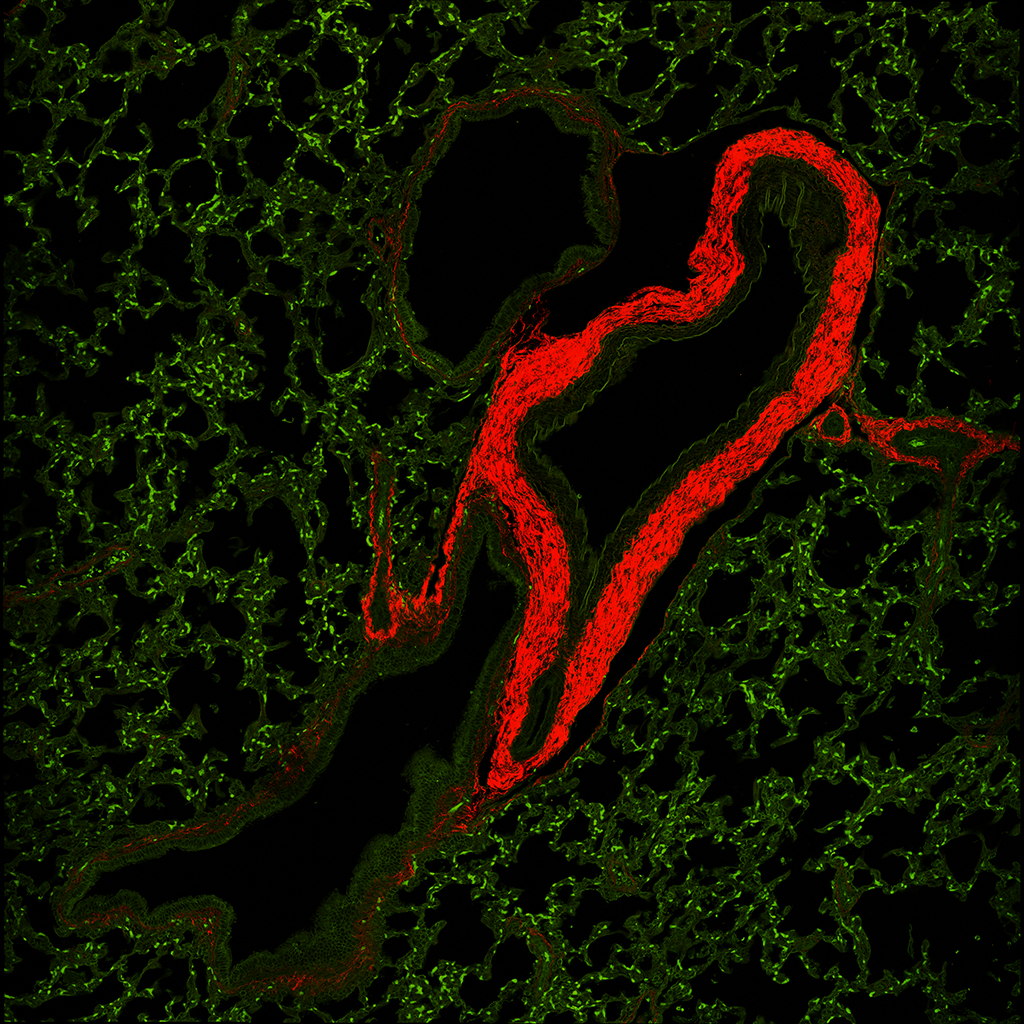
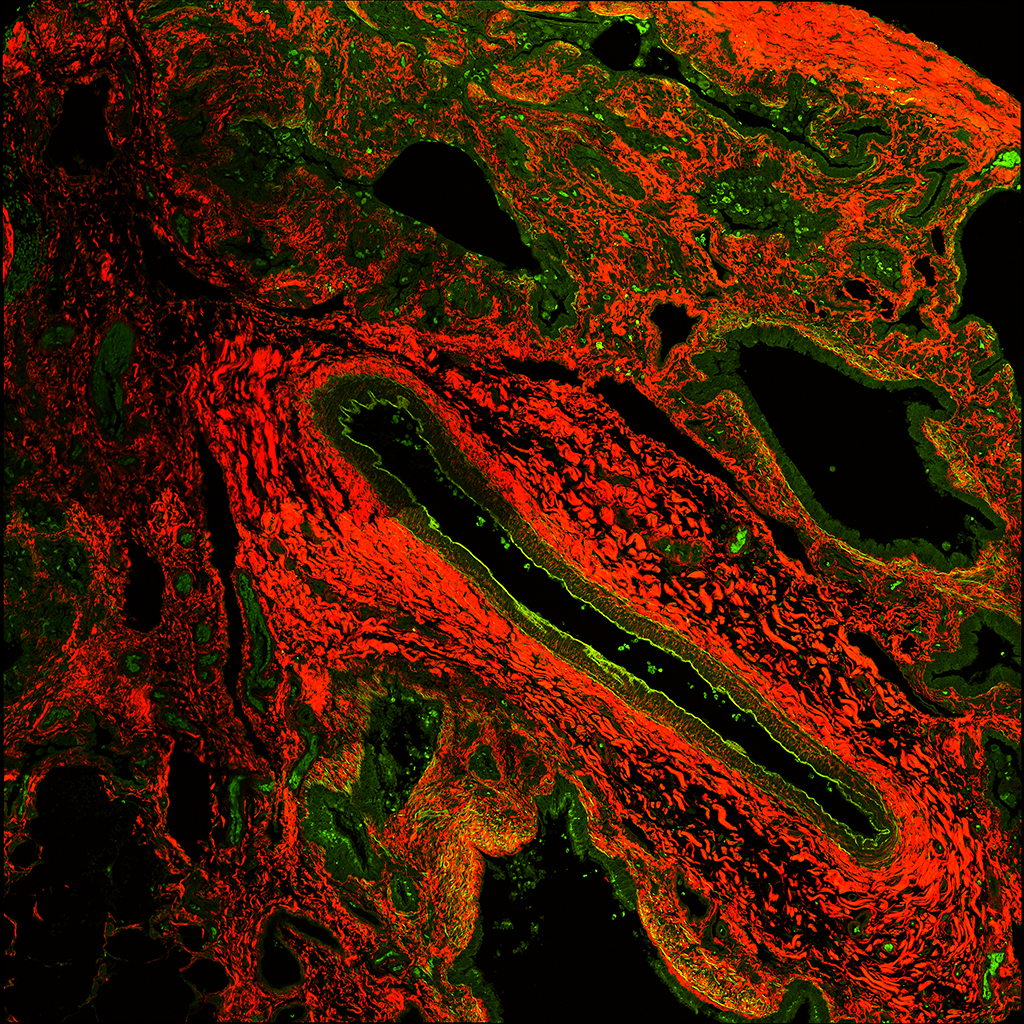
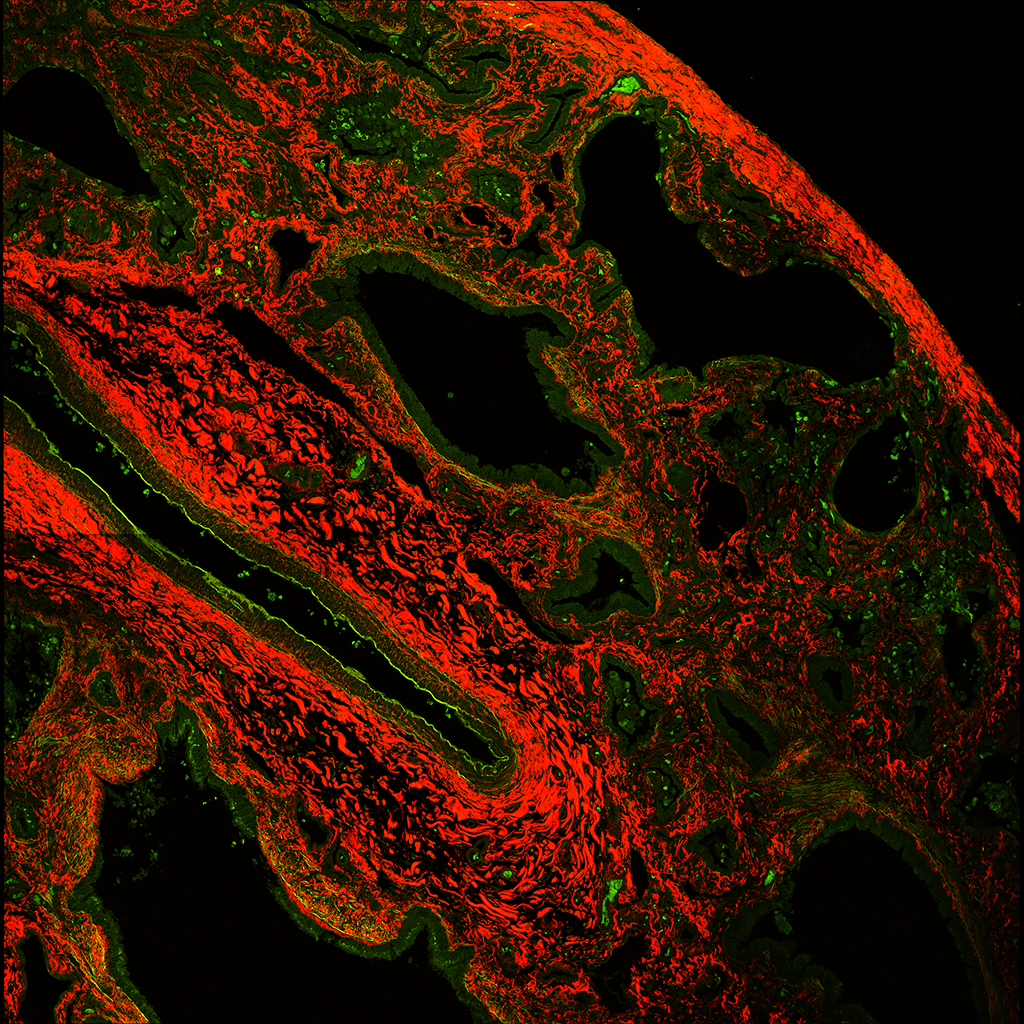
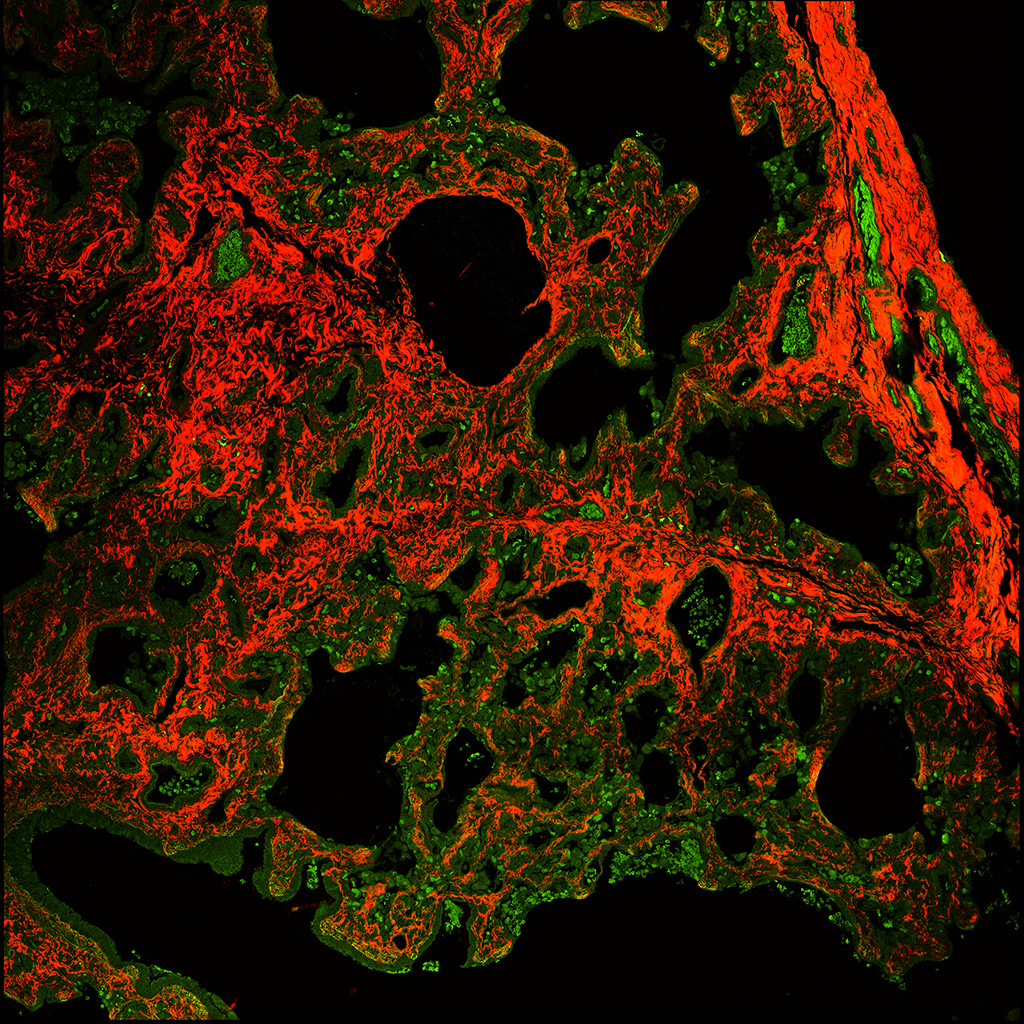
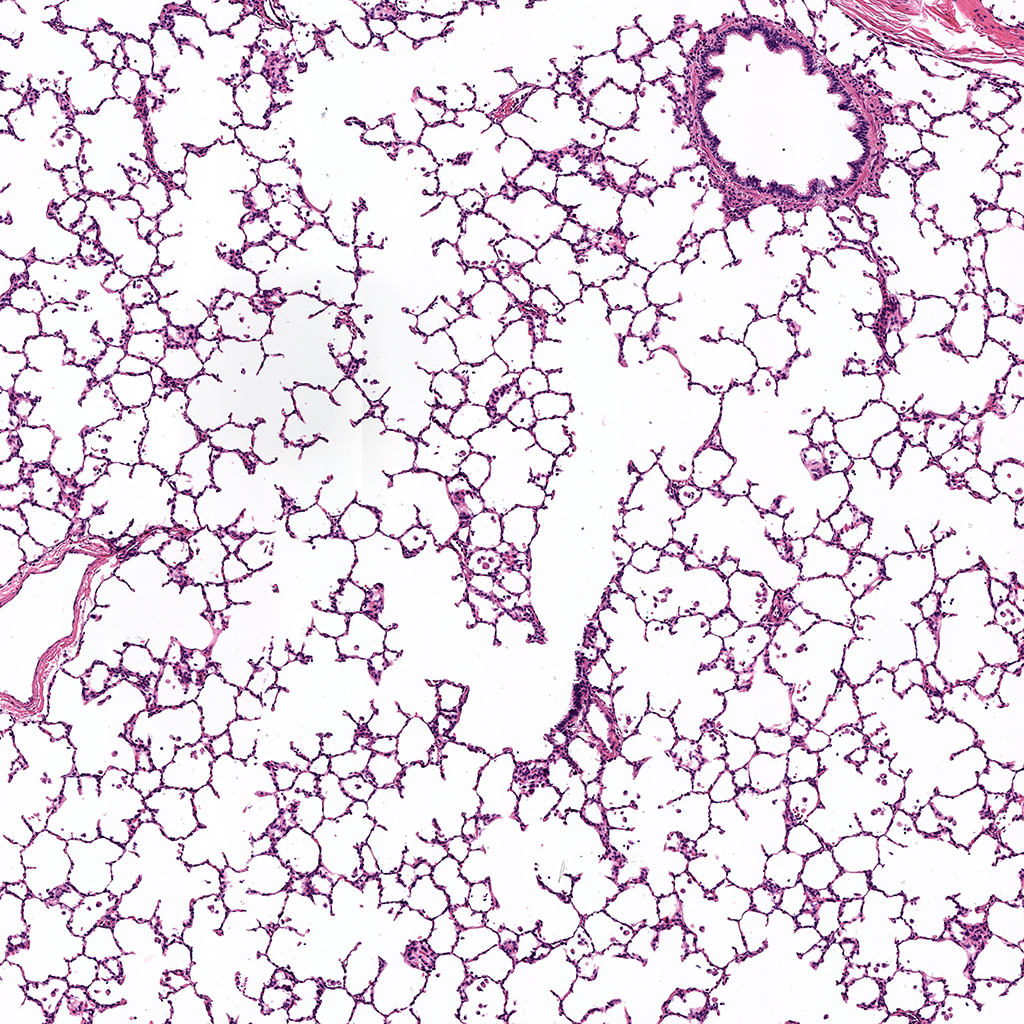
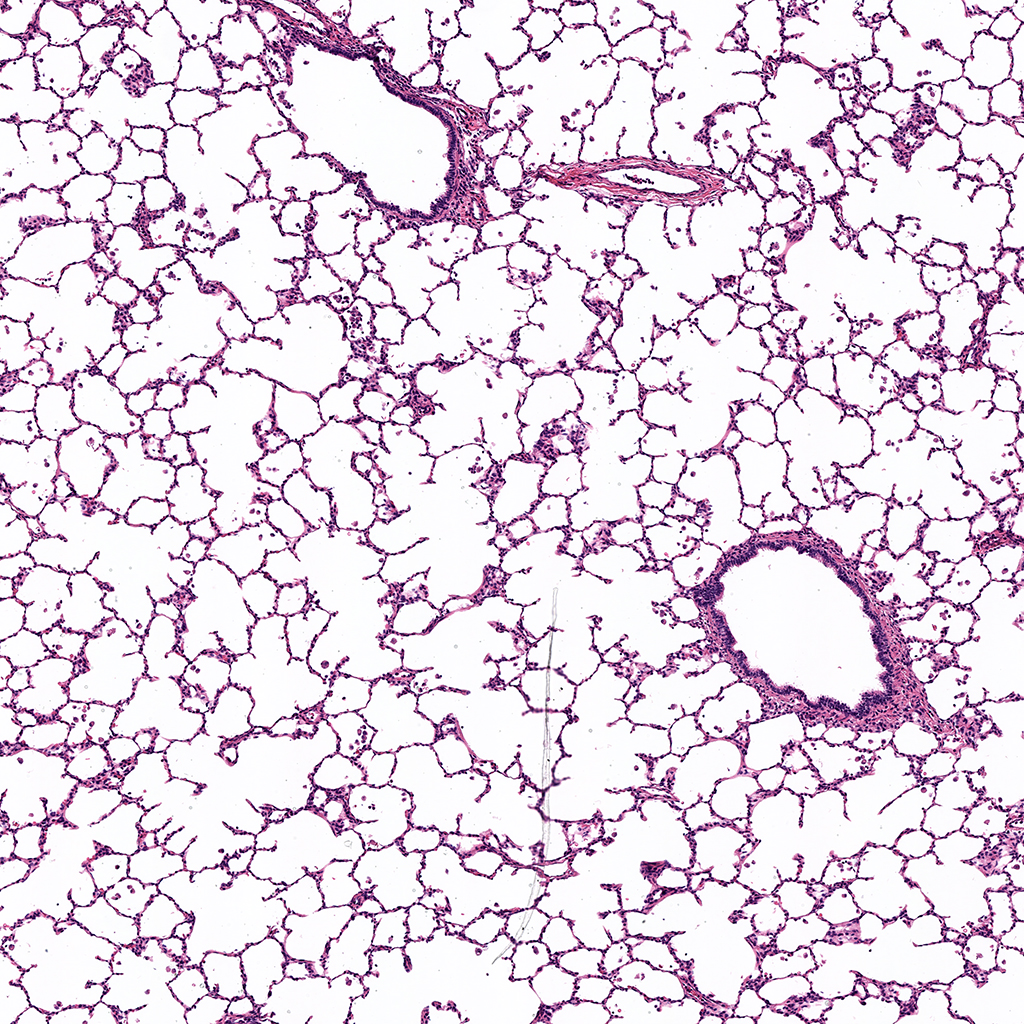
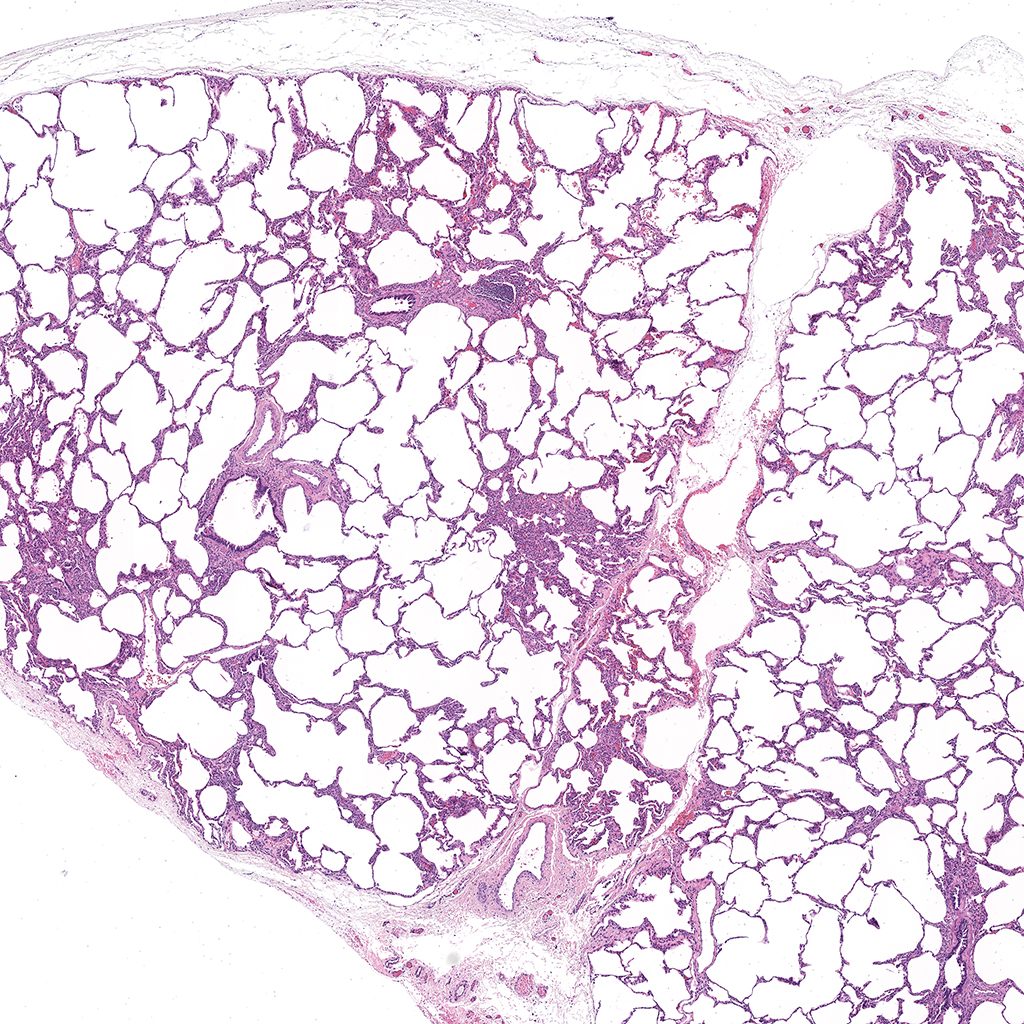
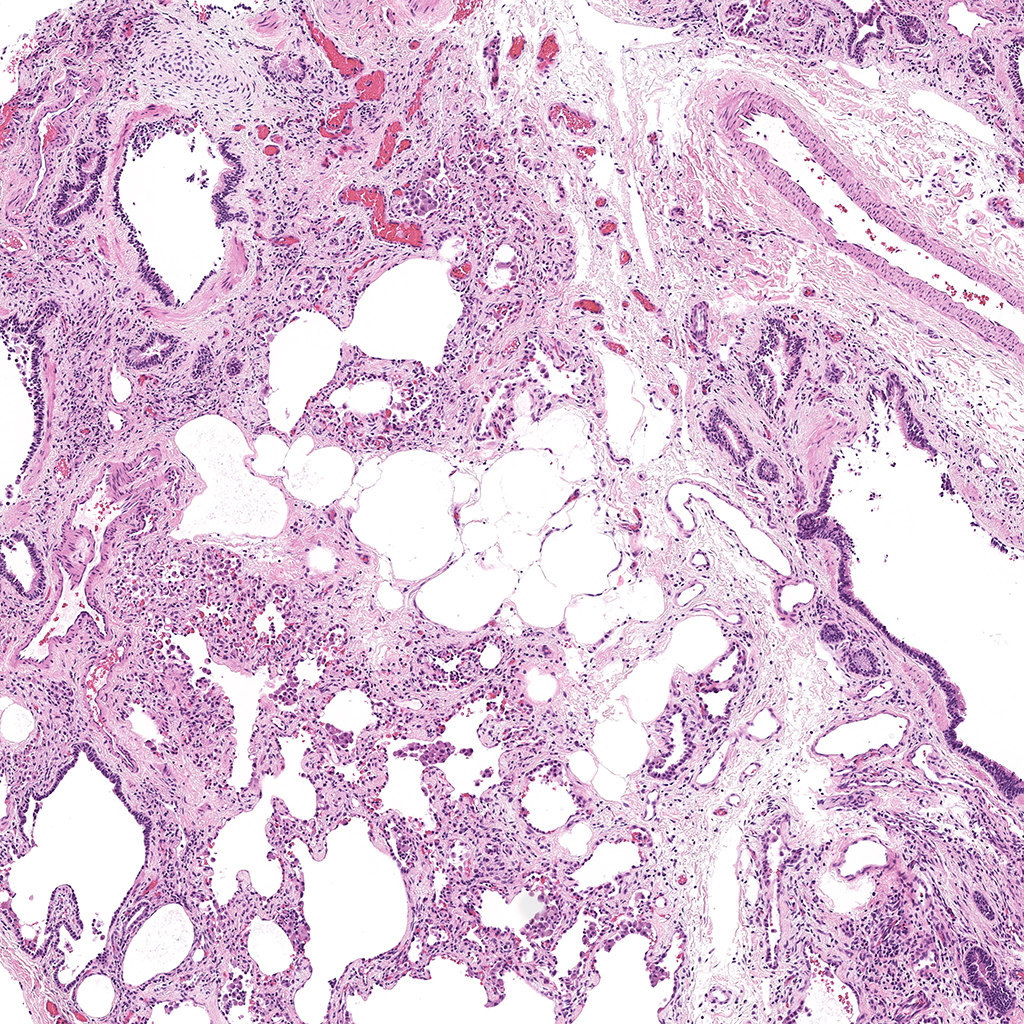
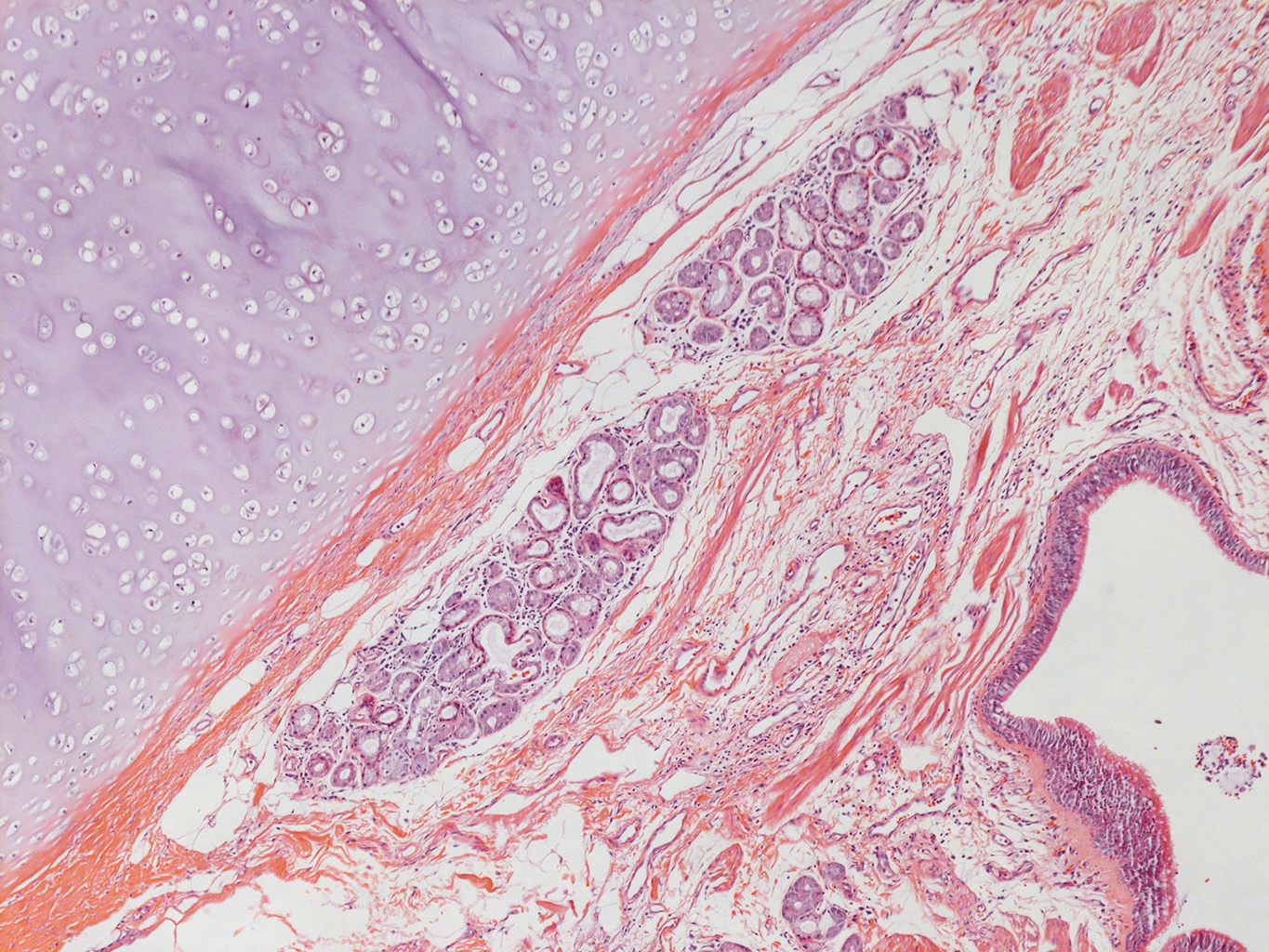
H&E Staining of 24 Year-Old Human Donor D071-16C3.46

H&E Staining of 24 Year-Old Human Donor D071-16C3.46

Donor Tissue Kindly Provided by Dr. Gloria Pryhuber from the University of Rochester Medical Center

Pryhuber_Lab

  1. Paraffin sections were placed at 60oC overnight to melt paraffin.
  2. Paraffin sections were then placed in xylene (Xylenes Reagent Grade ACS Histology/Lab Grade Cat # 399000000 Pharma-AAPER) 3X for 10 minutes each.
  3. Rinsed slides in a series of 100% ETOH washes. 20 dips for the first wash, 3 minutes for the second wash, and 20 dips for the third wash.
  4. Rinsed slides in a series of 95% ETOH washes. 20 dips for the first wash, 3 minutes for the second wash, and 20 dips for the third wash.
  5. Rinsed slides in 70% ETOH for 3 min.
  6. Rinsed slides for 3 minutes in running dH2O.
  7. Slides were then stained in filtered Hematoxylin for 60 seconds. (Gold Standard Harris Hemotoxylin, Acidified, Mercury; Cat # 24245 Polysciences Inc,).
  8. Rinsed slides in tap water until water turned cleared then rinsed in dH2O
  9. Rinsed slides in Lithium Carbonate: 20 dips. (Lithium Carbonate ACS Grade; Cat # 255823-500G Sigma Aldrich). Lithium carbonate is prepared by over-saturating in dH2O.
  10. Rinsed slides in dH2O 3X 20 dips.
  11. Rinsed slides in 70% ETOH for 20 dips.
  12. Rinsed slides in 80% ETOH for 20 dips.
  13. Stained slides in Eosin for 15 seconds. (Eosin Y 0.5% Alcohol Solution, Cat # 09859 Polysciences Inc,).
  14. Rinsed slides in a series of 95% ETOH washes. 10 dips for the first and second washes, 15 dips in the third and fourth washes.
  15. Rinsed slides 3X in 100% ETOH. 10 dips for the first and second washes and 15 dips in the third and fourth washes.
  16. Rinsed slides in 2X in Xylene, followed by 6 more washes in xylene.
  17. Coverslip with Permount. (Permount Toulene Solution UN 1294, Cat # SP-15-500 Fisher Scientific).


Tissue Used:
LMH-18-D071-16C3.46
Gender: Male
Age: 24 Years
By |2019-10-15T17:39:27+00:00October 15th, 2019|Categories: Uncategorized|0 Comments

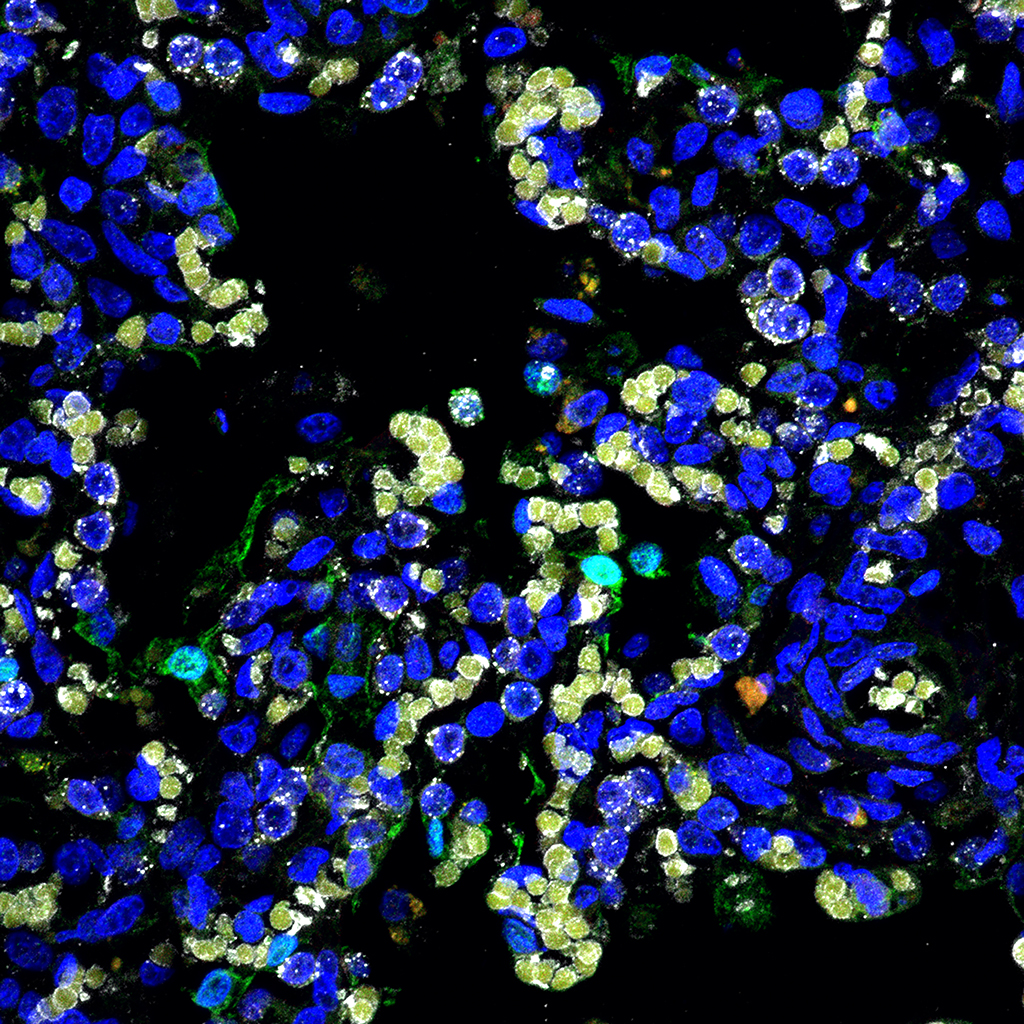
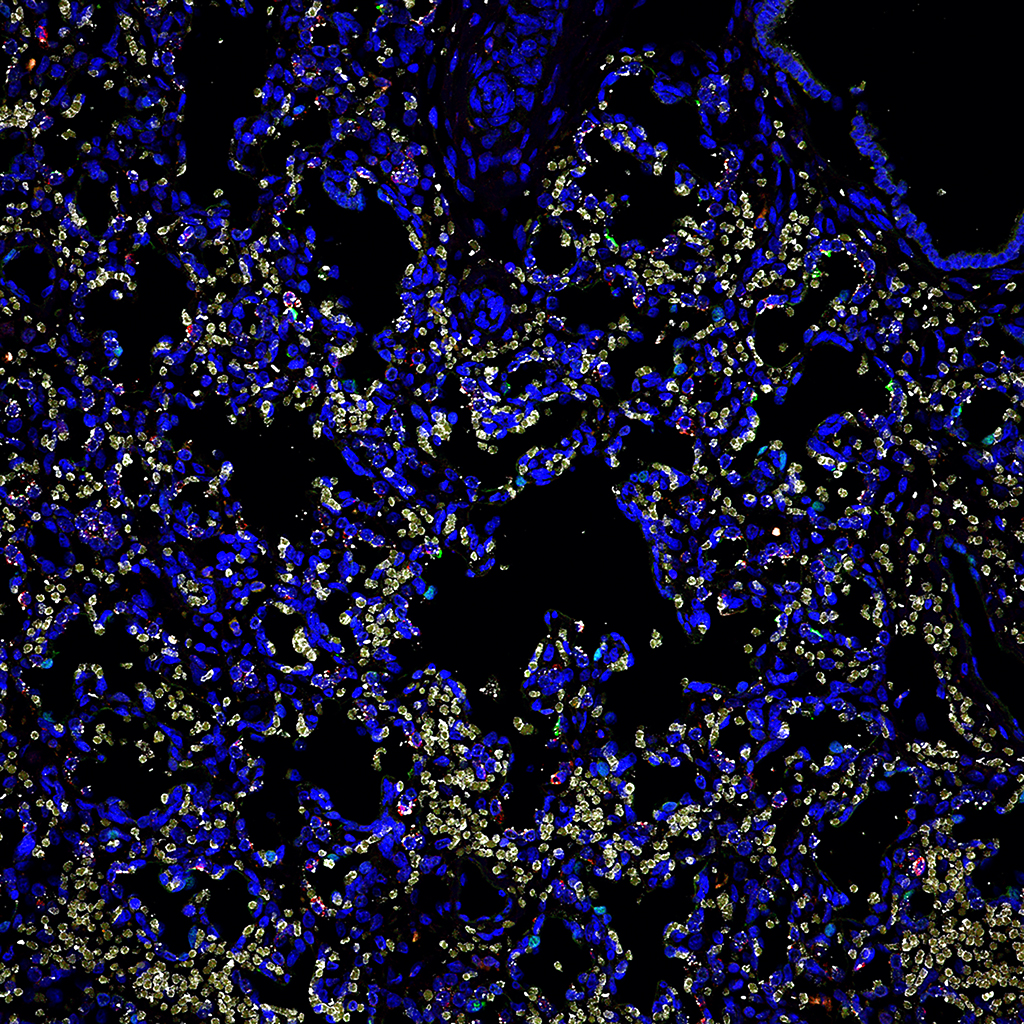
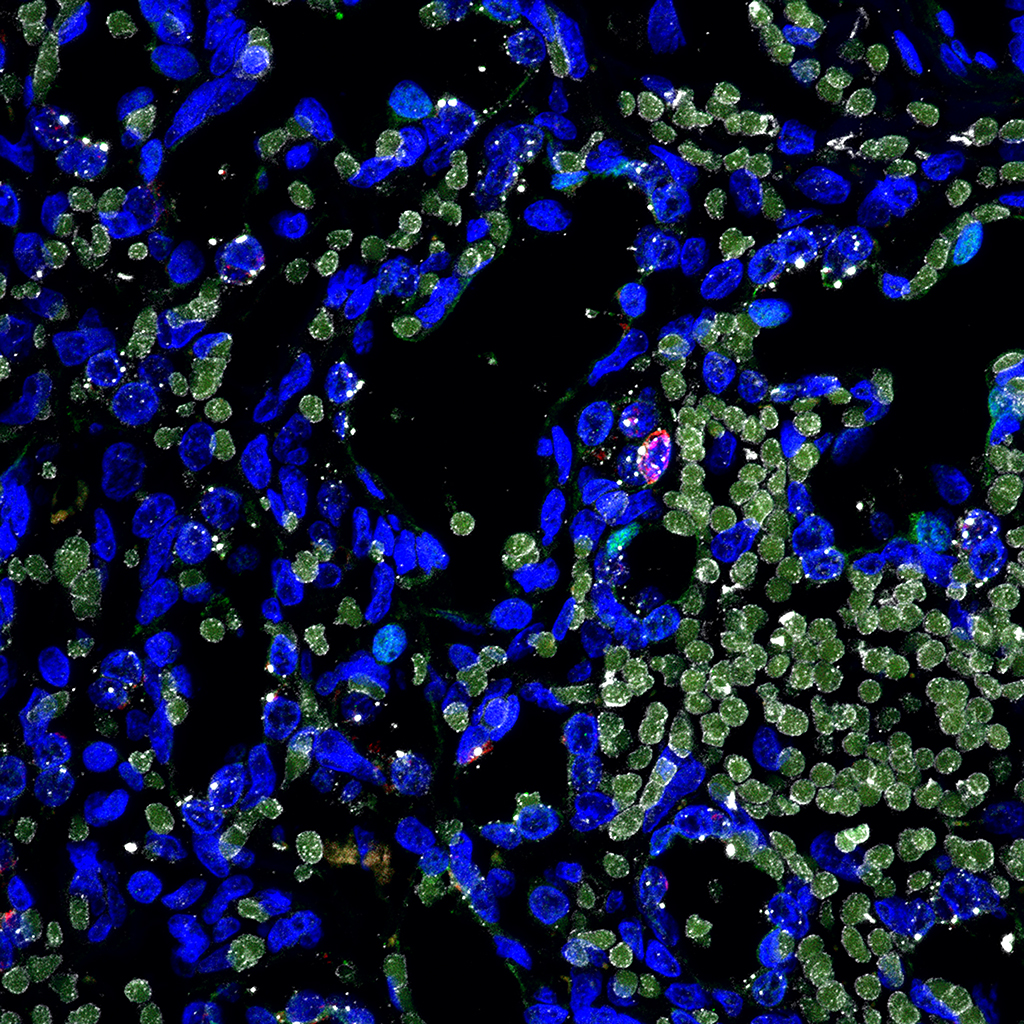
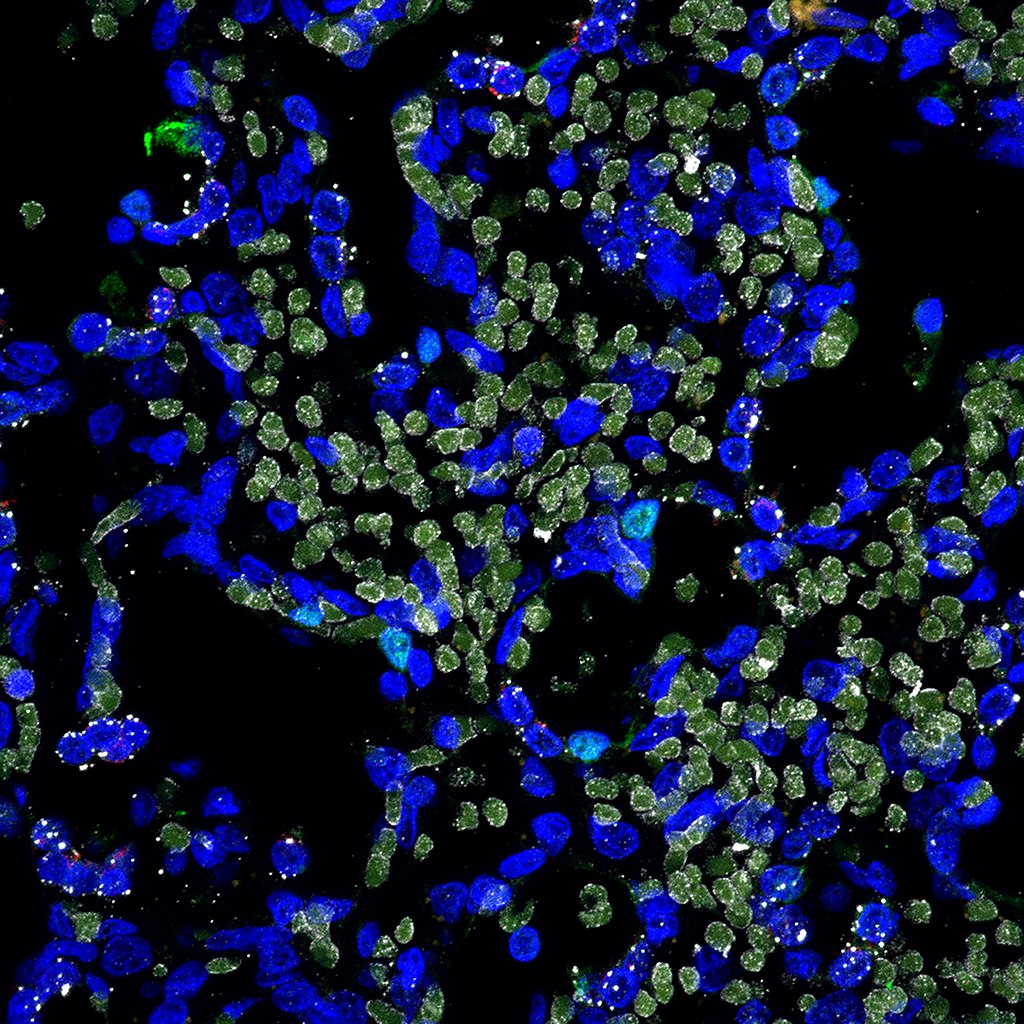
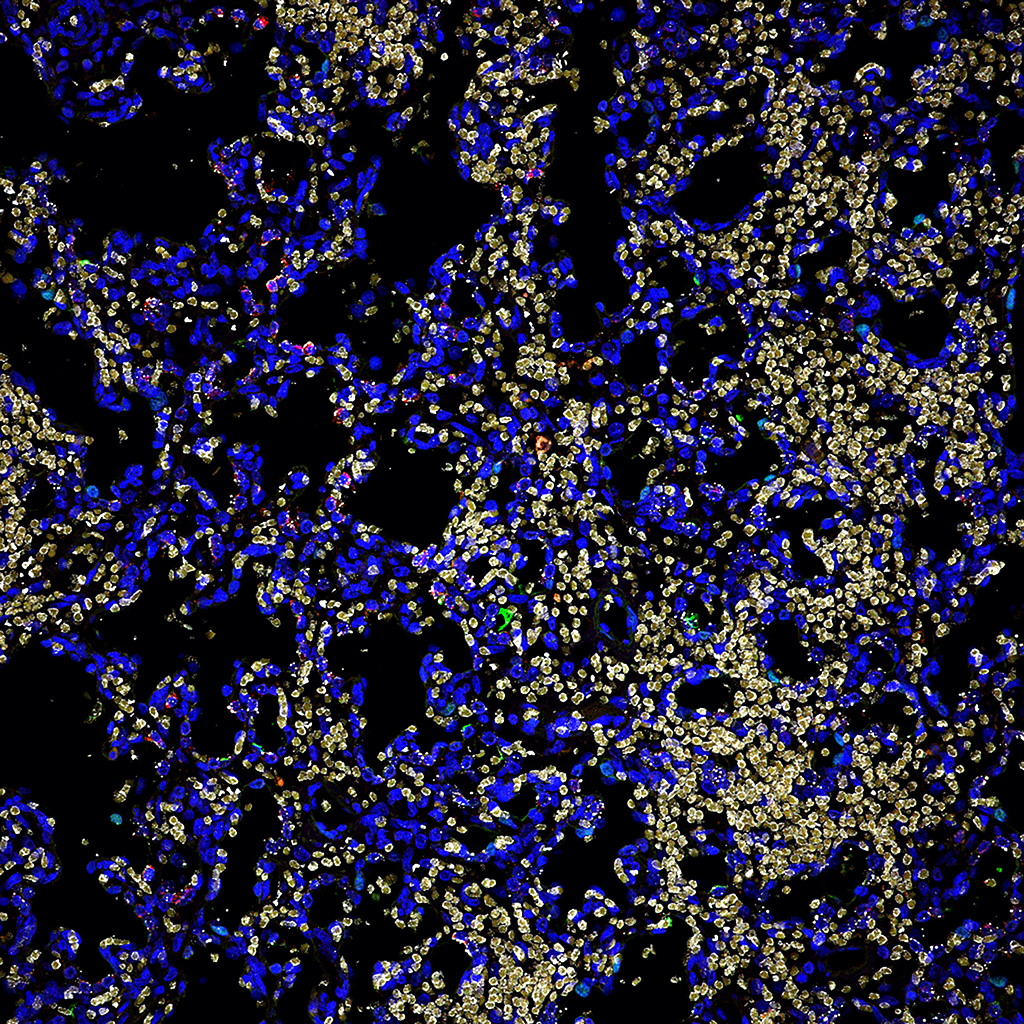
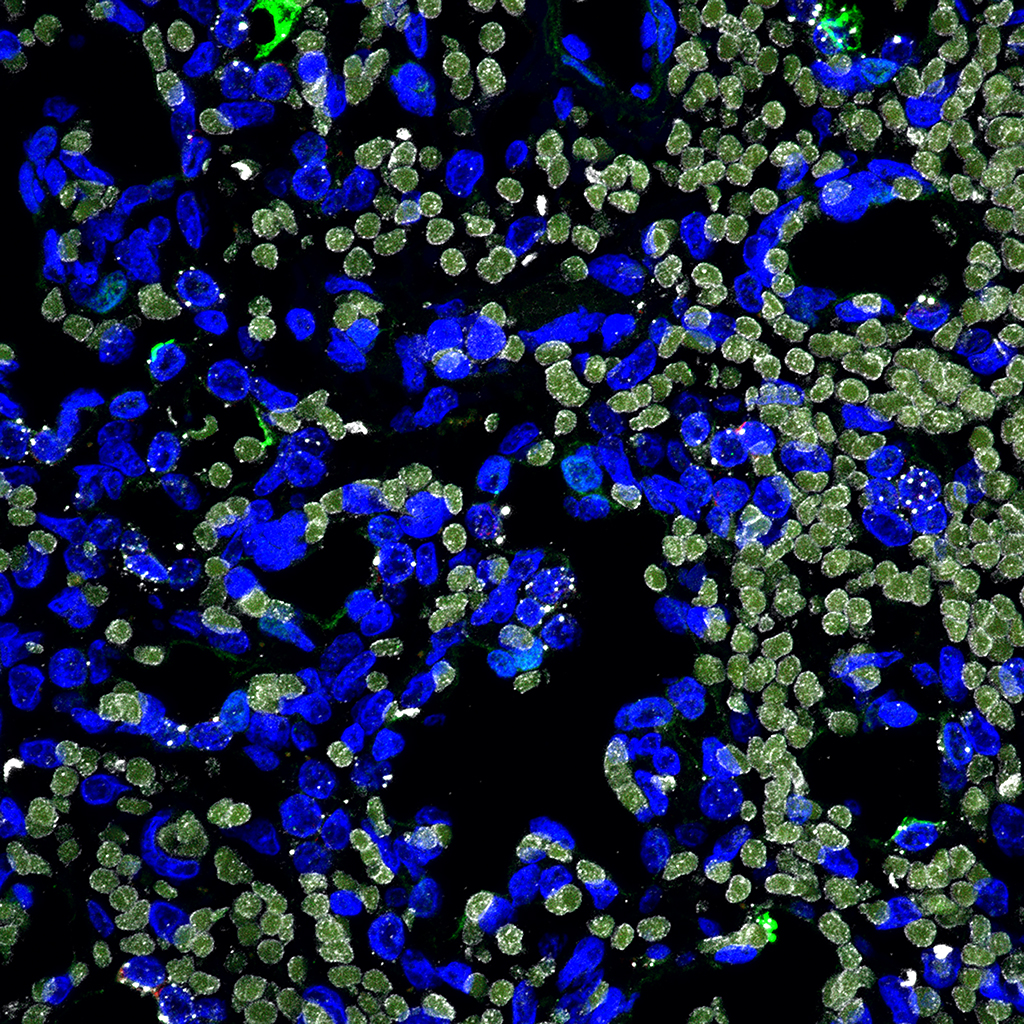
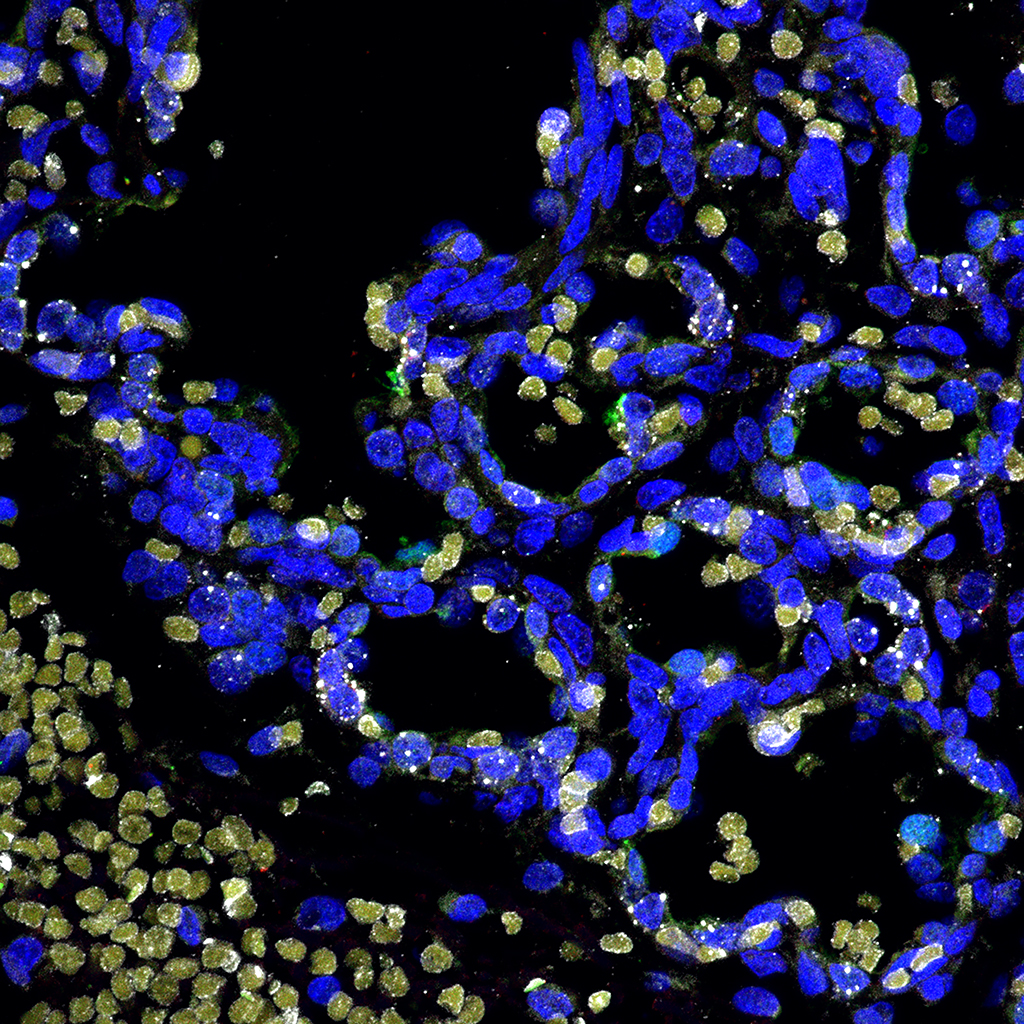
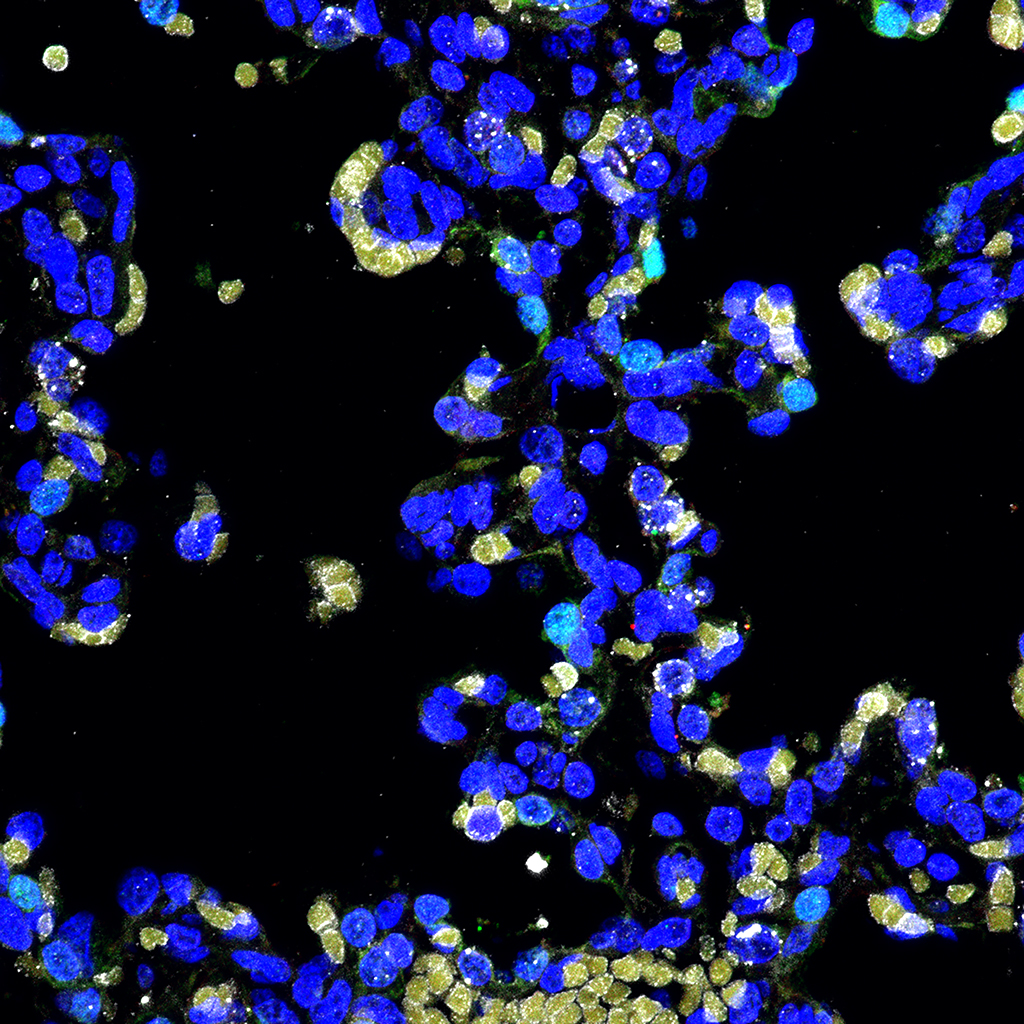
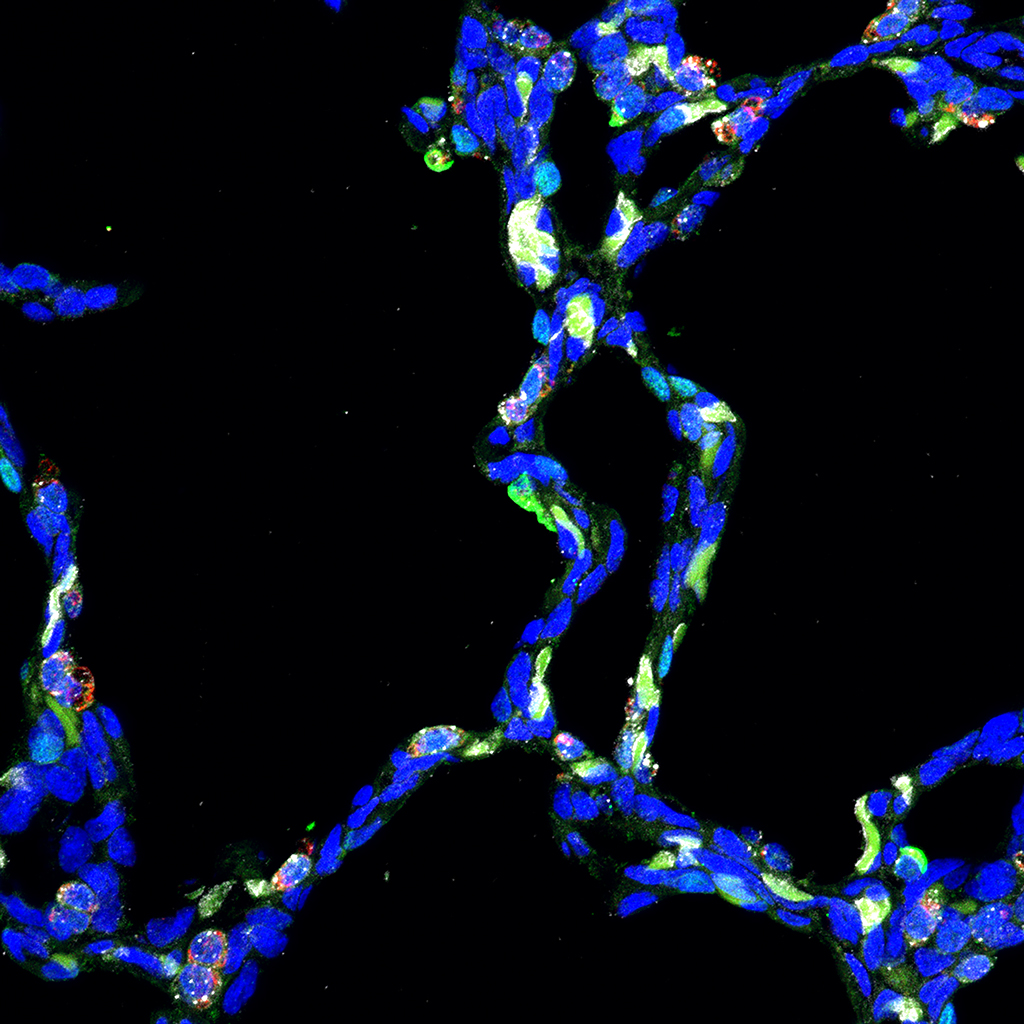
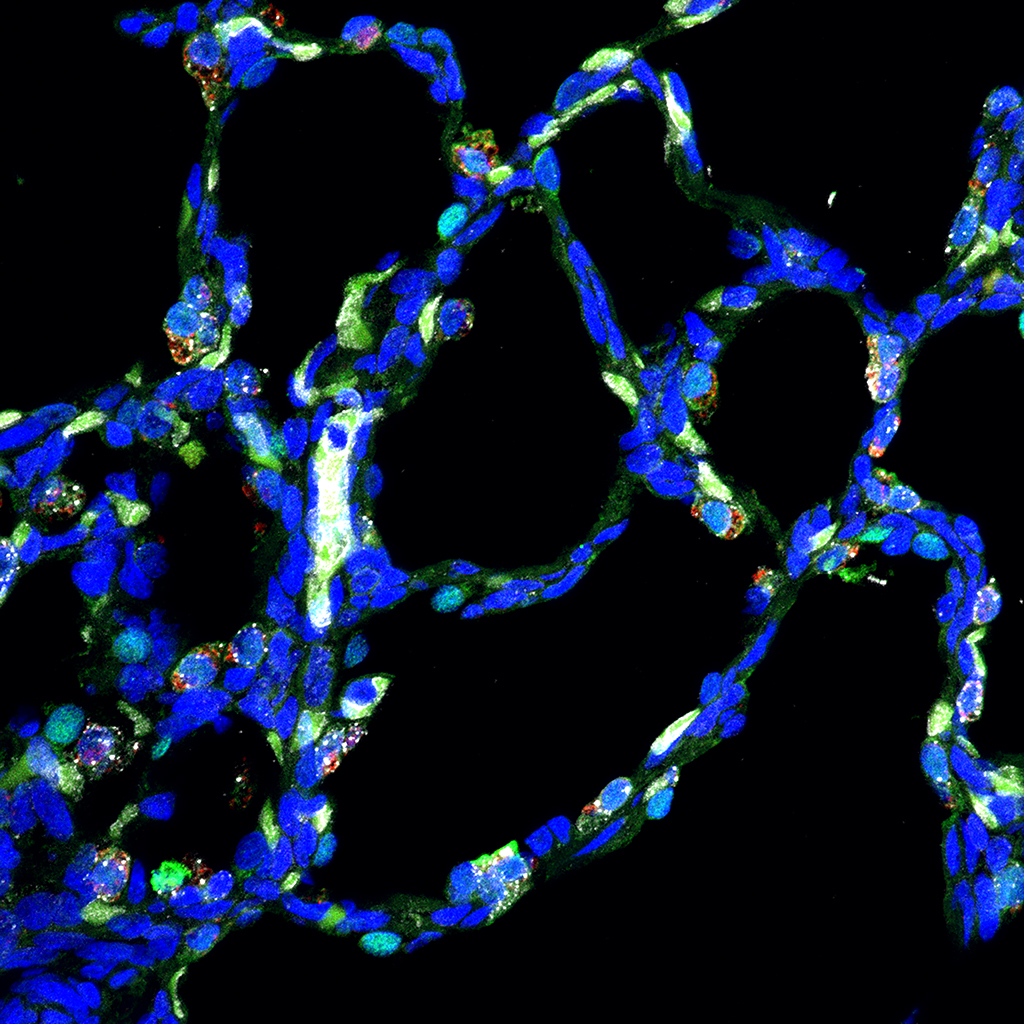
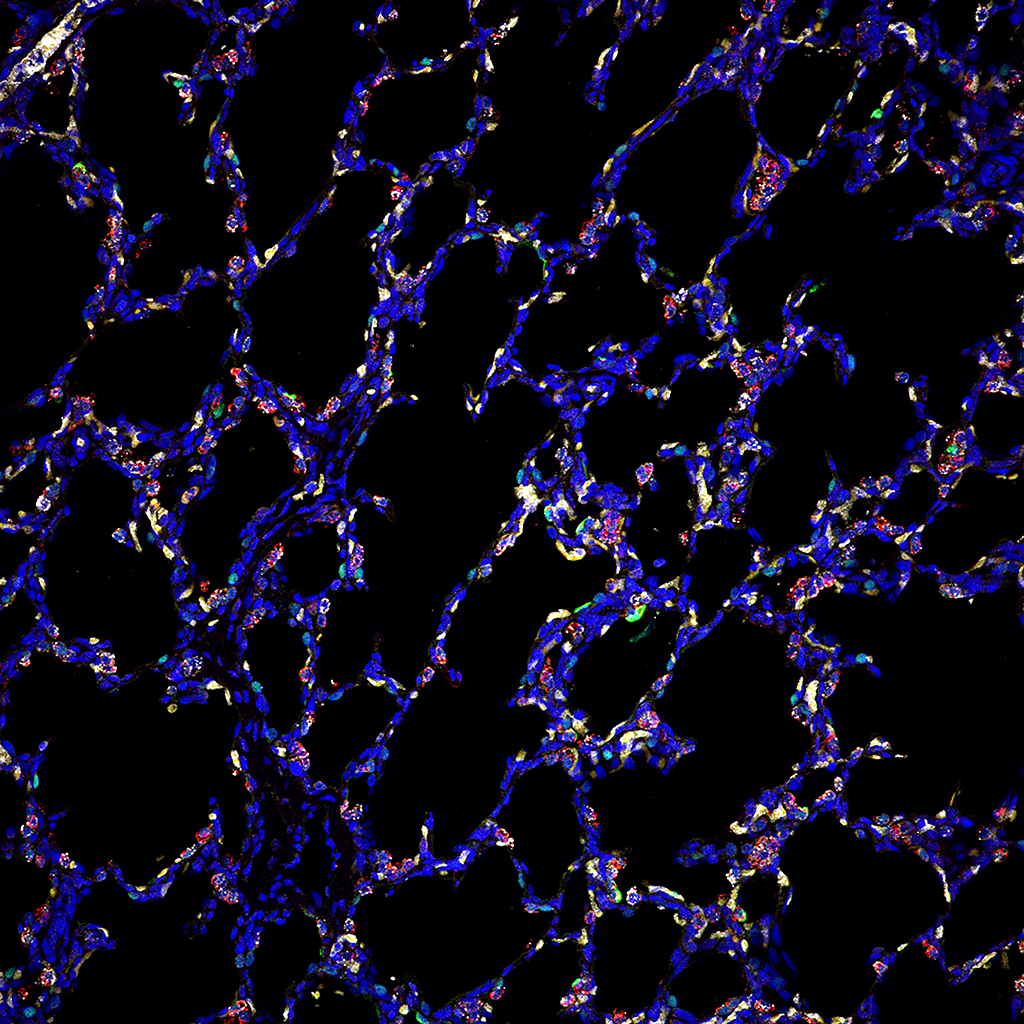
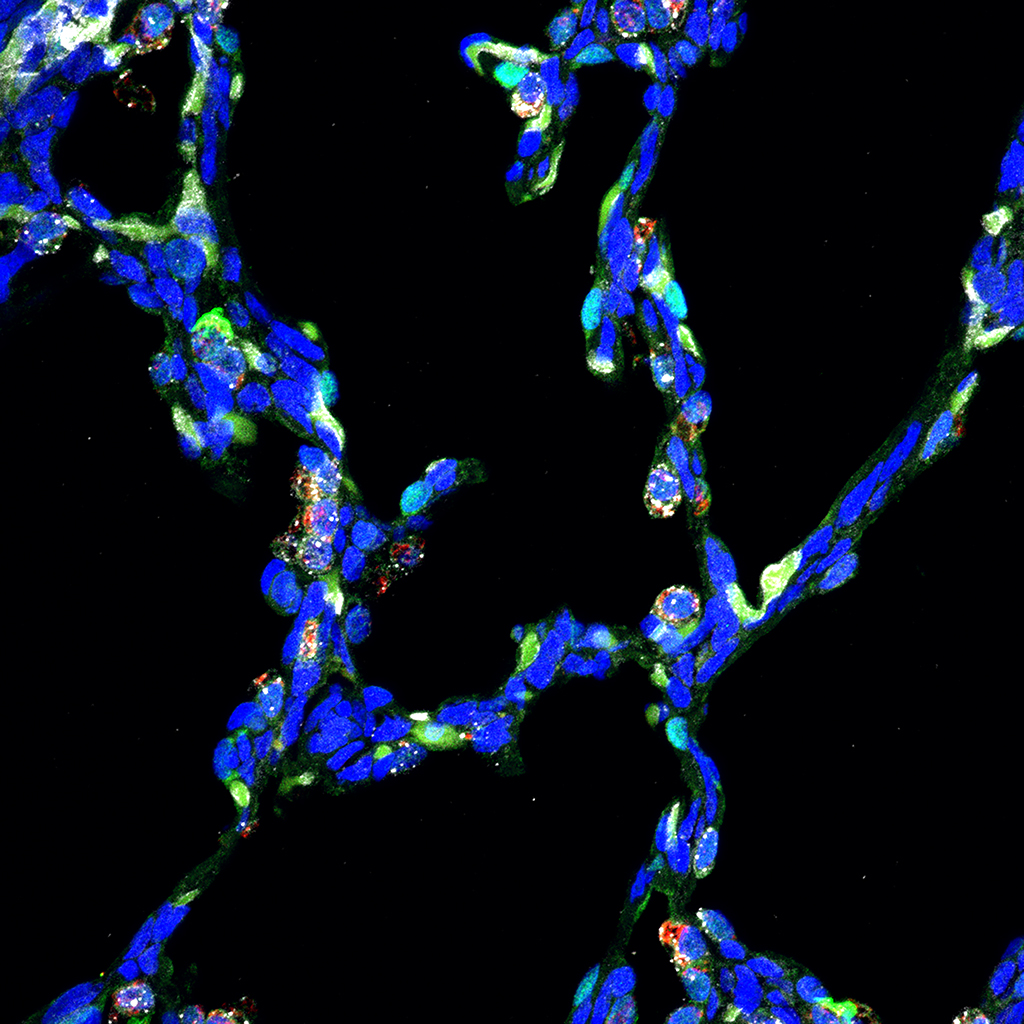
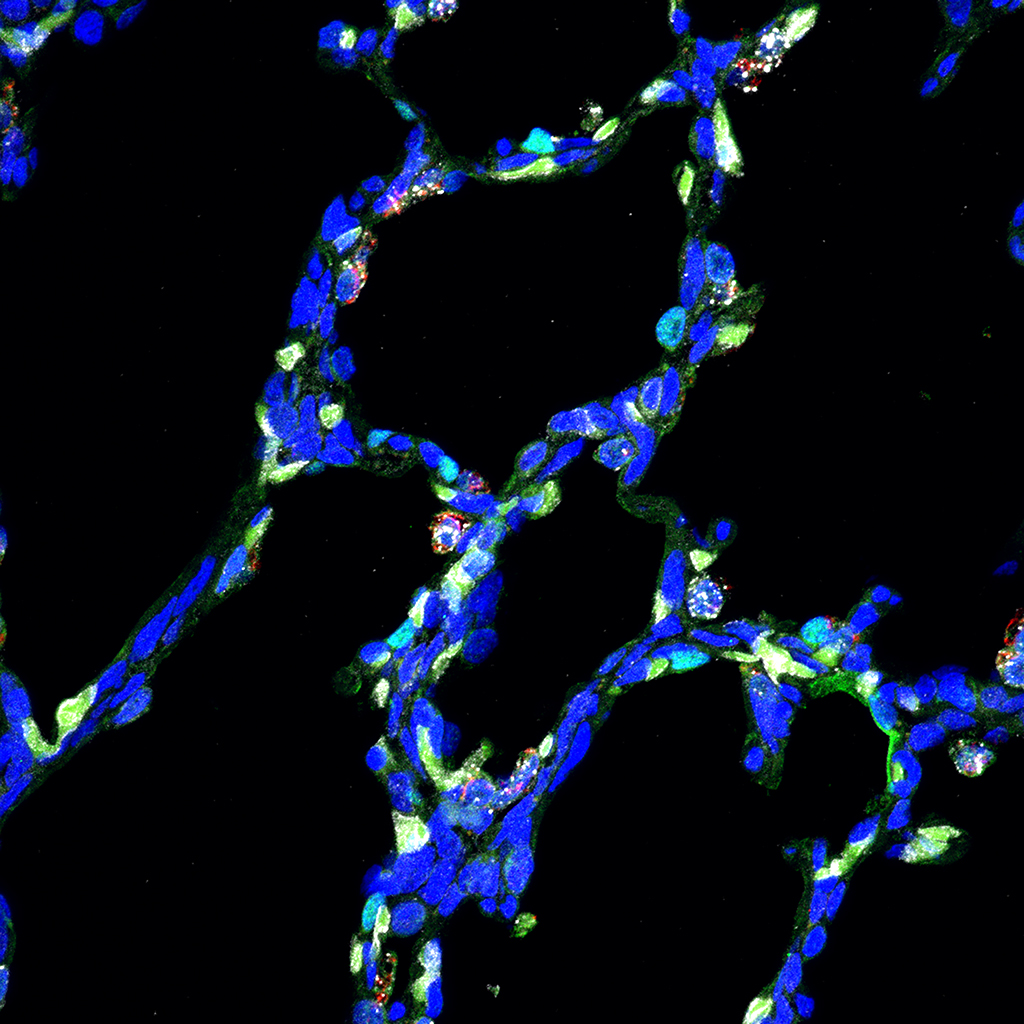
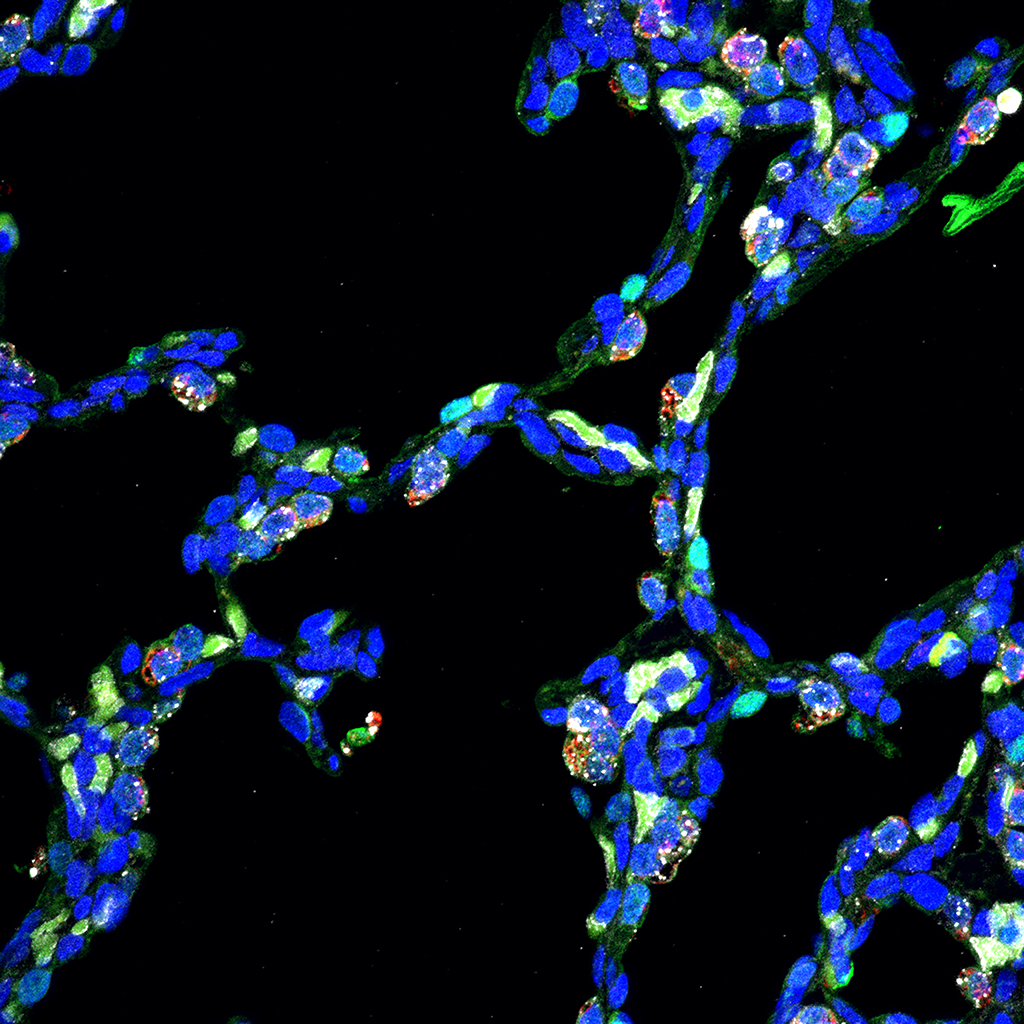
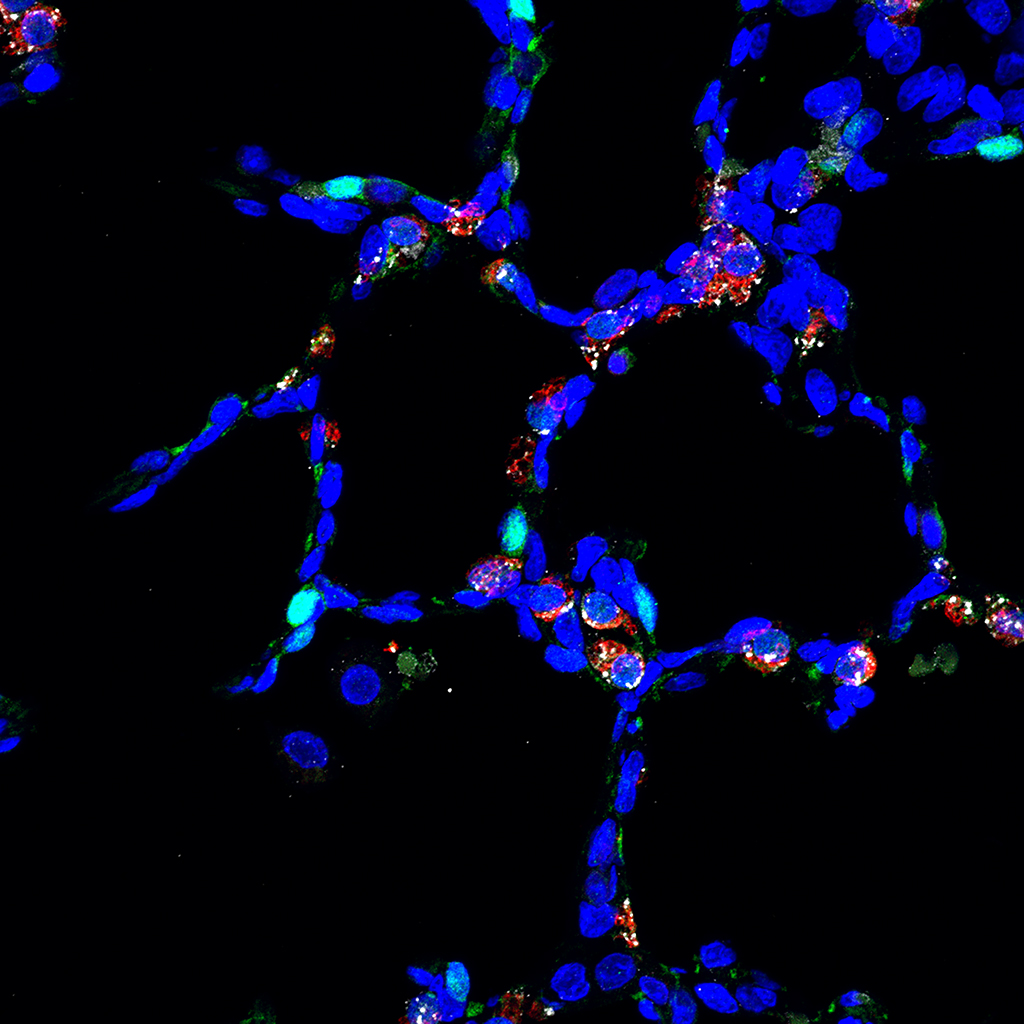
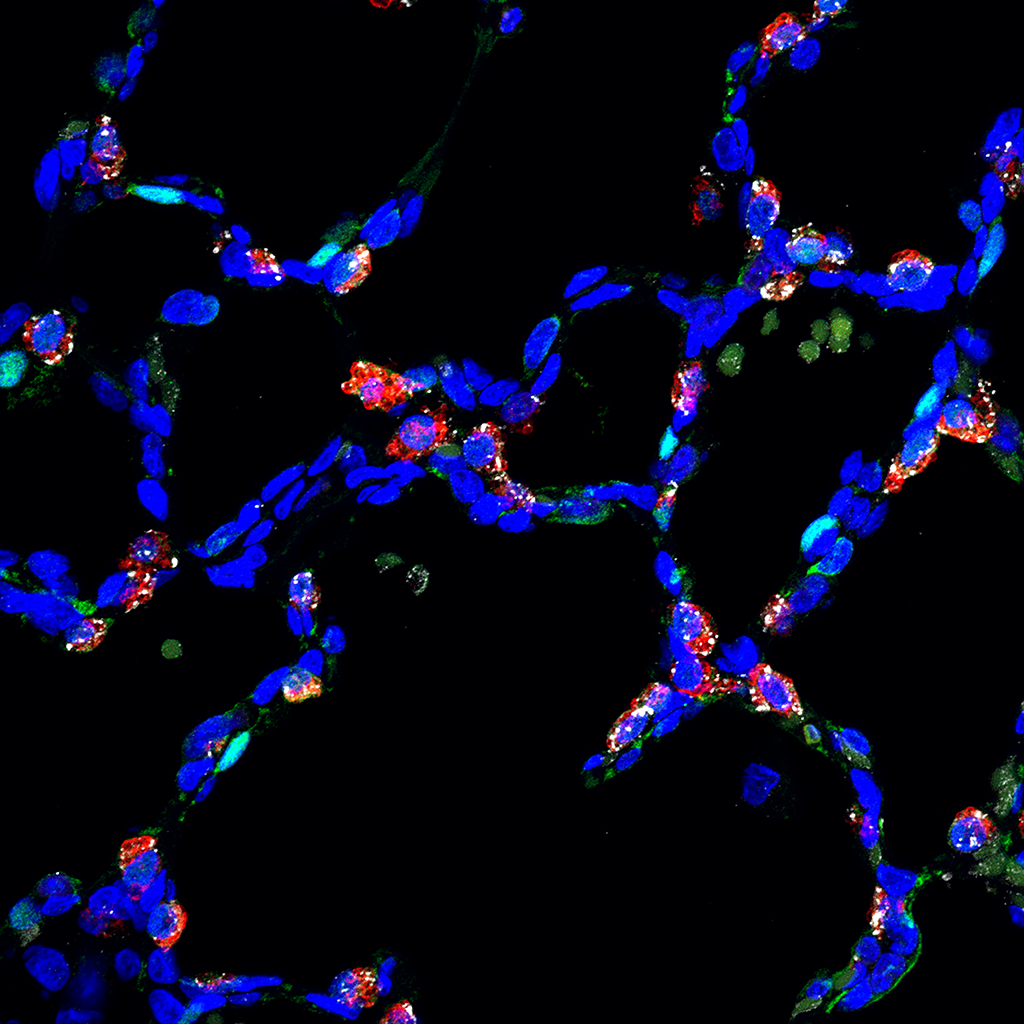
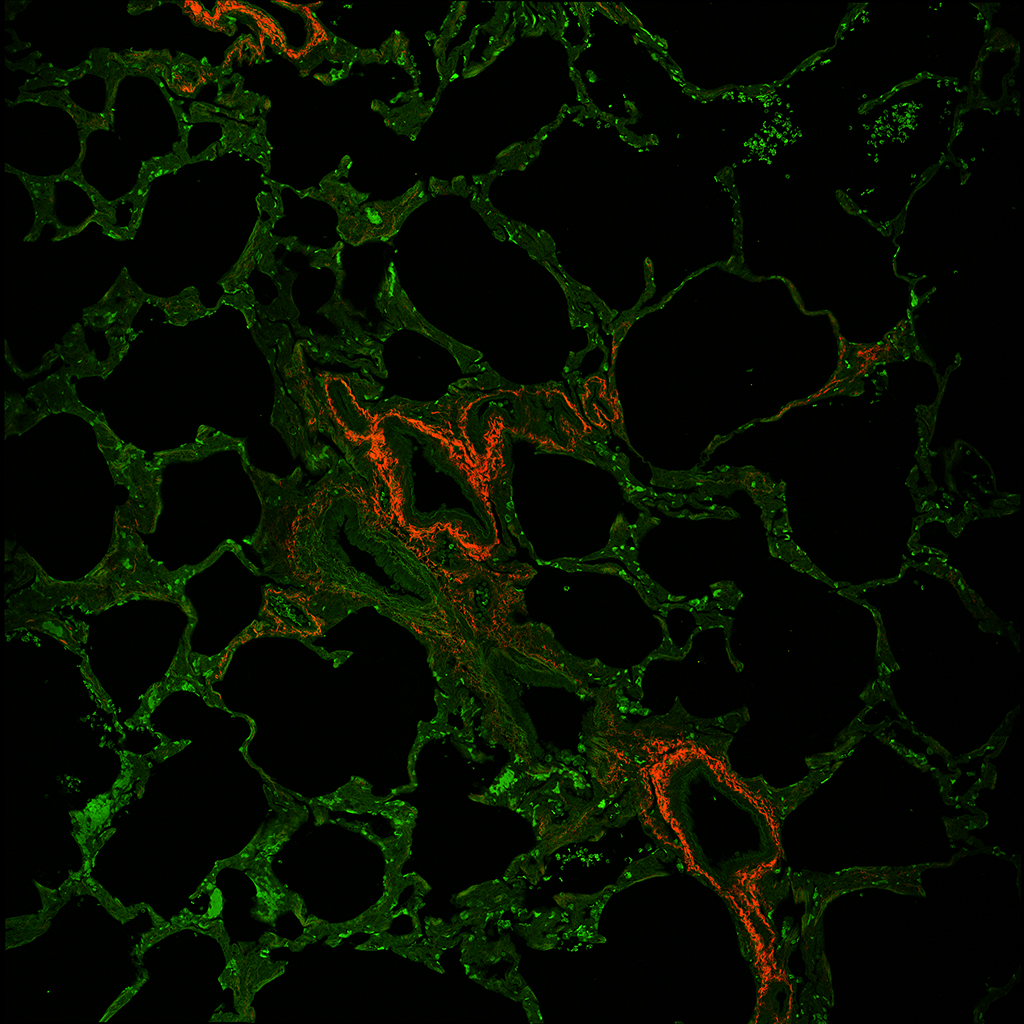
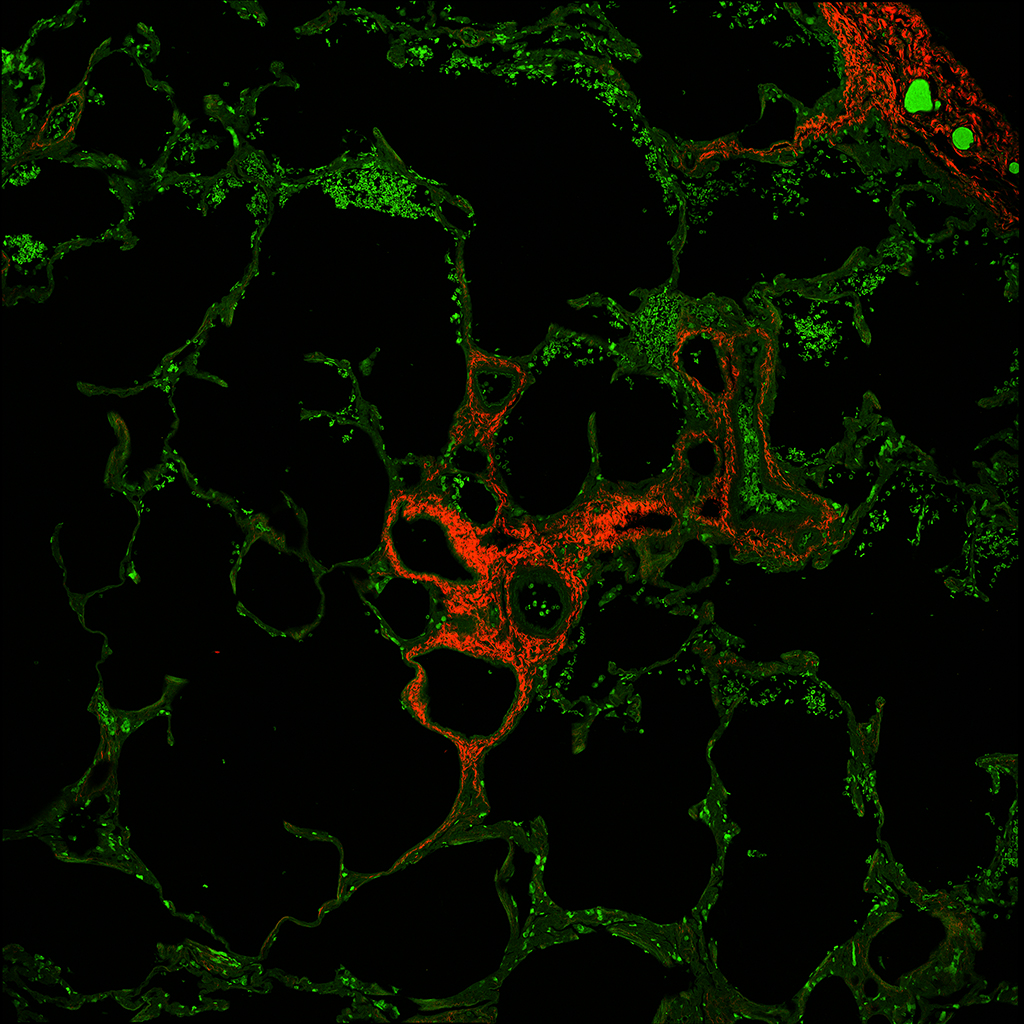
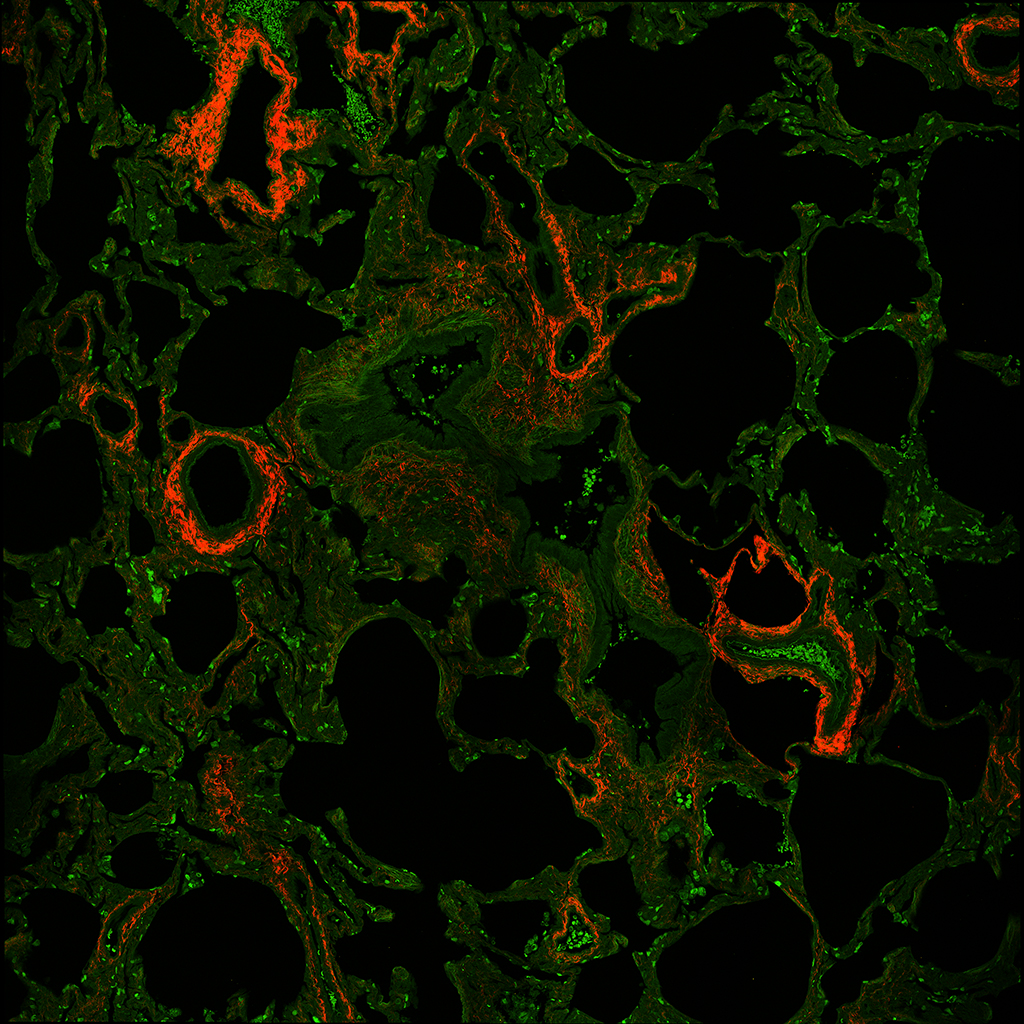
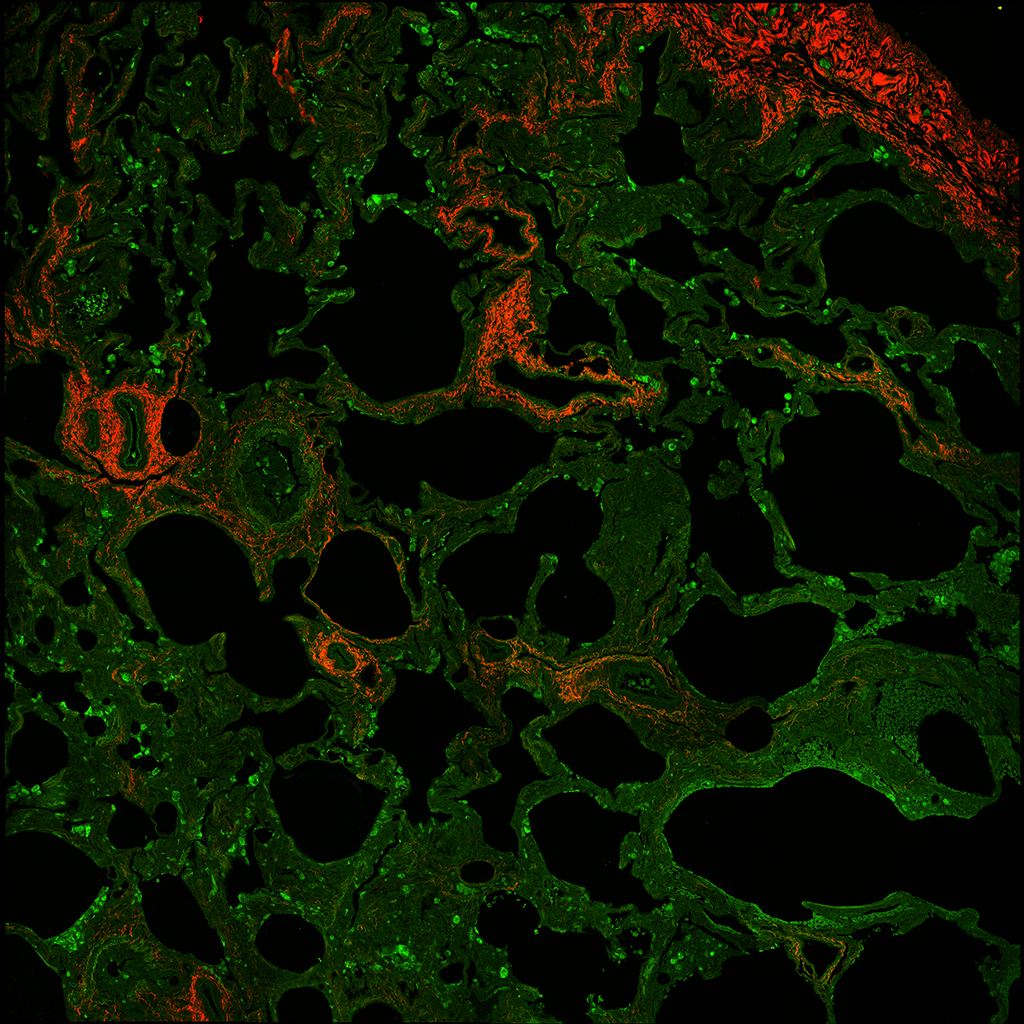
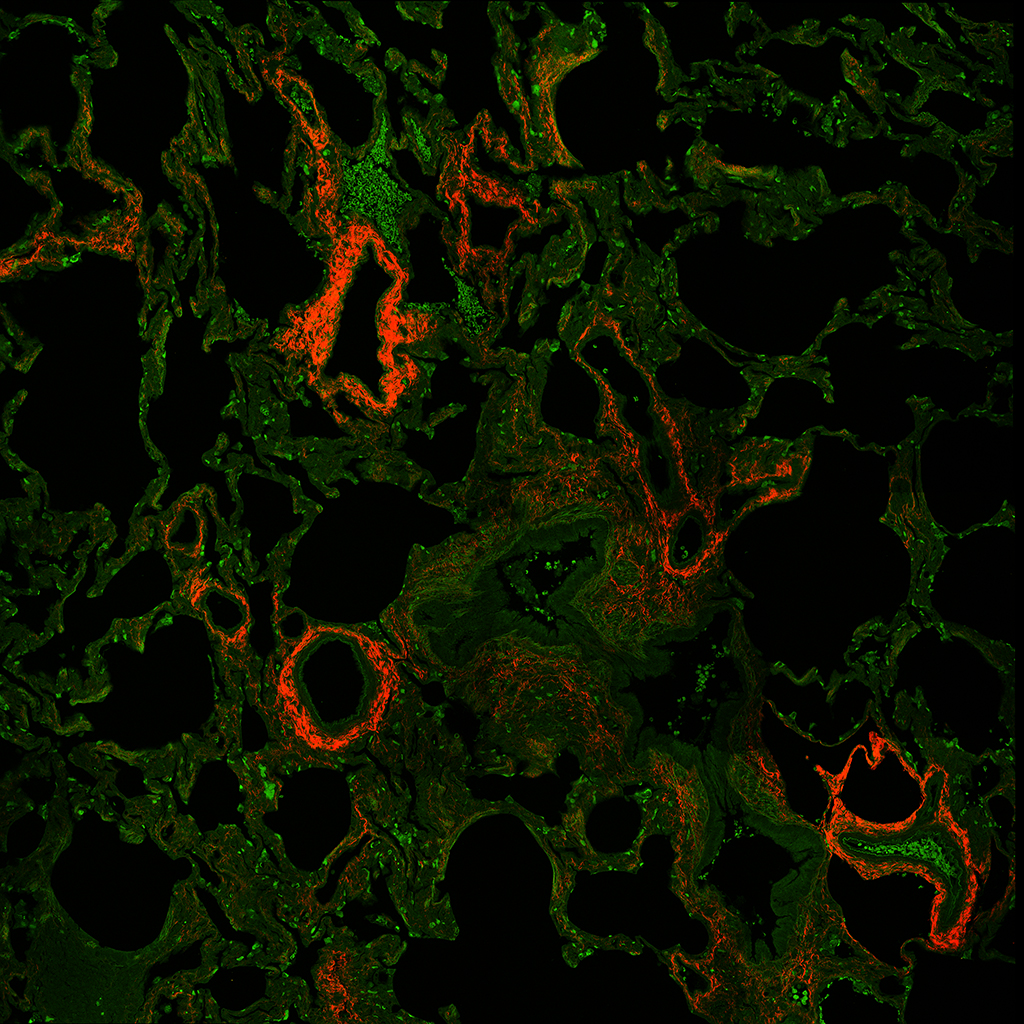
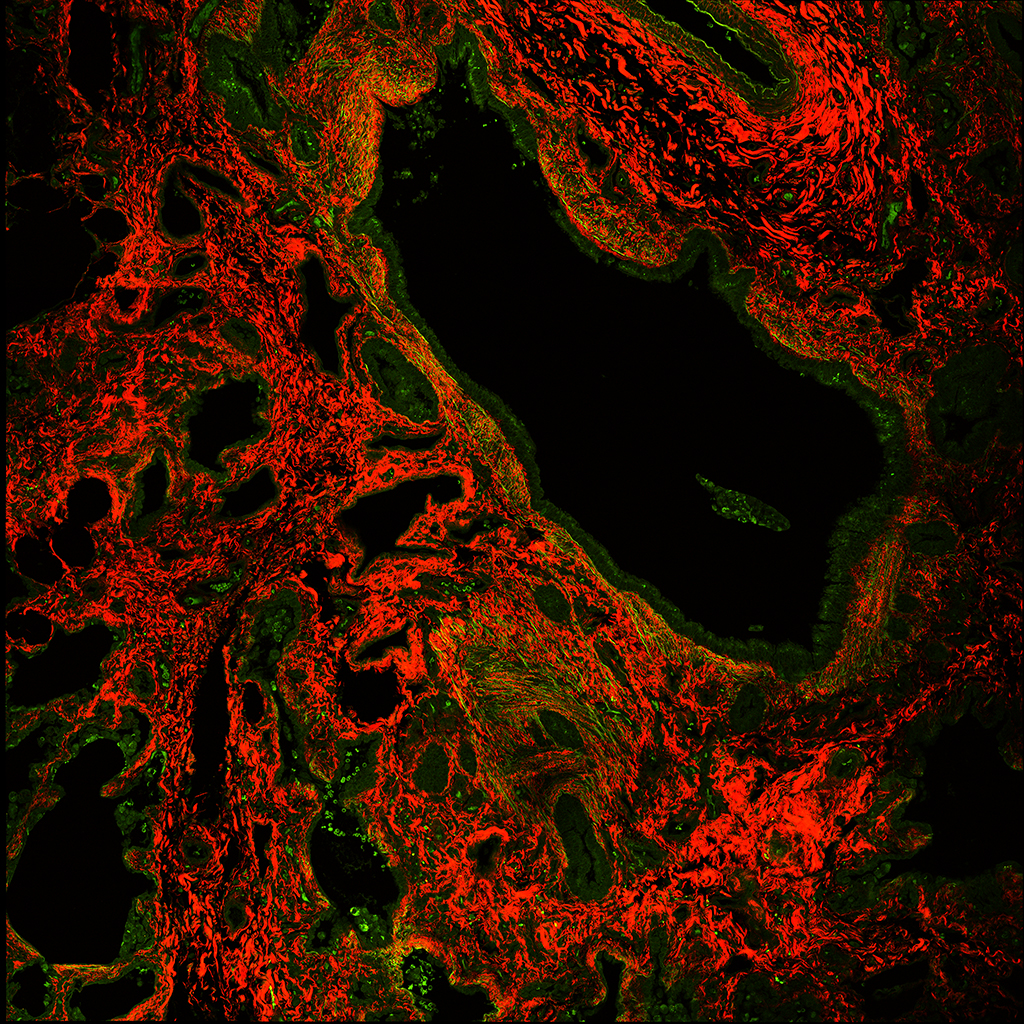
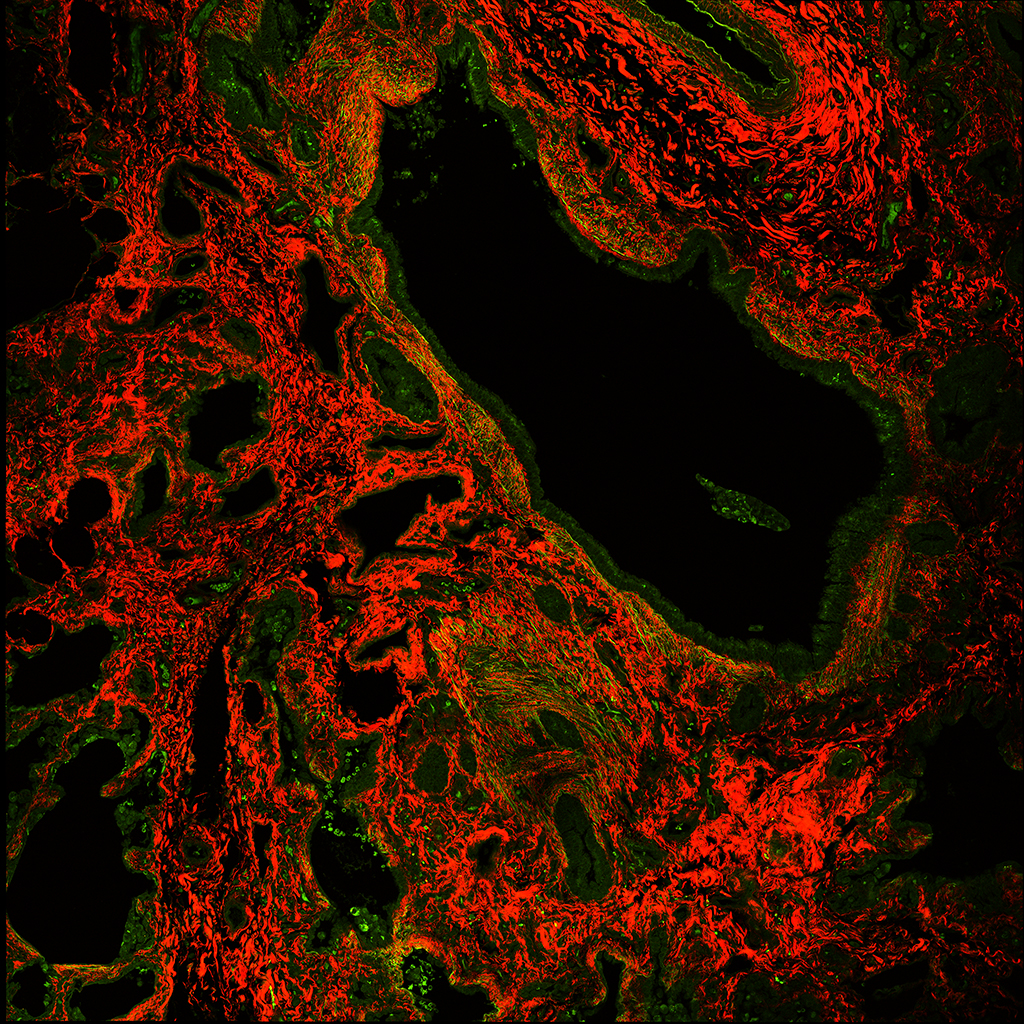
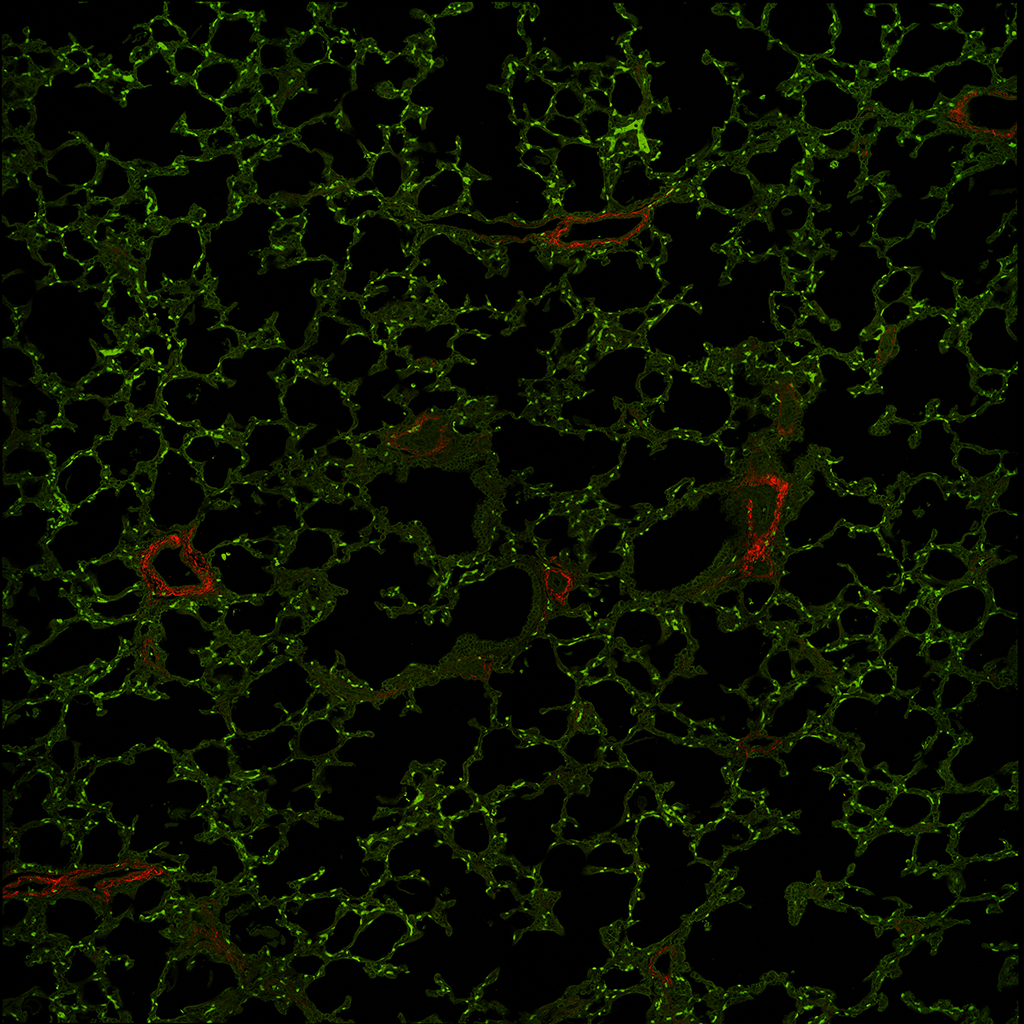
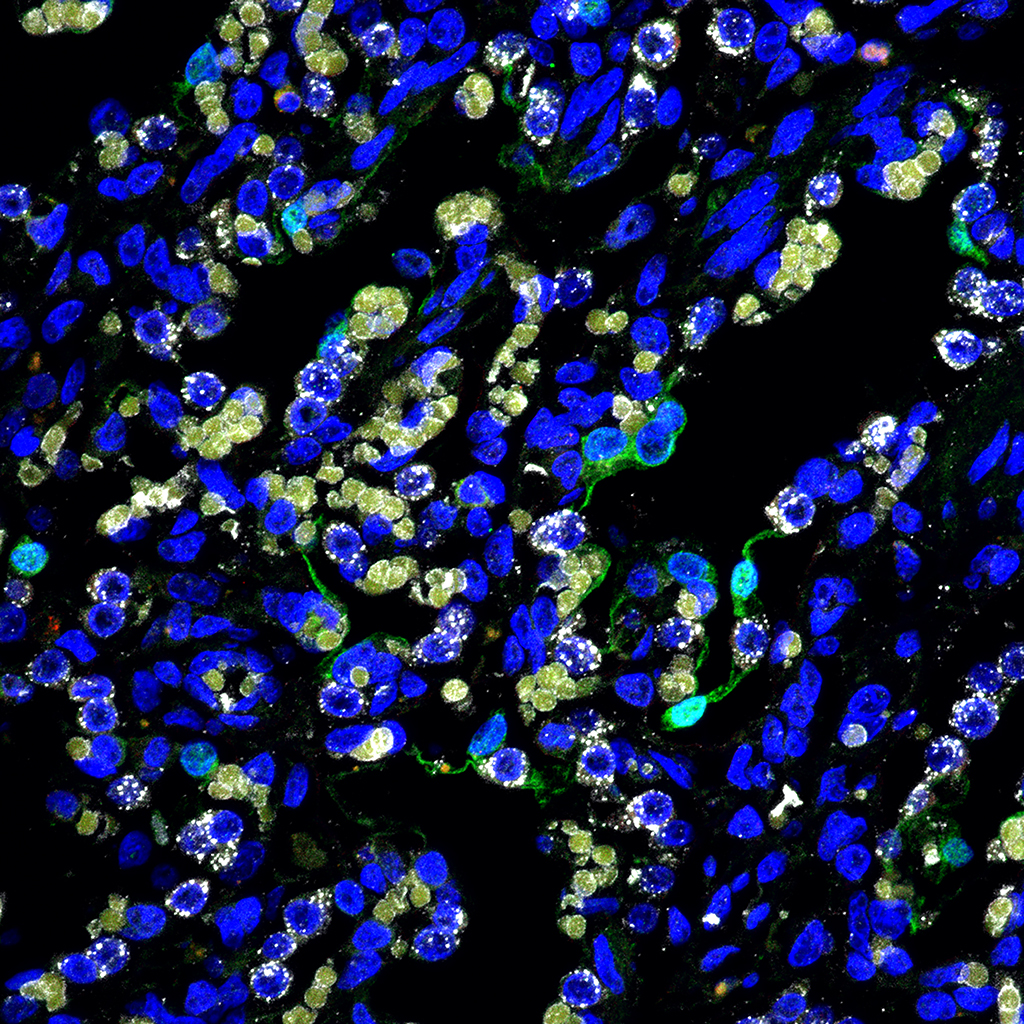
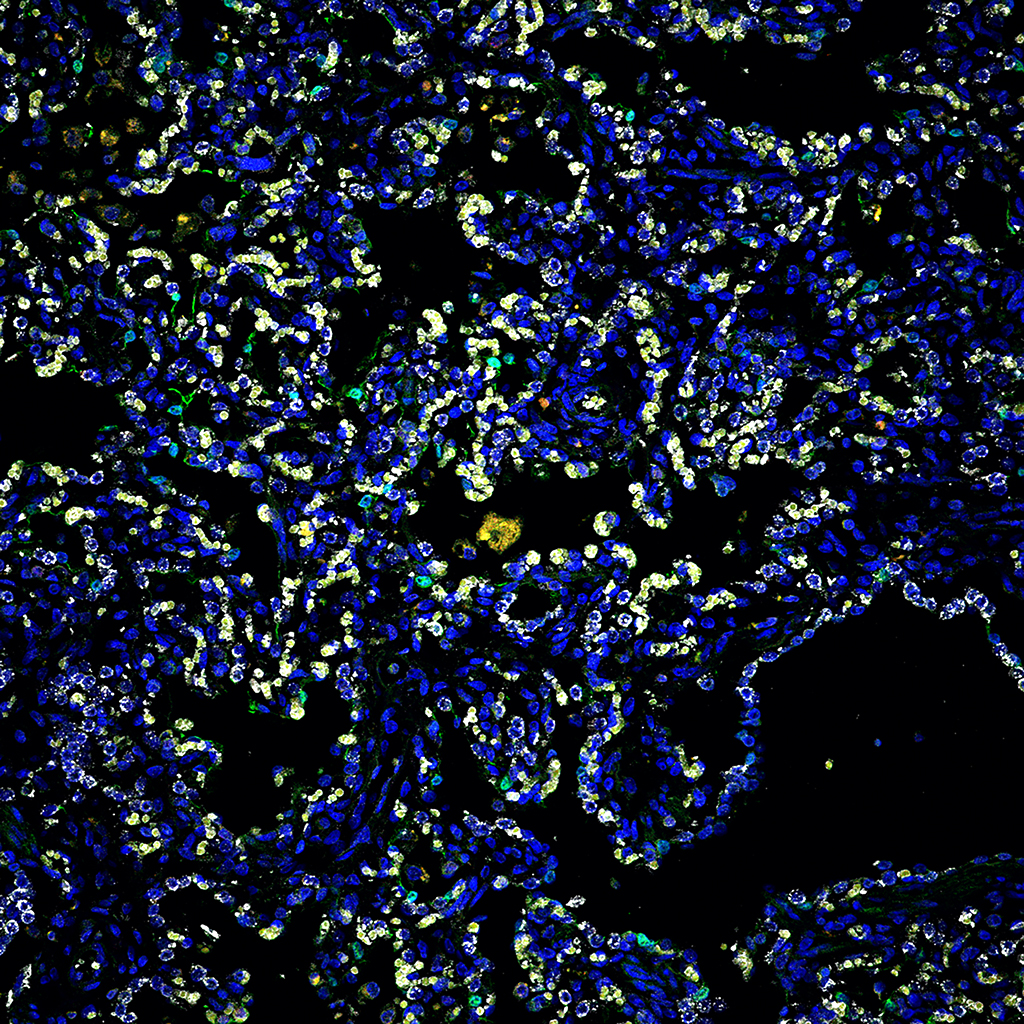
41 Day-Old Human Lung Immunofluorescence and Confocal Imaging Donor 207 Expressing HOPX, ABCA3, and SFTPC

41 Day-Old Human Lung Immunofluorescence and Confocal Imaging Donor 207 Expressing HOPX, ABCA3, and SFTPC

Donor Tissue Kindly Provided by Dr. Gloria Pryhuber from the University of Rochester Medical Center

Pryhuber_Lab

Immunofluorescence- HOPX, ABCA3, and SFTPC


Purpose:  Stain slides of 5µm paraffin sections of human lung from the HTC for HOPX, ABCA3, and SFTPC with antigen retrieval.

Day 1

  1. Paraffin sections are placed at 60oC for 2 hours to overnight to melt paraffin.
  2. Paraffin sections are then placed in xylene 3X for 10 minutes each, followed by 3X in 100% ETOH for 3 minutes each, 95% ETOH for 3 minutes each, and 70% ETOH for 3 minutes each. Slides are then placed in 1X PBS for 5 minutes to completely rehydrate tissue.
  3. Briefly equilibrate slides in Antigen Retrieval Buffer.
  4. Antigen retrieval, pH 6.0 (times will vary according to microwave).
  5. 10 mM sodium citrate, pH 6.0, and heat in a microwave at 96oC. *We usually do a series of three runs (6-7 minutes each run) to equal the time/temp because of evaporation (refill coplin jars with dH2O).
  6. Microwave according to instructions on microwave.
  7. Cool on countertop, 15 min.
  8. Rinse with dH2O
  9. 1X PBS, 5 min.
  10. Block in 4% Goat serum/PBS-T, 2 hours at RT.
  11. For Rabbit anti-HOPX (SC-30216, Lot# C2212, Santa Cruz) dilute 1:100, for mouse anti-ABCA3 (WMAB-17G524, Seven Hills Bioreagents) dilute 1:100, for guinea pig SFTPC (GP992, in house, bleed date 12.13.07) dilute 1:500 in blocking buffer. Spin down in µfuge for 20 minutes and incubate on tissue overnight @ 4 degrees C

Day 2

  1. Rinse slides in PBS-T 3X, 5 min.
  2. Apply secondary antibody, Goat Alexa Fluor 488 anti-rabbit IgG (A11034, Lot# 188524,  for anti-HOPX), Goat Alexa Fluor 568 anti-mouse IgG2B (A21144, Lot# 1906480, for anti-ABCA3) at 1:200, Donkey Alexa Fluor 647 anti-guinea pig (706-605-148, for anti SFTPC) at 1:200, in blocking buffer. Spin down in µfuge for 20 min, apply to tissue and incubated at room temperature for 1 hour.
  3. Rinse in PBS-T 3X, 5 min.
  4. Dilute DAPI 1:2000 and apply to slides for 10 min.
  5. Wash in PBS-T 3X, 5 min.
  6. Rinse slides in 0.1M PB or TB, 3X, 5 min.
  7. Add 1 drop of Prolong Gold anti-fade mounting medium (P36930).
  8. Coverslip with Gold Seal Coverslip (Cat# 3422 Electron Microscopy Sciences, 22 X 22 mm).
  9. Allow Prolong Gold to cure overnight at room temp in light sealed box.
  10. Store slides in light-sealed box at 4oC.


Tissue Used:
LMH-D207-RLL-4A2.12
Gender: Female
Age: 41 Days


Appendix
Antigen Retrieval Solution

18ml Solution A- 0.1M Citric Acid (Sigma, C1909) pH 2.5

82ml Reagent B- 0.1M Sodium Citrate (Sigma, S4641 ) pH 8.2

1L dH2O

pH 6.0

By |2019-09-30T18:29:06+00:00September 30th, 2019|Categories: Uncategorized|0 Comments

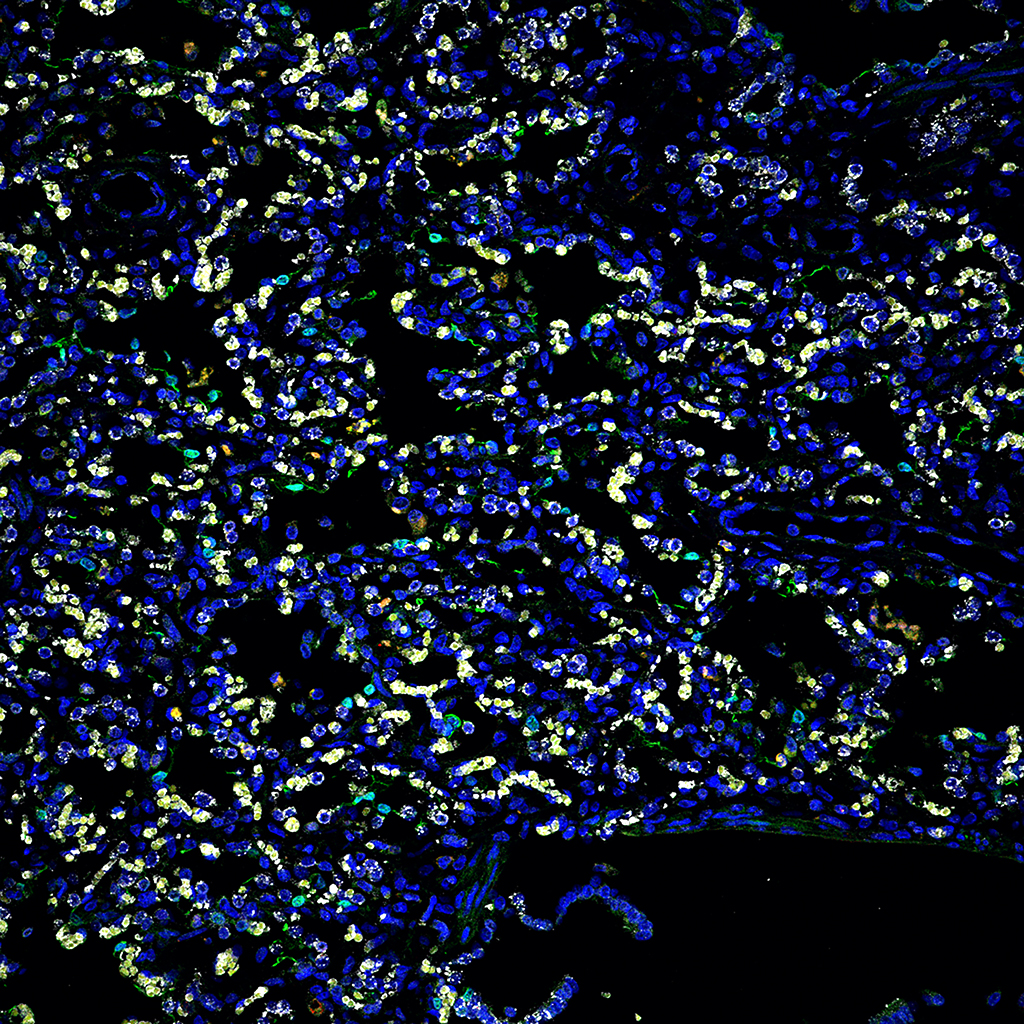
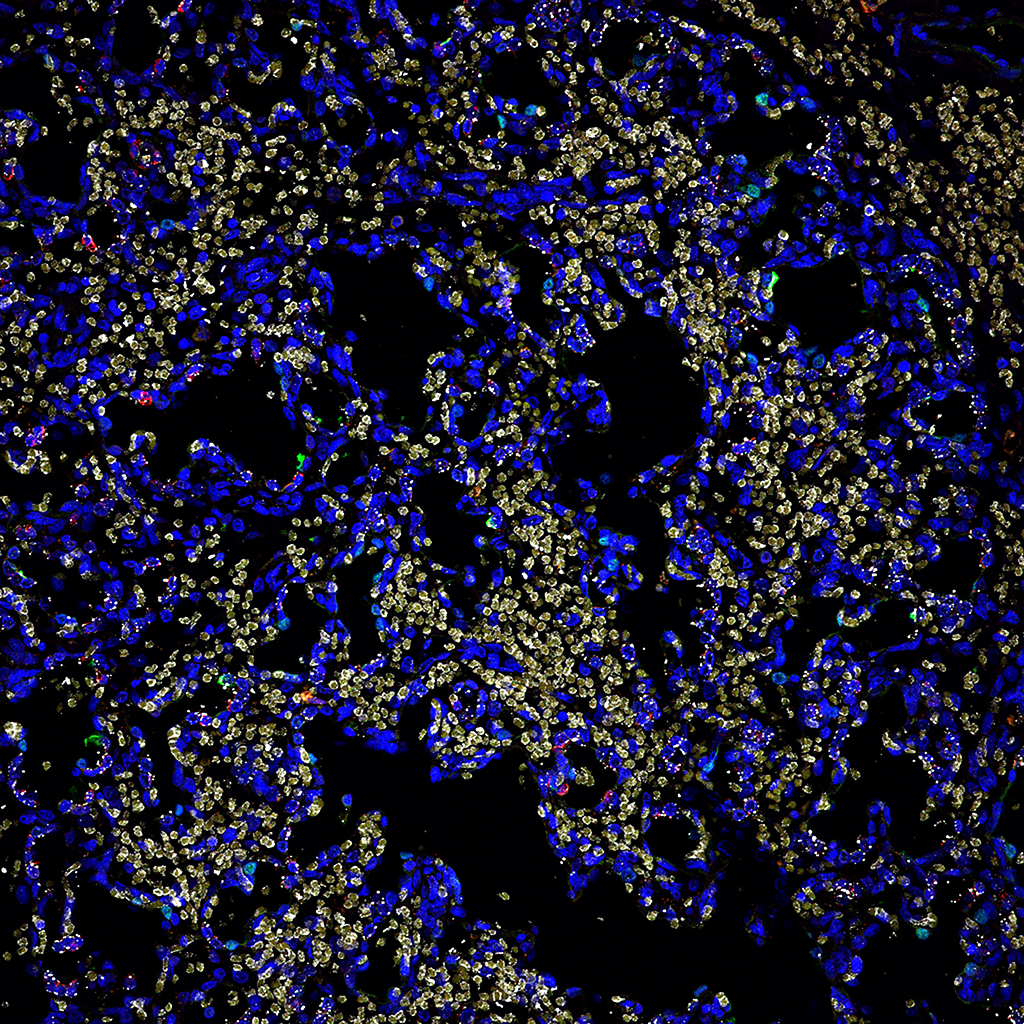
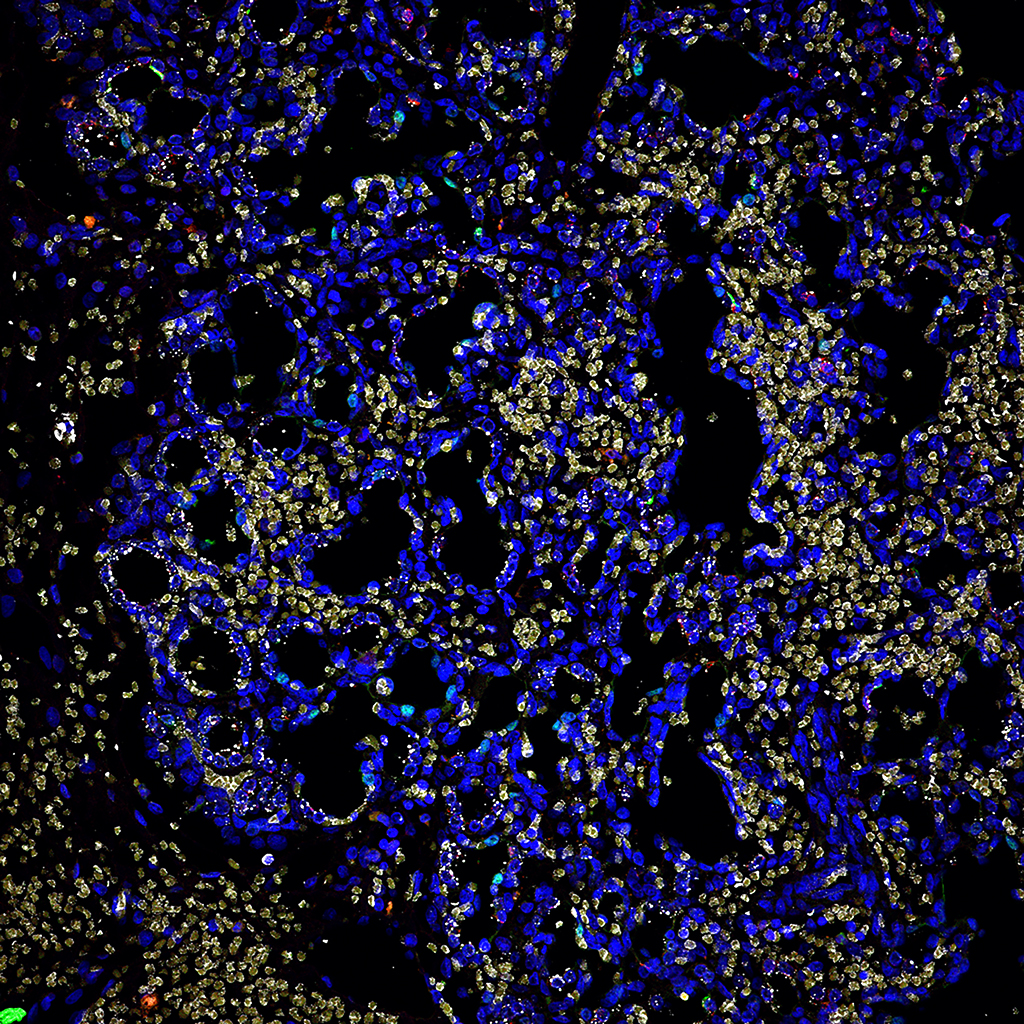
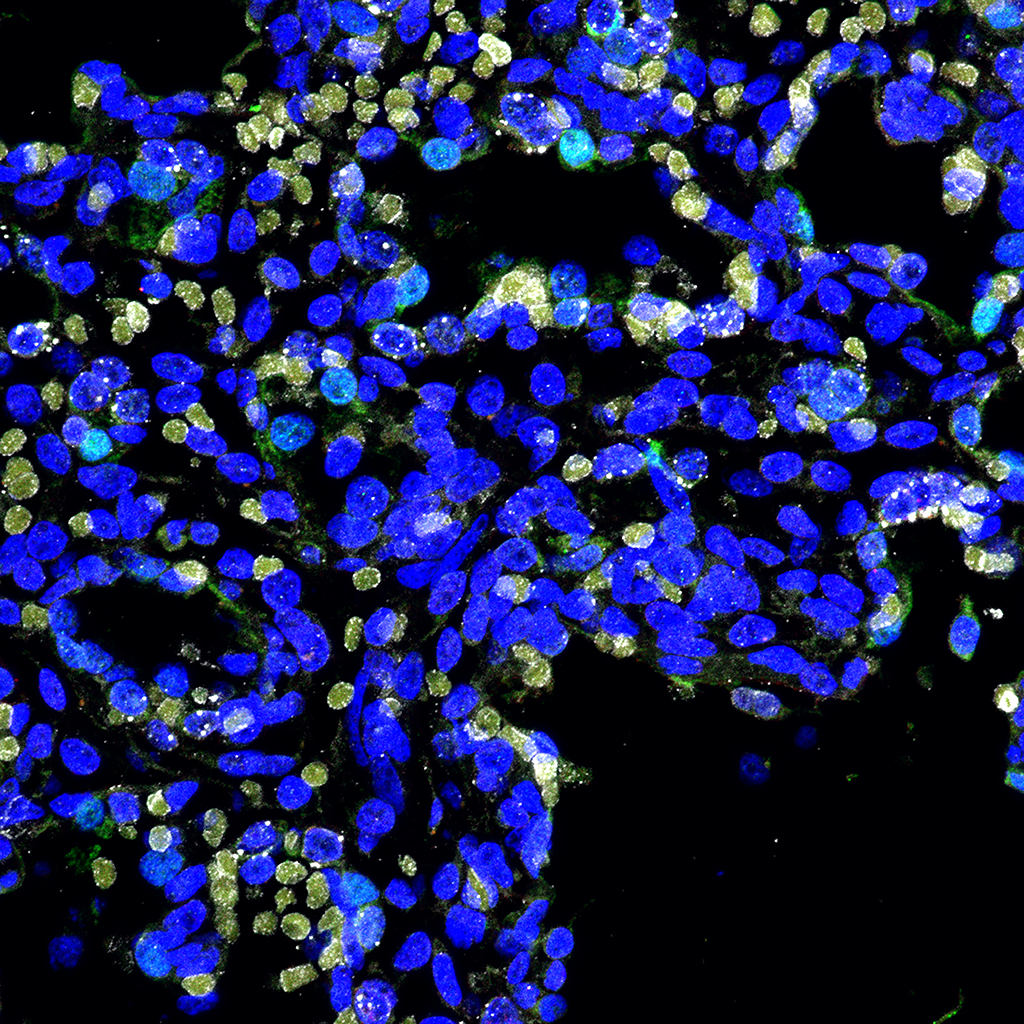
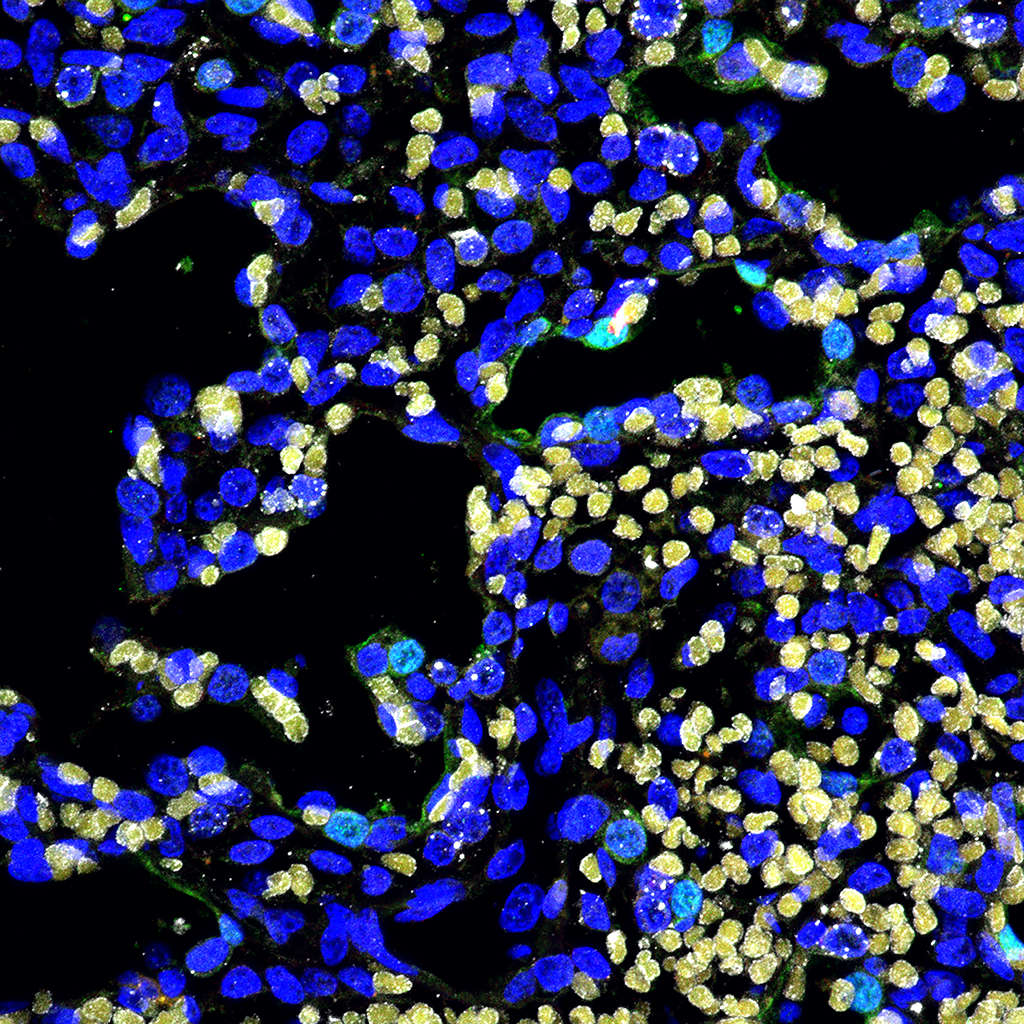
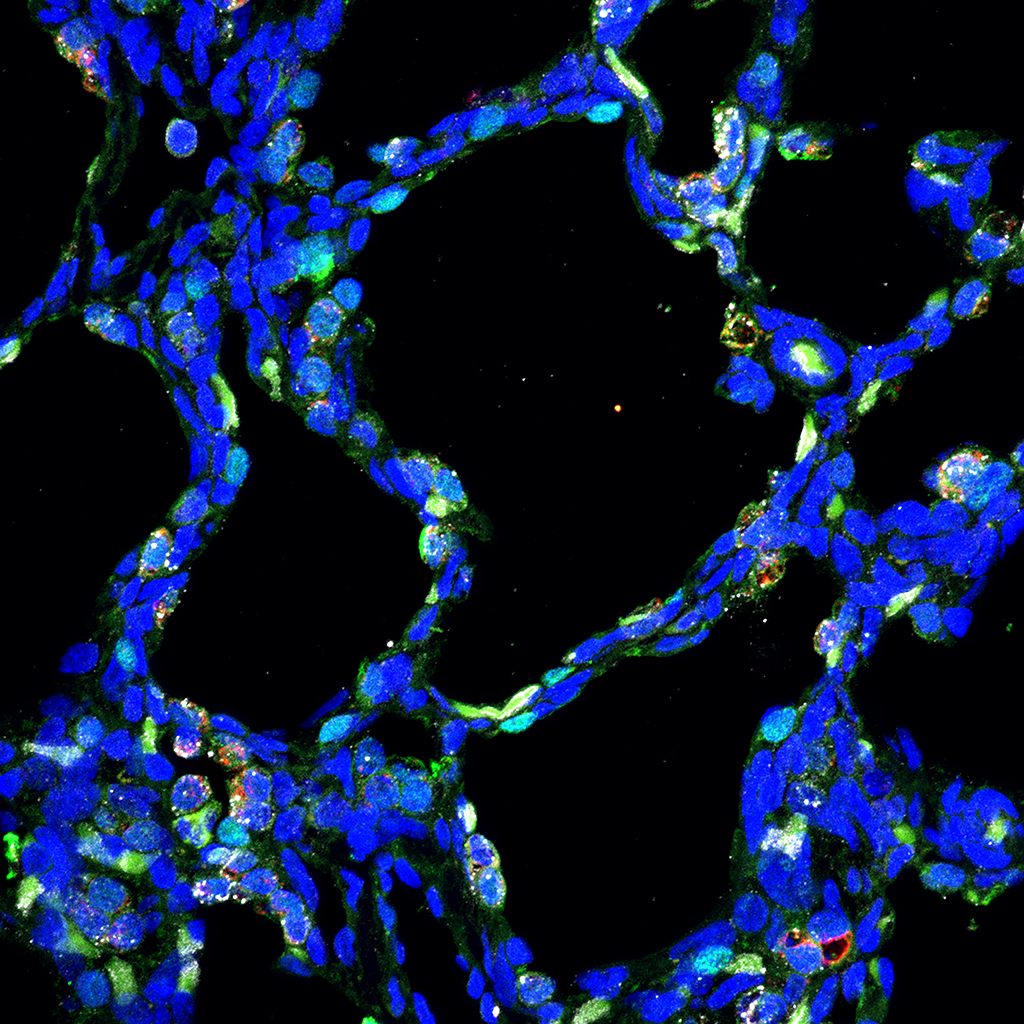
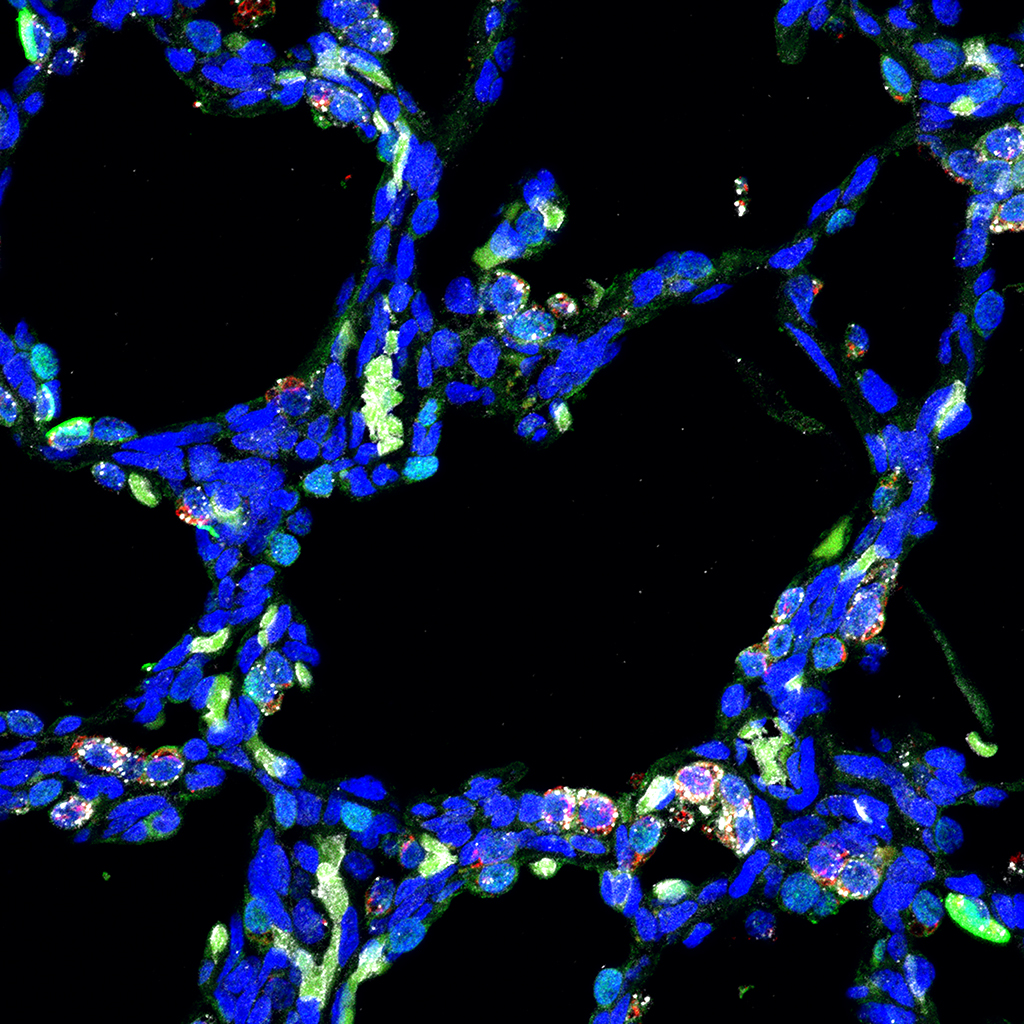
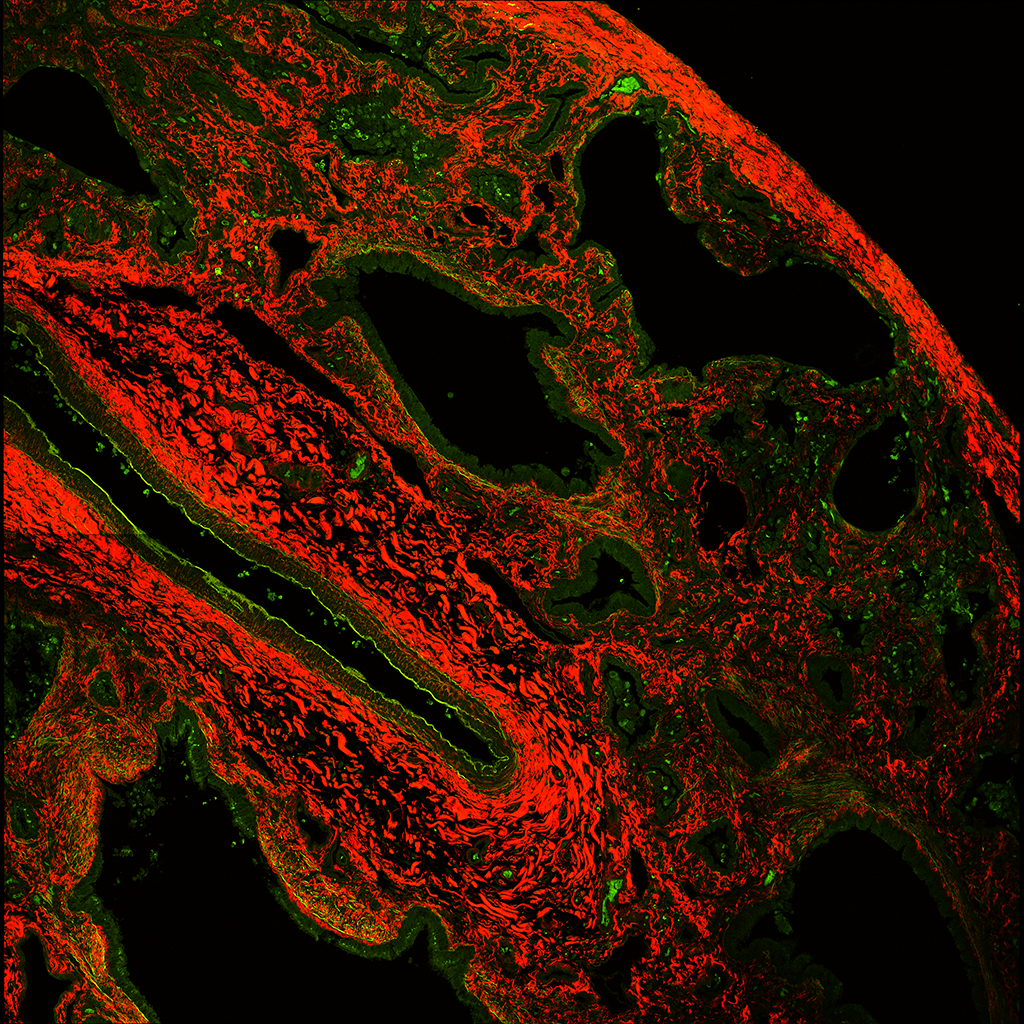
1 Day-Old Human Lung Immunofluorescence and Confocal Imaging Donor 127 Expressing HOPX, ABCA3, and SFTPC

1 Day-Old Human Lung Immunofluorescence and Confocal Imaging Donor 127 Expressing HOPX, ABCA3, and SFTPC

Donor Tissue Kindly Provided by Dr. Gloria Pryhuber from the University of Rochester Medical Center

Pryhuber_Lab

Immunofluorescence- HOPX, ABCA3, and SFTPC


Purpose:  Stain slides of 5µm paraffin sections of human lung from the HTC for HOPX, ABCA3, and SFTPC with antigen retrieval.

Day 1

  1. Paraffin sections are placed at 60oC for 2 hours to overnight to melt paraffin.
  2. Paraffin sections are then placed in xylene 3X for 10 minutes each, followed by 3X in 100% ETOH for 3 minutes each, 95% ETOH for 3 minutes each, and 70% ETOH for 3 minutes each. Slides are then placed in 1X PBS for 5 minutes to completely rehydrate tissue.
  3. Briefly equilibrate slides in Antigen Retrieval Buffer.
  4. Antigen retrieval, pH 6.0 (times will vary according to microwave).
  5. 10 mM sodium citrate, pH 6.0, and heat in a microwave at 96oC. *We usually do a series of three runs (6-7 minutes each run) to equal the time/temp because of evaporation (refill coplin jars with dH2O).
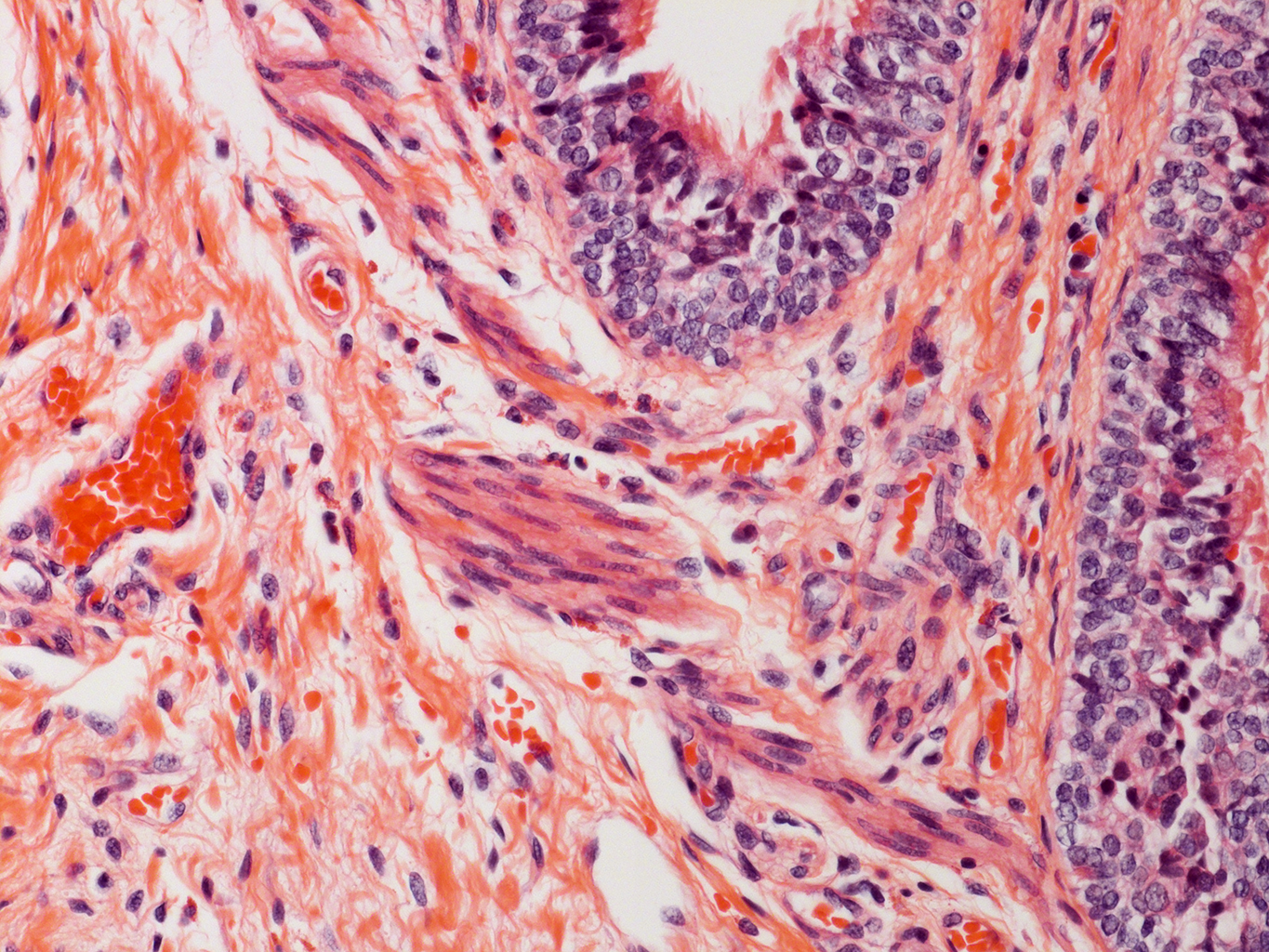
  6. Microwave according to instructions on microwave.
  7. Cool on countertop, 15 min.
  8. Rinse with dH2O
  9. 1X PBS, 5 min.
  10. Block in 4% Goat serum/PBS-T, 2 hours at RT.
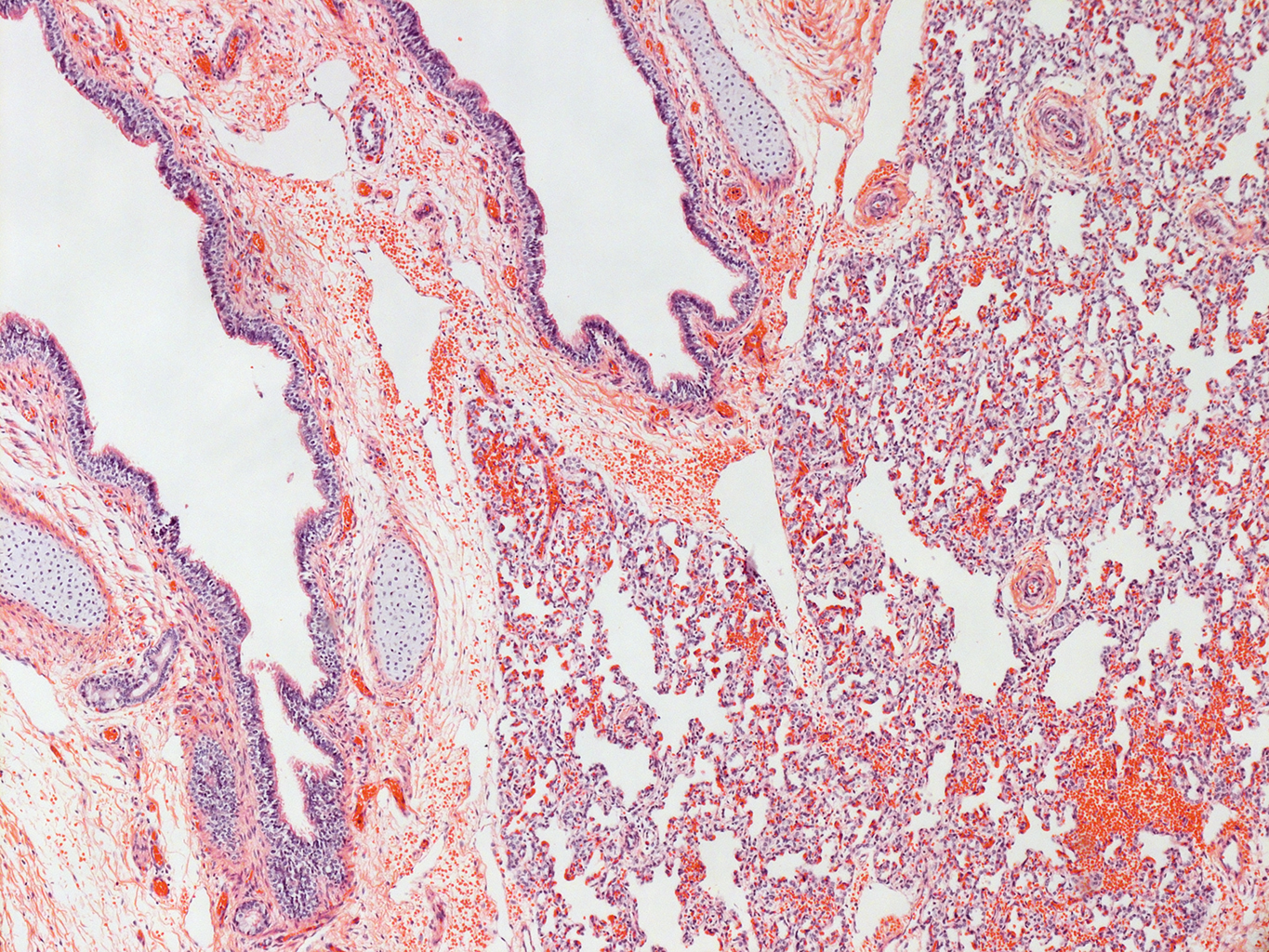
  11. For Rabbit anti-HOPX (SC-30216, Lot# C2212, Santa Cruz) dilute 1:100, for mouse anti-ABCA3 (WMAB-17G524, Seven Hills Bioreagents) dilute 1:100, for guinea pig SFTPC (GP992, in house, bleed date 12.13.07) dilute 1:500 in blocking buffer. Spin down in µfuge for 20 minutes and incubate on tissue overnight @ 4 degrees C

Day 2

  1. Rinse slides in PBS-T 3X, 5 min.
  2. Apply secondary antibody, Goat Alexa Fluor 488 anti-rabbit IgG (A11034, Lot# 188524,  for anti-HOPX), Goat Alexa Fluor 568 anti-mouse IgG2B (A21144, Lot# 1906480, for anti-ABCA3) at 1:200, Donkey Alexa Fluor 647 anti-guinea pig (706-605-148, for anti SFTPC) at 1:200, in blocking buffer. Spin down in µfuge for 20 min, apply to tissue and incubated at room temperature for 1 hour.
  3. Rinse in PBS-T 3X, 5 min.
  4. Dilute DAPI 1:2000 and apply to slides for 10 min.
  5. Wash in PBS-T 3X, 5 min.
  6. Rinse slides in 0.1M PB or TB, 3X, 5 min.
  7. Add 1 drop of Prolong Gold anti-fade mounting medium (P36930).
  8. Coverslip with Gold Seal Coverslip (Cat# 3422 Electron Microscopy Sciences, 22 X 22 mm).
  9. Allow Prolong Gold to cure overnight at room temp in light sealed box.
  10. Store slides in light-sealed box at 4oC.


Tissue Used:
LMH-D127-RLL-6A2.36
Gender: Male
Age: 1 Day


Appendix
Antigen Retrieval Solution

18ml Solution A- 0.1M Citric Acid (Sigma, C1909) pH 2.5

82ml Reagent B- 0.1M Sodium Citrate (Sigma, S4641 ) pH 8.2

1L dH2O

pH 6.0

By |2019-09-30T18:18:09+00:00September 30th, 2019|Categories: Uncategorized|0 Comments

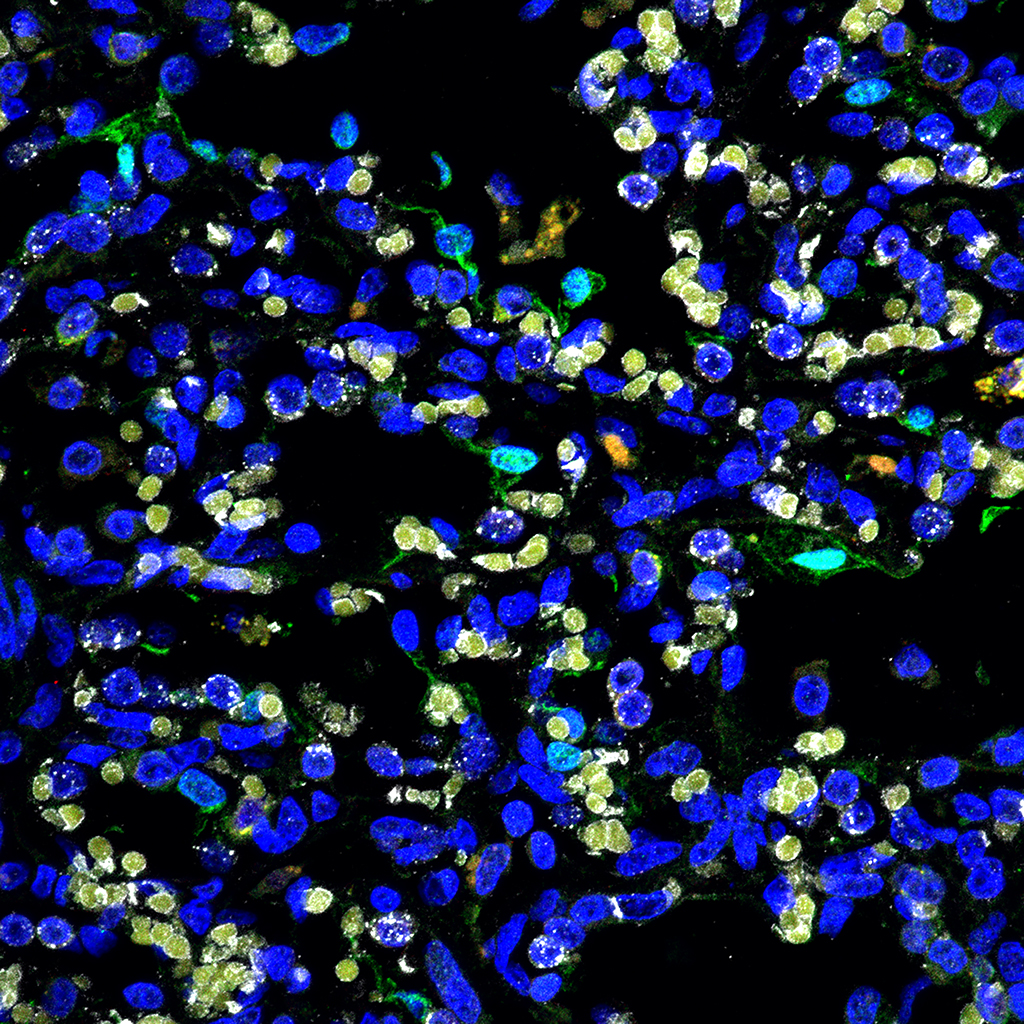
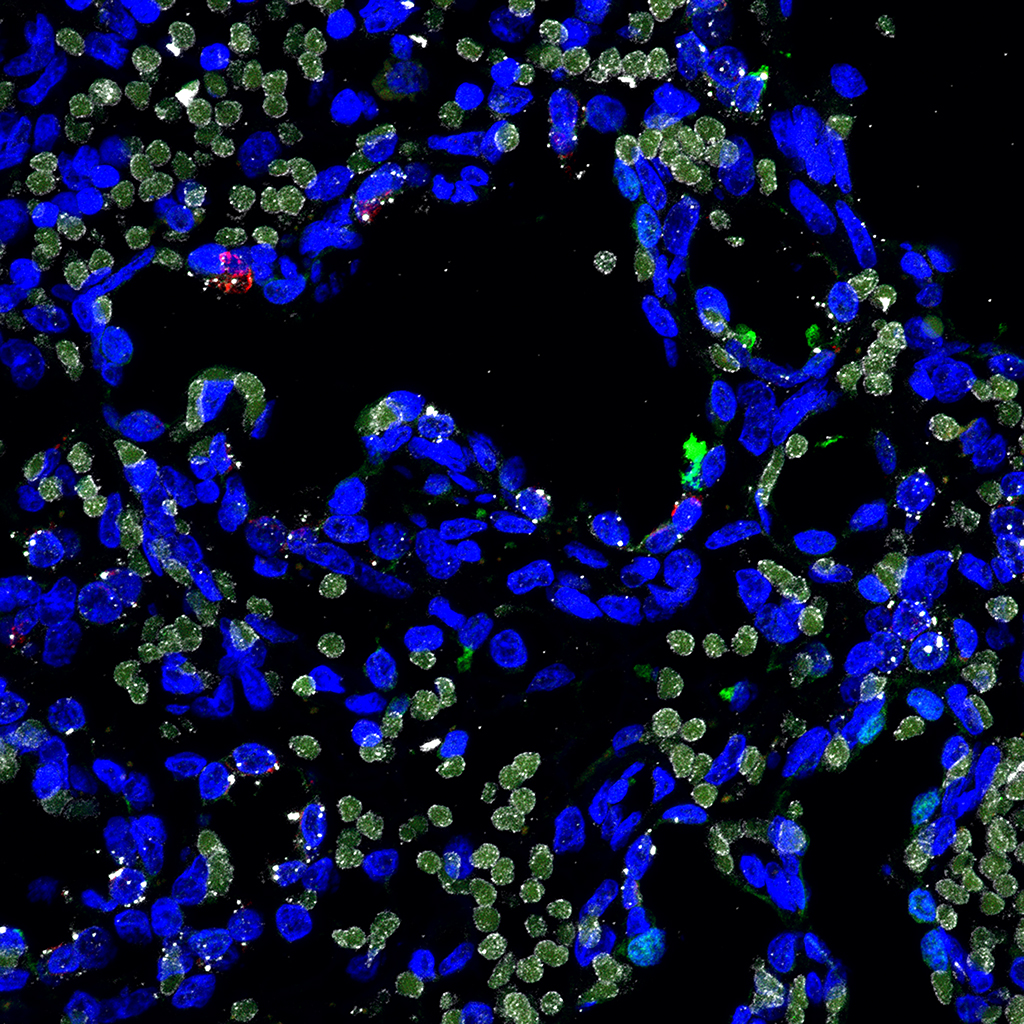
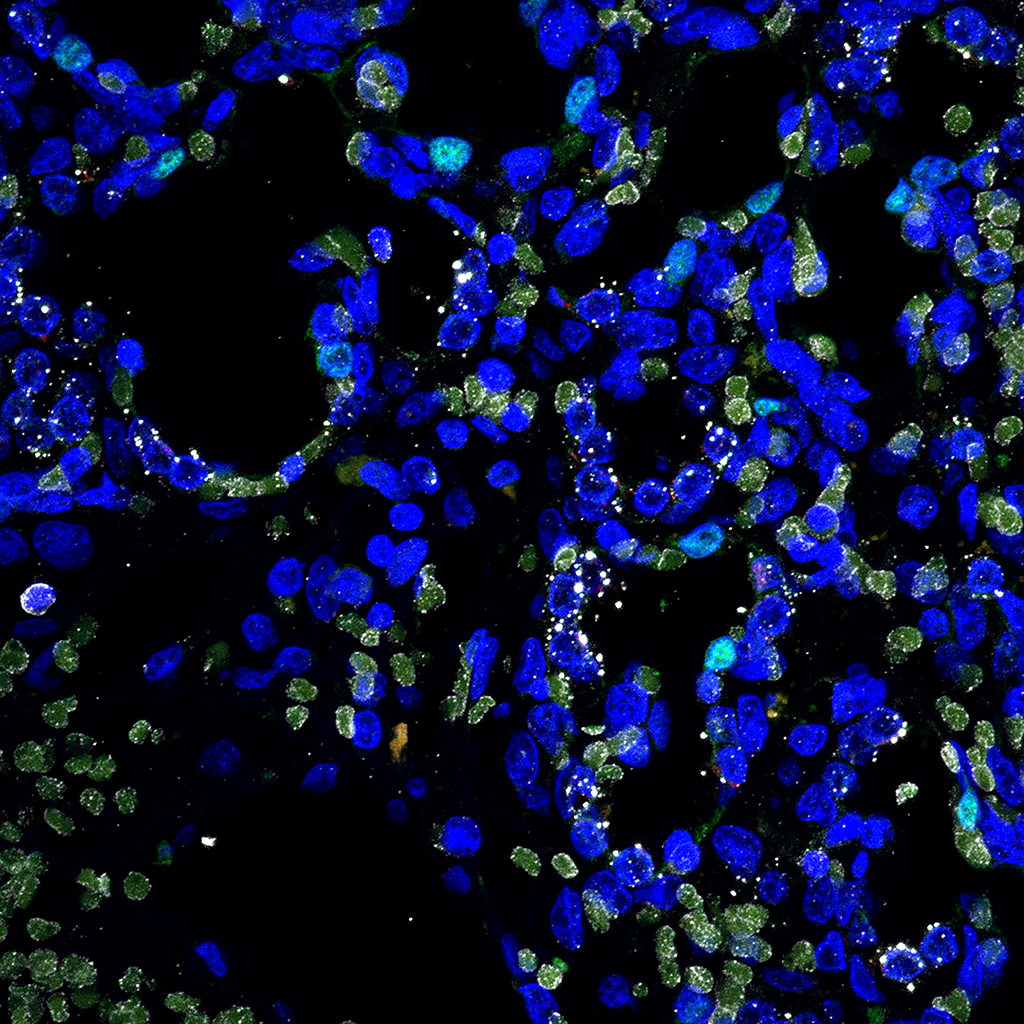
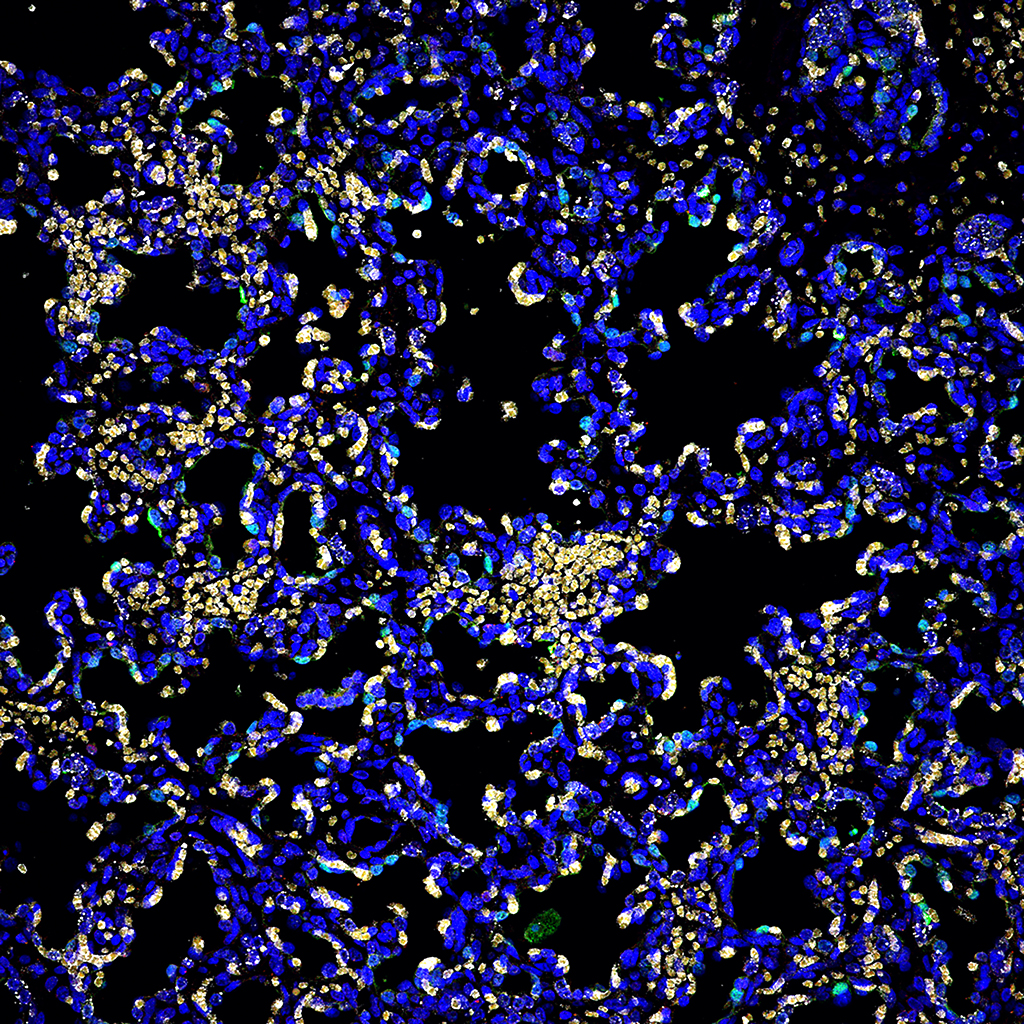
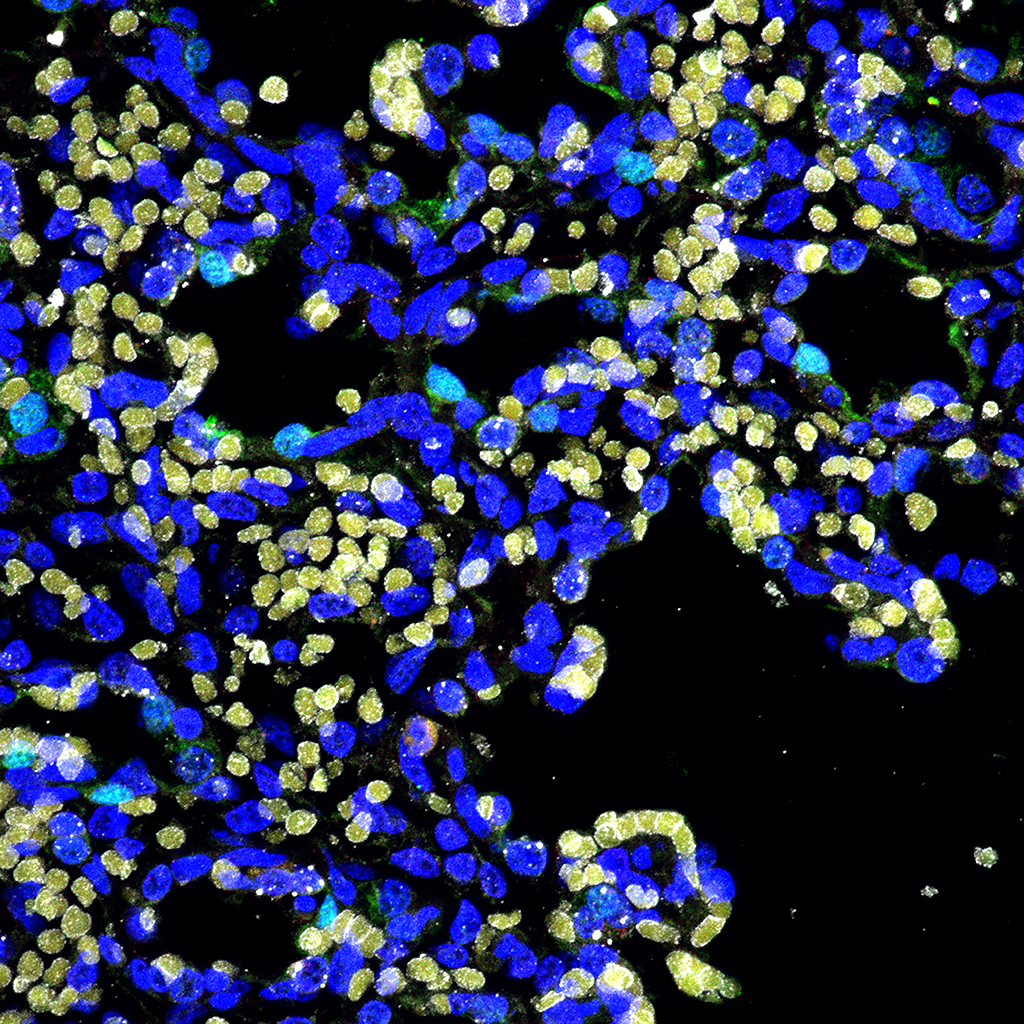
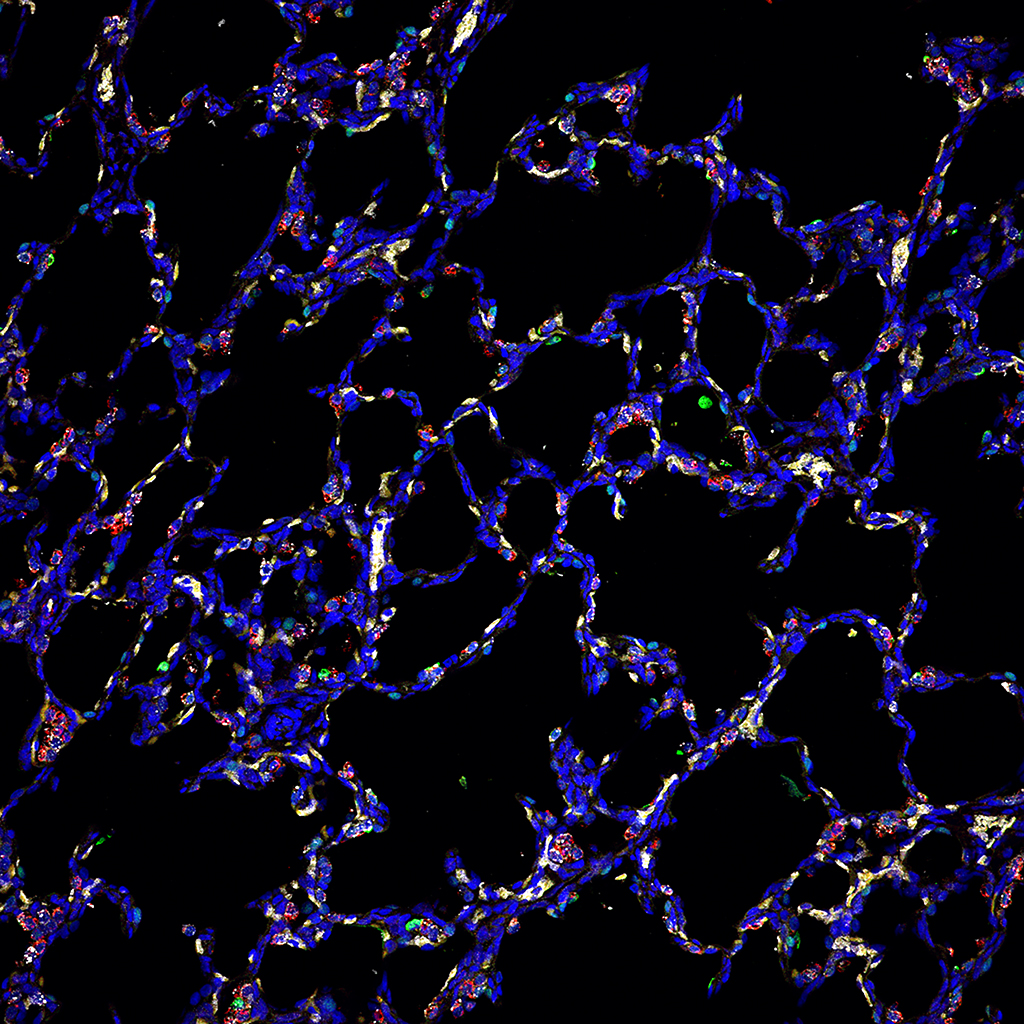
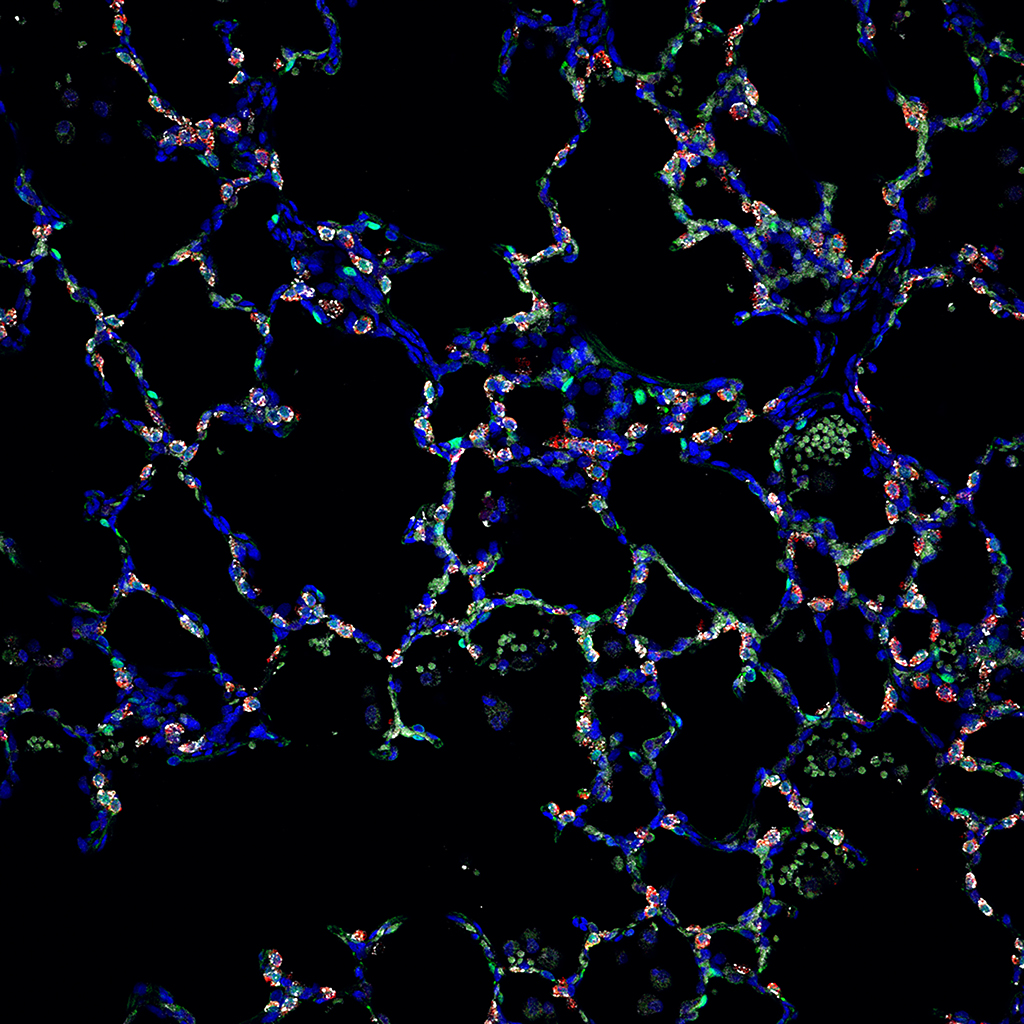
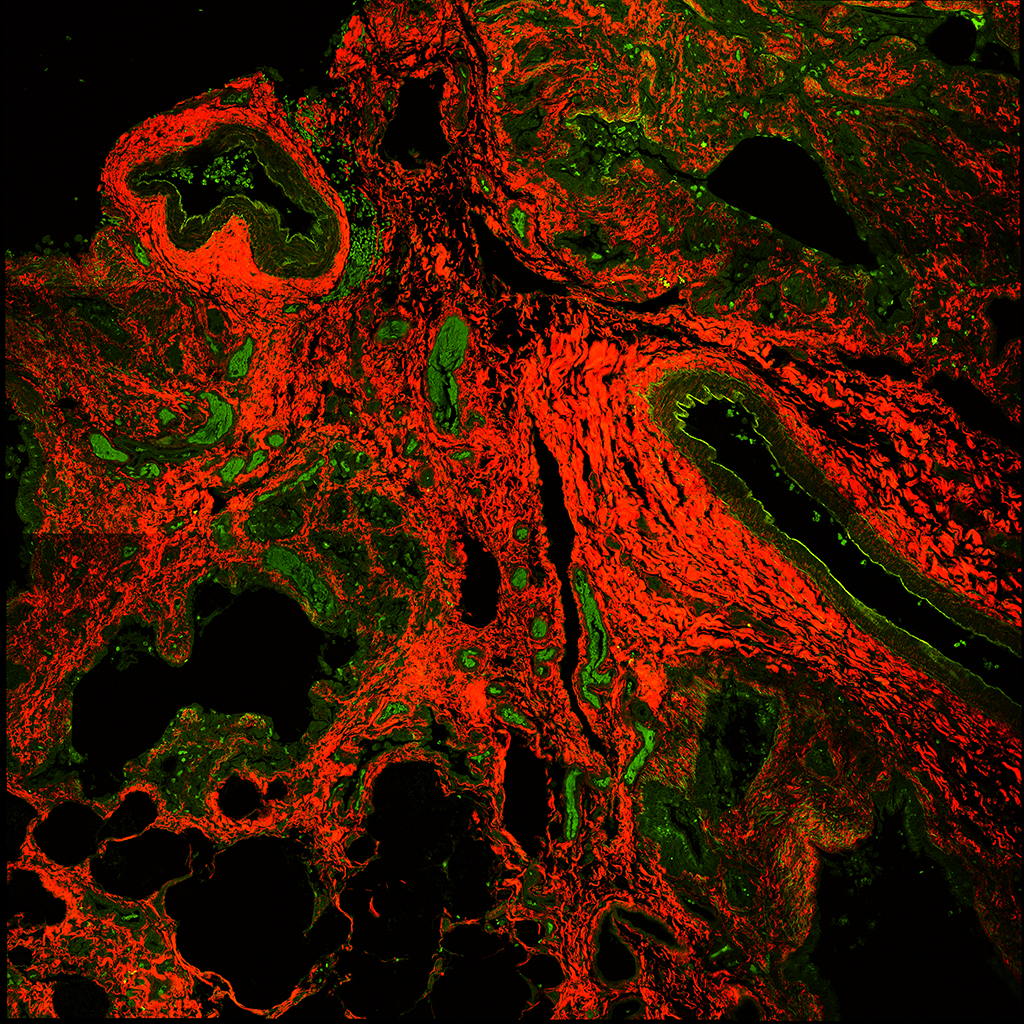
1 Day-Old Human Lung Immunofluorescence and Confocal Imaging Donor 150 Expressing HOPX, ABCA3, and SFTPC

1 Day-Old Human Lung Immunofluorescence and Confocal Imaging Donor 150 Expressing HOPX, ABCA3, and SFTPC

Donor Tissue Kindly Provided by Dr. Gloria Pryhuber from the University of Rochester Medical Center

Pryhuber_Lab

Immunofluorescence- HOPX, ABCA3, and SFTPC


Purpose:  Stain slides of 5µm paraffin sections of human lung from the HTC for HOPX, ABCA3, and SFTPC with antigen retrieval.

Day 1

  1. Paraffin sections are placed at 60oC for 2 hours to overnight to melt paraffin.
  2. Paraffin sections are then placed in xylene 3X for 10 minutes each, followed by 3X in 100% ETOH for 3 minutes each, 95% ETOH for 3 minutes each, and 70% ETOH for 3 minutes each. Slides are then placed in 1X PBS for 5 minutes to completely rehydrate tissue.
  3. Briefly equilibrate slides in Antigen Retrieval Buffer.
  4. Antigen retrieval, pH 6.0 (times will vary according to microwave).
  5. 10 mM sodium citrate, pH 6.0, and heat in a microwave at 96oC. *We usually do a series of three runs (6-7 minutes each run) to equal the time/temp because of evaporation (refill coplin jars with dH2O).
  6. Microwave according to instructions on microwave.
  7. Cool on countertop, 15 min.
  8. Rinse with dH2O
  9. 1X PBS, 5 min.
  10. Block in 4% Goat serum/PBS-T, 2 hours at RT.
  11. For Rabbit anti-HOPX (SC-30216, Lot# C2212, Santa Cruz) dilute 1:100, for mouse anti-ABCA3 (WMAB-17G524, Seven Hills Bioreagents) dilute 1:100, for guinea pig SFTPC (GP992, in house, bleed date 12.13.07) dilute 1:500 in blocking buffer. Spin down in µfuge for 20 minutes and incubate on tissue overnight @ 4 degrees C

Day 2

  1. Rinse slides in PBS-T 3X, 5 min.
  2. Apply secondary antibody, Goat Alexa Fluor 488 anti-rabbit IgG (A11034, Lot# 188524,  for anti-HOPX), Goat Alexa Fluor 568 anti-mouse IgG2B (A21144, Lot# 1906480, for anti-ABCA3) at 1:200, Donkey Alexa Fluor 647 anti-guinea pig (706-605-148, for anti SFTPC) at 1:200, in blocking buffer. Spin down in µfuge for 20 min, apply to tissue and incubated at room temperature for 1 hour.
  3. Rinse in PBS-T 3X, 5 min.
  4. Dilute DAPI 1:2000 and apply to slides for 10 min.
  5. Wash in PBS-T 3X, 5 min.
  6. Rinse slides in 0.1M PB or TB, 3X, 5 min.
  7. Add 1 drop of Prolong Gold anti-fade mounting medium (P36930).
  8. Coverslip with Gold Seal Coverslip (Cat# 3422 Electron Microscopy Sciences, 22 X 22 mm).
  9. Allow Prolong Gold to cure overnight at room temp in light sealed box.
  10. Store slides in light-sealed box at 4oC.


Tissue Used:
LMH-D150-RLL-4A1.27
Gender: Male
Age: 1 Day


Appendix
Antigen Retrieval Solution

18ml Solution A- 0.1M Citric Acid (Sigma, C1909) pH 2.5

82ml Reagent B- 0.1M Sodium Citrate (Sigma, S4641 ) pH 8.2

1L dH2O

pH 6.0

By |2019-09-30T18:27:46+00:00September 30th, 2019|Categories: Uncategorized|0 Comments

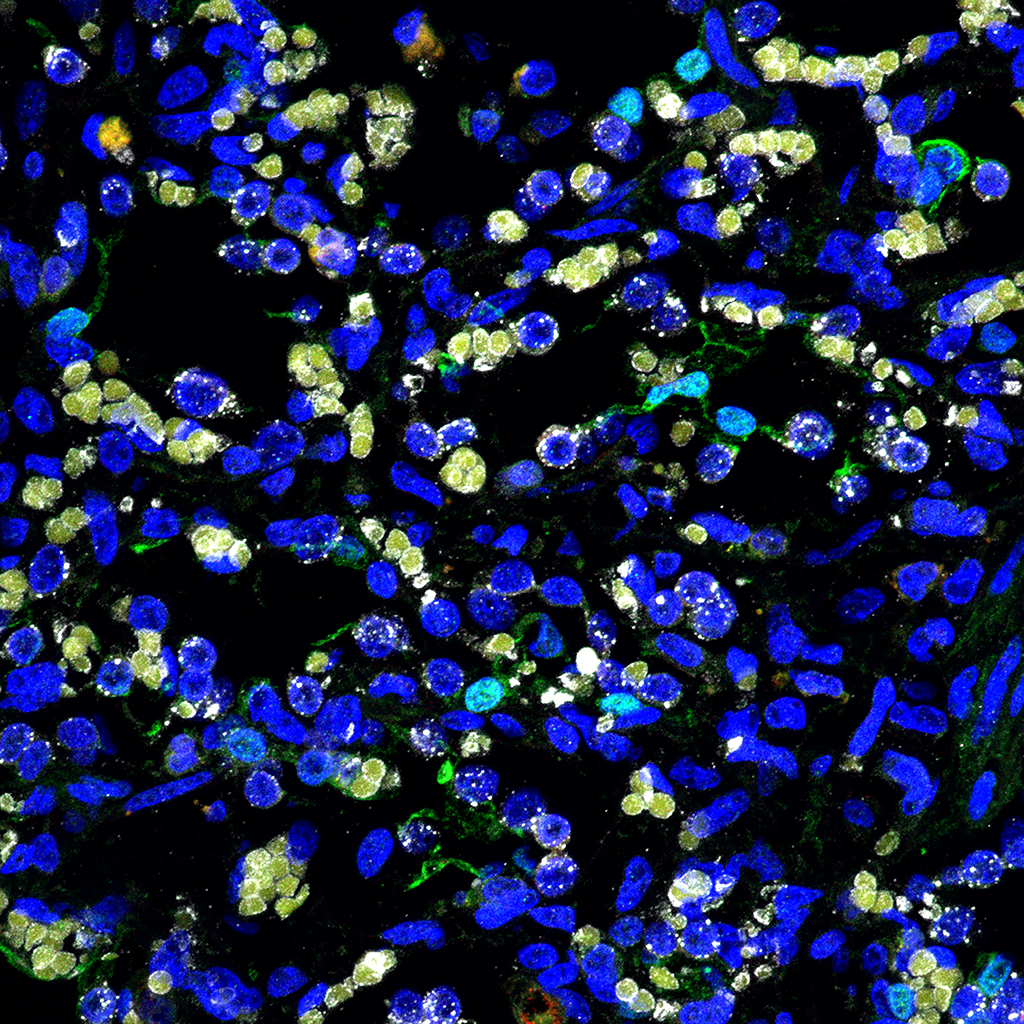
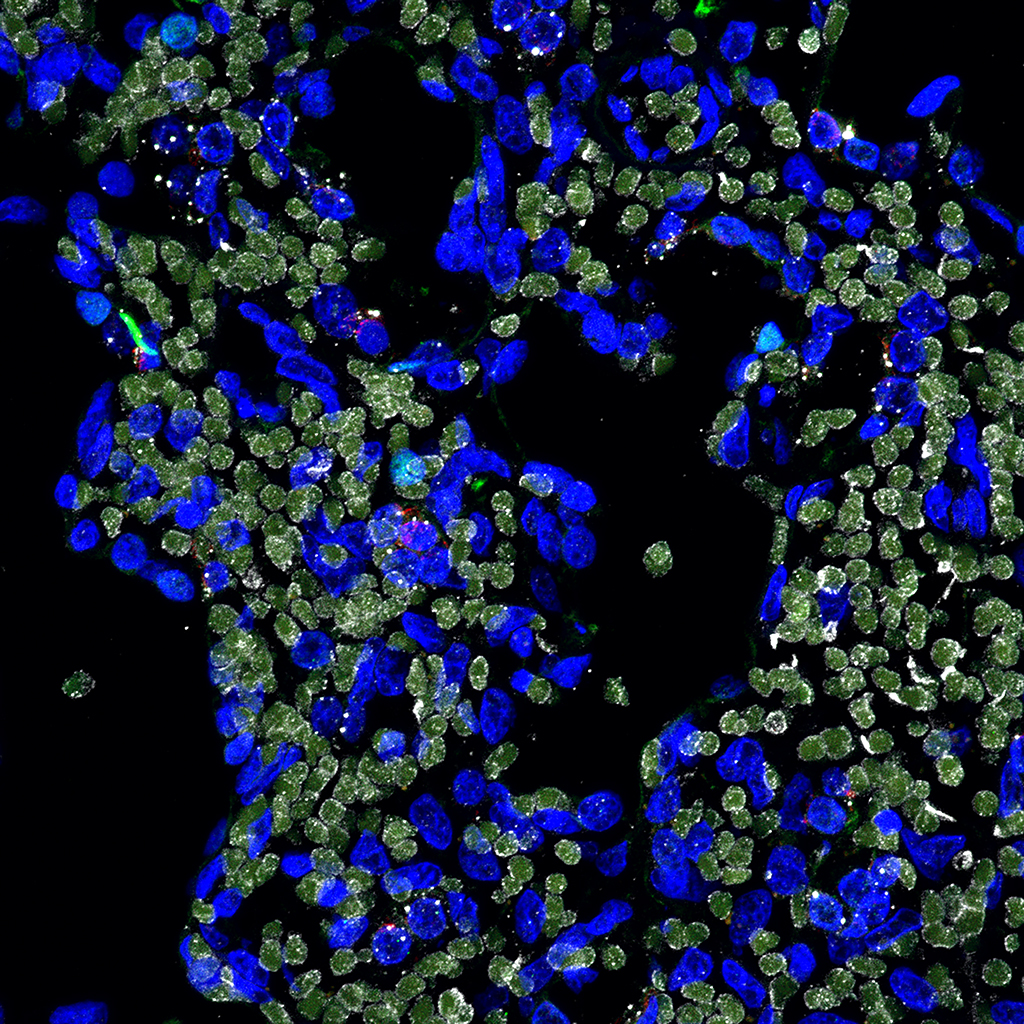
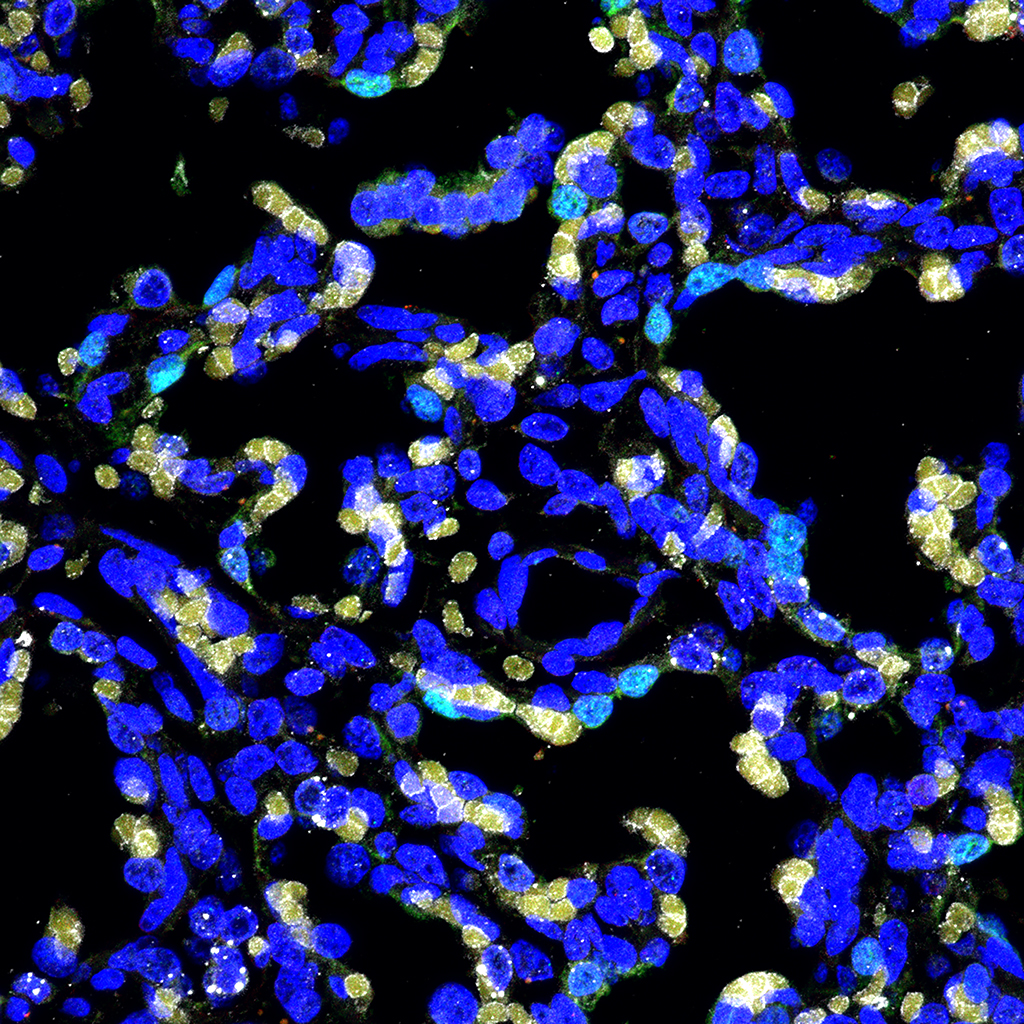
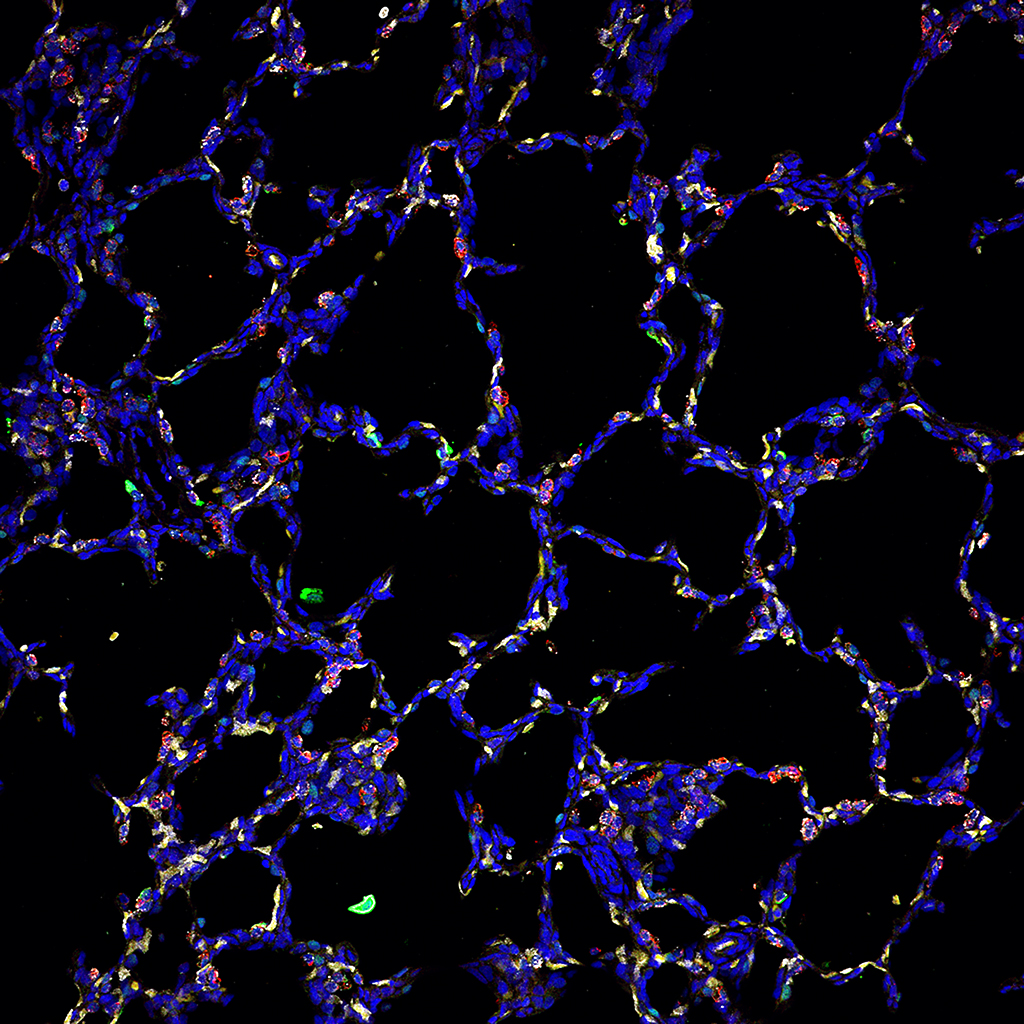
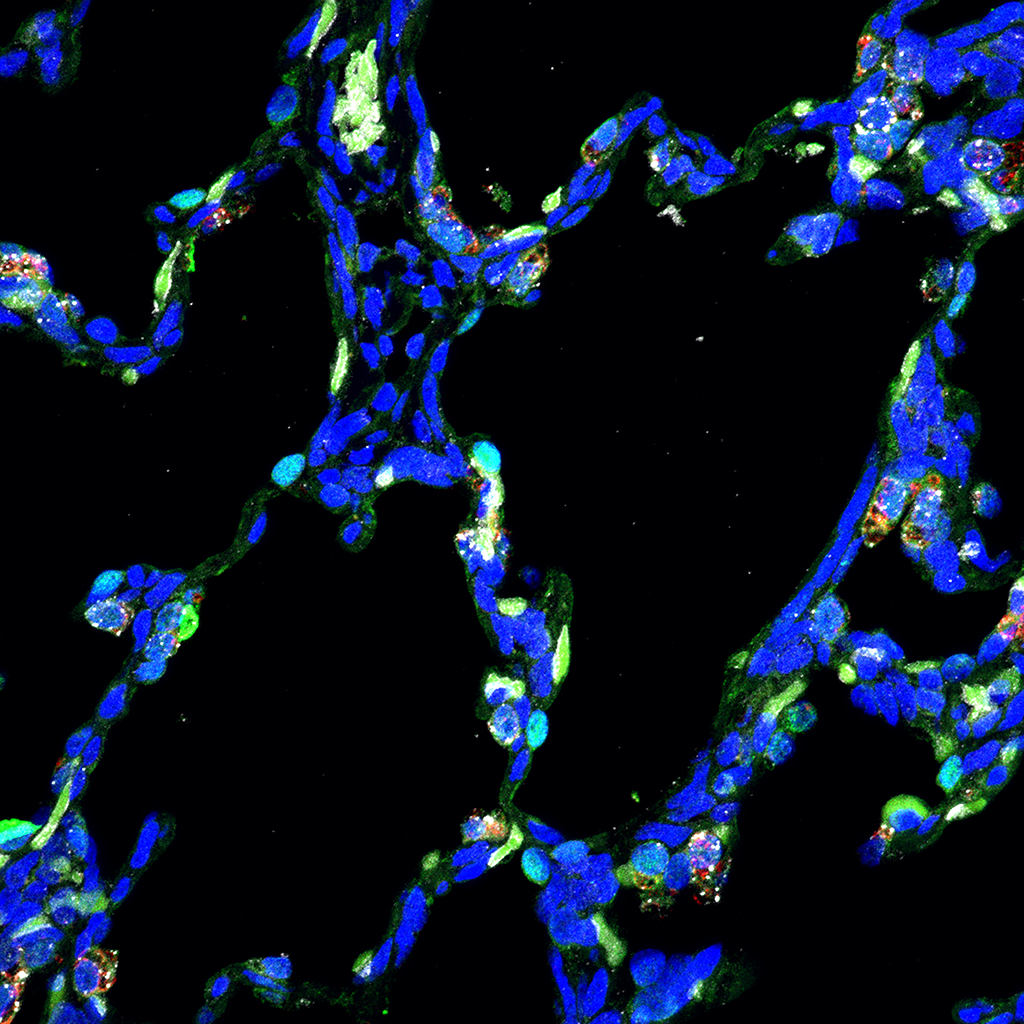
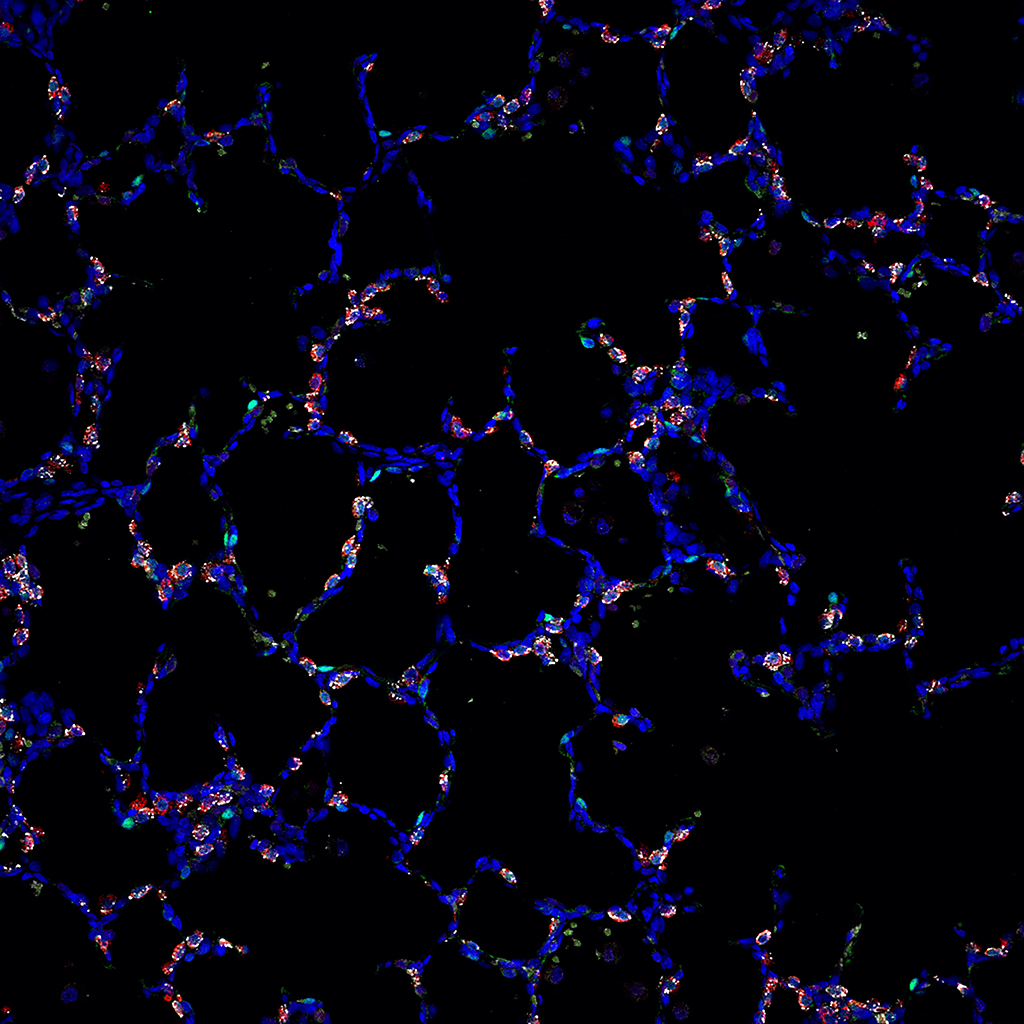
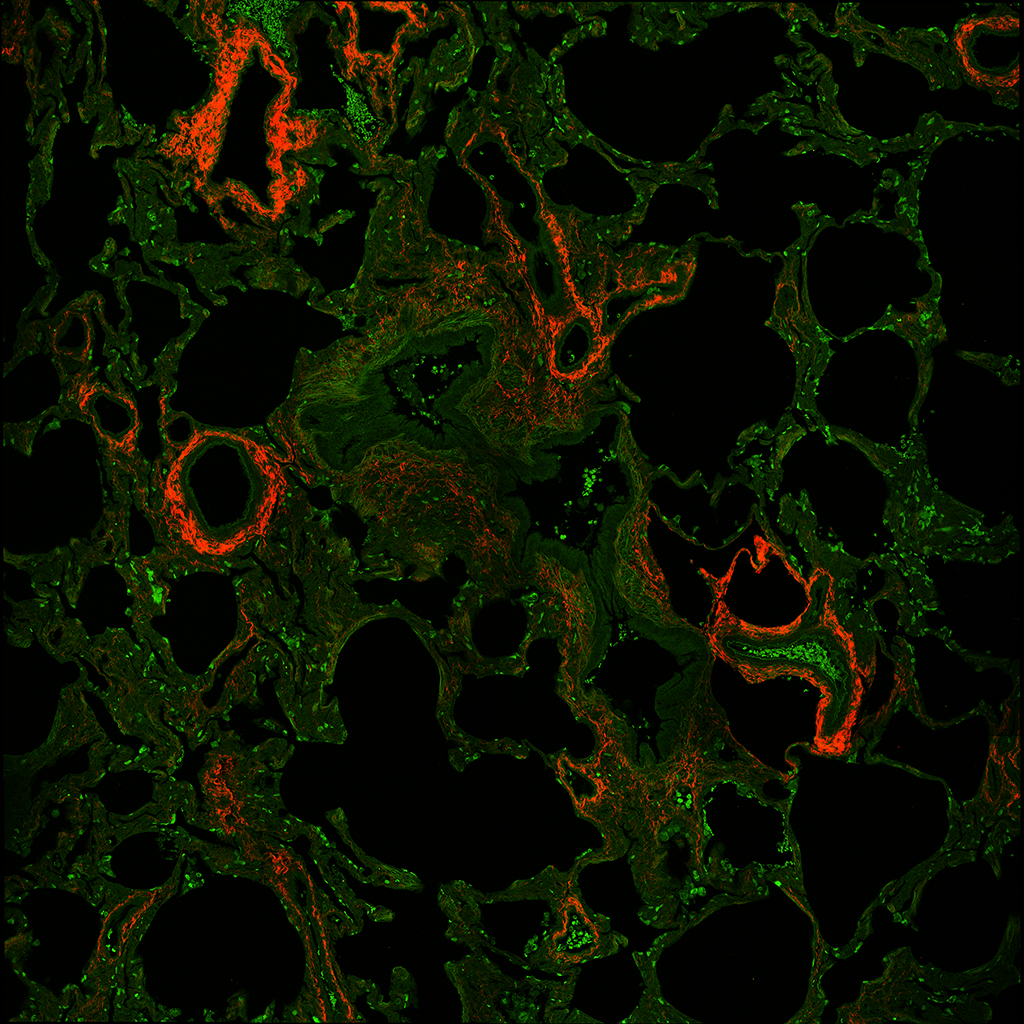
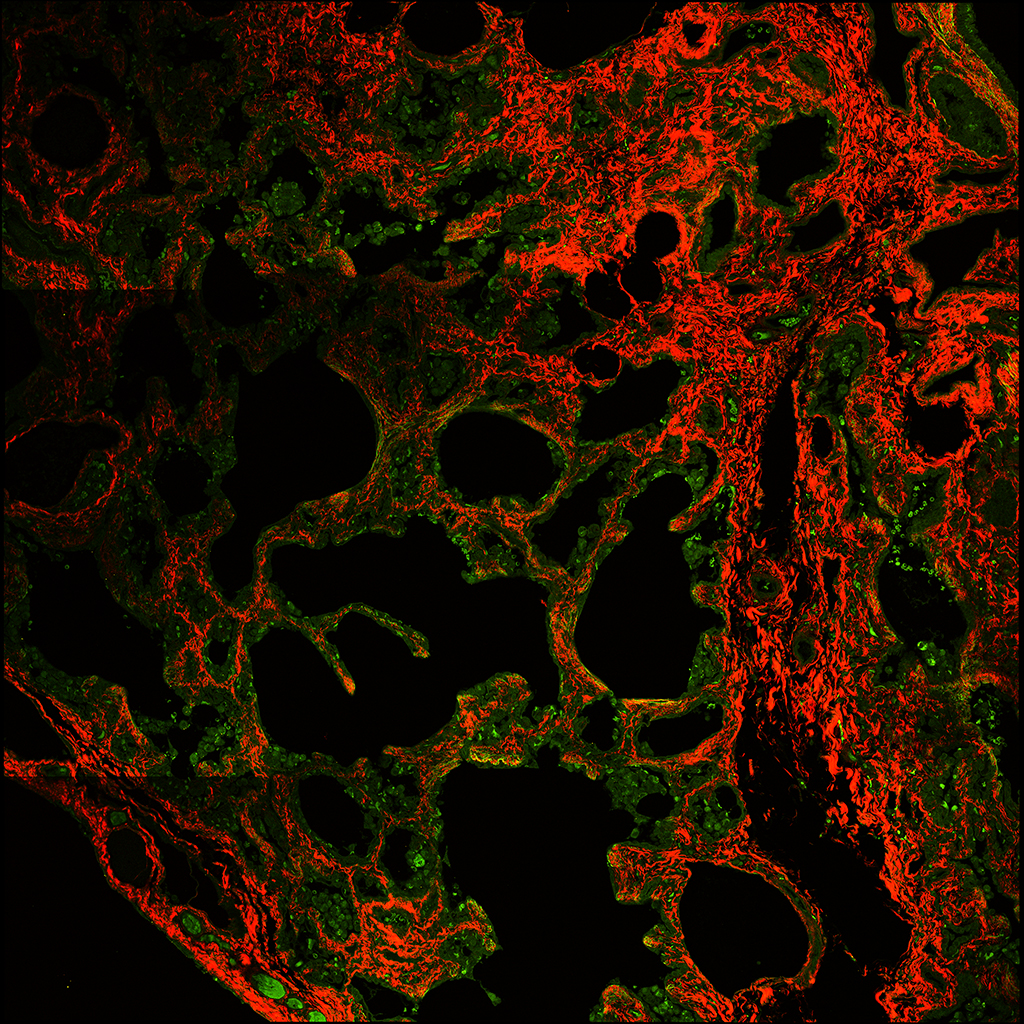
1 Day-Old Human Lung Immunofluorescence and Confocal Imaging Donor 038 Expressing HOPX, ABCA3, and SFTPC

1 Day-Old Human Lung Immunofluorescence and Confocal Imaging Donor 038 Expressing HOPX, ABCA3, and SFTPC

Donor Tissue Kindly Provided by Dr. Gloria Pryhuber from the University of Rochester Medical Center

Pryhuber_Lab

Immunofluorescence- HOPX, ABCA3, and SFTPC


Purpose:  Stain slides of 5µm paraffin sections of human lung from the HTC for HOPX, ABCA3, and SFTPC with antigen retrieval.

Day 1

  1. Paraffin sections are placed at 60oC for 2 hours to overnight to melt paraffin.
  2. Paraffin sections are then placed in xylene 3X for 10 minutes each, followed by 3X in 100% ETOH for 3 minutes each, 95% ETOH for 3 minutes each, and 70% ETOH for 3 minutes each. Slides are then placed in 1X PBS for 5 minutes to completely rehydrate tissue.
  3. Briefly equilibrate slides in Antigen Retrieval Buffer.
  4. Antigen retrieval, pH 6.0 (times will vary according to microwave).
  5. 10 mM sodium citrate, pH 6.0, and heat in a microwave at 96oC. *We usually do a series of three runs (6-7 minutes each run) to equal the time/temp because of evaporation (refill coplin jars with dH2O).
  6. Microwave according to instructions on microwave.
  7. Cool on countertop, 15 min.
  8. Rinse with dH2O
  9. 1X PBS, 5 min.
  10. Block in 4% Goat serum/PBS-T, 2 hours at RT.
  11. For Rabbit anti-HOPX (SC-30216, Lot# C2212, Santa Cruz) dilute 1:100, for mouse anti-ABCA3 (WMAB-17G524, Seven Hills Bioreagents) dilute 1:100, for guinea pig SFTPC (GP992, in house, bleed date 12.13.07) dilute 1:500 in blocking buffer. Spin down in µfuge for 20 minutes and incubate on tissue overnight @ 4 degrees C

Day 2

  1. Rinse slides in PBS-T 3X, 5 min.
  2. Apply secondary antibody, Goat Alexa Fluor 488 anti-rabbit IgG (A11034, Lot# 188524,  for anti-HOPX), Goat Alexa Fluor 568 anti-mouse IgG2B (A21144, Lot# 1906480, for anti-ABCA3) at 1:200, Donkey Alexa Fluor 647 anti-guinea pig (706-605-148, for anti SFTPC) at 1:200, in blocking buffer. Spin down in µfuge for 20 min, apply to tissue and incubated at room temperature for 1 hour.
  3. Rinse in PBS-T 3X, 5 min.
  4. Dilute DAPI 1:2000 and apply to slides for 10 min.
  5. Wash in PBS-T 3X, 5 min.
  6. Rinse slides in 0.1M PB or TB, 3X, 5 min.
  7. Add 1 drop of Prolong Gold anti-fade mounting medium (P36930).
  8. Coverslip with Gold Seal Coverslip (Cat# 3422 Electron Microscopy Sciences, 22 X 22 mm).
  9. Allow Prolong Gold to cure overnight at room temp in light sealed box.
  10. Store slides in light-sealed box at 4oC.


Tissue Used:
LMH-D038-LLL-9A1.9
Gender: Female
Age: 1 Day


Appendix
Antigen Retrieval Solution

18ml Solution A- 0.1M Citric Acid (Sigma, C1909) pH 2.5

82ml Reagent B- 0.1M Sodium Citrate (Sigma, S4641 ) pH 8.2

1L dH2O

pH 6.0

By |2019-09-30T18:26:15+00:00September 30th, 2019|Categories: Uncategorized|0 Comments

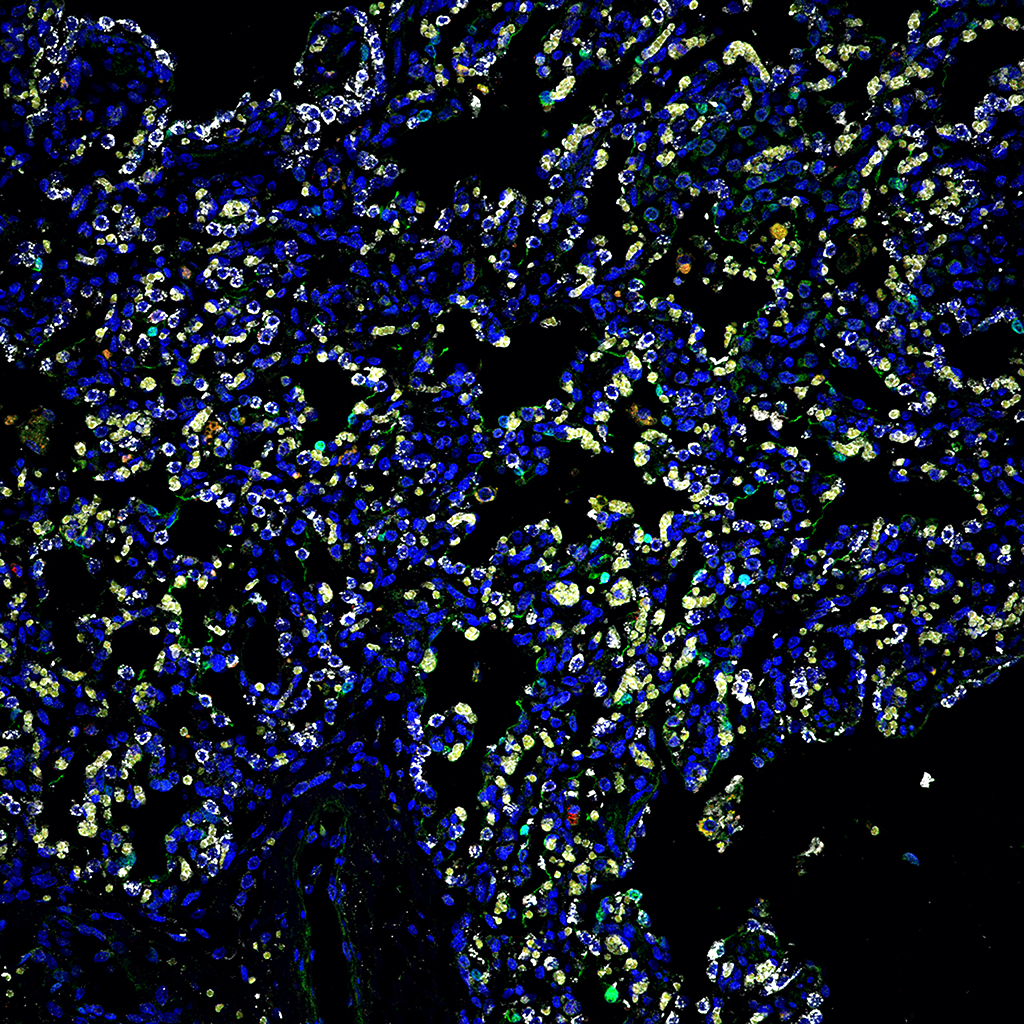
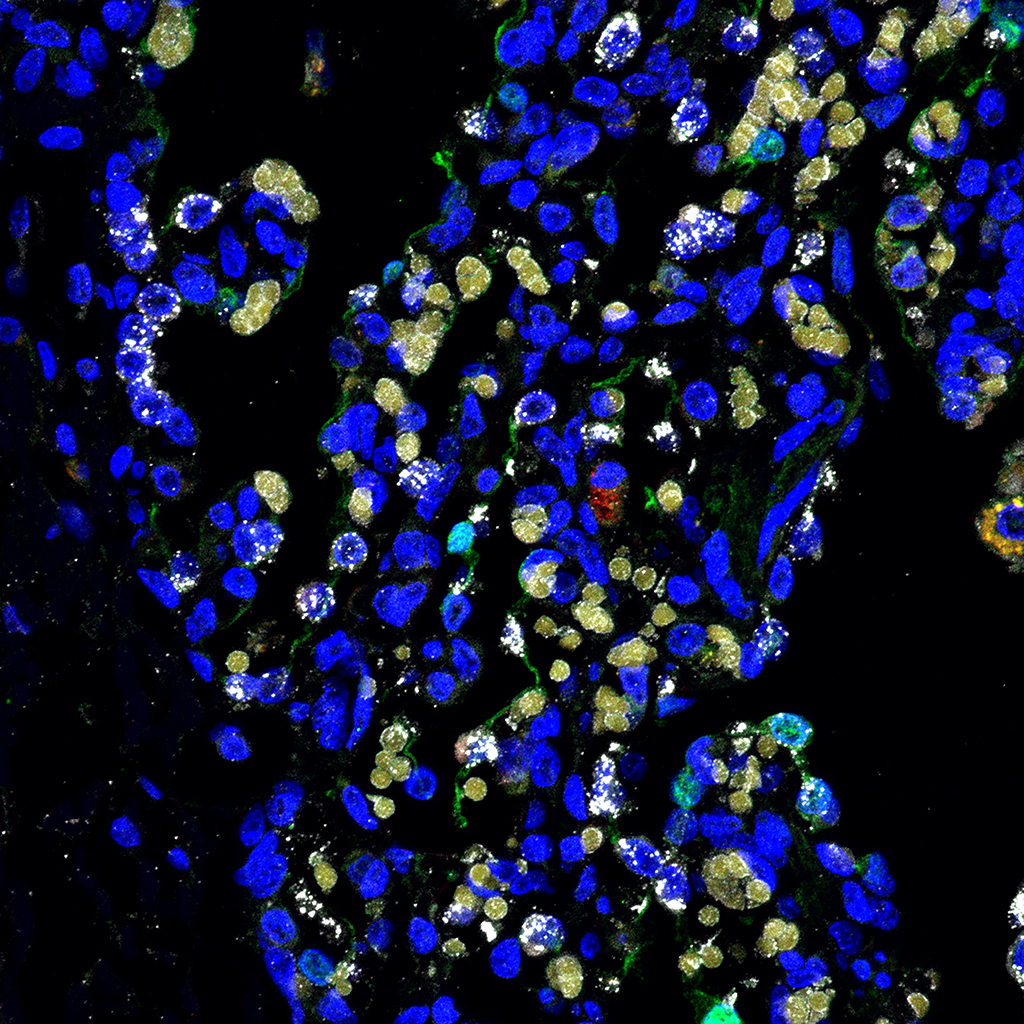
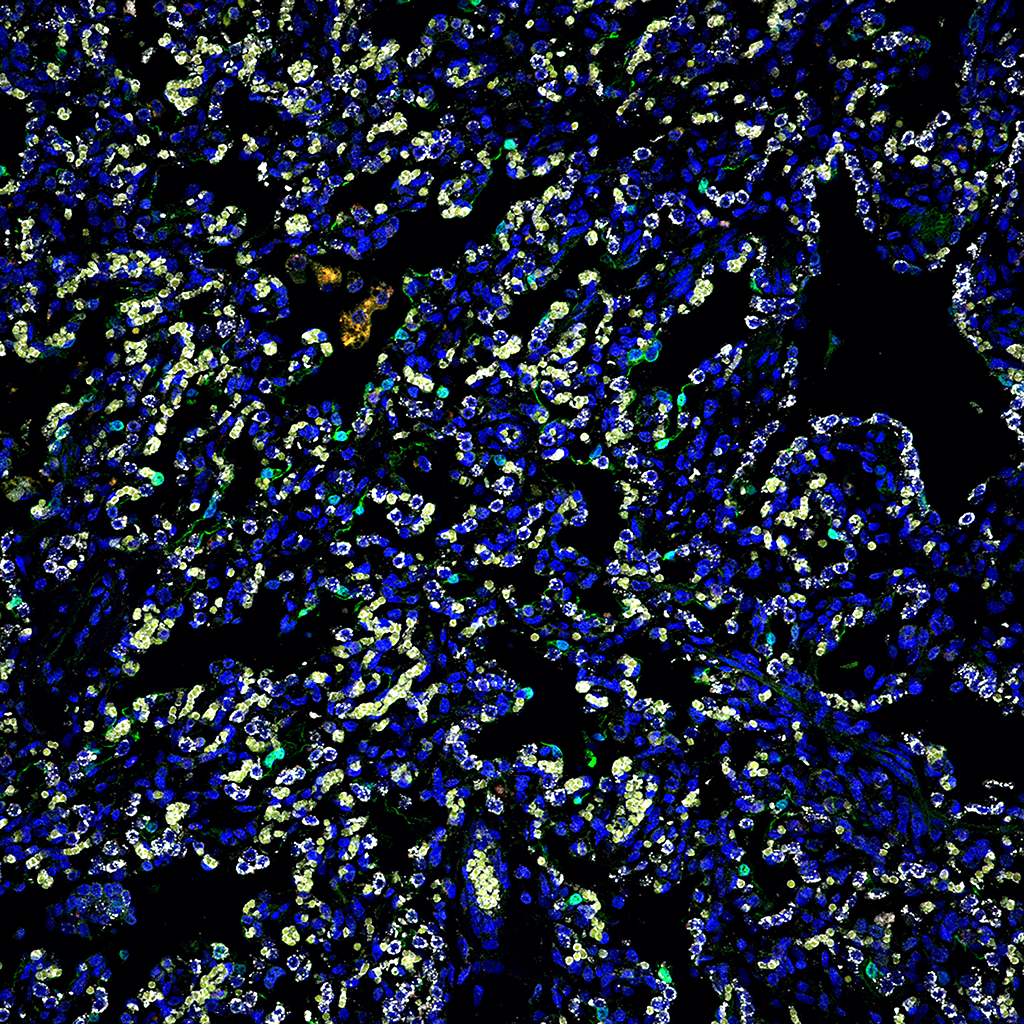
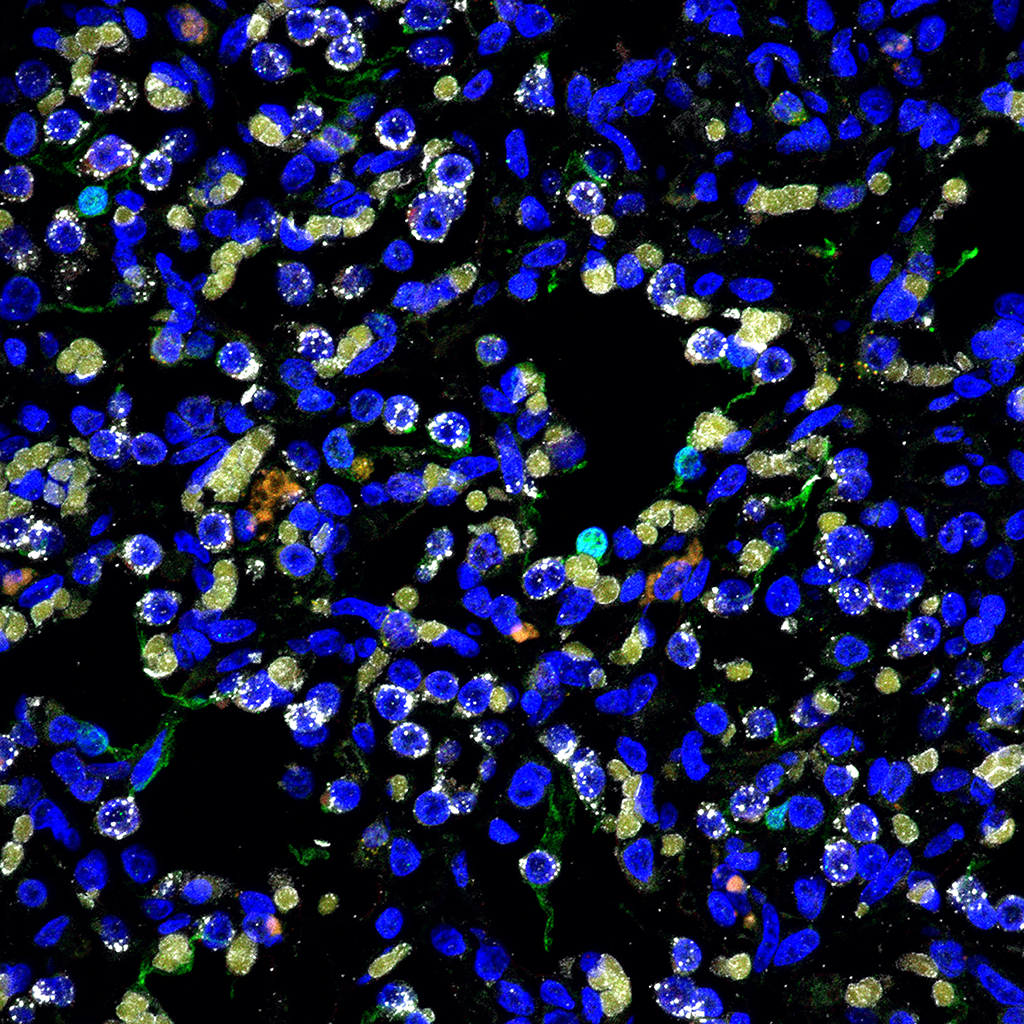
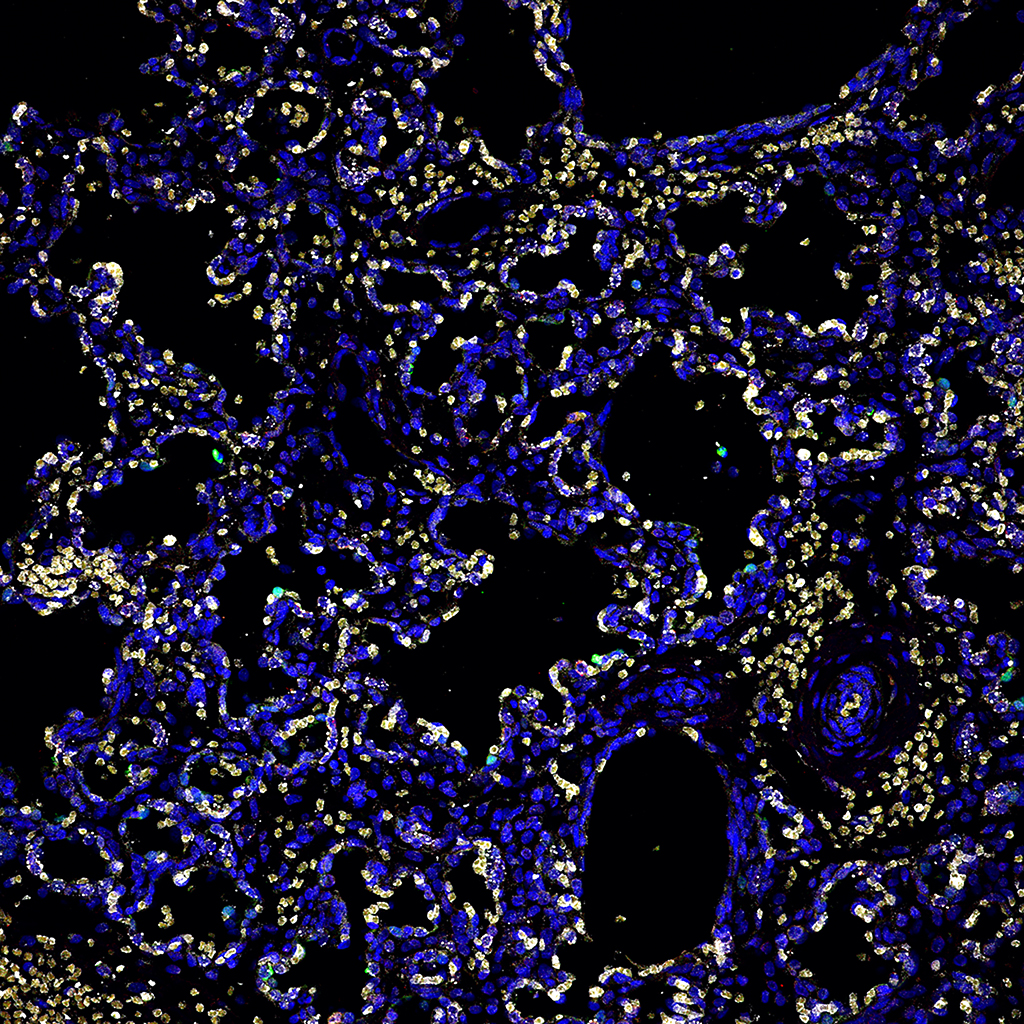
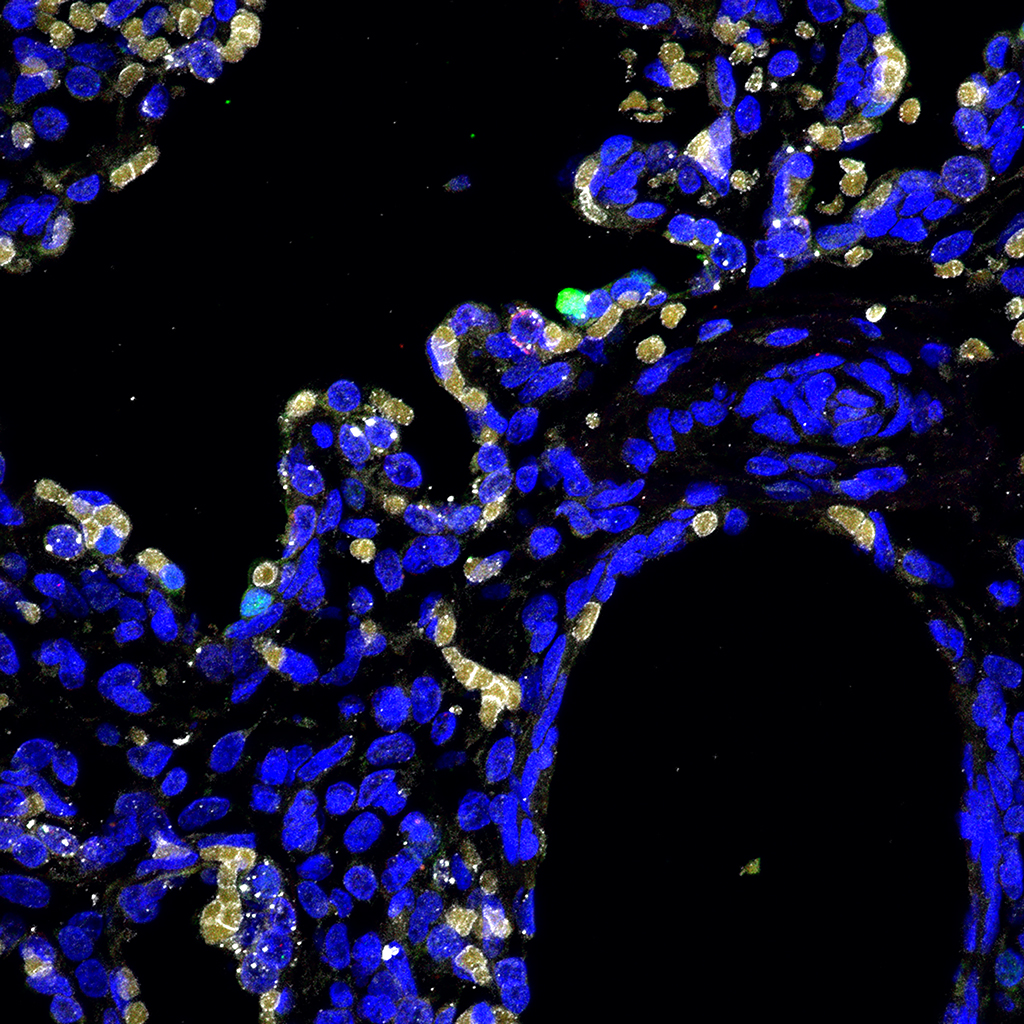
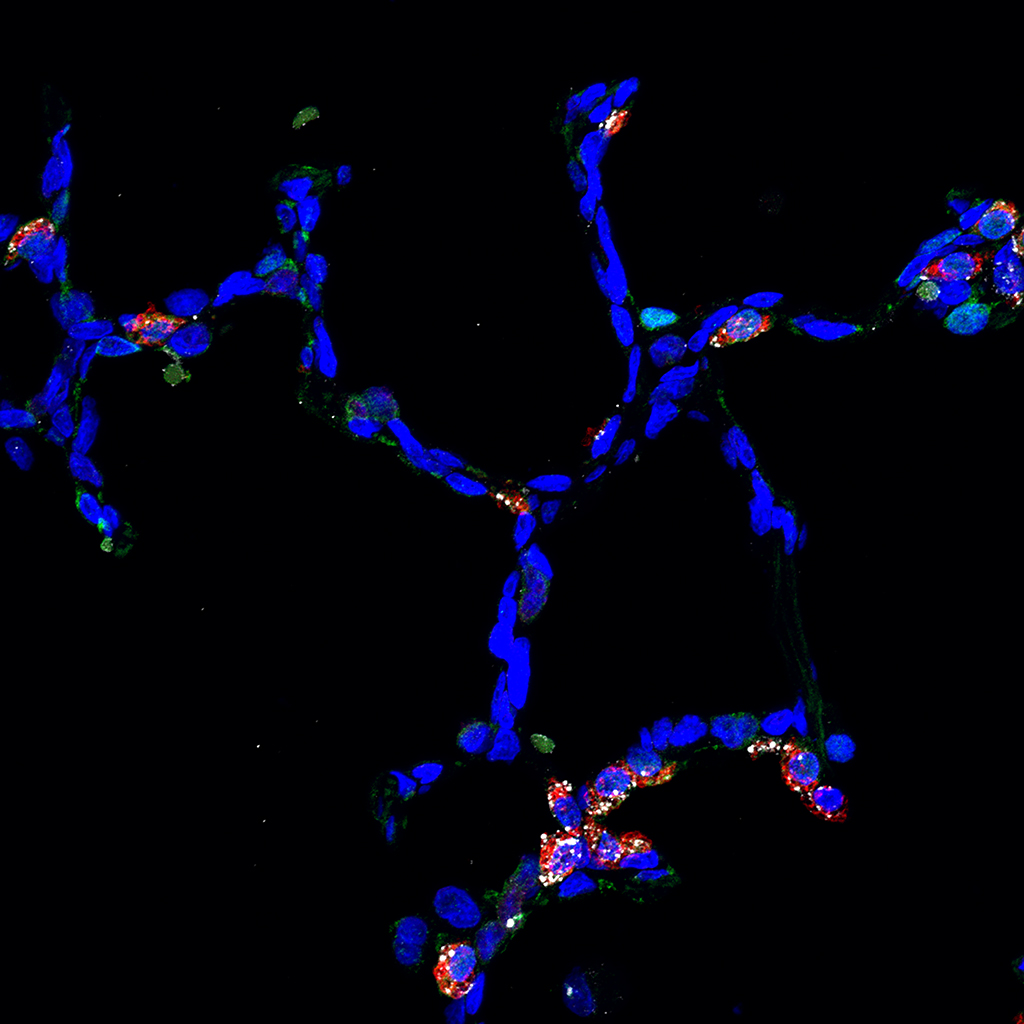
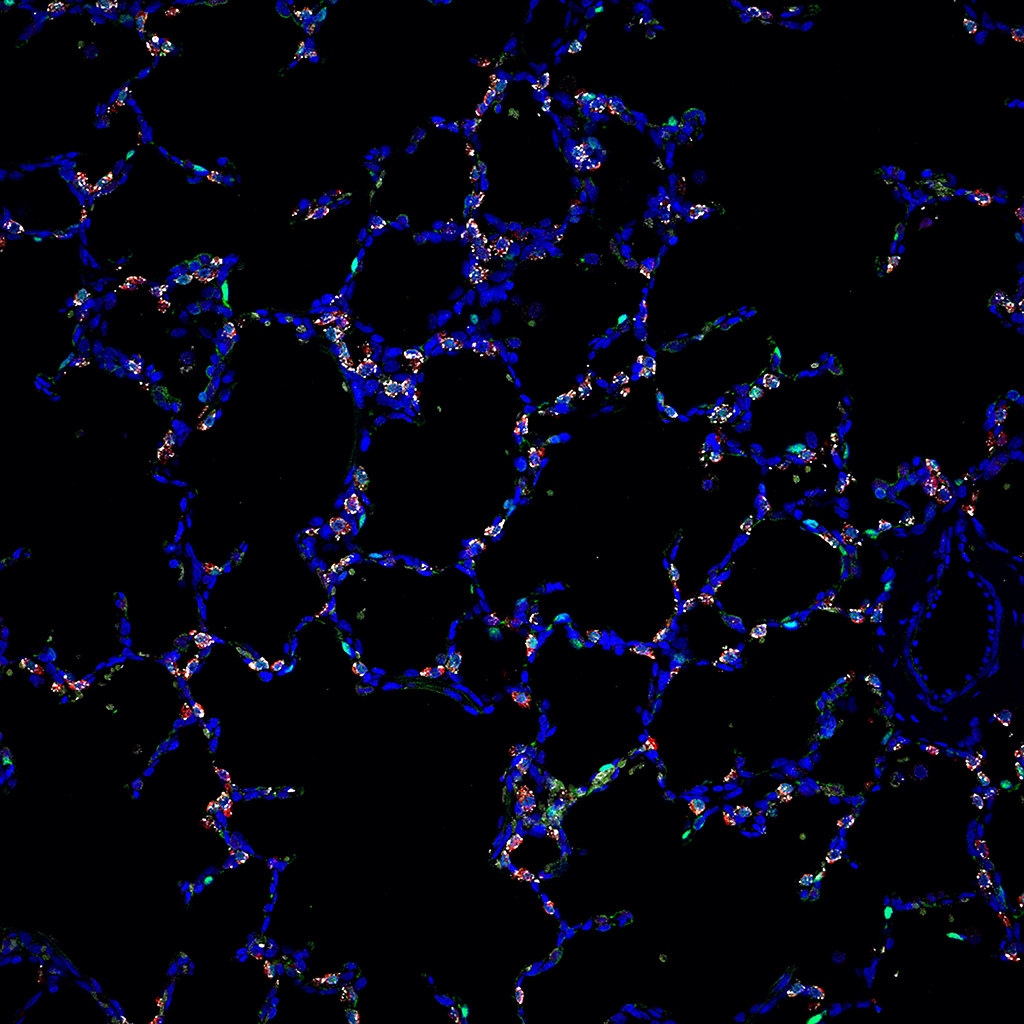
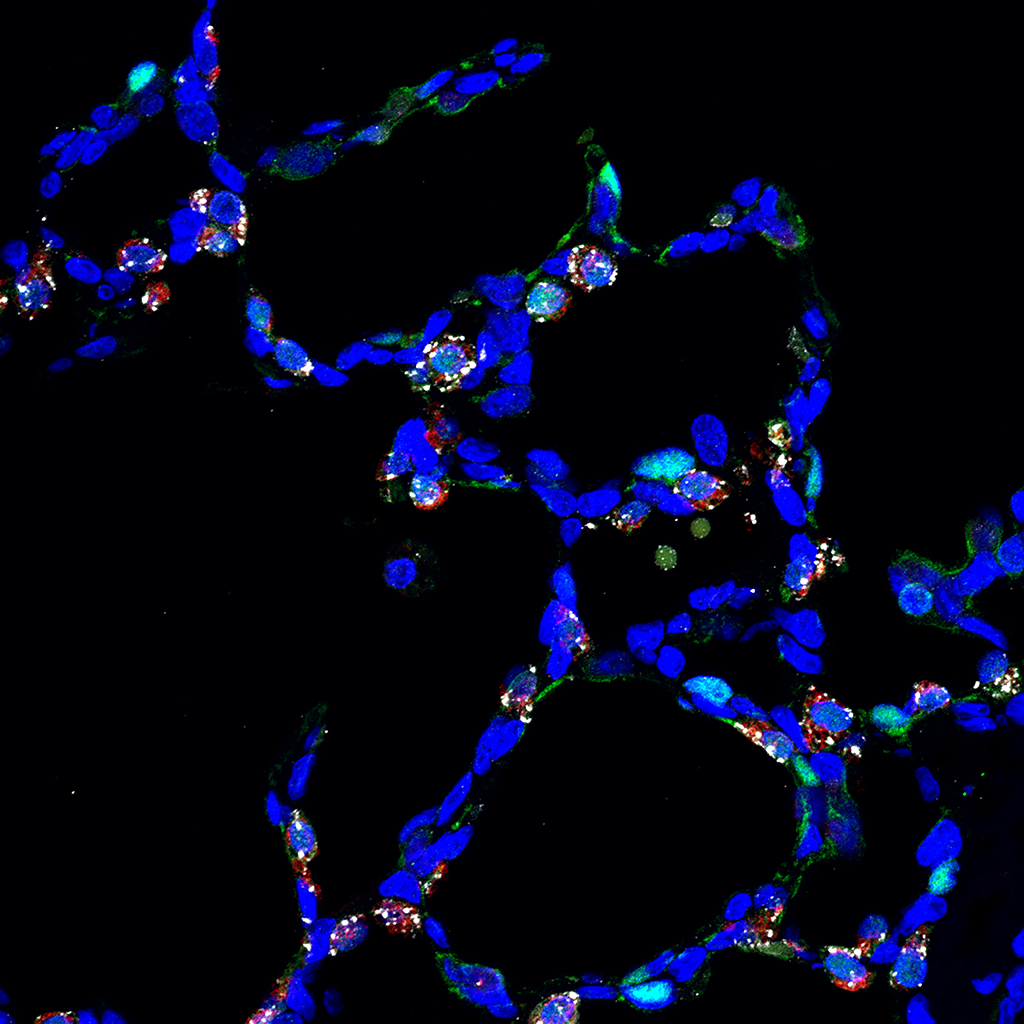
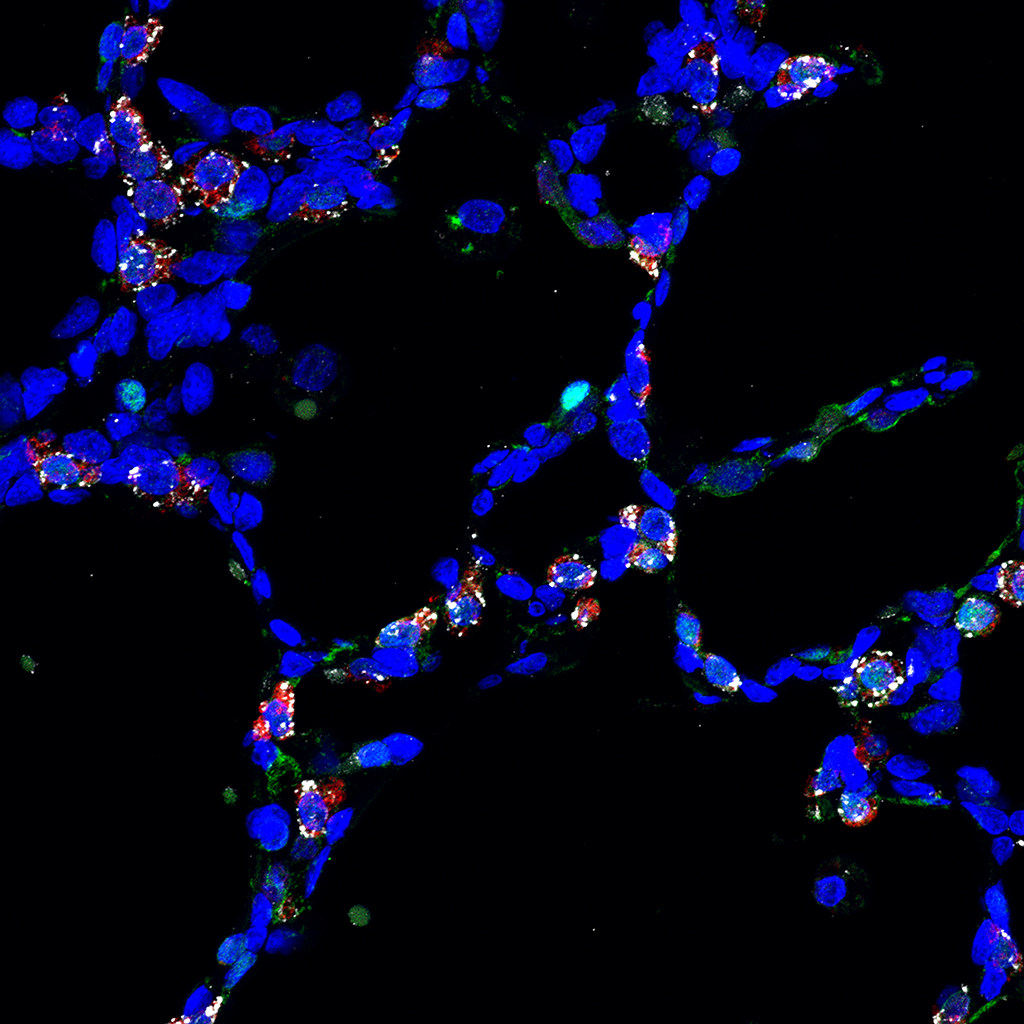
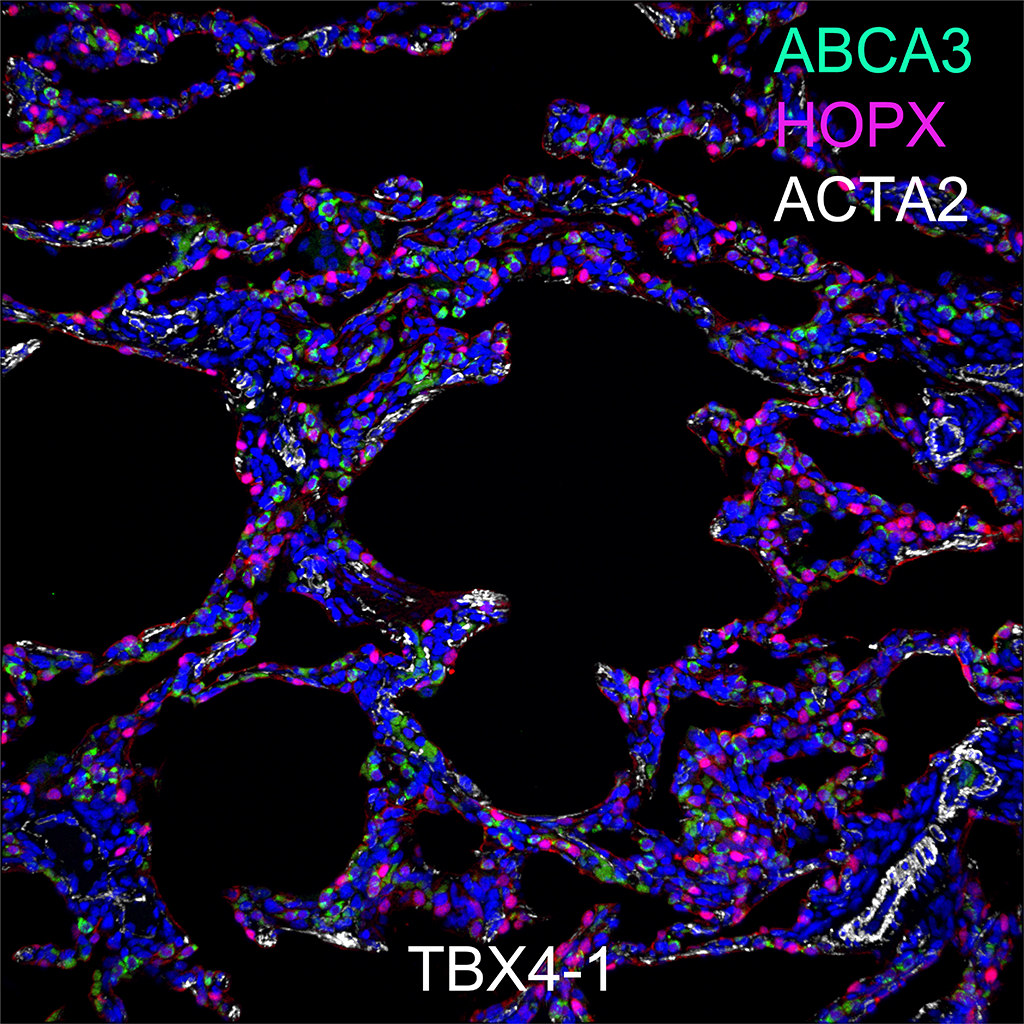
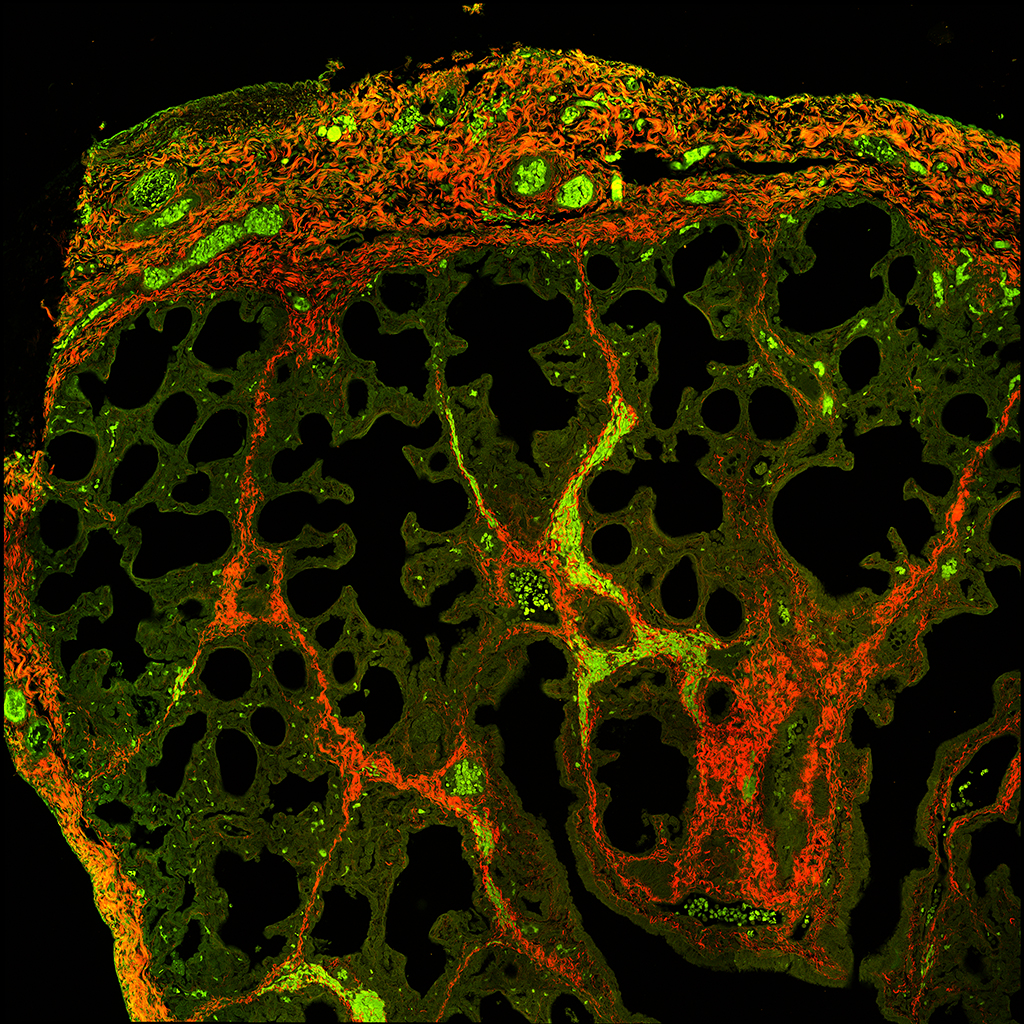
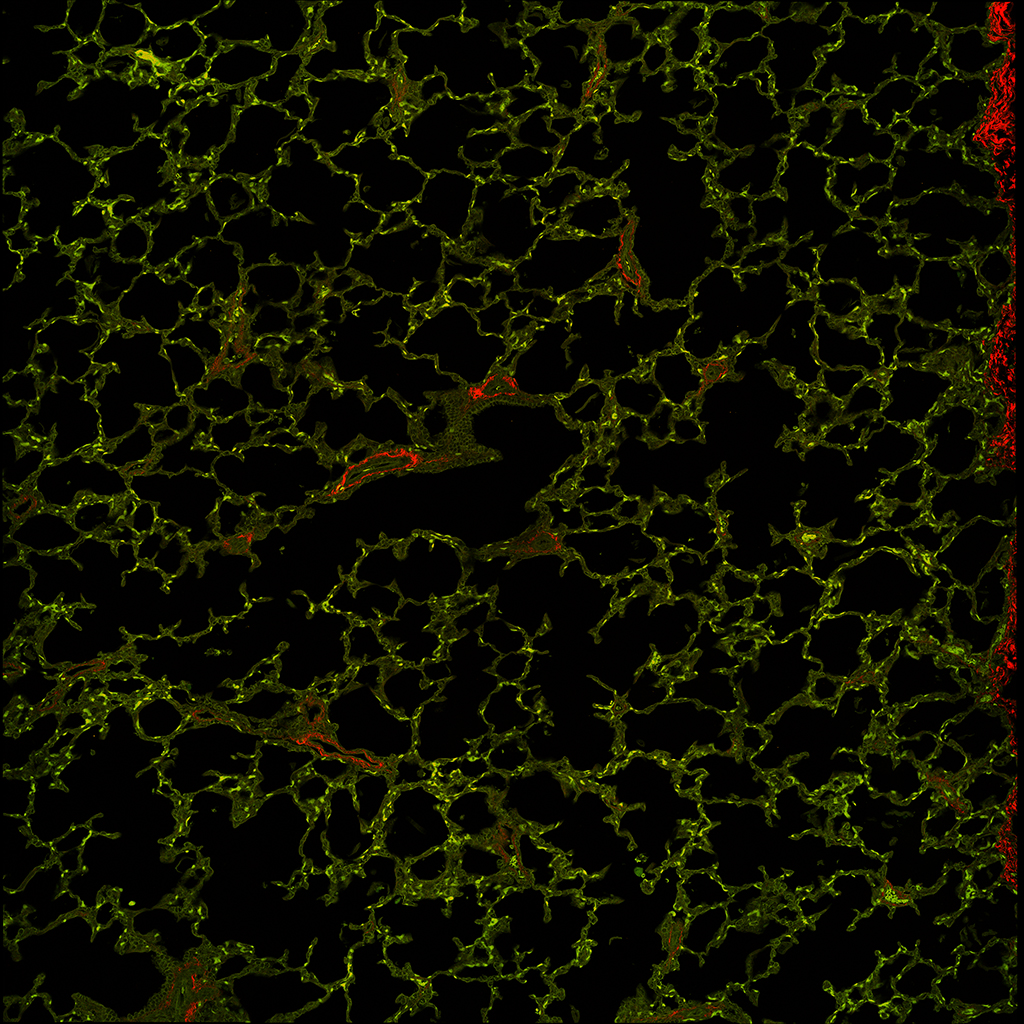
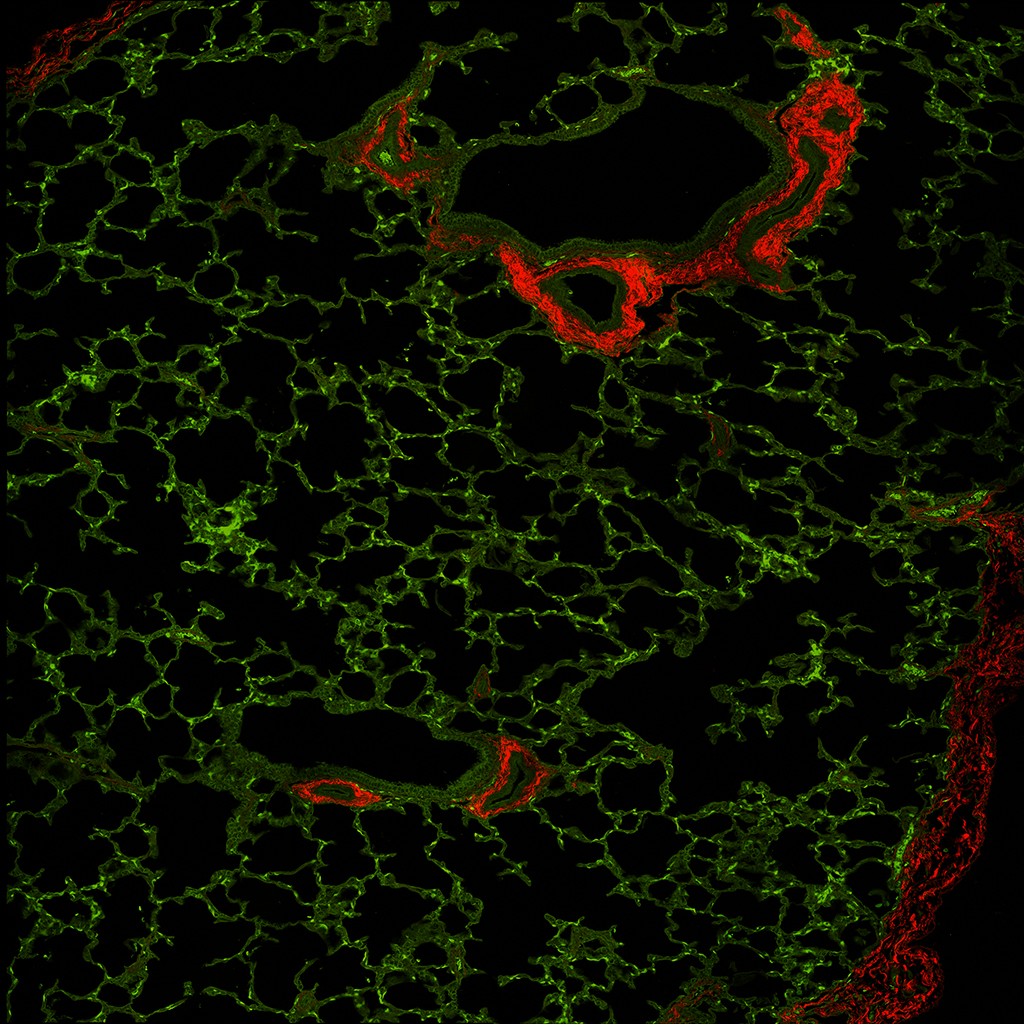
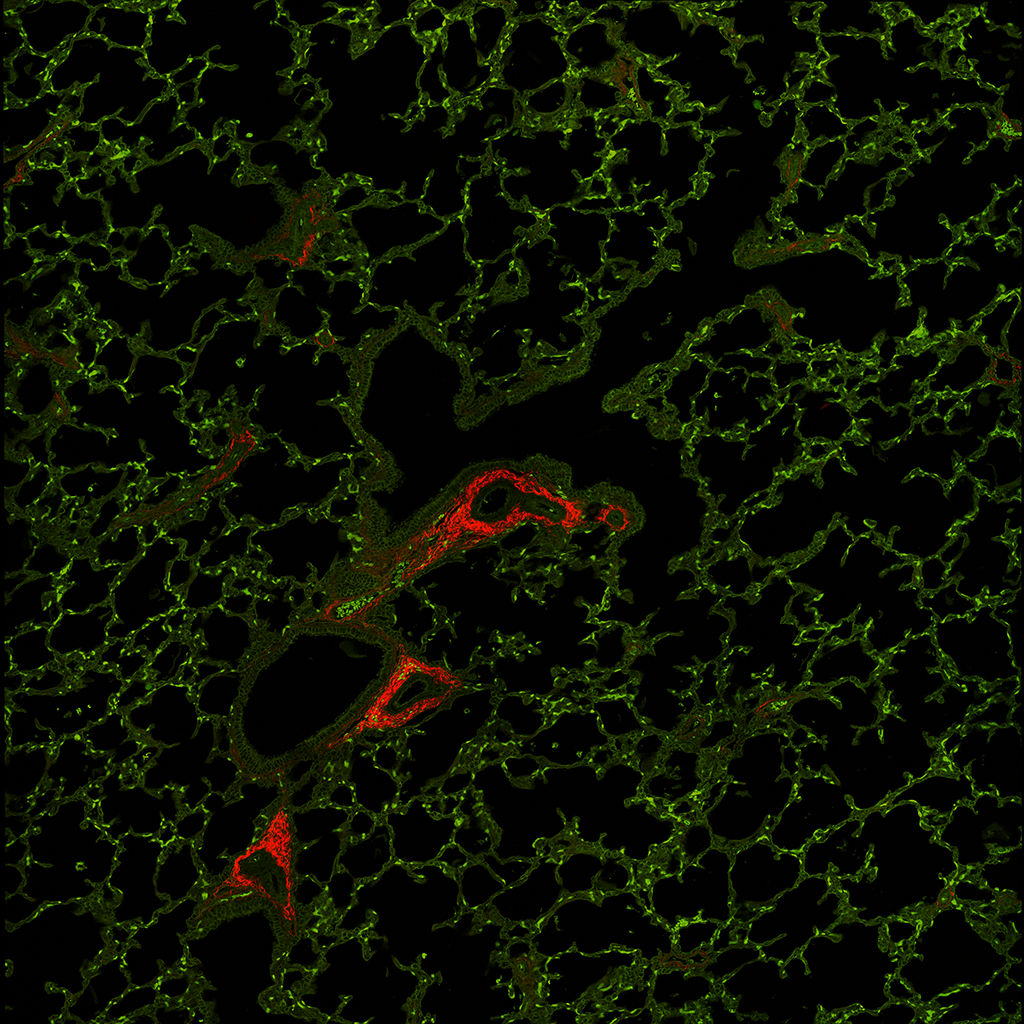
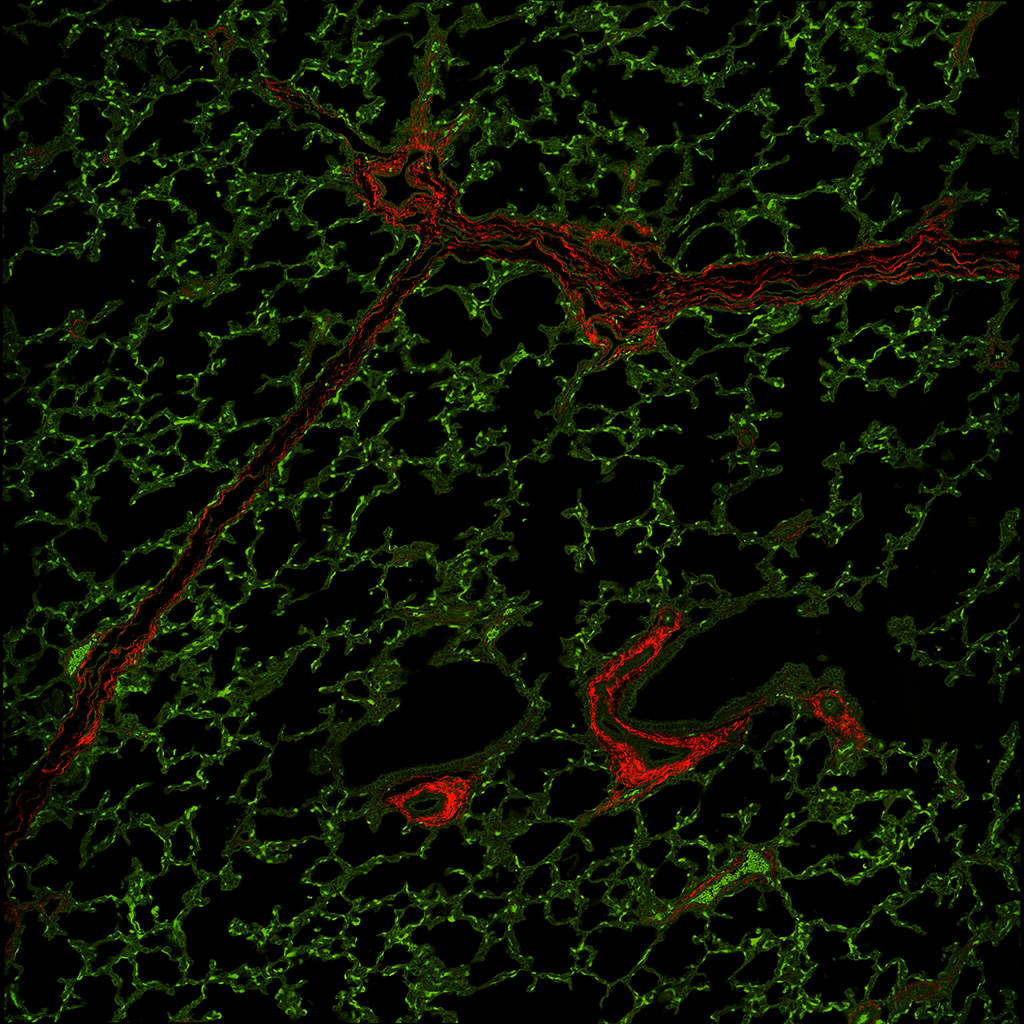
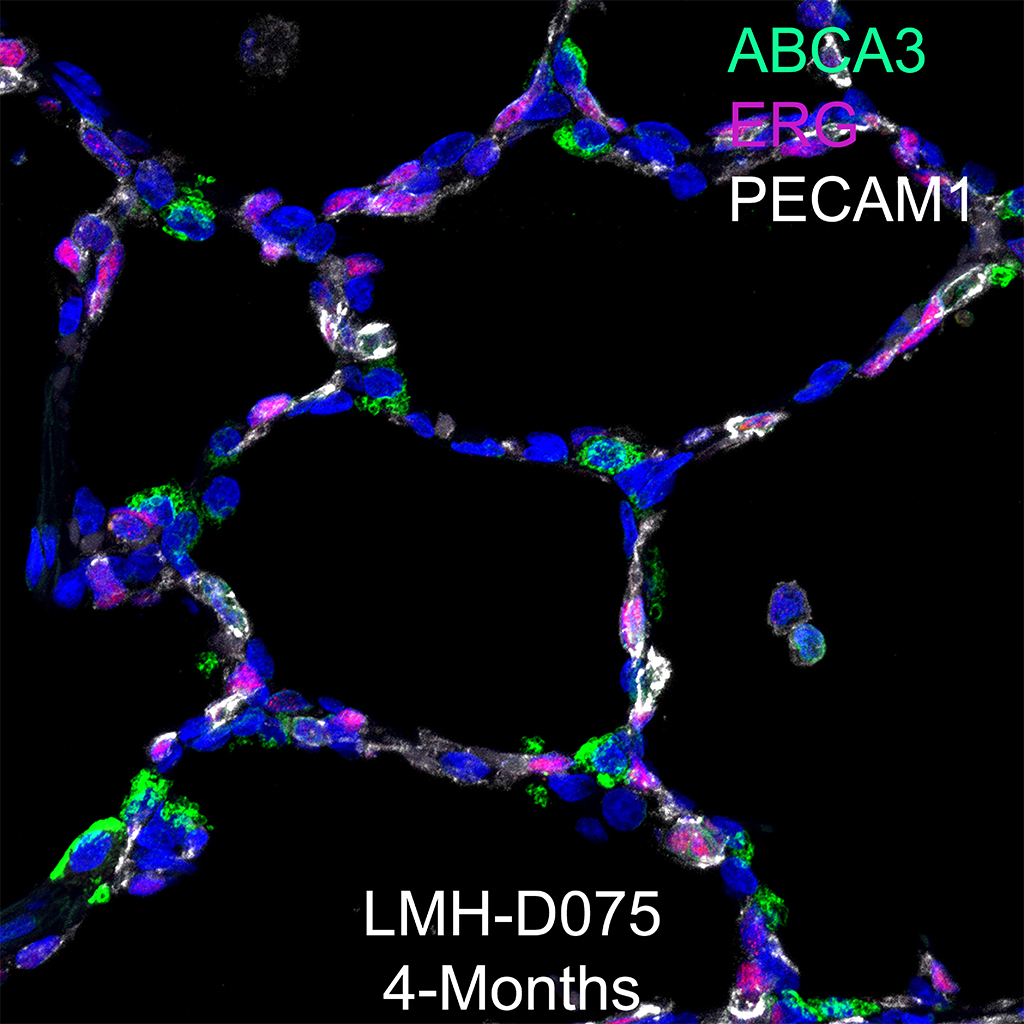
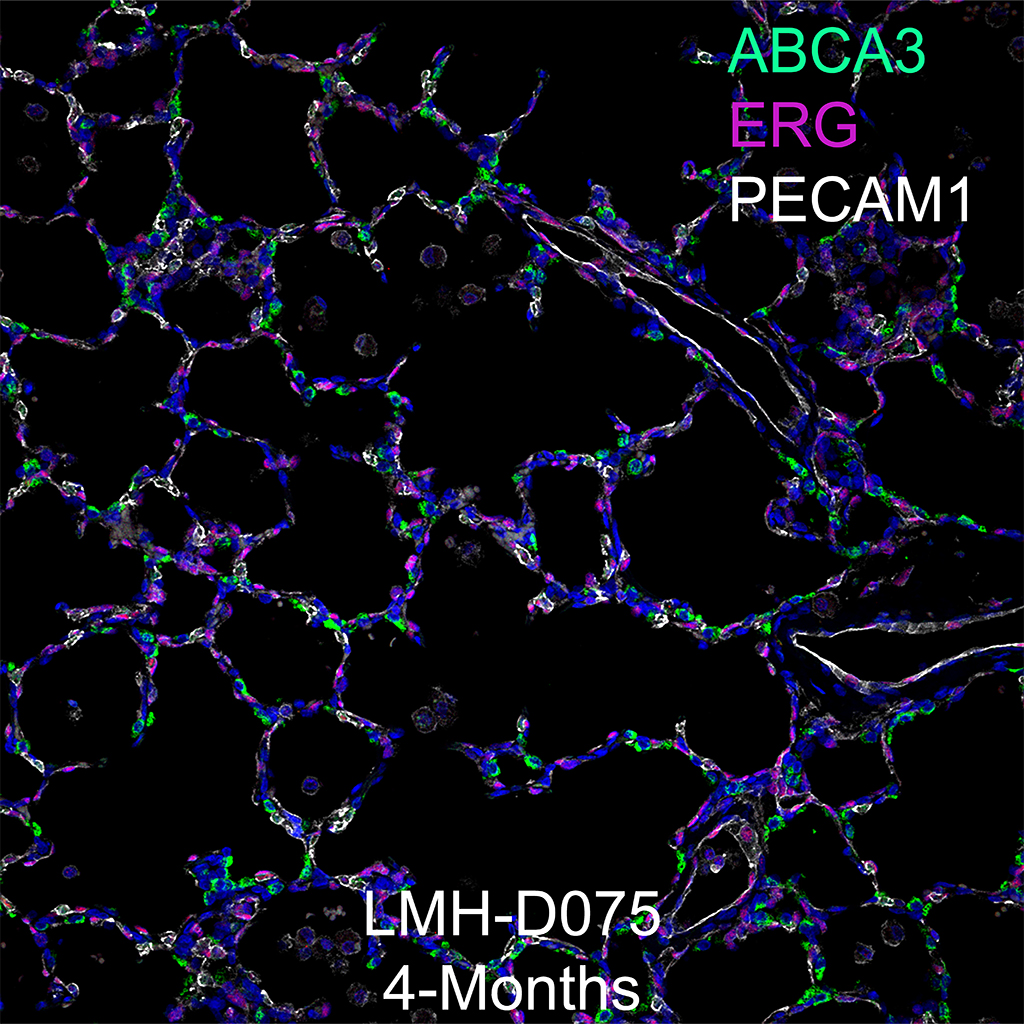
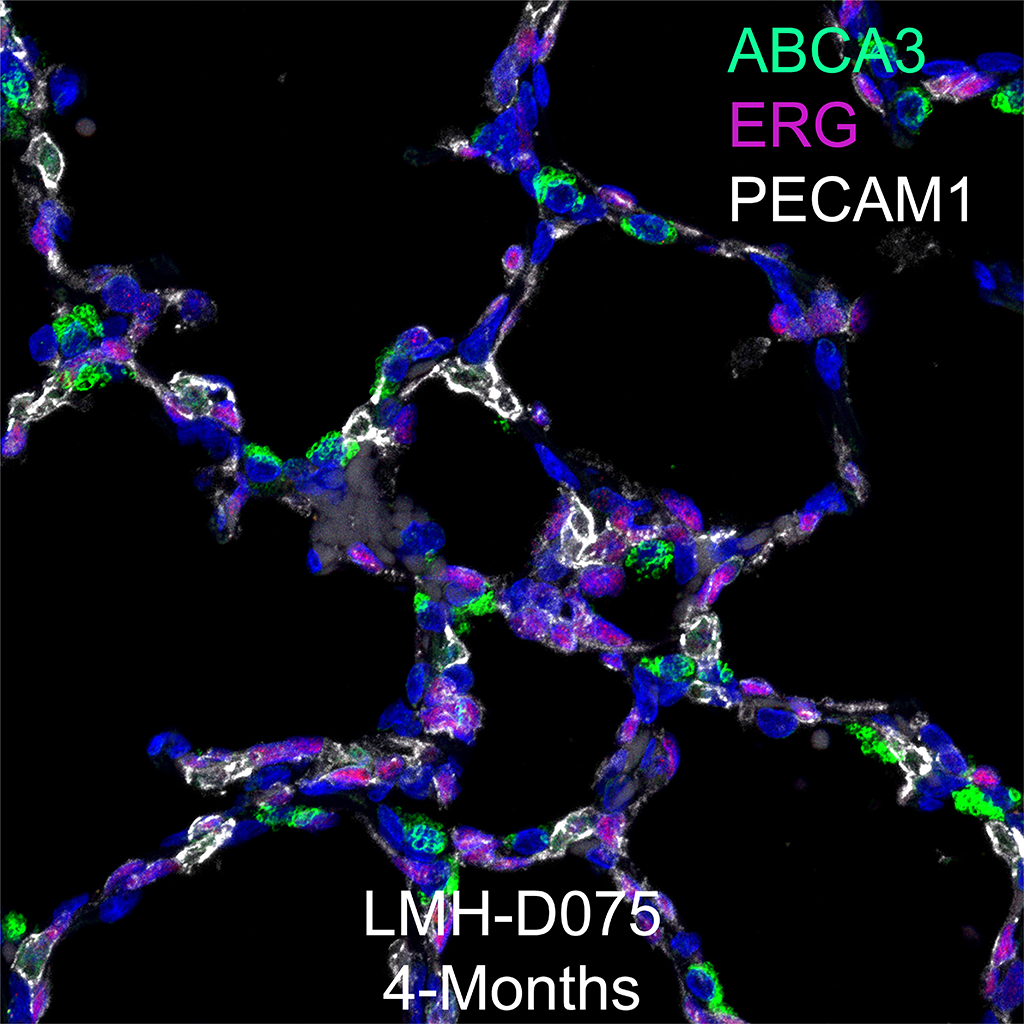
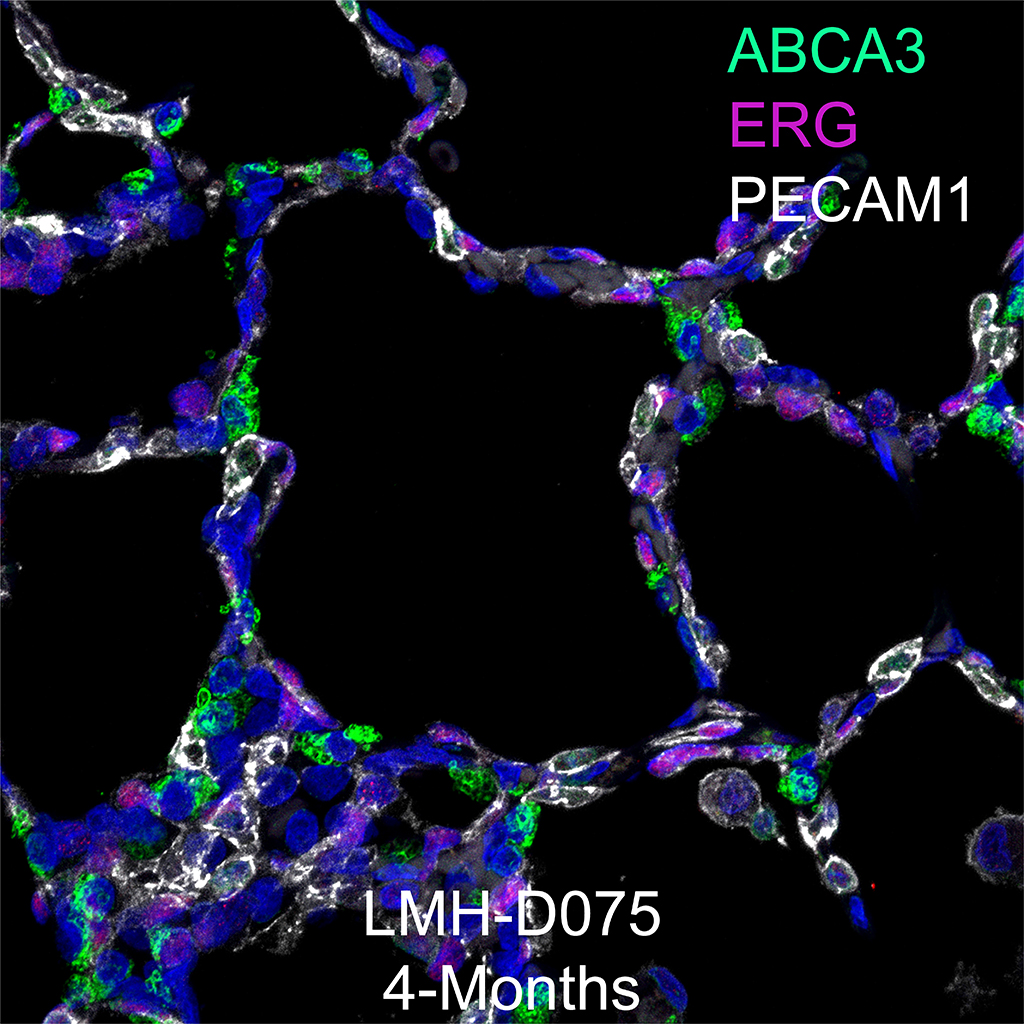
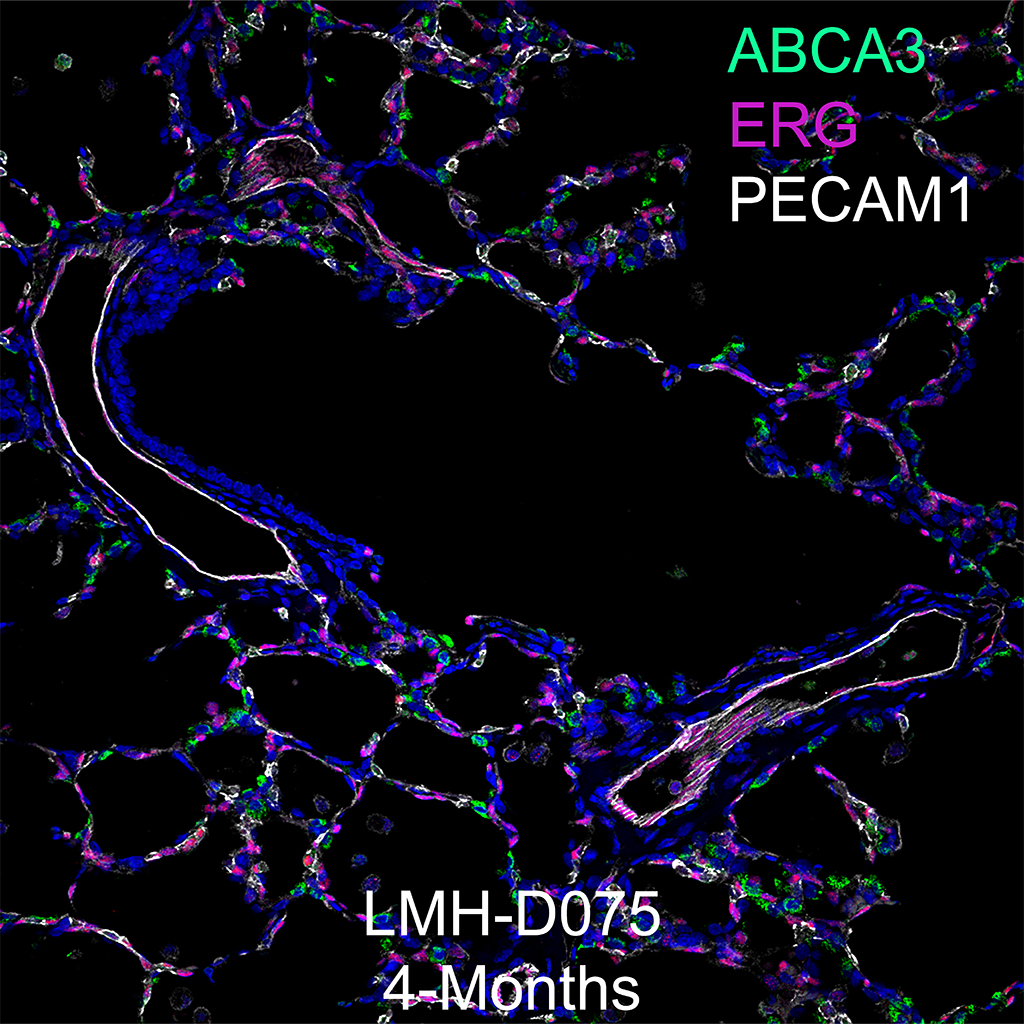
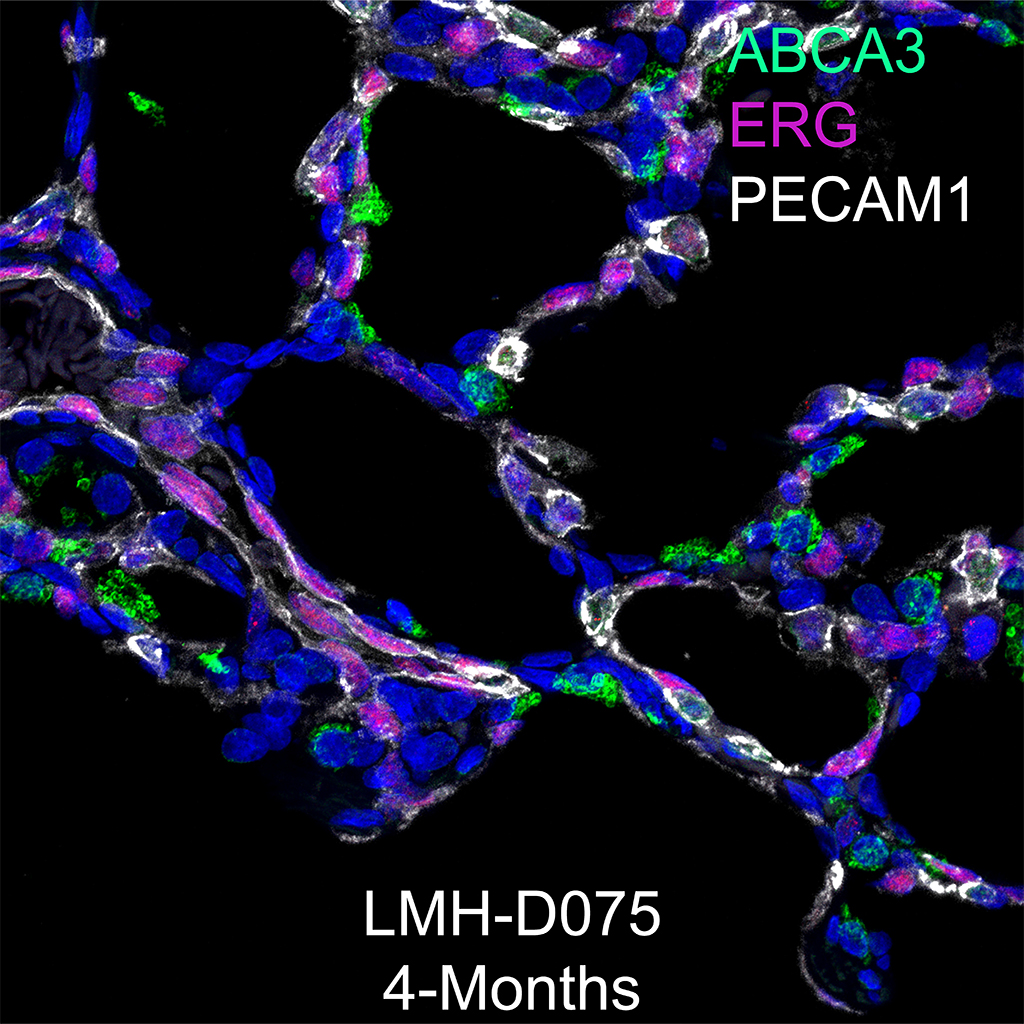
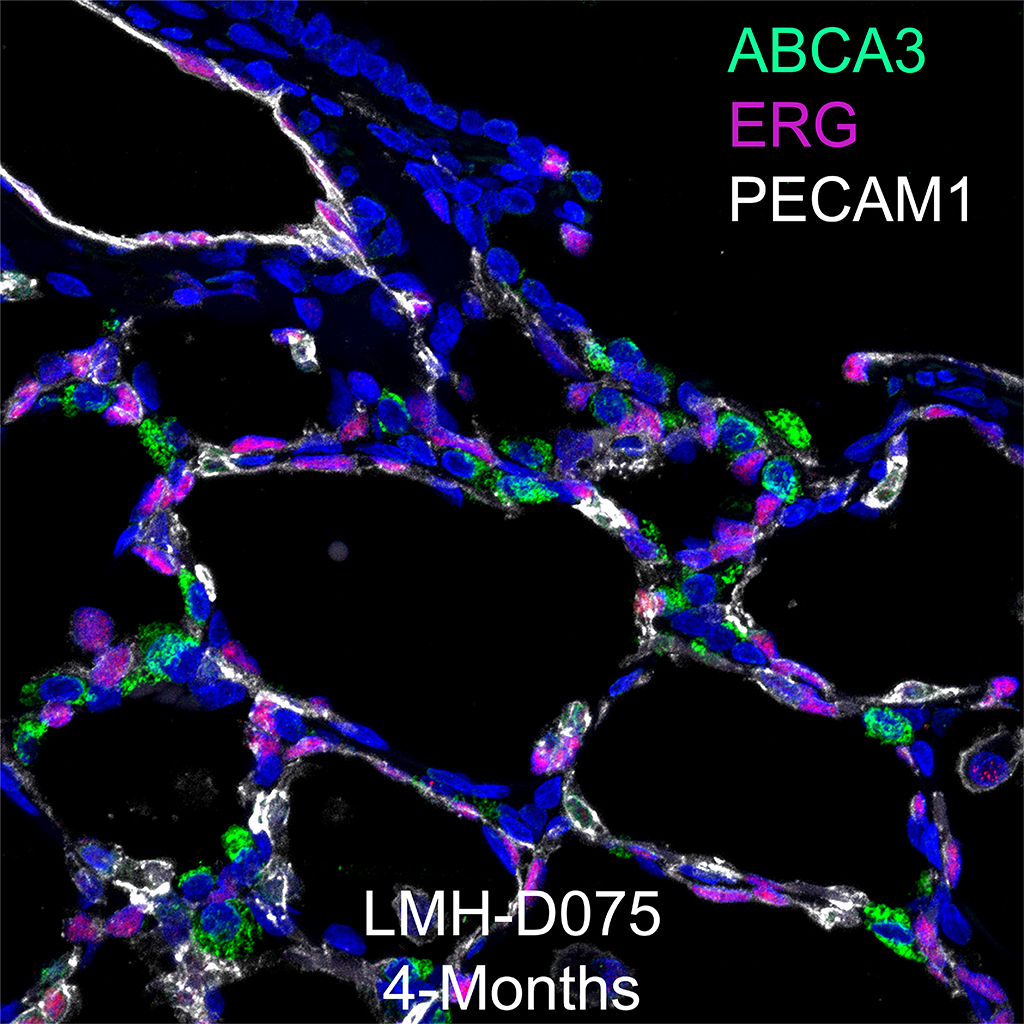
4 Month-Old Human Lung Immunofluorescence and Confocal Imaging Donor 075 Showing Expression of HOPX, ABCA3, and SFTPC

4 Month-Old Human Lung Immunofluorescence and Confocal Imaging Donor 075 Showing Expression of HOPX, ABCA3, and SFTPC

Donor Tissue Kindly Provided by Dr. Gloria Pryhuber from the University of Rochester Medical Center

Pryhuber_Lab

Immunofluorescence- HOPX, ABCA3, and SFTPC


Purpose:  Stain slides of 5µm paraffin sections of human lung from the HTC for HOPX, ABCA3, and SFTPC with antigen retrieval.

Day 1

  1. Paraffin sections are placed at 60oC for 2 hours to overnight to melt paraffin.
  2. Paraffin sections are then placed in xylene 3X for 10 minutes each, followed by 3X in 100% ETOH for 3 minutes each, 95% ETOH for 3 minutes each, and 70% ETOH for 3 minutes each. Slides are then placed in 1X PBS for 5 minutes to completely rehydrate tissue.
  3. Briefly equilibrate slides in Antigen Retrieval Buffer.
  4. Antigen retrieval, pH 6.0 (times will vary according to microwave).
  5. 10 mM sodium citrate, pH 6.0, and heat in a microwave at 96oC. *We usually do a series of three runs (6-7 minutes each run) to equal the time/temp because of evaporation (refill coplin jars with dH2O).
  6. Microwave according to instructions on microwave.
  7. Cool on countertop, 15 min.
  8. Rinse with dH2O
  9. 1X PBS, 5 min.
  10. Block in 4% Goat serum/PBS-T, 2 hours at RT.
  11. For Rabbit anti-HOPX (SC-30216, Lot# C2212, Santa Cruz) dilute 1:100, for mouse anti-ABCA3 (WMAB-17G524, Seven Hills Bioreagents) dilute 1:100, for guinea pig SFTPC (GP992, in house, bleed date 12.13.07) dilute 1:500 in blocking buffer. Spin down in µfuge for 20 minutes and incubate on tissue overnight @ 4 degrees C

Day 2

  1. Rinse slides in PBS-T 3X, 5 min.
  2. Apply secondary antibody, Goat Alexa Fluor 488 anti-rabbit IgG (A11034, Lot# 188524,  for anti-HOPX), Goat Alexa Fluor 568 anti-mouse IgG2B (A21144, Lot# 1906480, for anti-ABCA3) at 1:200, Donkey Alexa Fluor 647 anti-guinea pig (706-605-148, for anti SFTPC) at 1:200, in blocking buffer. Spin down in µfuge for 20 min, apply to tissue and incubated at room temperature for 1 hour.
  3. Rinse in PBS-T 3X, 5 min.
  4. Dilute DAPI 1:2000 and apply to slides for 10 min.
  5. Wash in PBS-T 3X, 5 min.
  6. Rinse slides in 0.1M PB or TB, 3X, 5 min.
  7. Add 1 drop of Prolong Gold anti-fade mounting medium (P36930).
  8. Coverslip with Gold Seal Coverslip (Cat# 3422 Electron Microscopy Sciences, 22 X 22 mm).
  9. Allow Prolong Gold to cure overnight at room temp in light sealed box.
  10. Store slides in light-sealed box at 4oC.


Tissue Used:
LMH-D075-LLL-10B1.23
Gender: Male
Age: 4 Months


Appendix
Antigen Retrieval Solution

18ml Solution A- 0.1M Citric Acid (Sigma, C1909) pH 2.5

82ml Reagent B- 0.1M Sodium Citrate (Sigma, S4641 ) pH 8.2

1L dH2O

pH 6.0

By |2019-09-30T18:00:57+00:00September 30th, 2019|Categories: Uncategorized|0 Comments

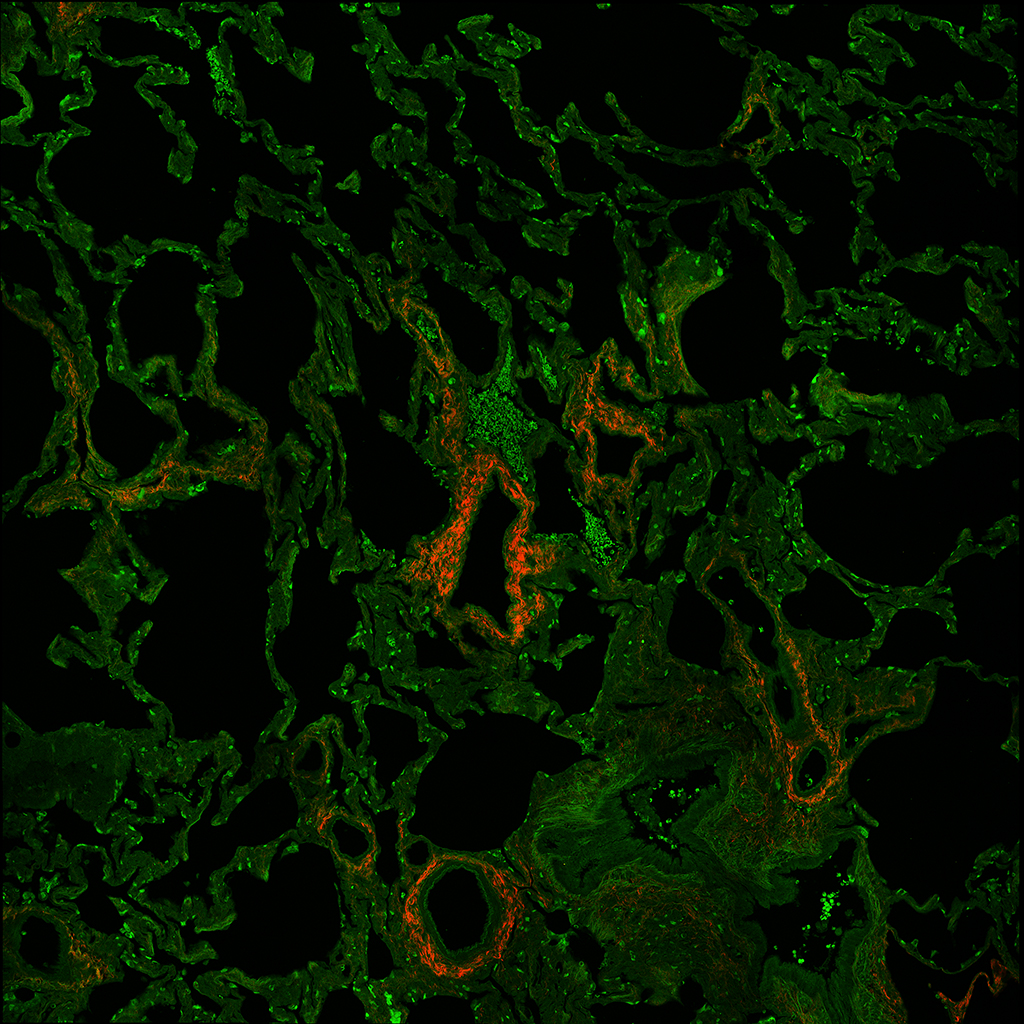
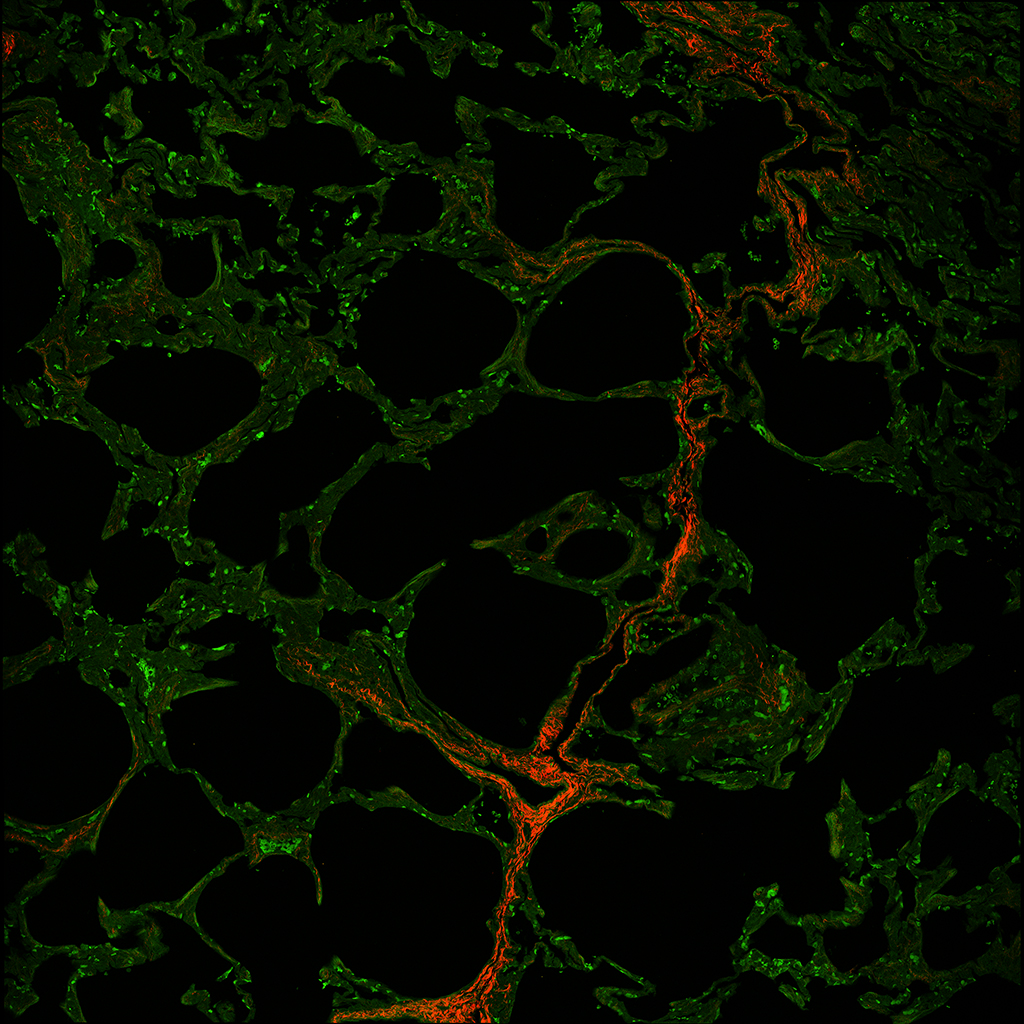
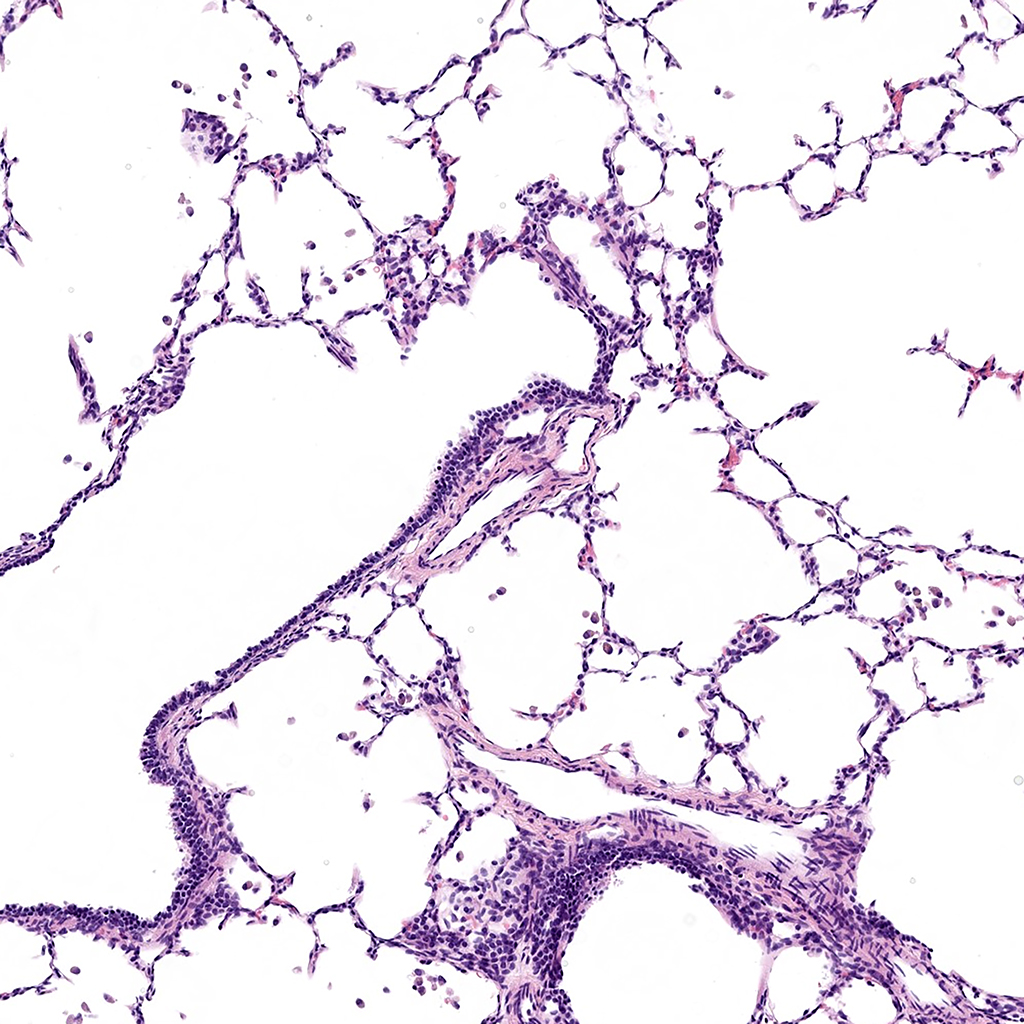
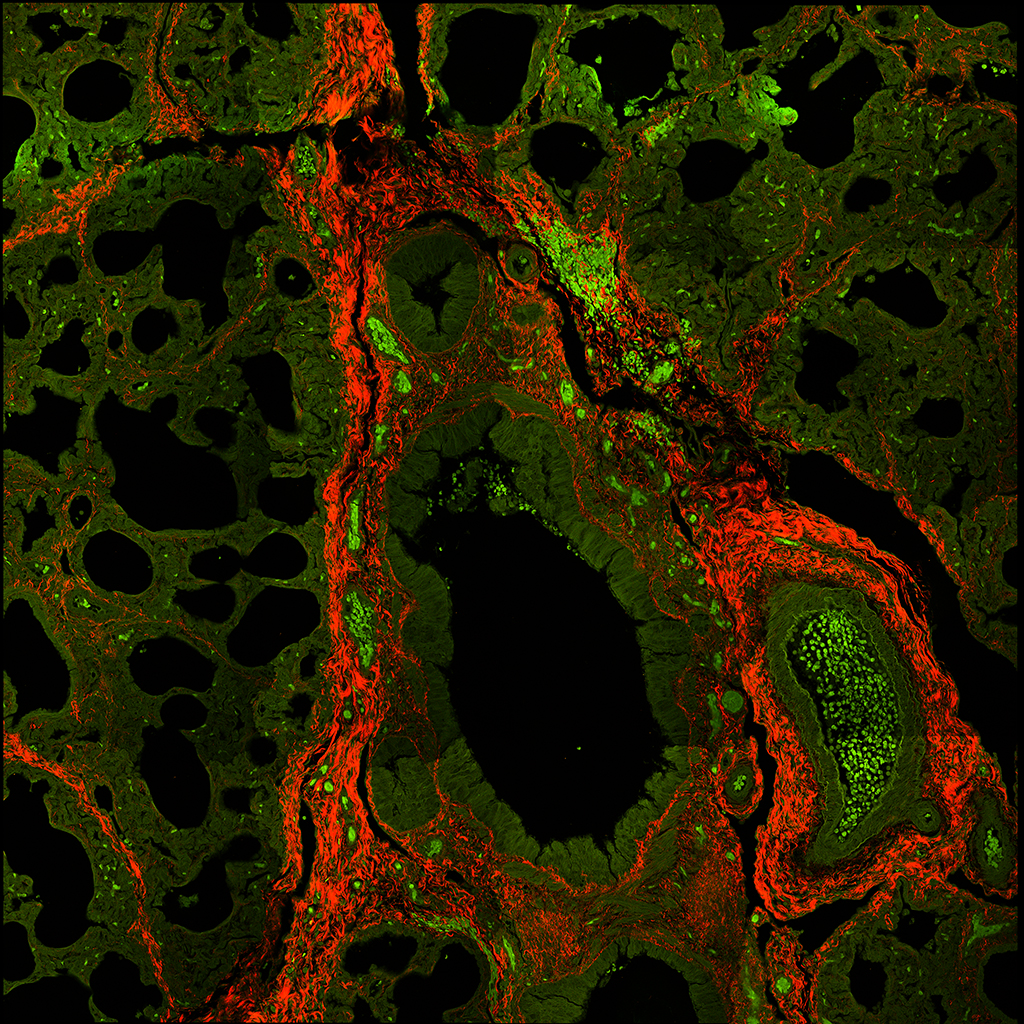
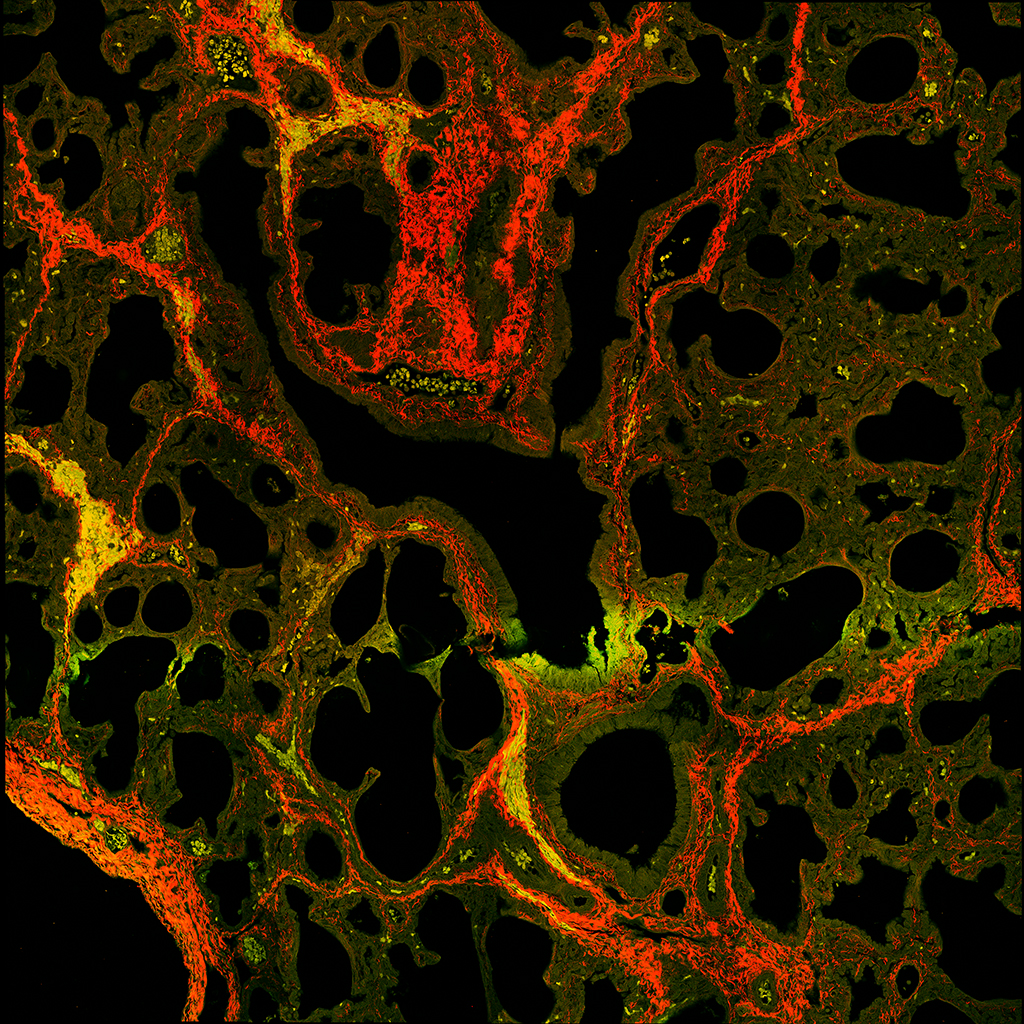
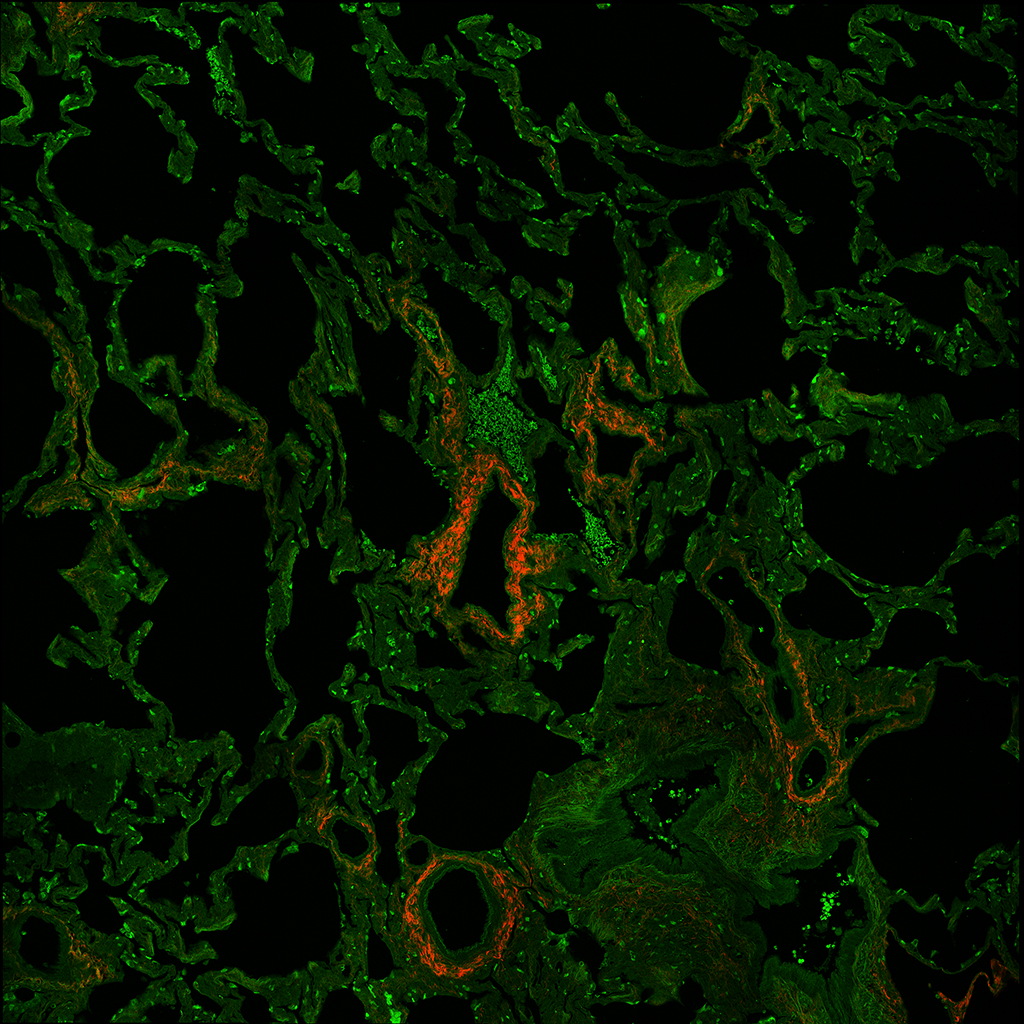
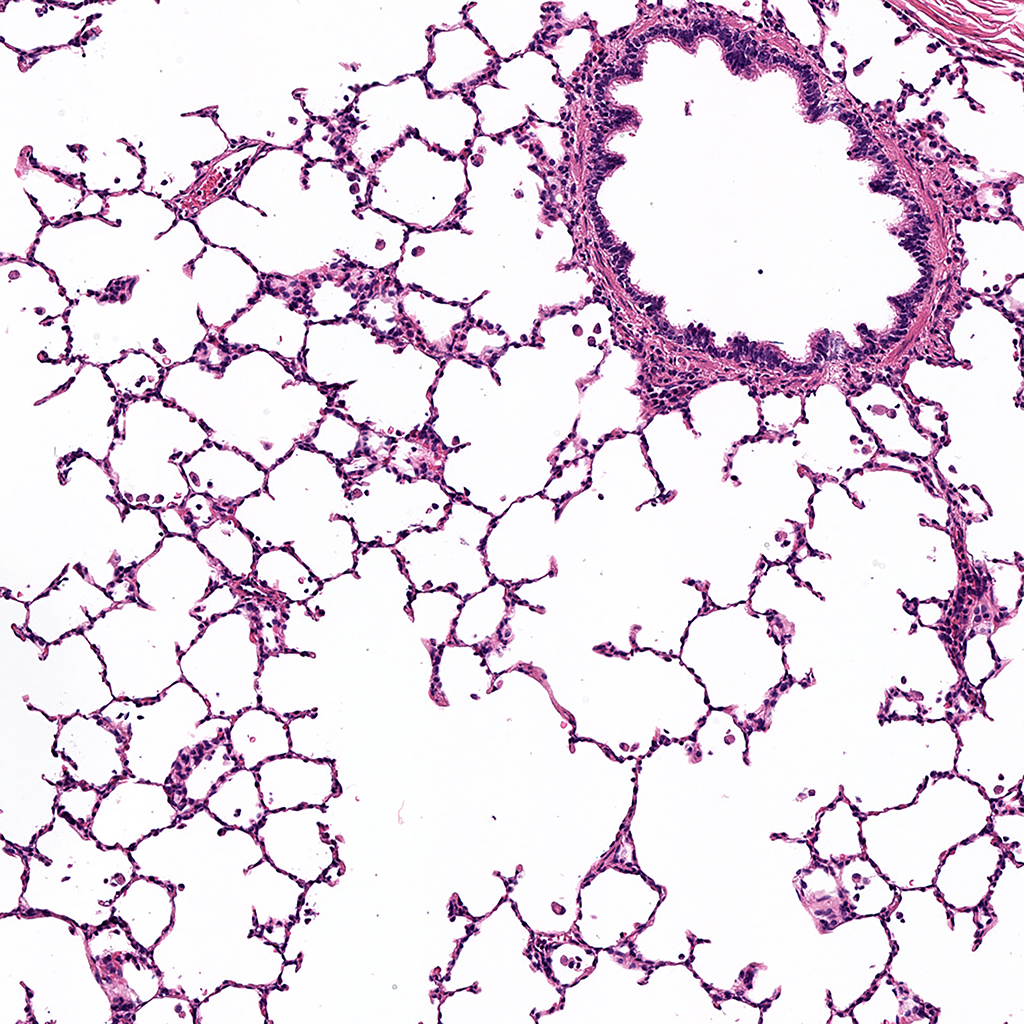
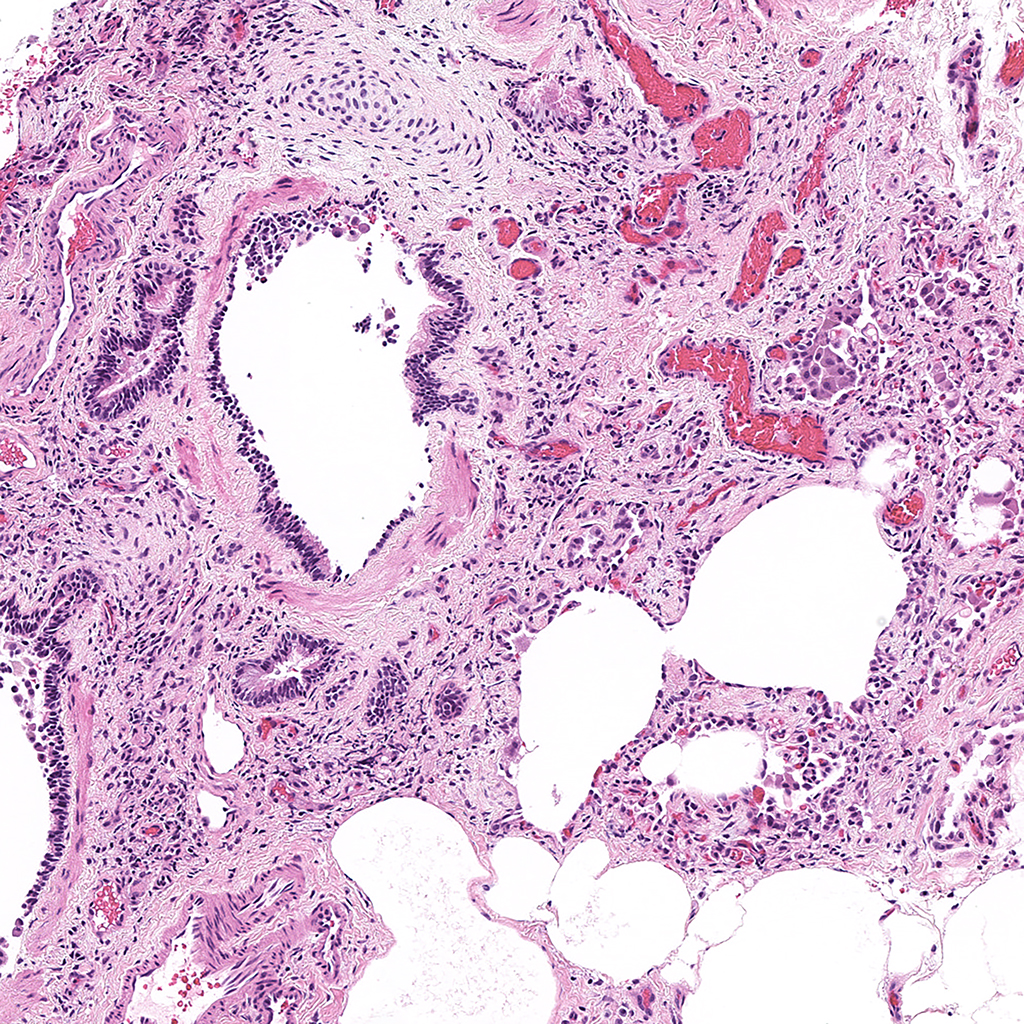
H&E Staining of 1 Day-Old Human Donor D127-6A2.38

H&E Staining of 1 Day-Old Human Donor D127-6A2.38

Donor Tissue Kindly Provided by Dr. Gloria Pryhuber from the University of Rochester Medical Center

Pryhuber_Lab

  1. Paraffin sections were placed at 60oC overnight to melt paraffin.
  2. Paraffin sections were then placed in xylene (Xylenes Reagent Grade ACS Histology/Lab Grade Cat # 399000000 Pharma-AAPER) 3X for 10 minutes each.
  3. Rinsed slides in a series of 100% ETOH washes. 20 dips for the first wash, 3 minutes for the second wash, and 20 dips for the third wash.
  4. Rinsed slides in a series of 95% ETOH washes. 20 dips for the first wash, 3 minutes for the second wash, and 20 dips for the third wash.
  5. Rinsed slides in 70% ETOH for 3 min.
  6. Rinsed slides for 3 minutes in running dH2O.
  7. Slides were then stained in filtered Hematoxylin for 60 seconds. (Gold Standard Harris Hemotoxylin, Acidified, Mercury; Cat # 24245 Polysciences Inc,).
  8. Rinsed slides in tap water until water turned cleared then rinsed in dH2O
  9. Rinsed slides in Lithium Carbonate: 20 dips. (Lithium Carbonate ACS Grade; Cat # 255823-500G Sigma Aldrich). Lithium carbonate is prepared by over-saturating in dH2O.
  10. Rinsed slides in dH2O 3X 20 dips.
  11. Rinsed slides in 70% ETOH for 20 dips.
  12. Rinsed slides in 80% ETOH for 20 dips.
  13. Stained slides in Eosin for 15 seconds. (Eosin Y 0.5% Alcohol Solution, Cat # 09859 Polysciences Inc,).
  14. Rinsed slides in a series of 95% ETOH washes. 10 dips for the first and second washes, 15 dips in the third and fourth washes.
  15. Rinsed slides 3X in 100% ETOH. 10 dips for the first and second washes and 15 dips in the third and fourth washes.
  16. Rinsed slides in 2X in Xylene, followed by 6 more washes in xylene.
  17. Coverslip with Permount. (Permount Toulene Solution UN 1294, Cat # SP-15-500 Fisher Scientific).


Tissue Used:
LMH-18-D150-6A2.38
Gender: Male
Age: 1 Day

By |2019-09-23T14:23:24+00:00September 23rd, 2019|Categories: Uncategorized|0 Comments

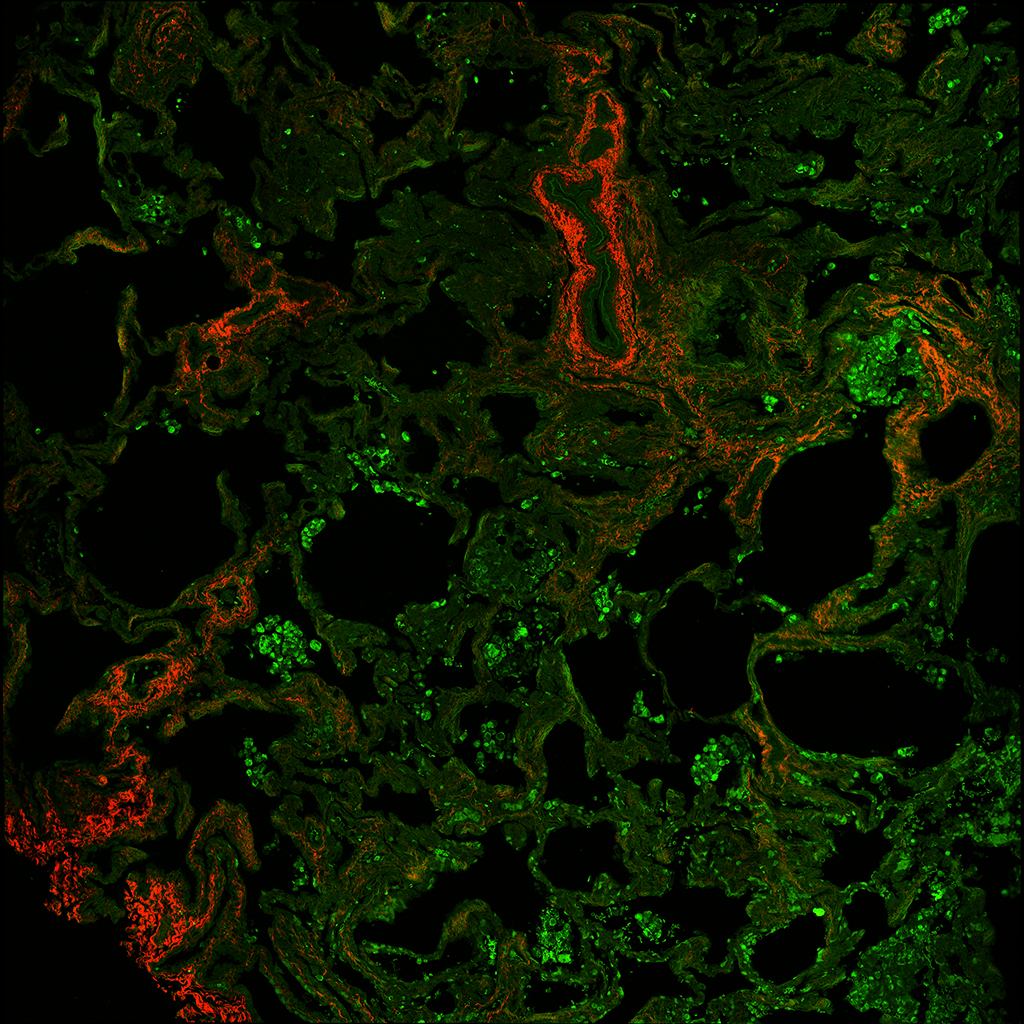
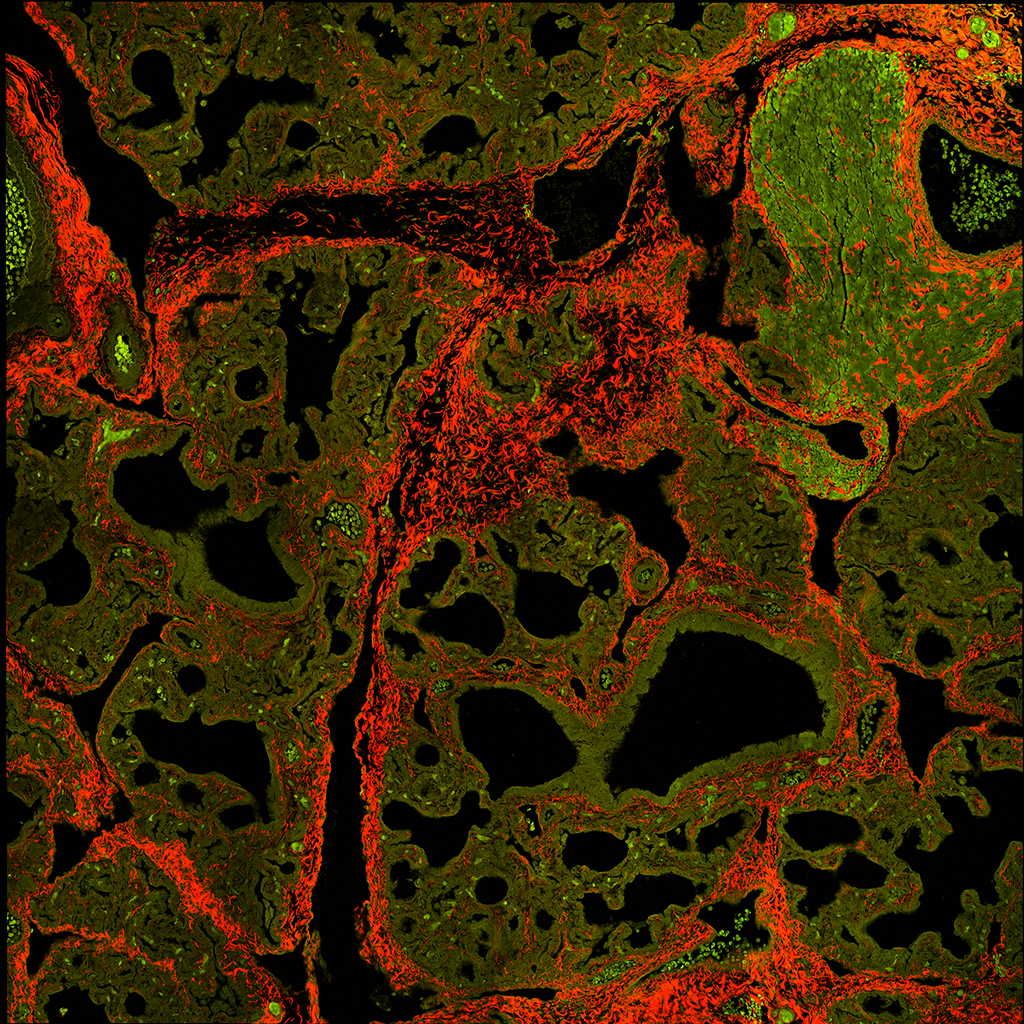
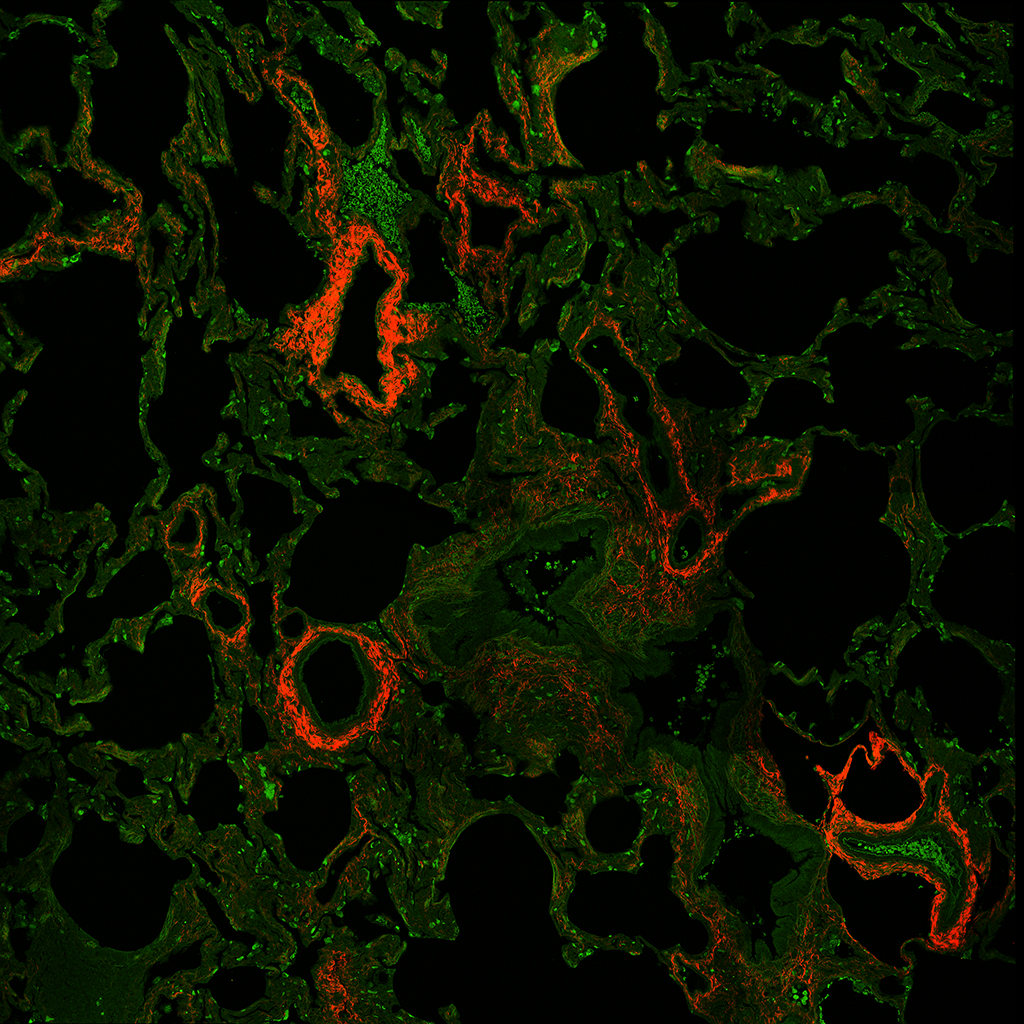
H&E Staining of 1 Day-Old Human Donor D127-4A2.19

H&E Staining of 1 Day-Old Human Donor D127-4A2.19

Donor Tissue Kindly Provided by Dr. Gloria Pryhuber from the University of Rochester Medical Center

Pryhuber_Lab

  1. Paraffin sections were placed at 60oC overnight to melt paraffin.
  2. Paraffin sections were then placed in xylene (Xylenes Reagent Grade ACS Histology/Lab Grade Cat # 399000000 Pharma-AAPER) 3X for 10 minutes each.
  3. Rinsed slides in a series of 100% ETOH washes. 20 dips for the first wash, 3 minutes for the second wash, and 20 dips for the third wash.
  4. Rinsed slides in a series of 95% ETOH washes. 20 dips for the first wash, 3 minutes for the second wash, and 20 dips for the third wash.
  5. Rinsed slides in 70% ETOH for 3 min.
  6. Rinsed slides for 3 minutes in running dH2O.
  7. Slides were then stained in filtered Hematoxylin for 60 seconds. (Gold Standard Harris Hemotoxylin, Acidified, Mercury; Cat # 24245 Polysciences Inc,).
  8. Rinsed slides in tap water until water turned cleared then rinsed in dH2O
  9. Rinsed slides in Lithium Carbonate: 20 dips. (Lithium Carbonate ACS Grade; Cat # 255823-500G Sigma Aldrich). Lithium carbonate is prepared by over-saturating in dH2O.
  10. Rinsed slides in dH2O 3X 20 dips.
  11. Rinsed slides in 70% ETOH for 20 dips.
  12. Rinsed slides in 80% ETOH for 20 dips.
  13. Stained slides in Eosin for 15 seconds. (Eosin Y 0.5% Alcohol Solution, Cat # 09859 Polysciences Inc,).
  14. Rinsed slides in a series of 95% ETOH washes. 10 dips for the first and second washes, 15 dips in the third and fourth washes.
  15. Rinsed slides 3X in 100% ETOH. 10 dips for the first and second washes and 15 dips in the third and fourth washes.
  16. Rinsed slides in 2X in Xylene, followed by 6 more washes in xylene.
  17. Coverslip with Permount. (Permount Toulene Solution UN 1294, Cat # SP-15-500 Fisher Scientific).


Tissue Used:
LMH-18-D150-4A2.19
Gender: Male
Age: 1 Day

By |2019-09-19T19:45:09+00:00September 19th, 2019|Categories: Uncategorized|0 Comments

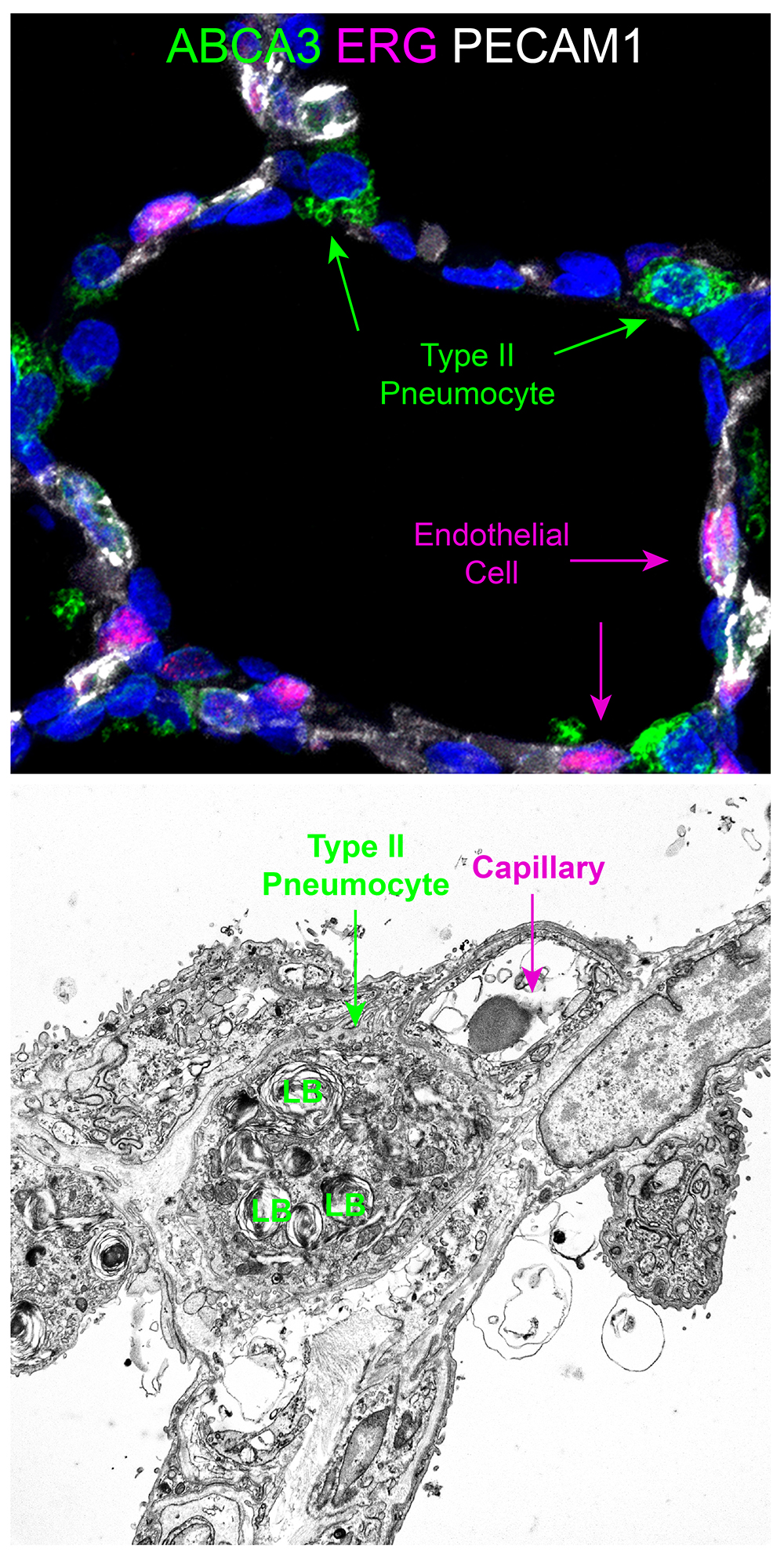
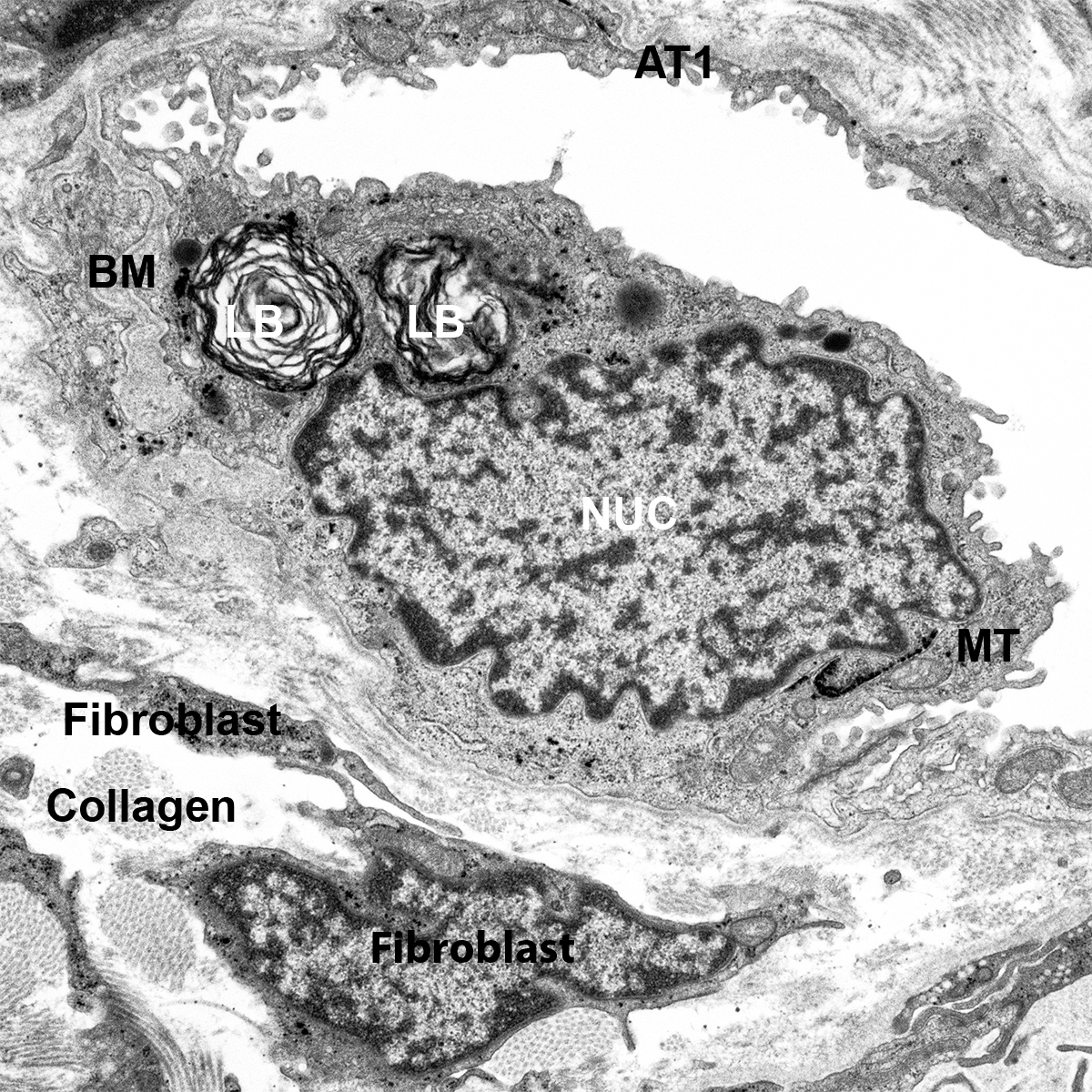
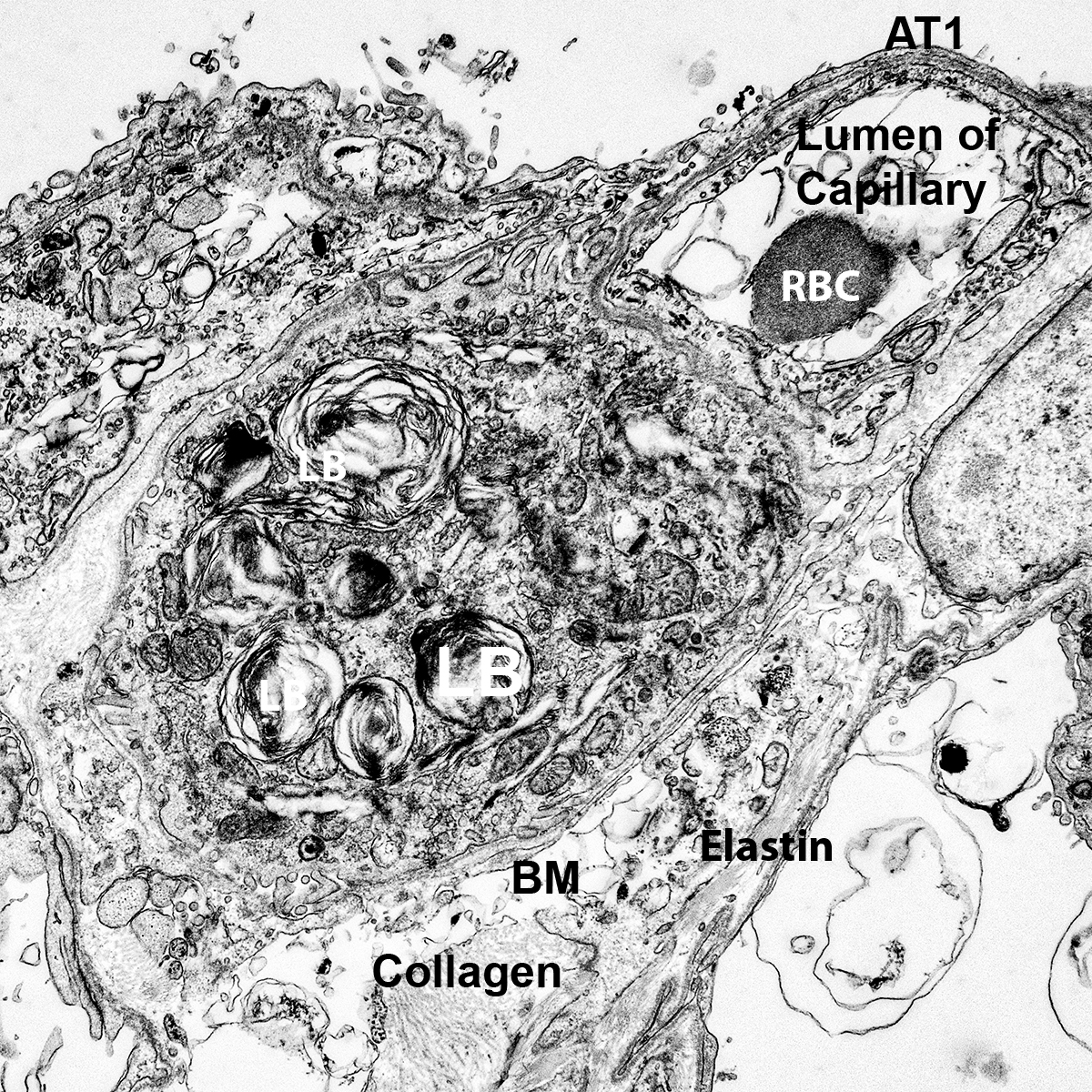
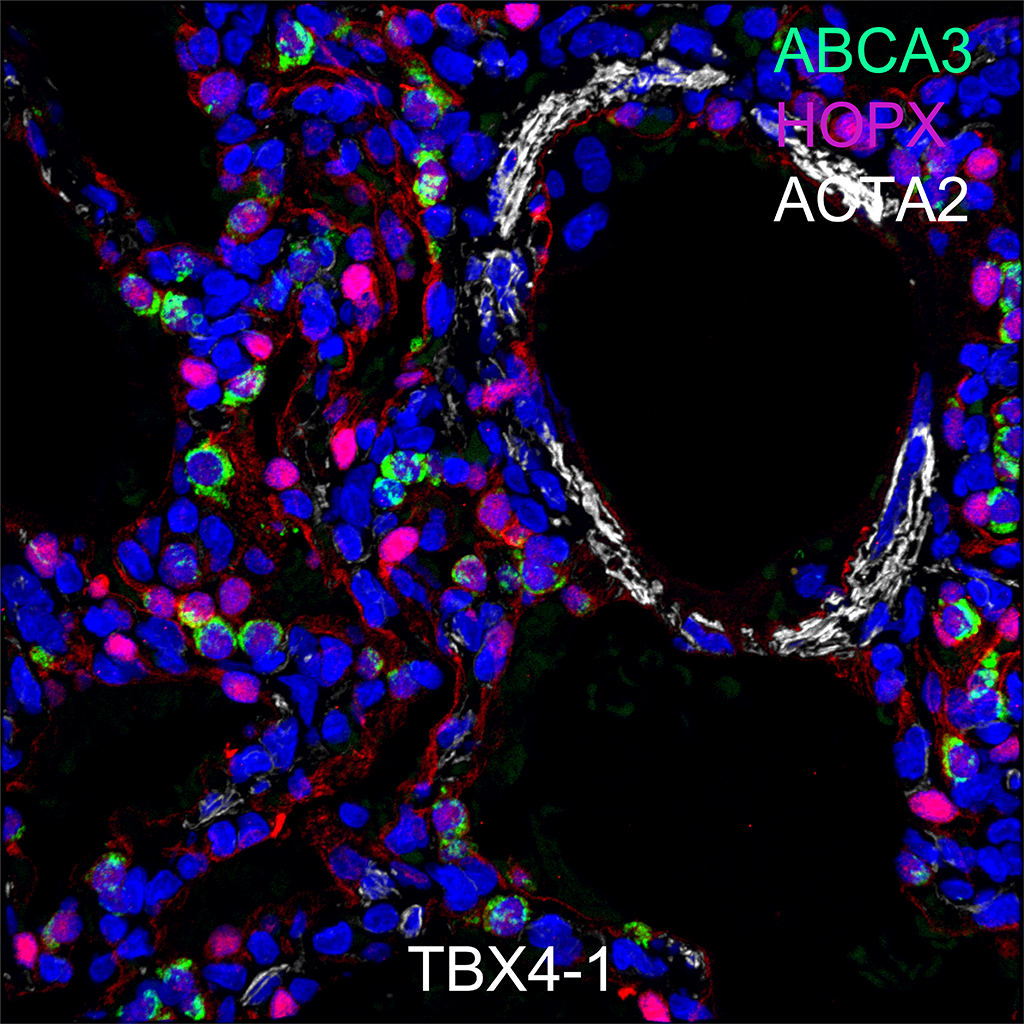
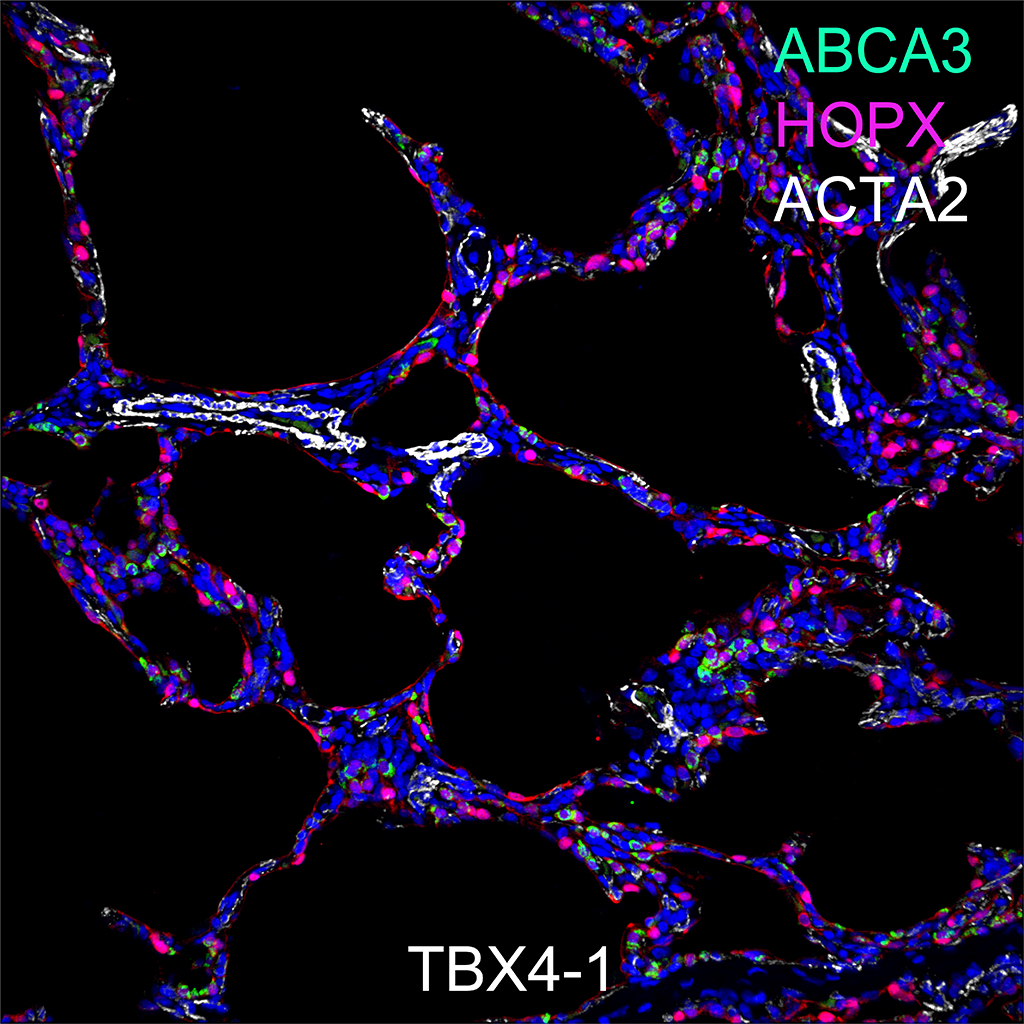
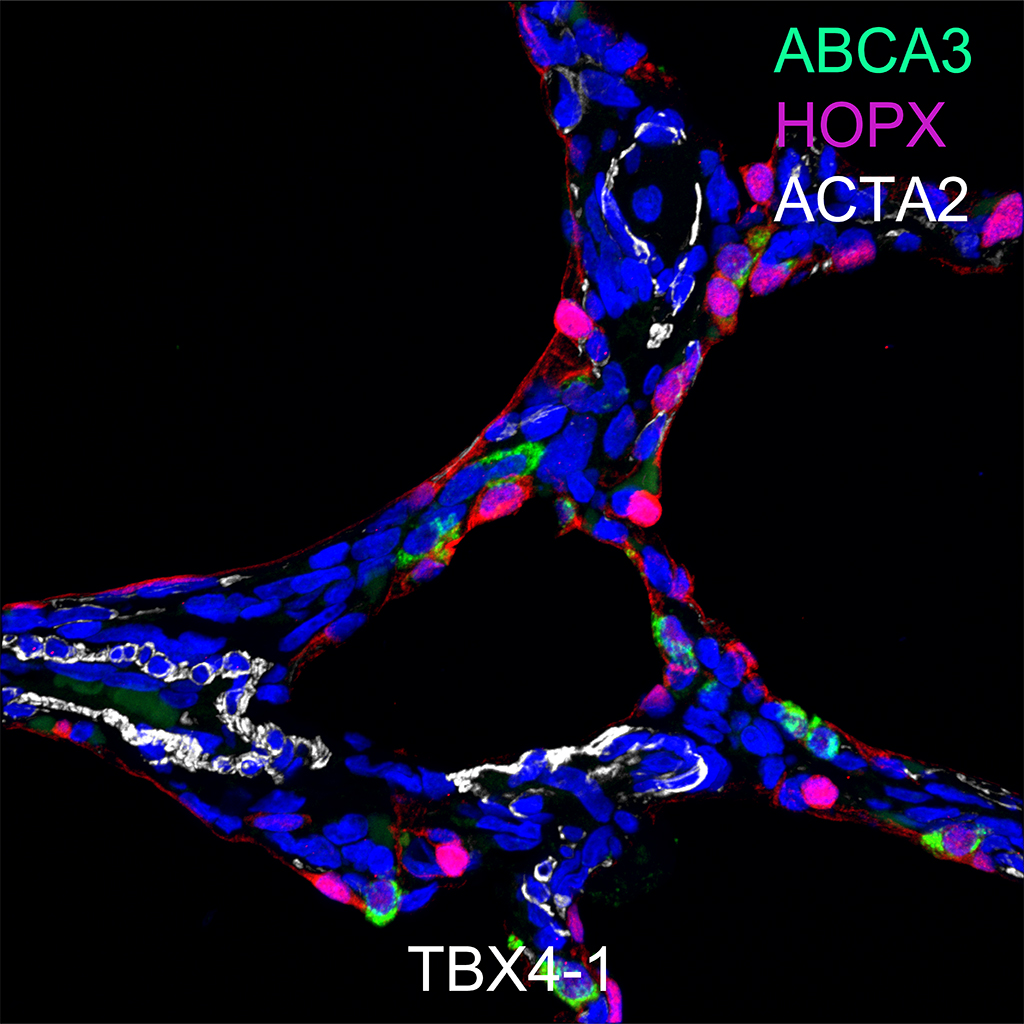
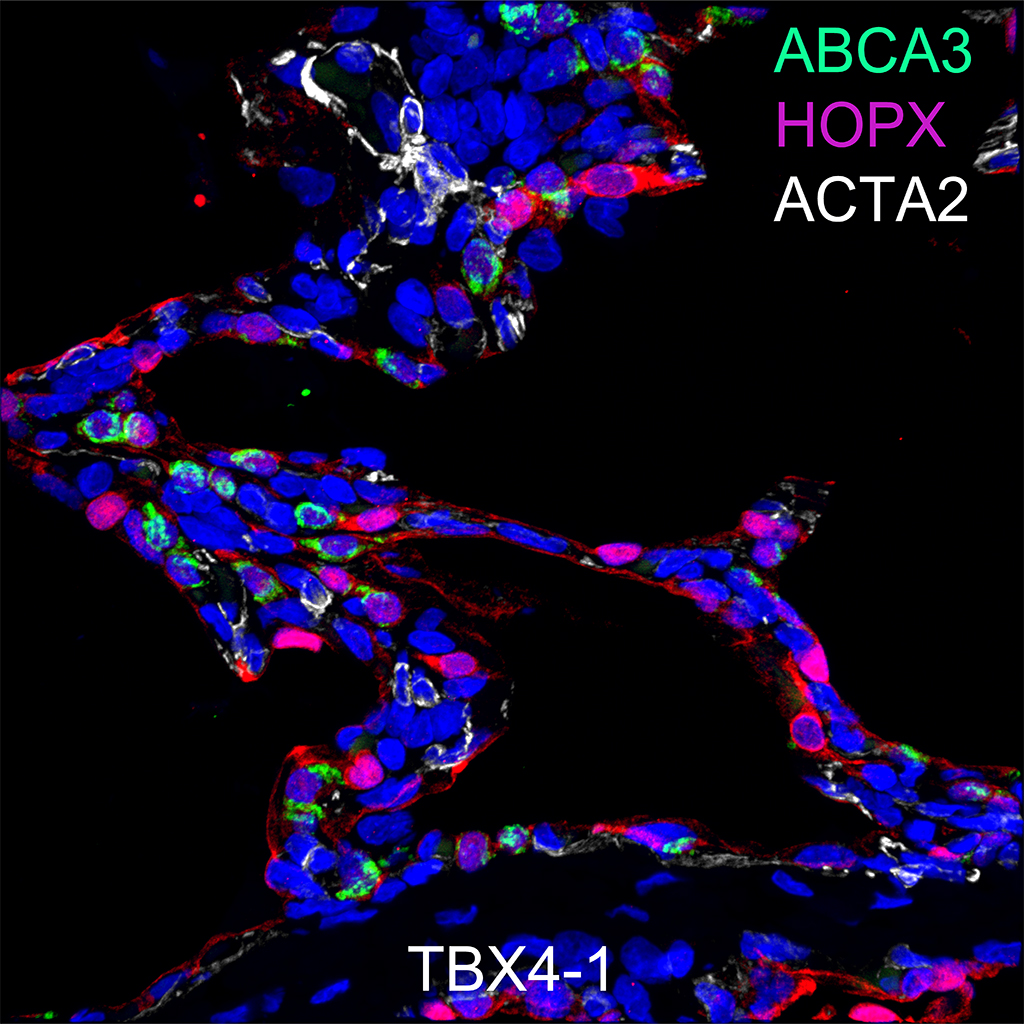
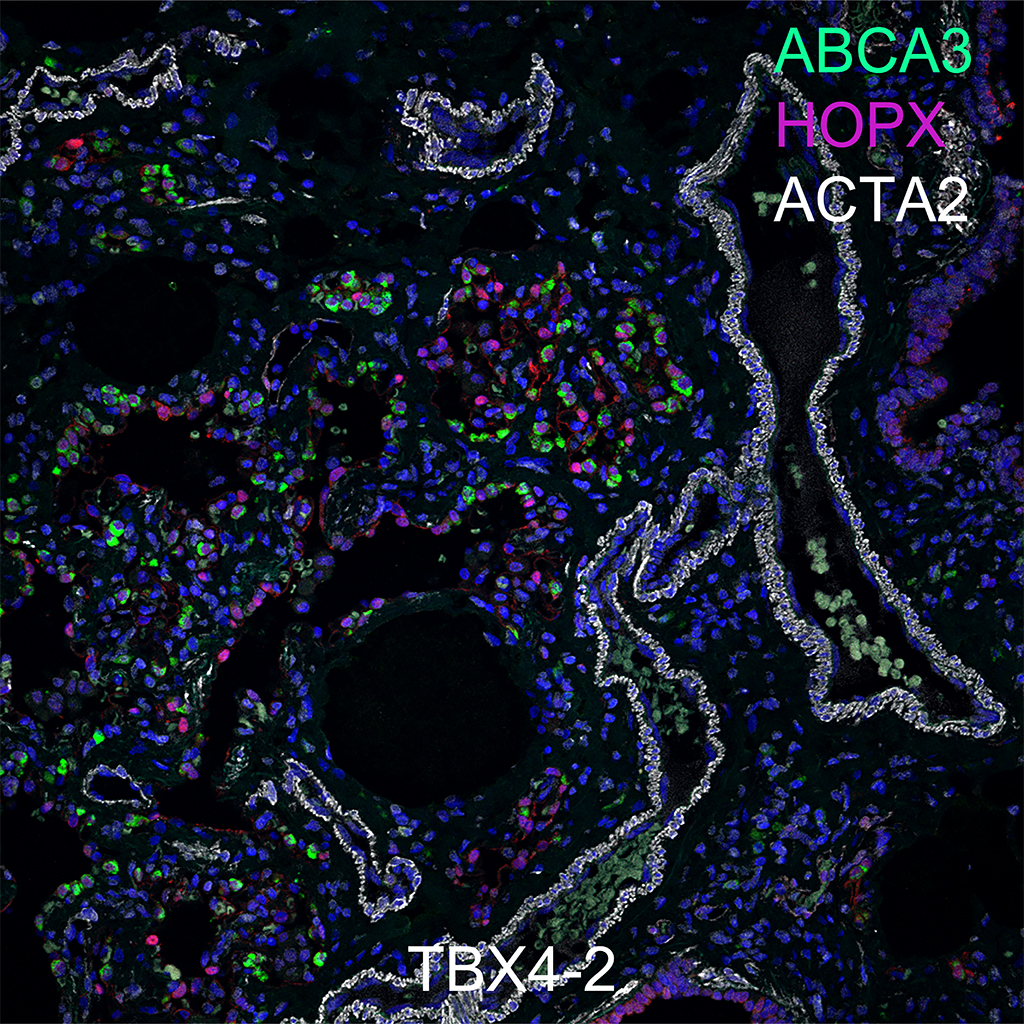
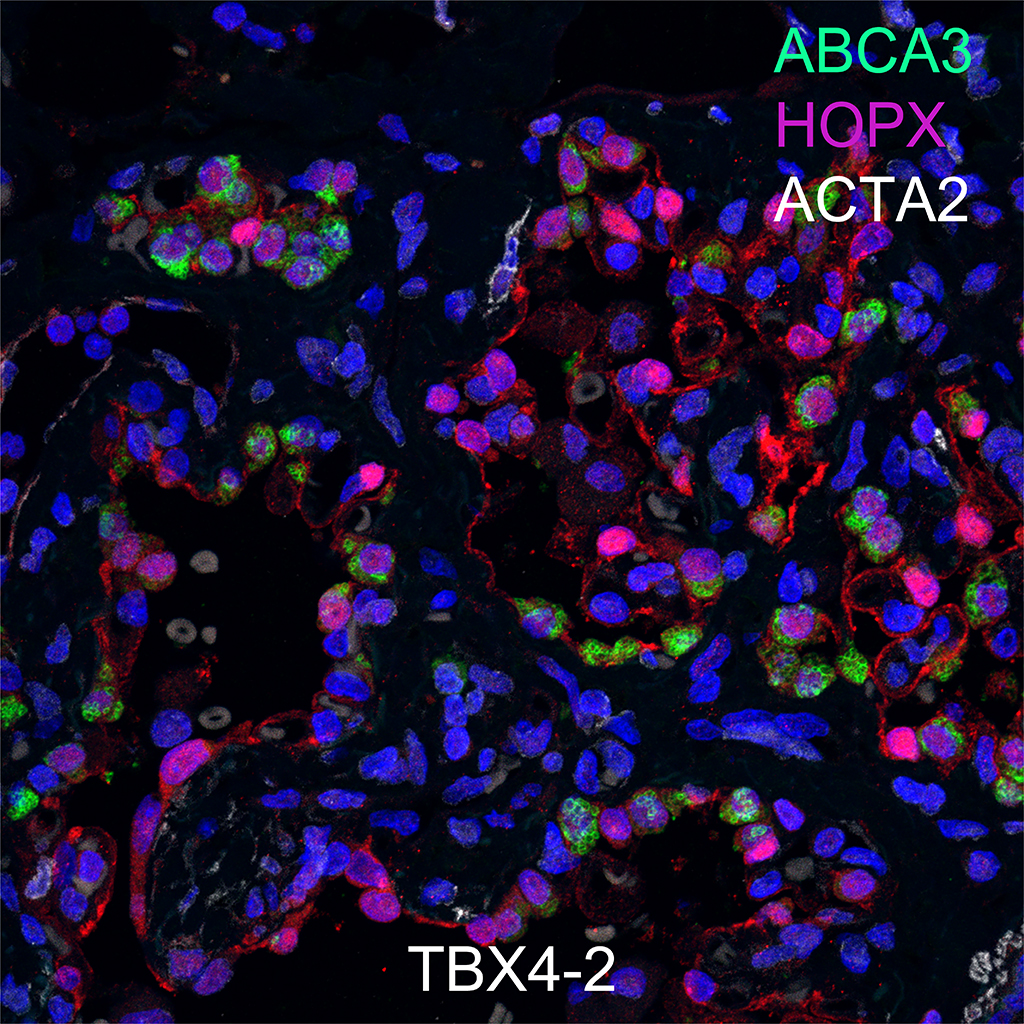
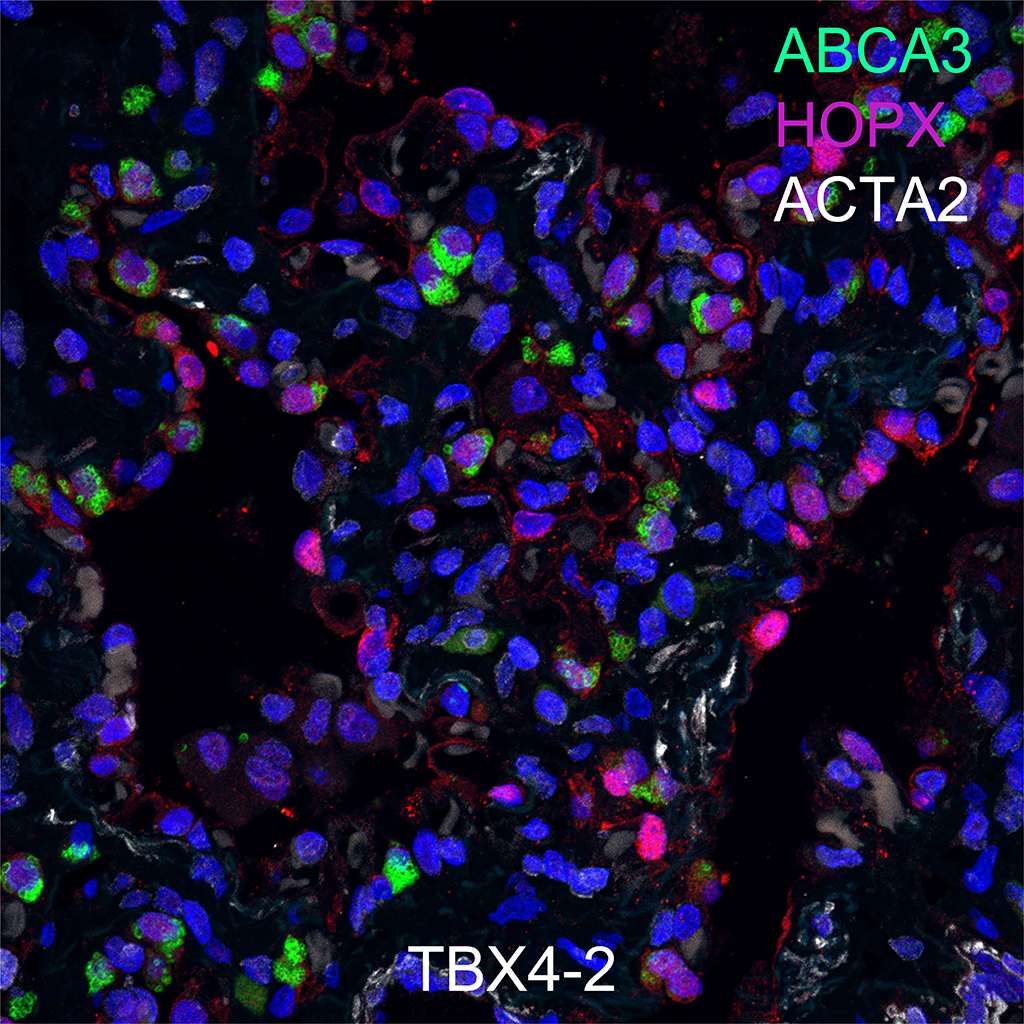
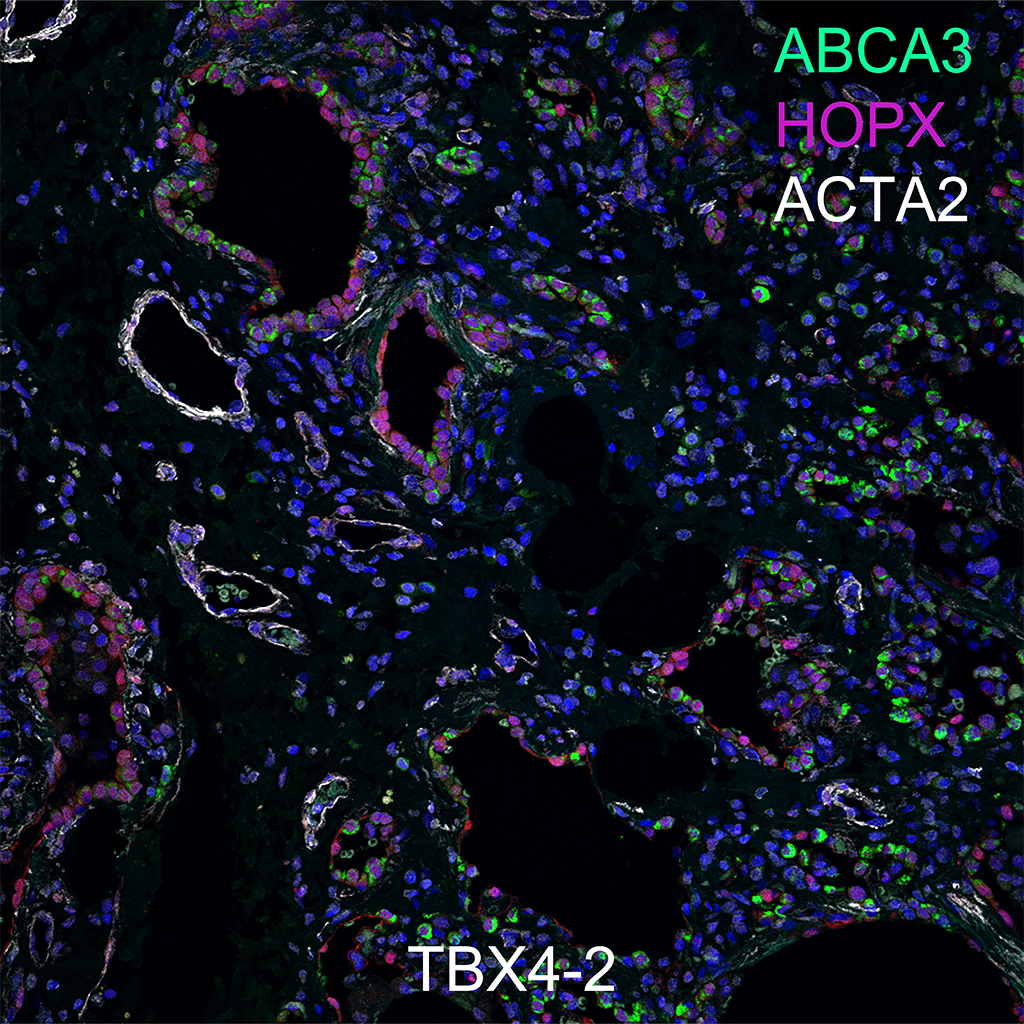
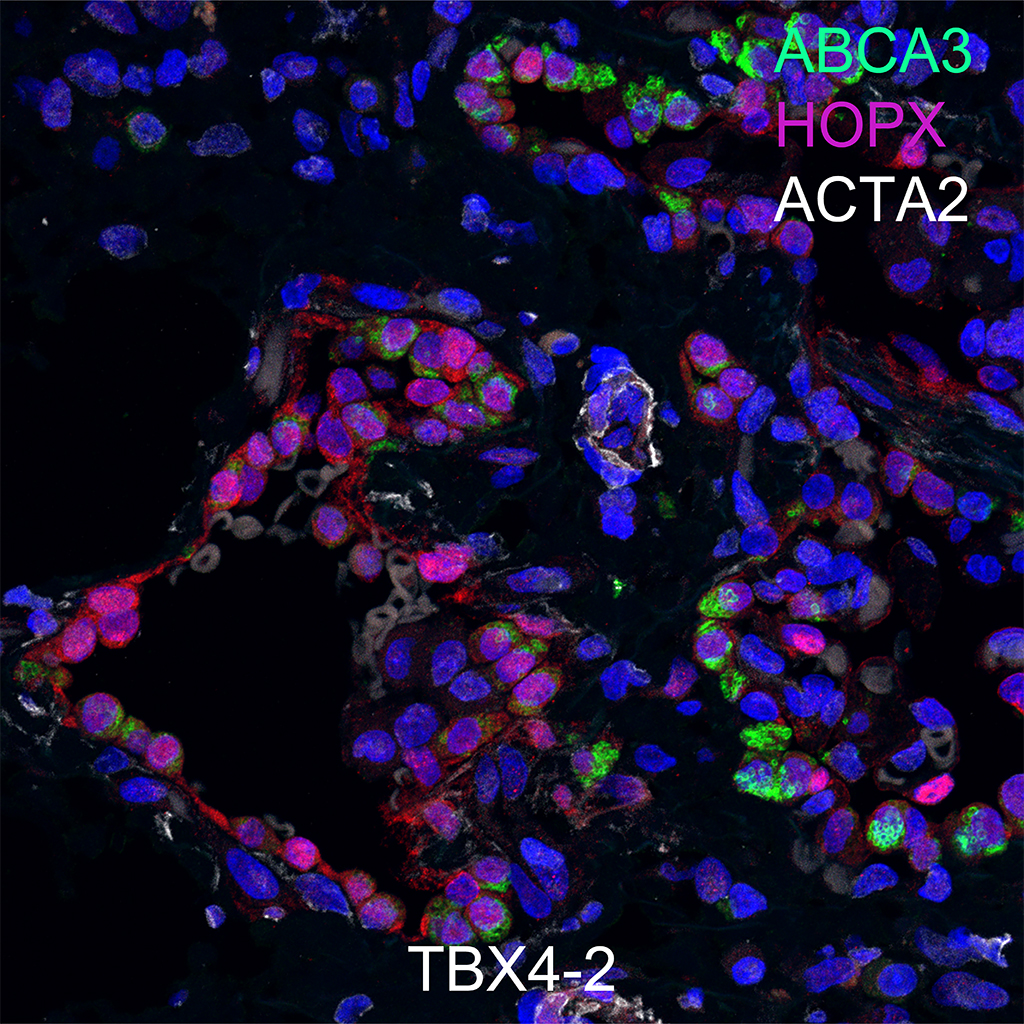
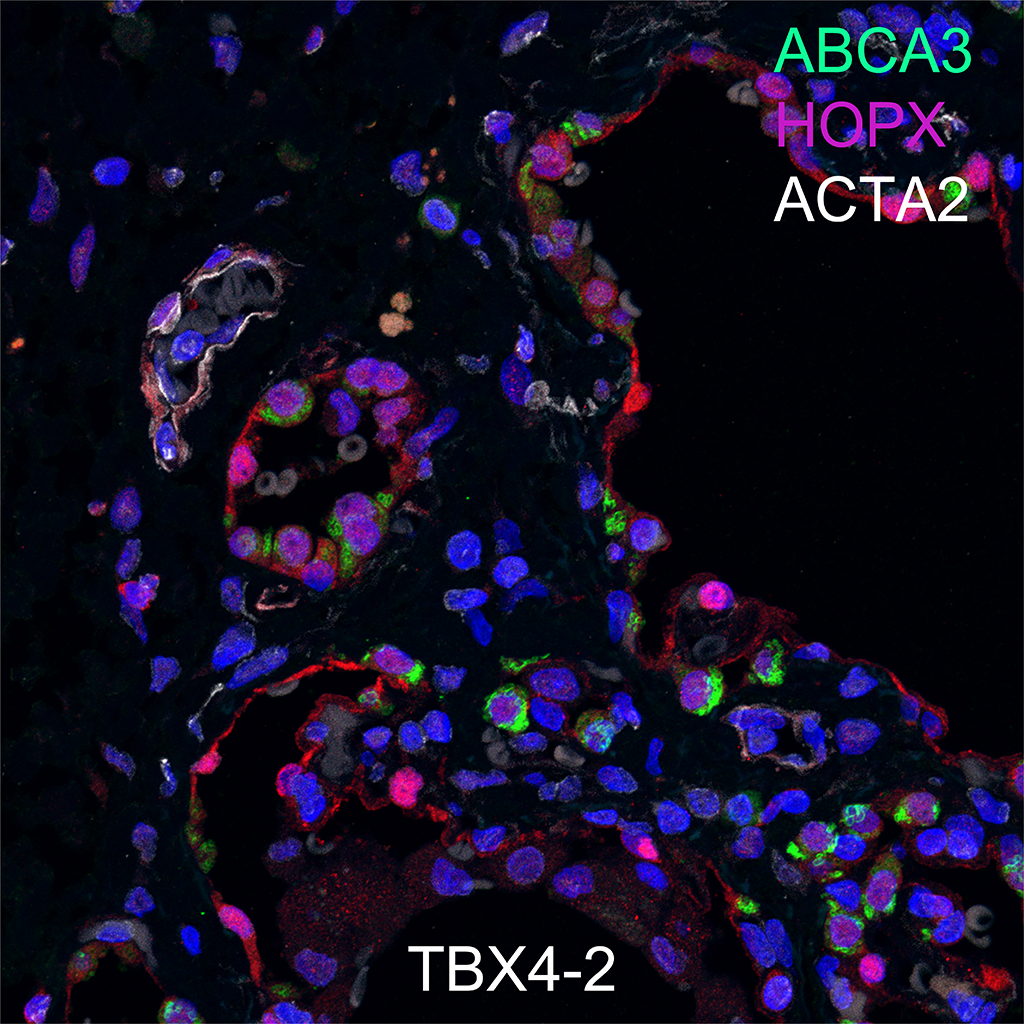
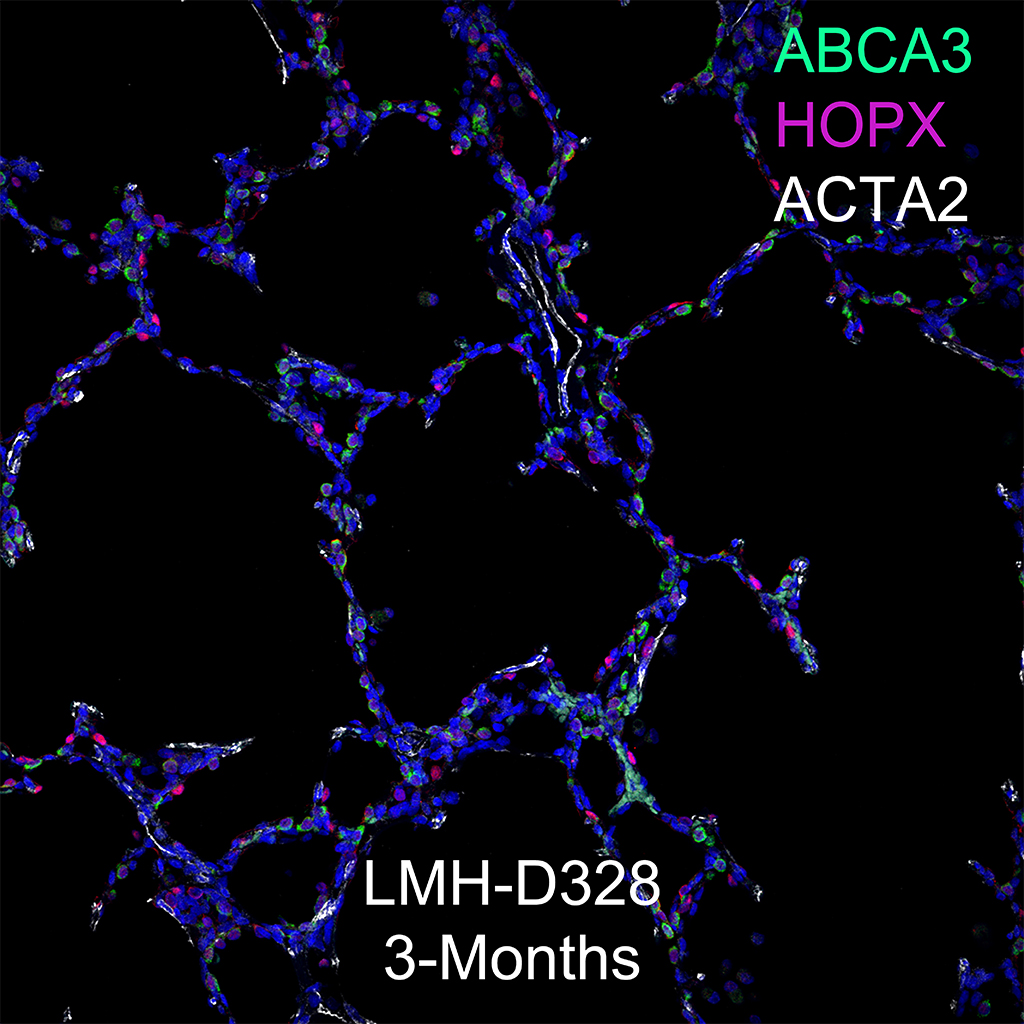
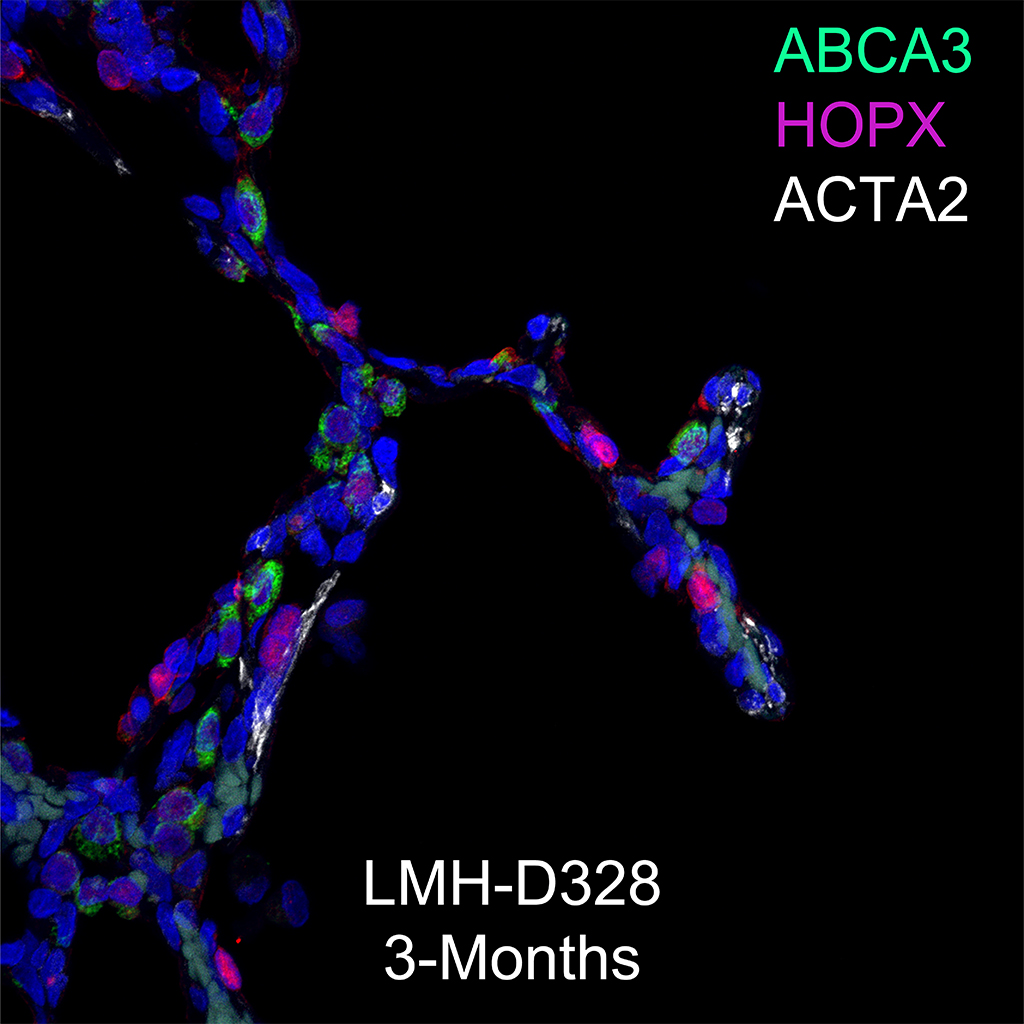
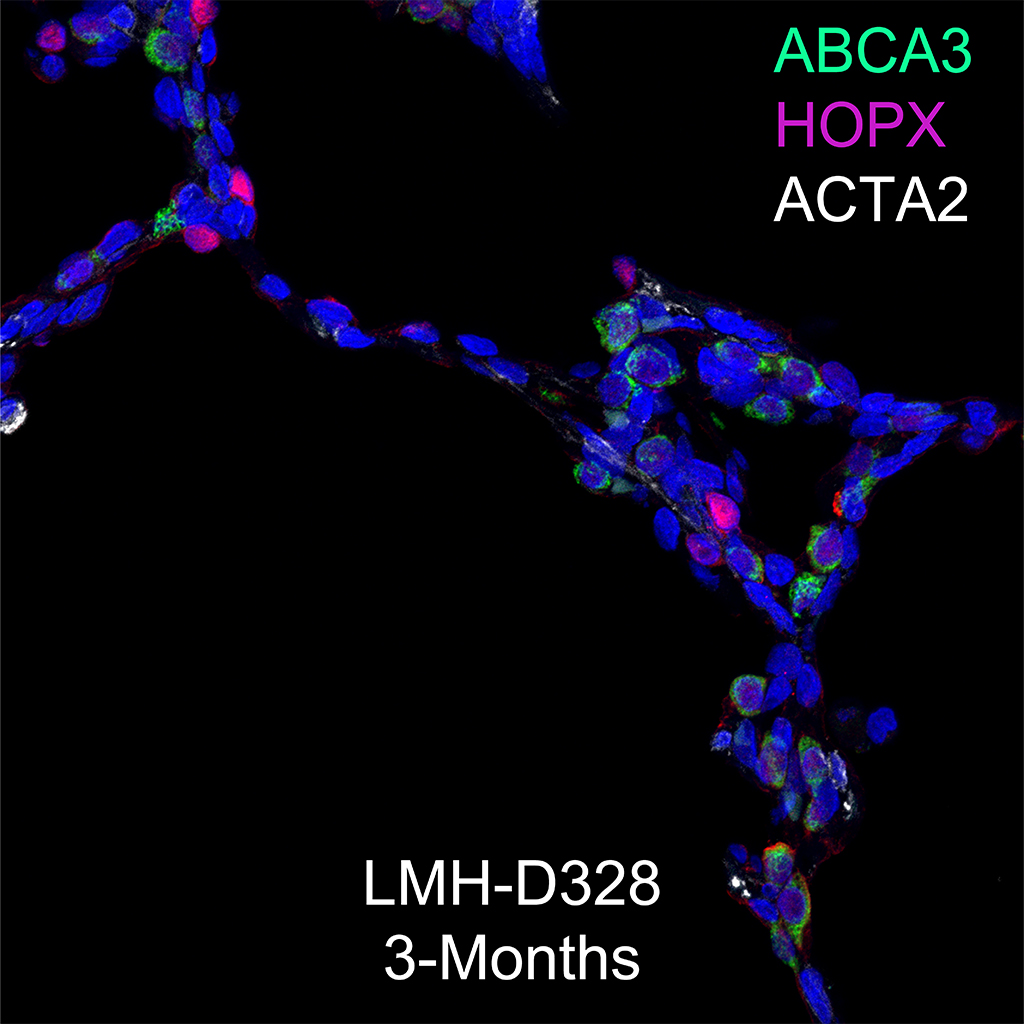
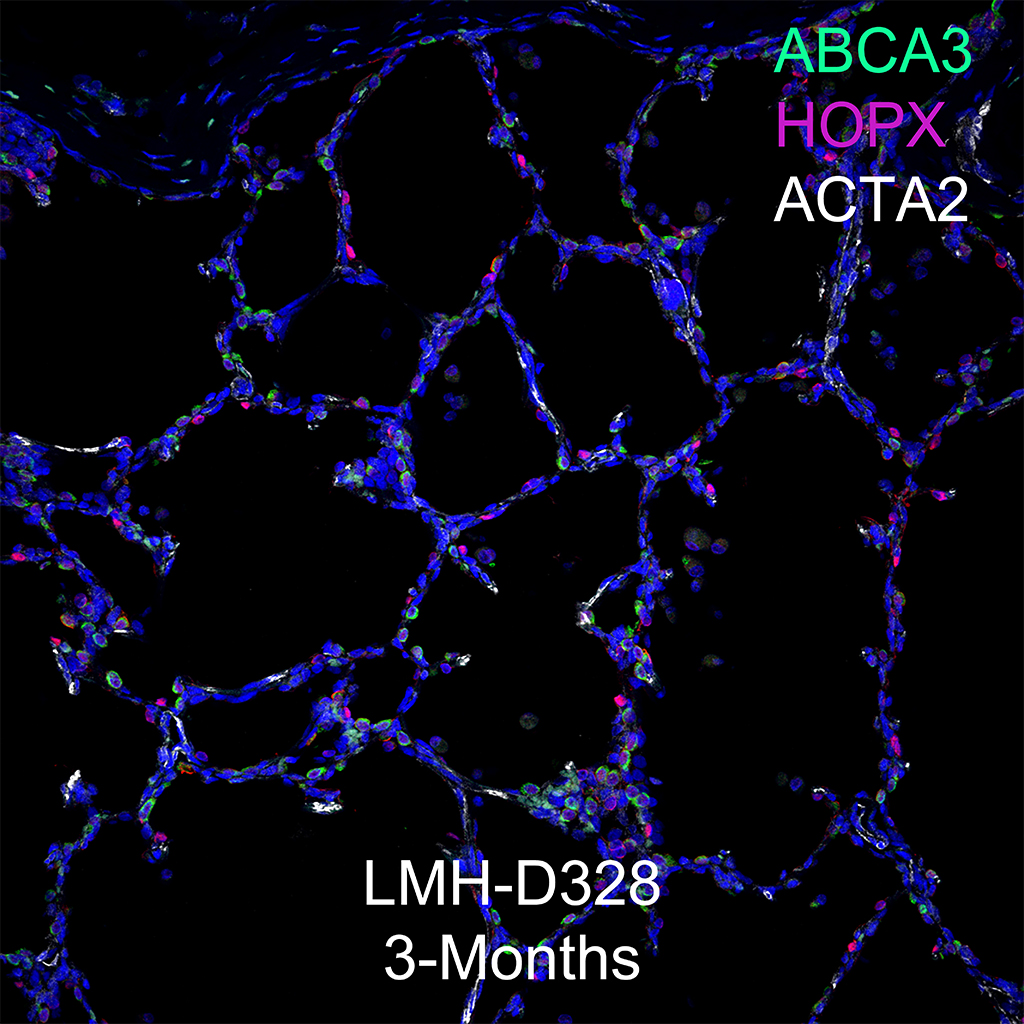
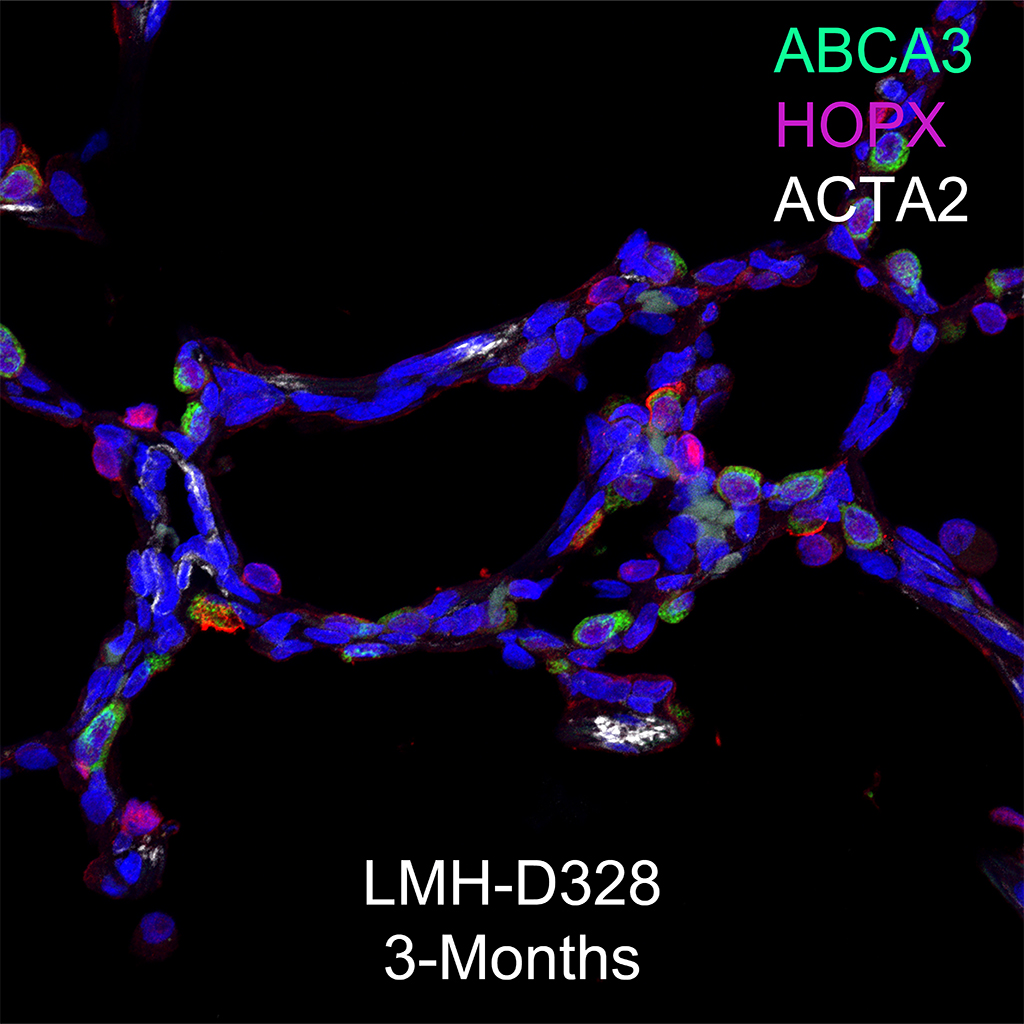
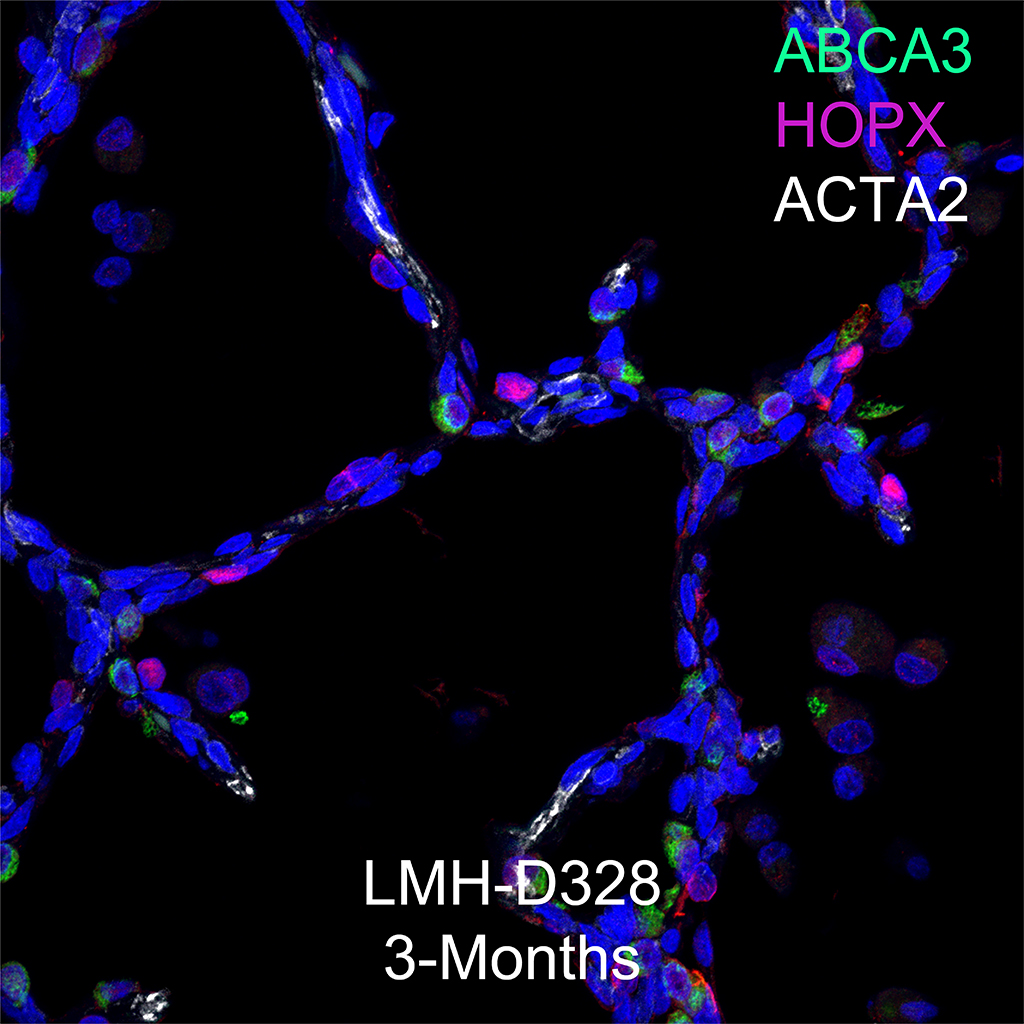
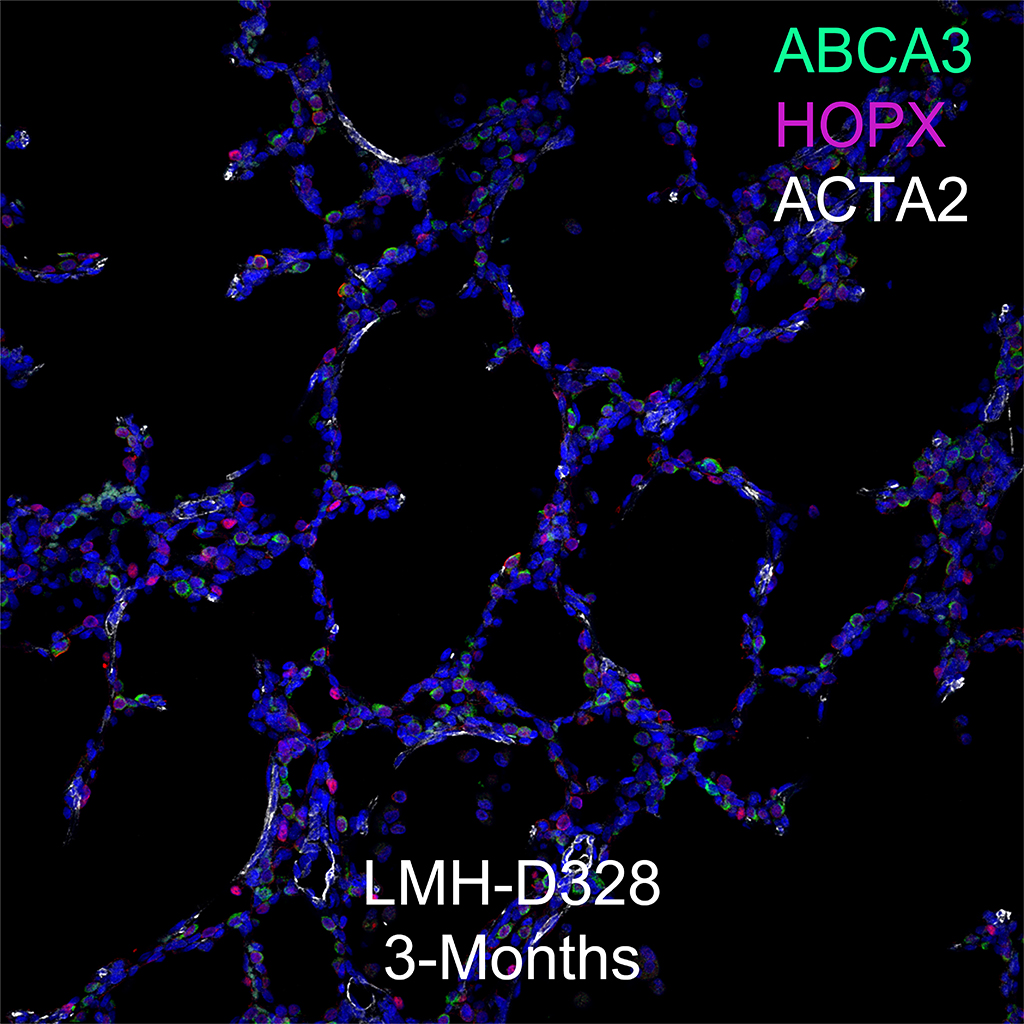
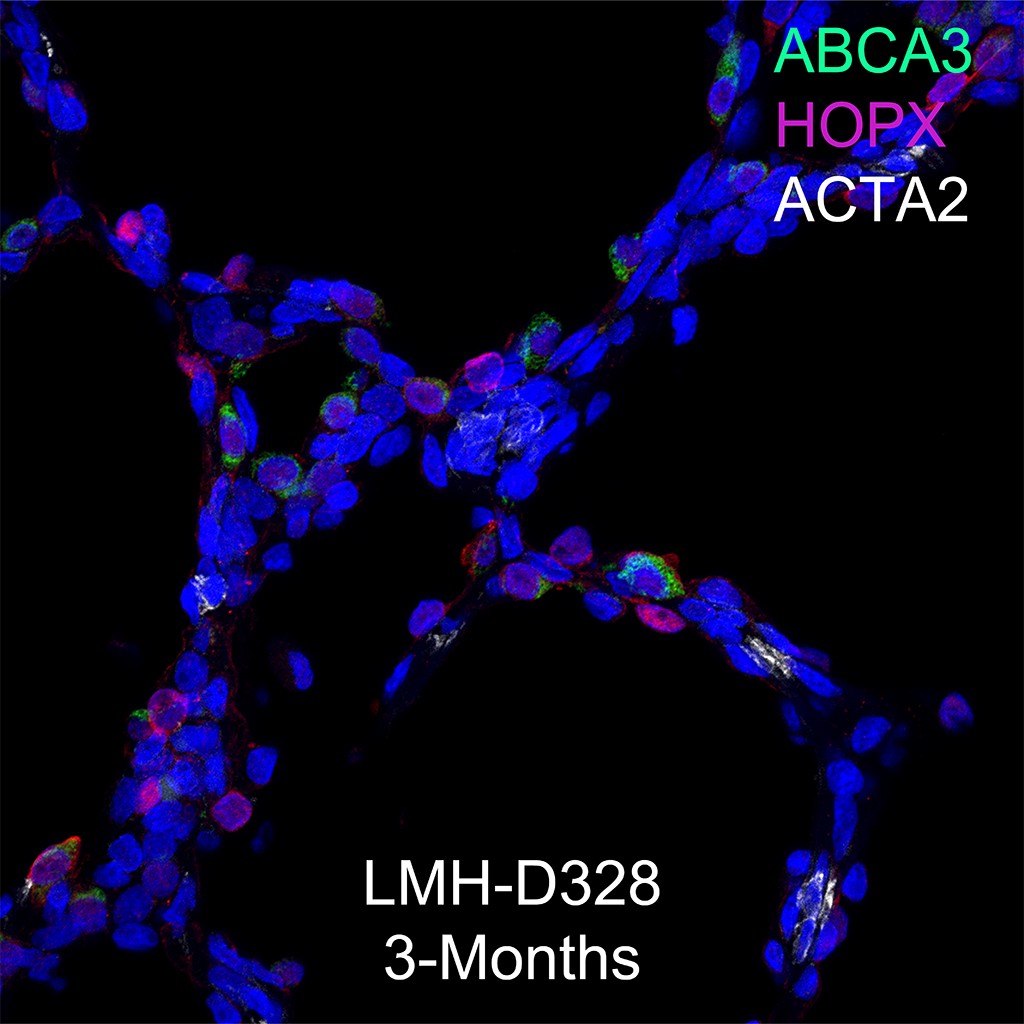
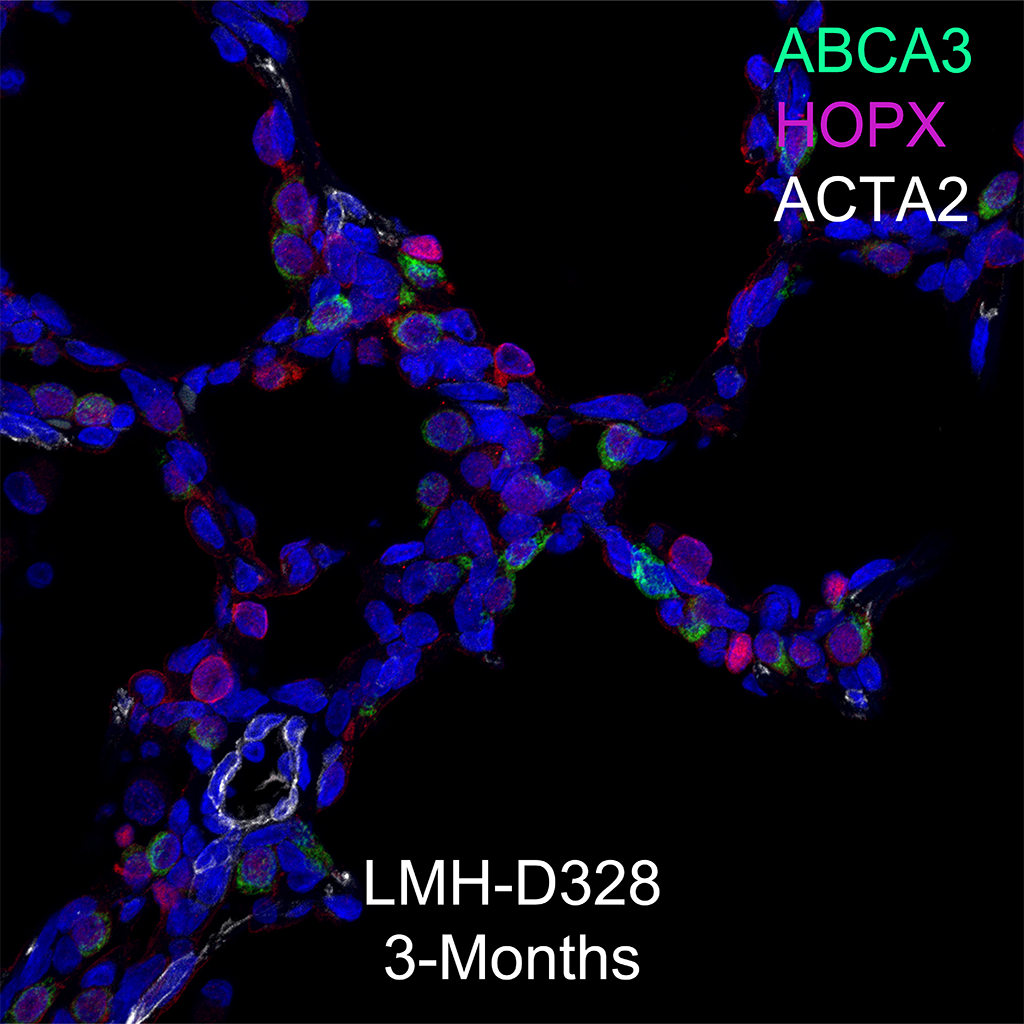
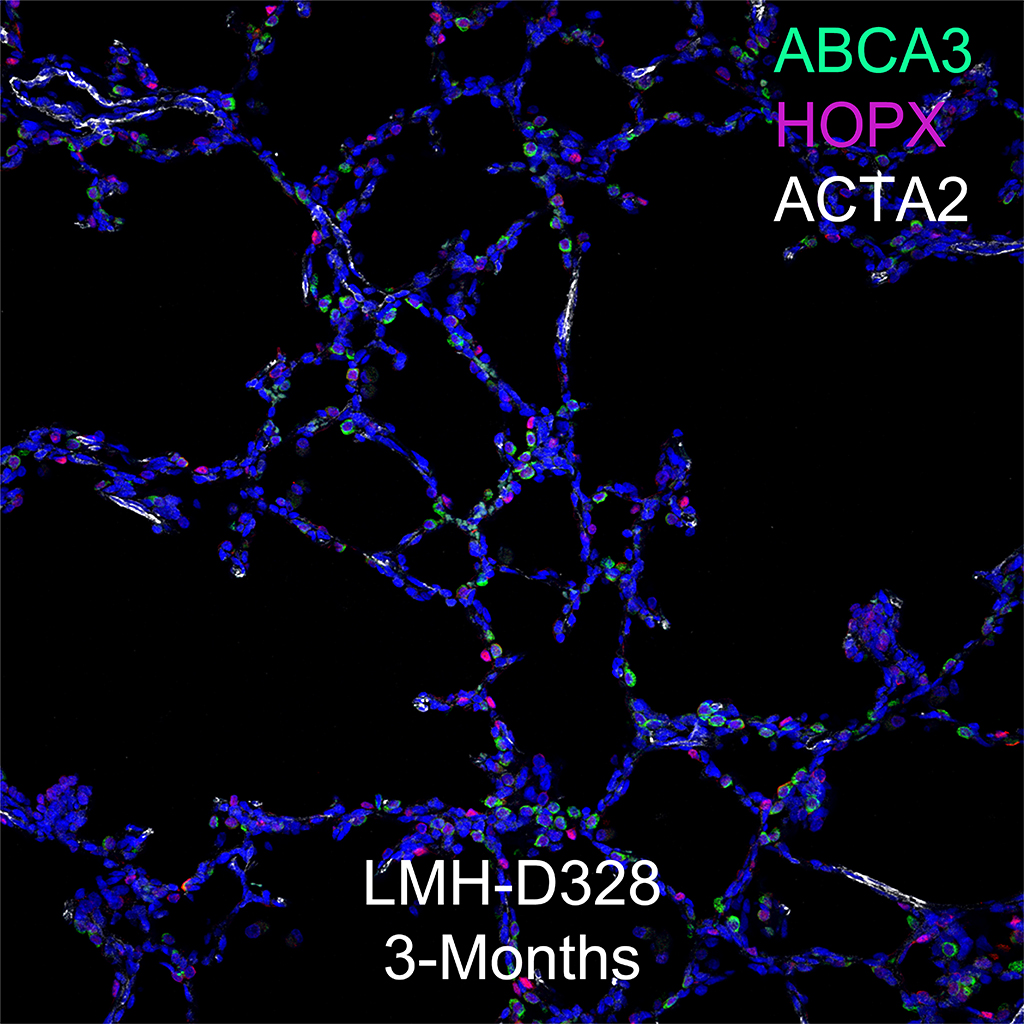
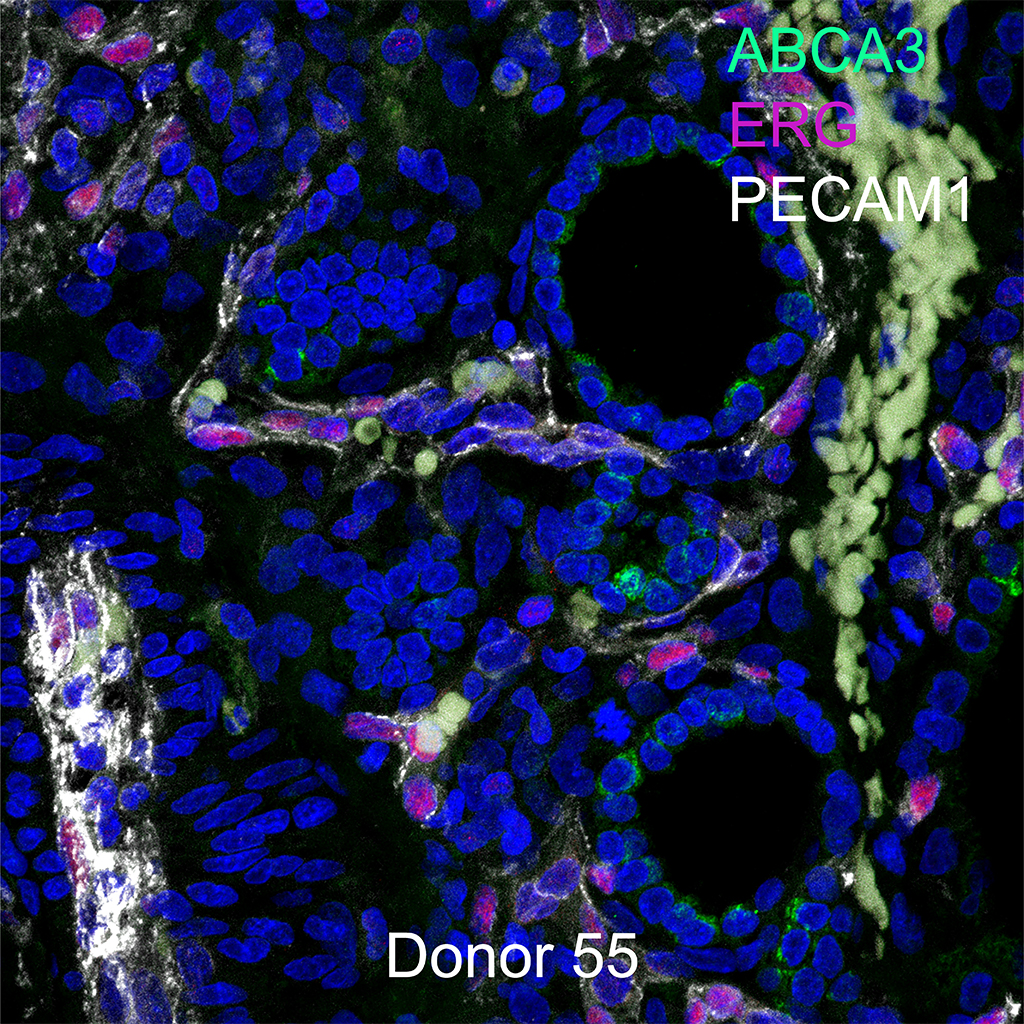
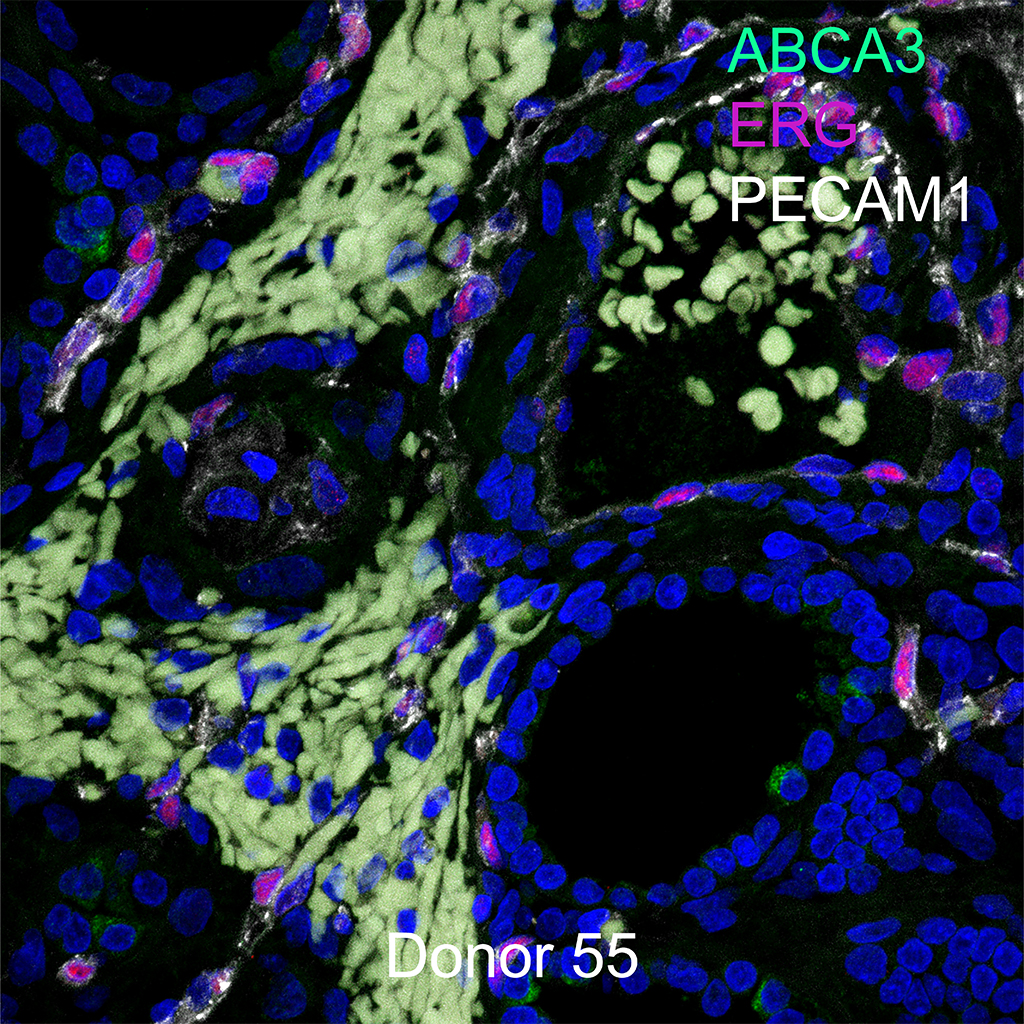
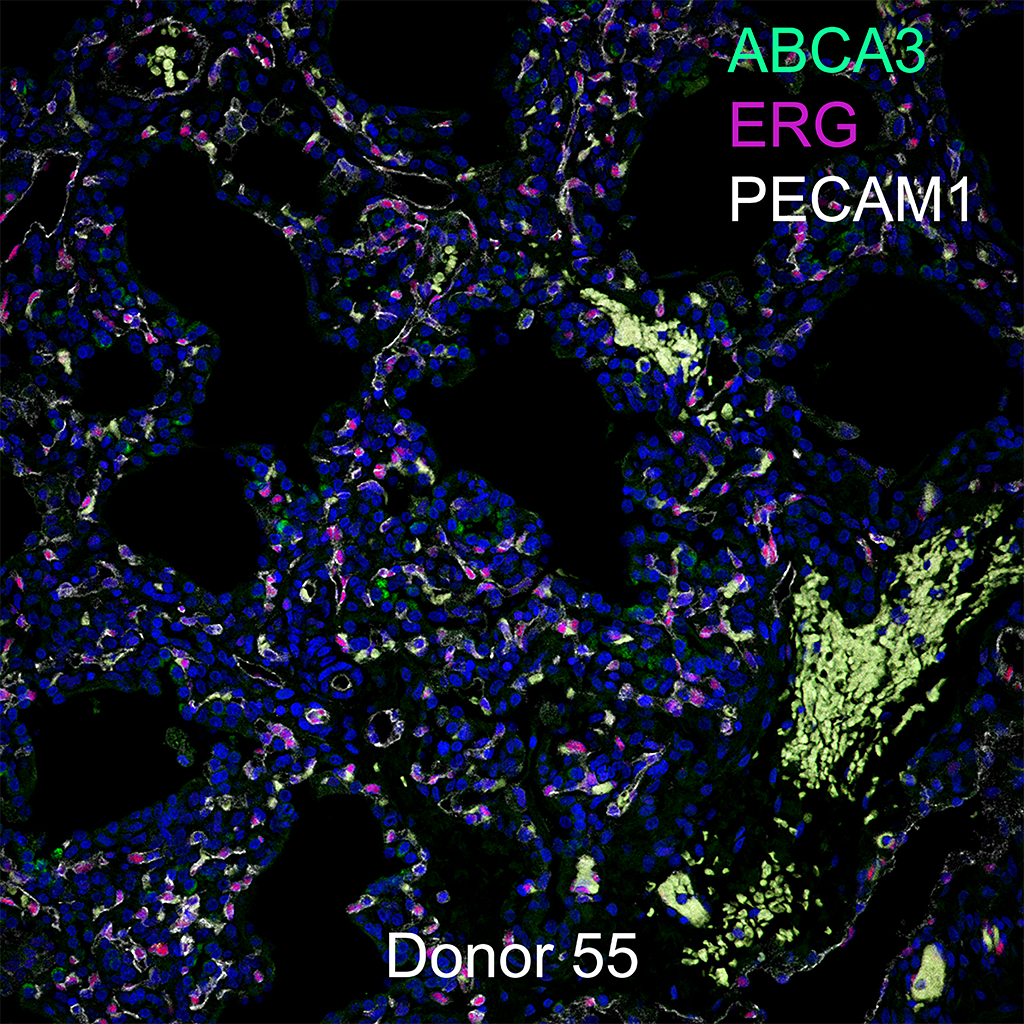
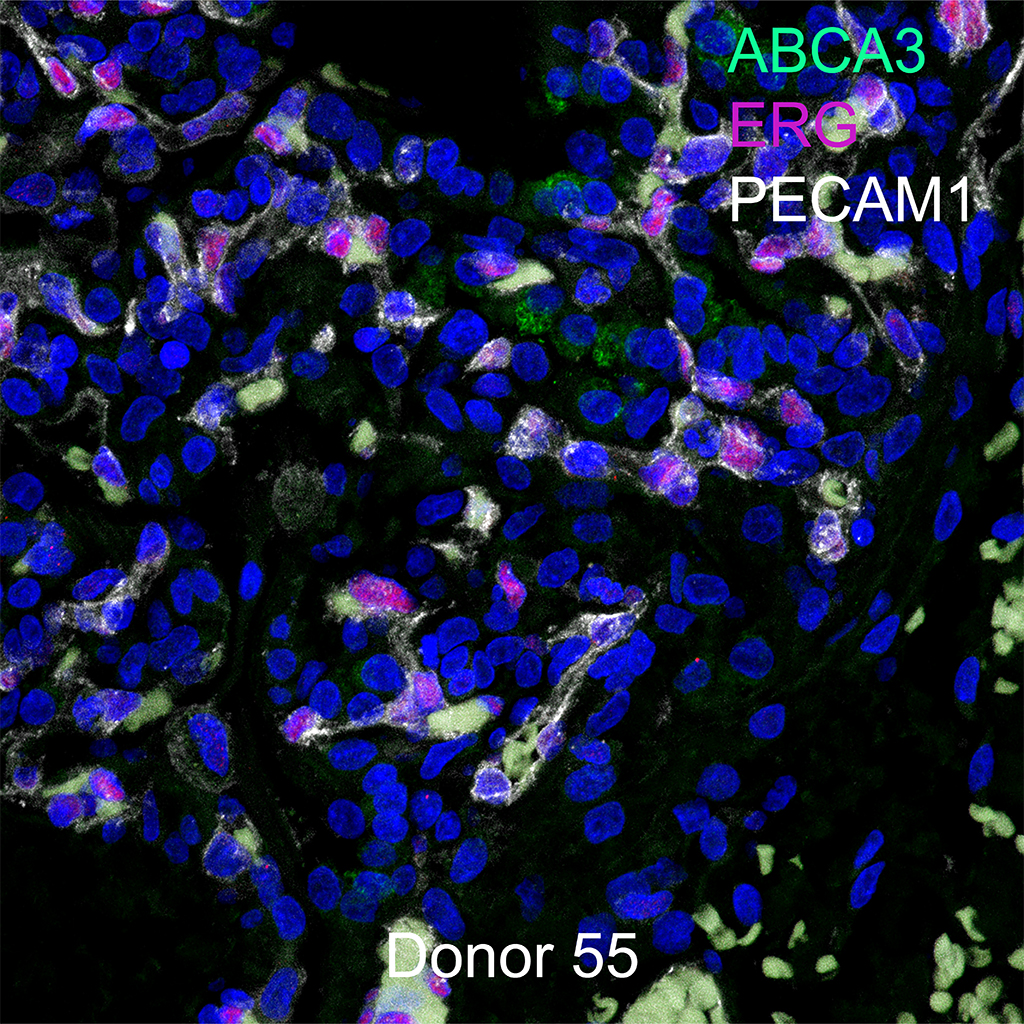
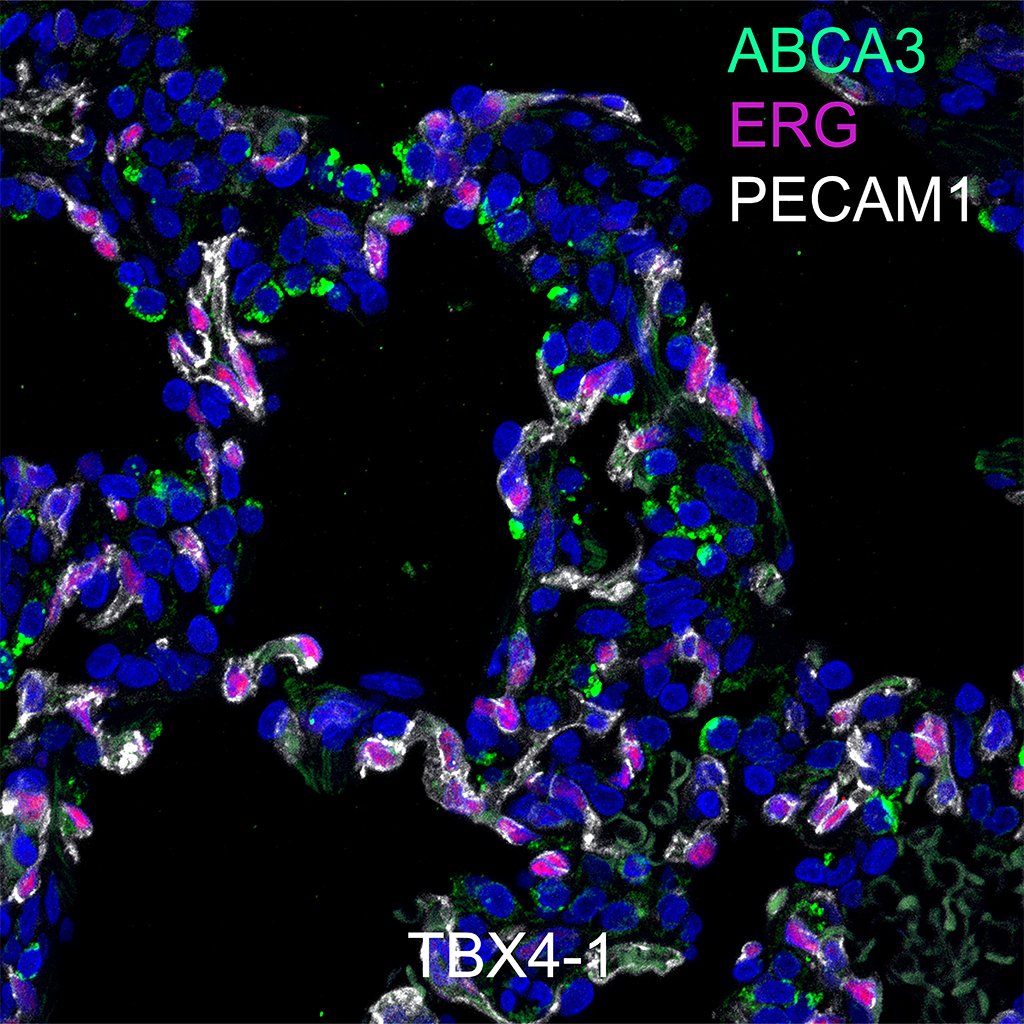
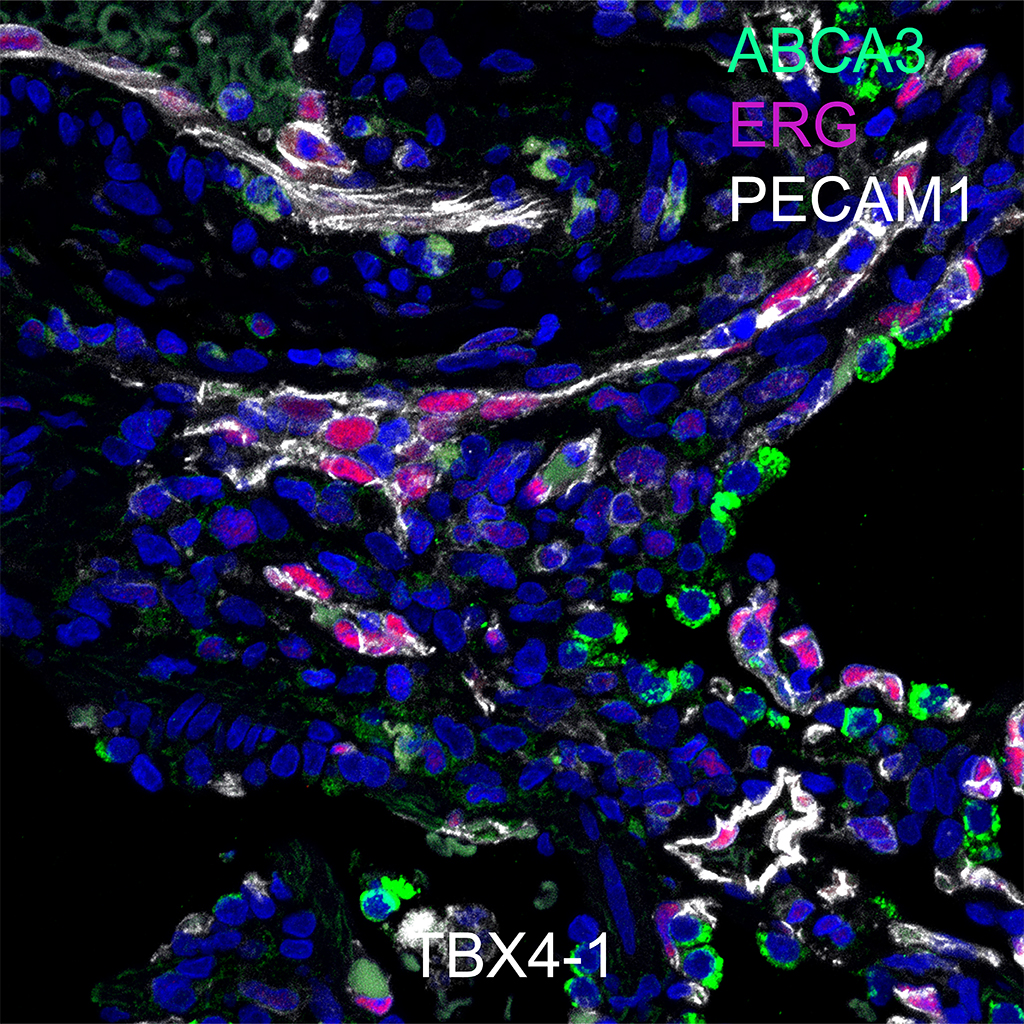
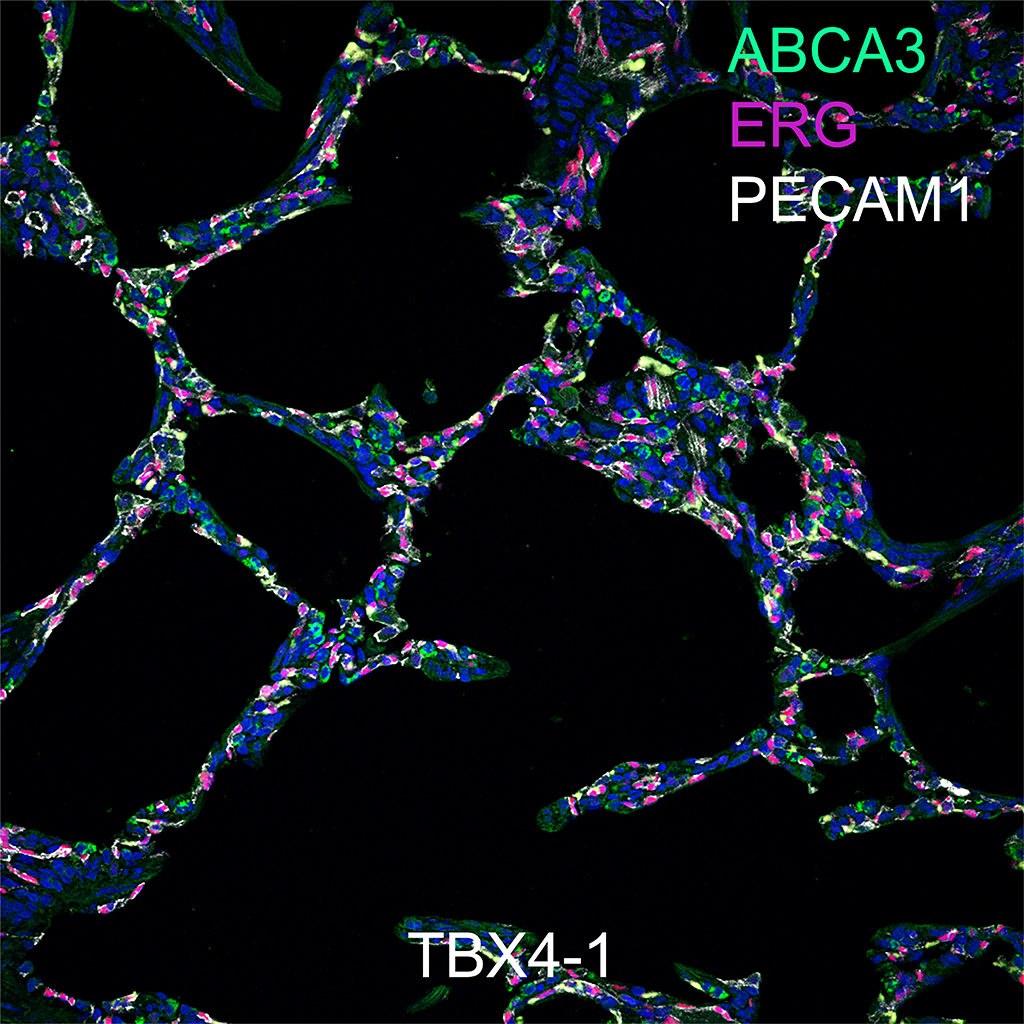
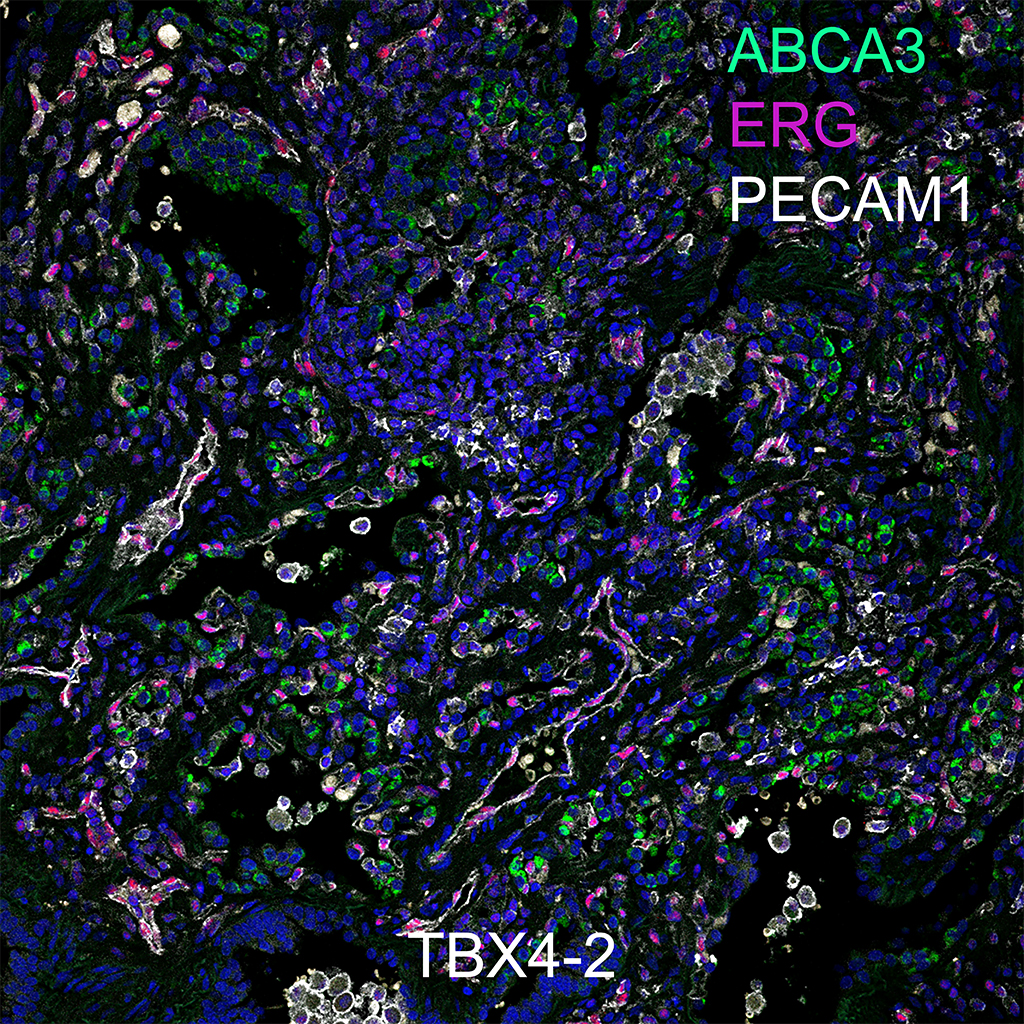
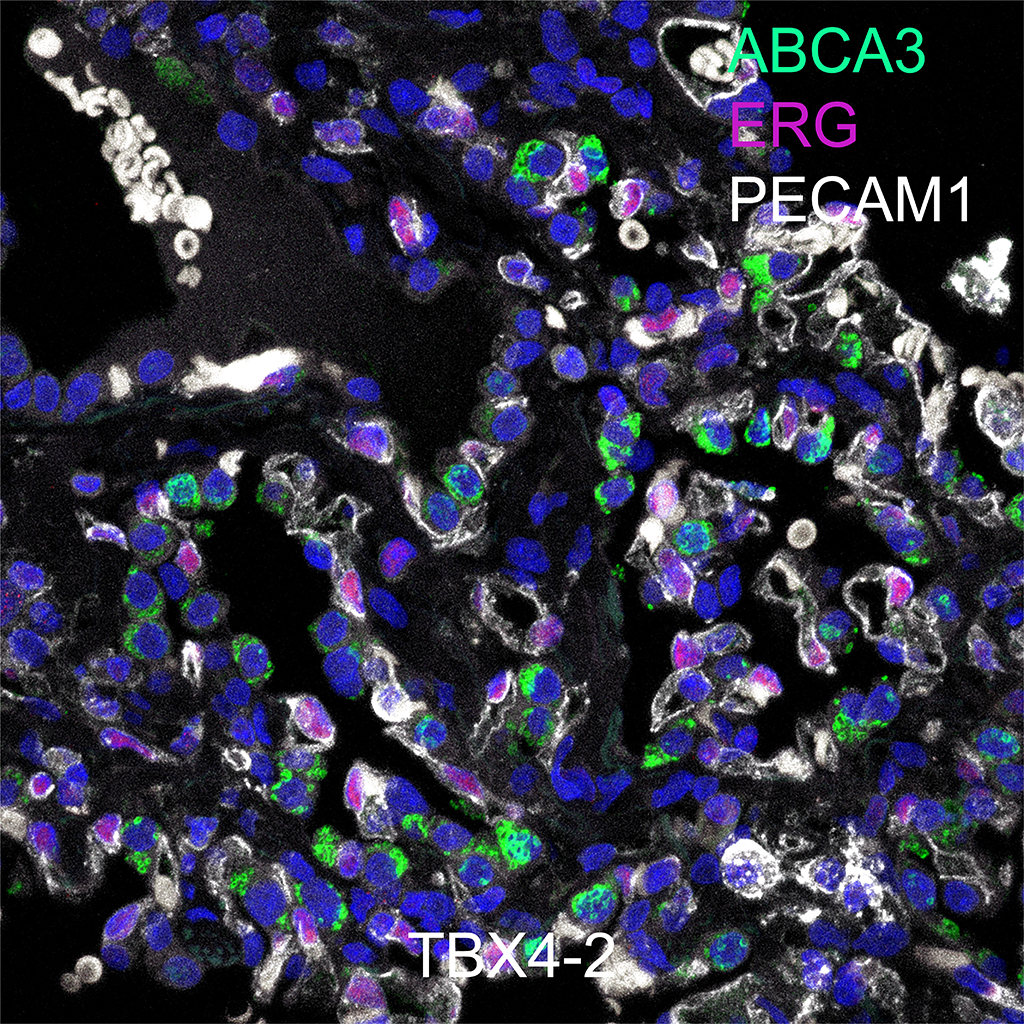
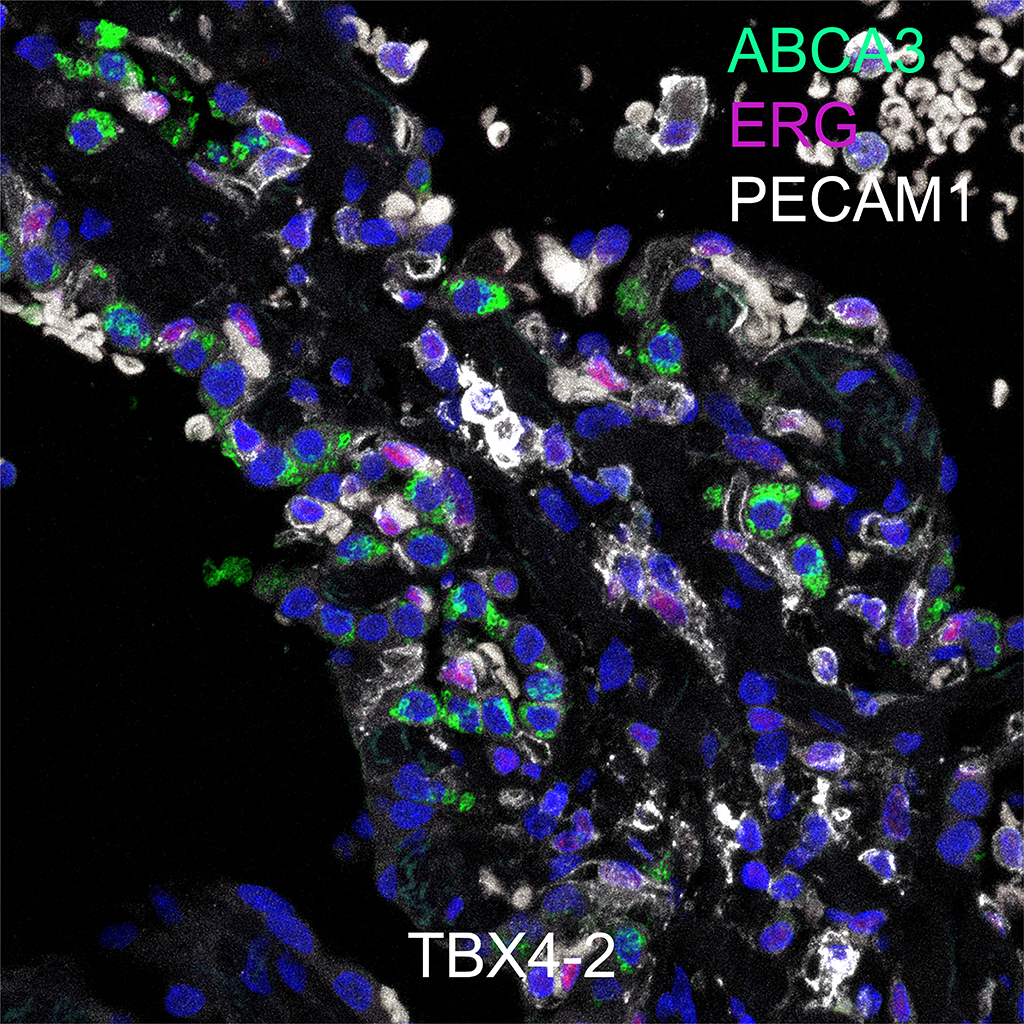
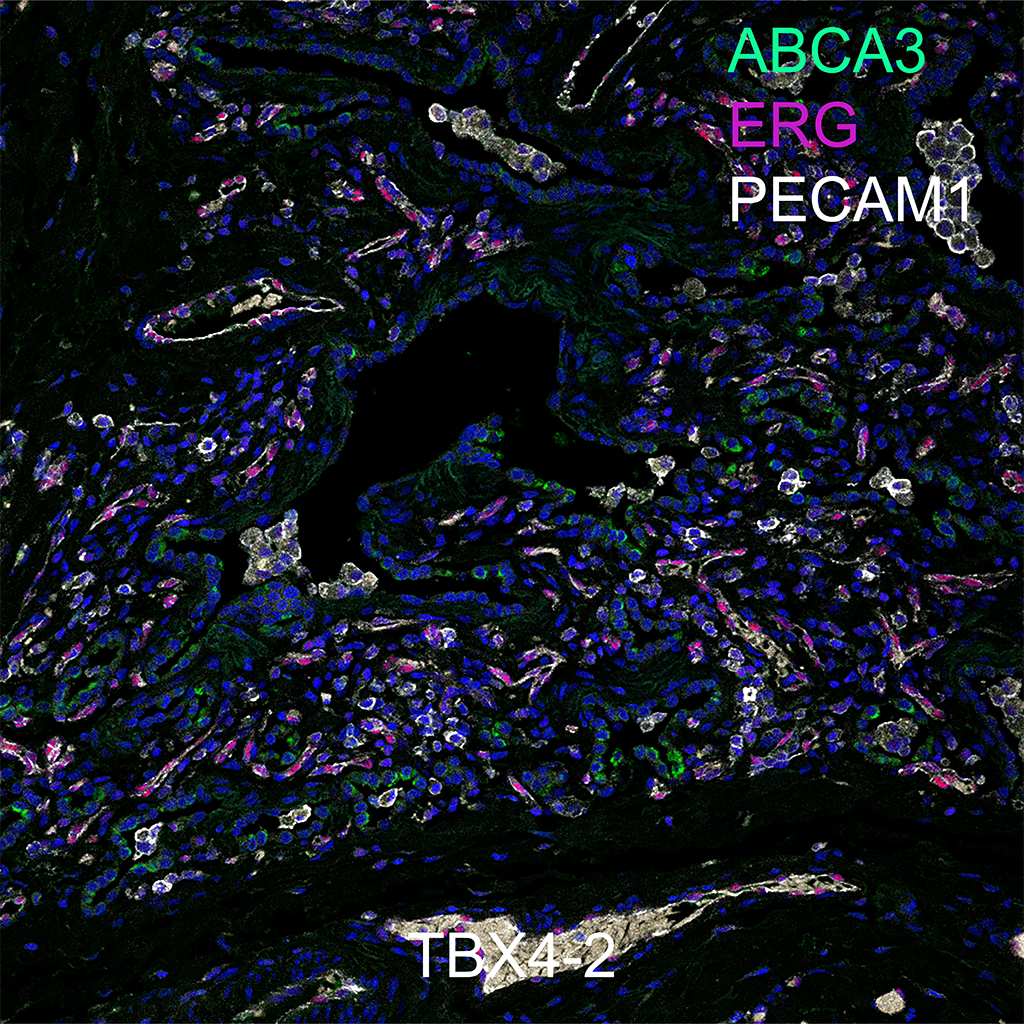
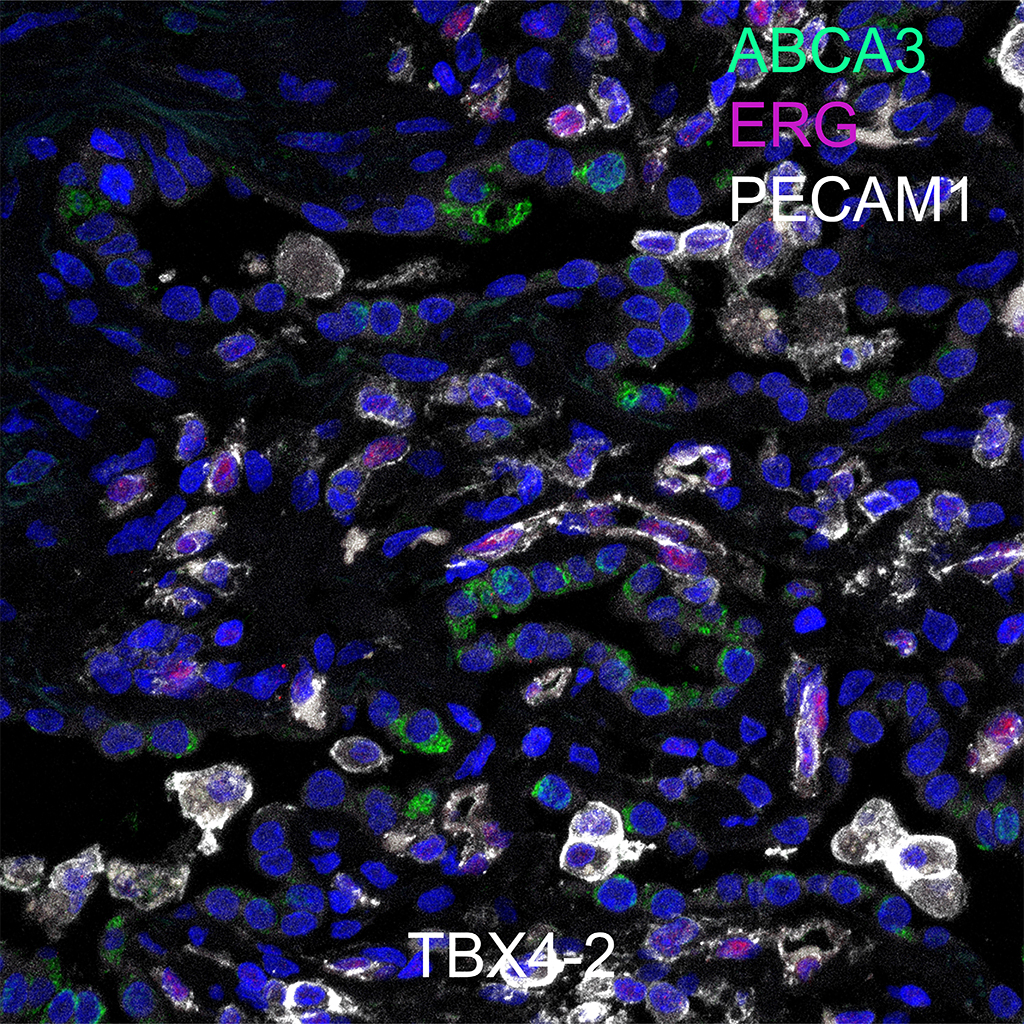
Alveolar type II cells, also known as type II pneumocytes, are specialized epithelial cells found in the alveoli of the lungs, which are the tiny air sacs responsible for gas exchange. These cells play a crucial role in maintaining the structure and function of the respiratory system.

Alveolar type II cells are located within the alveolar walls of the lungs.

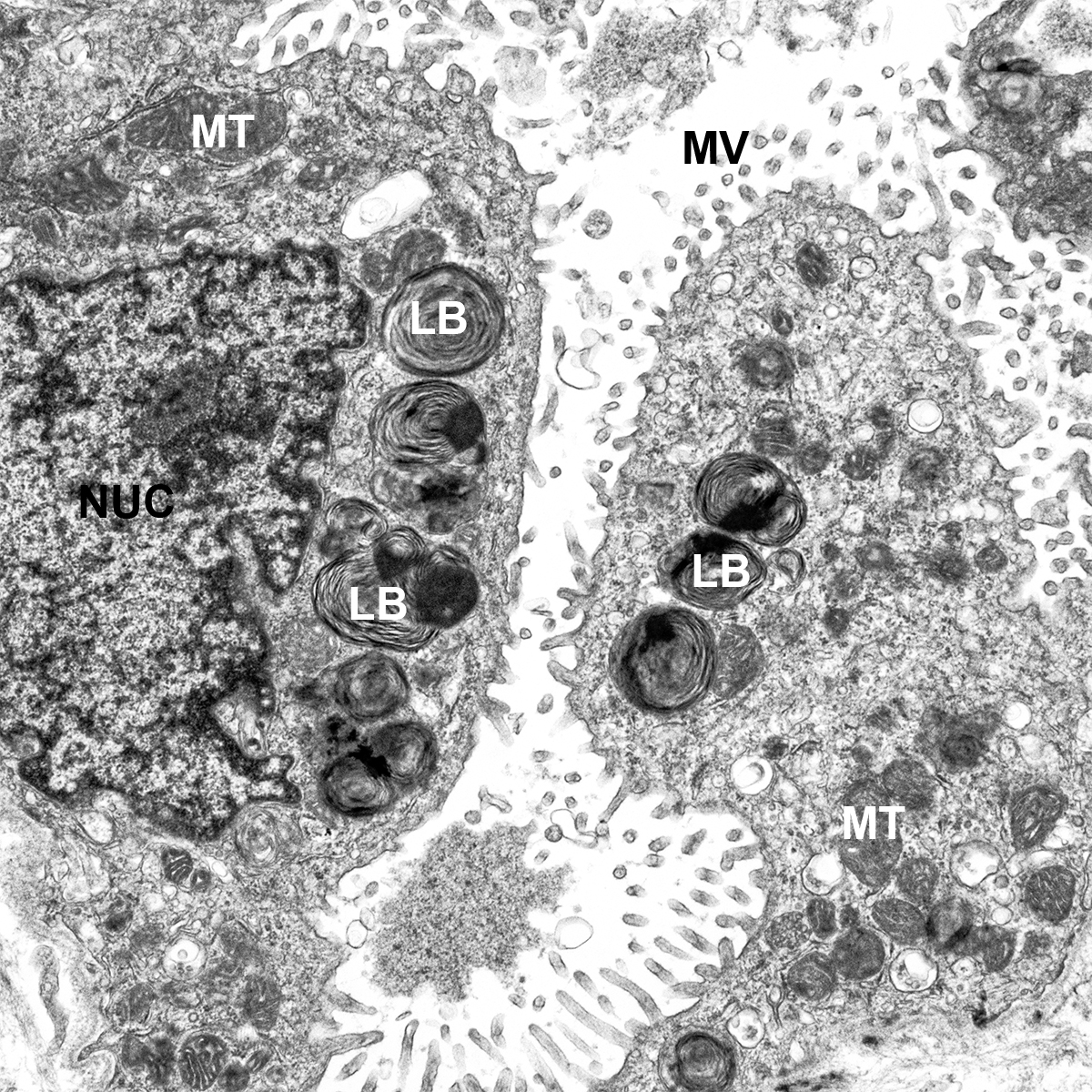
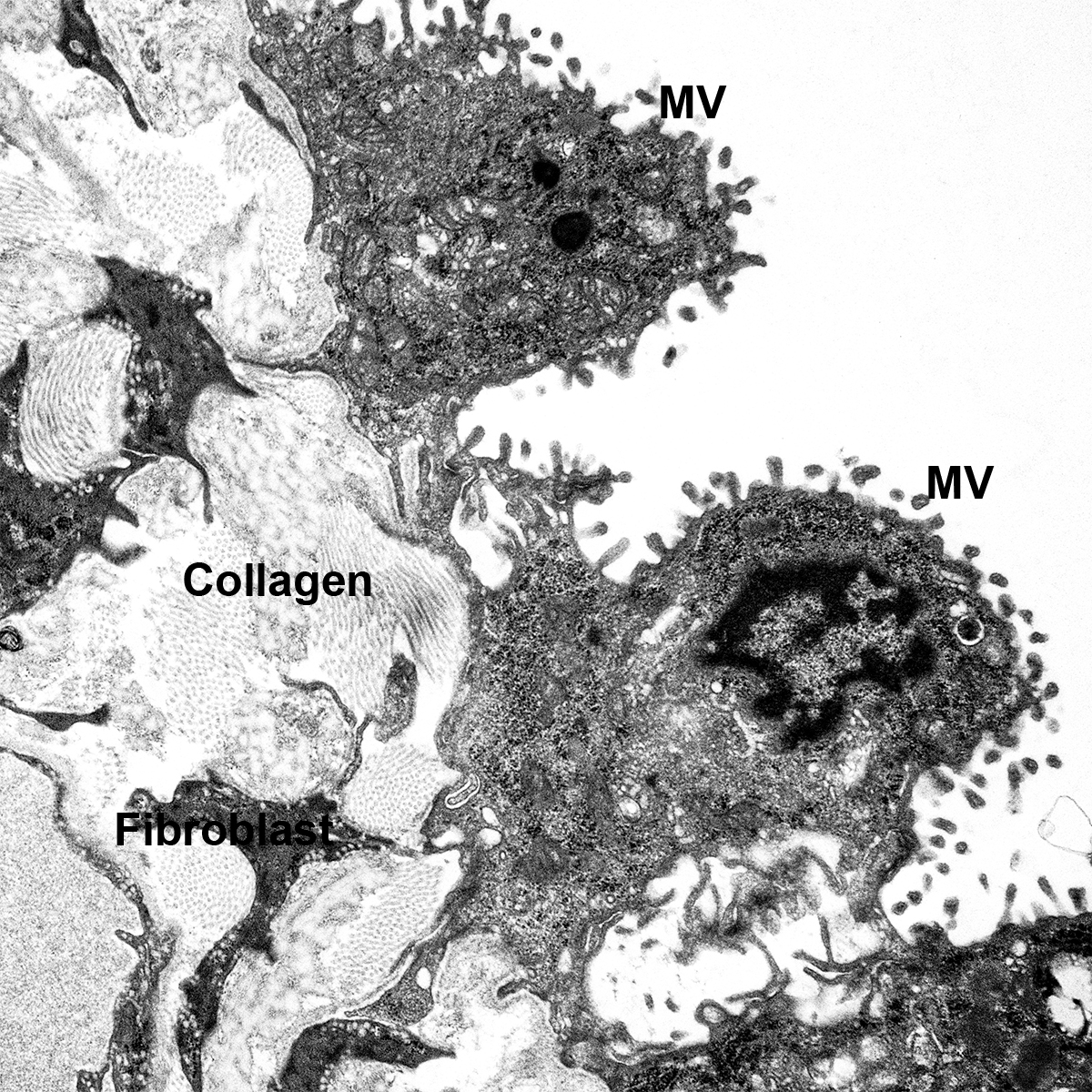
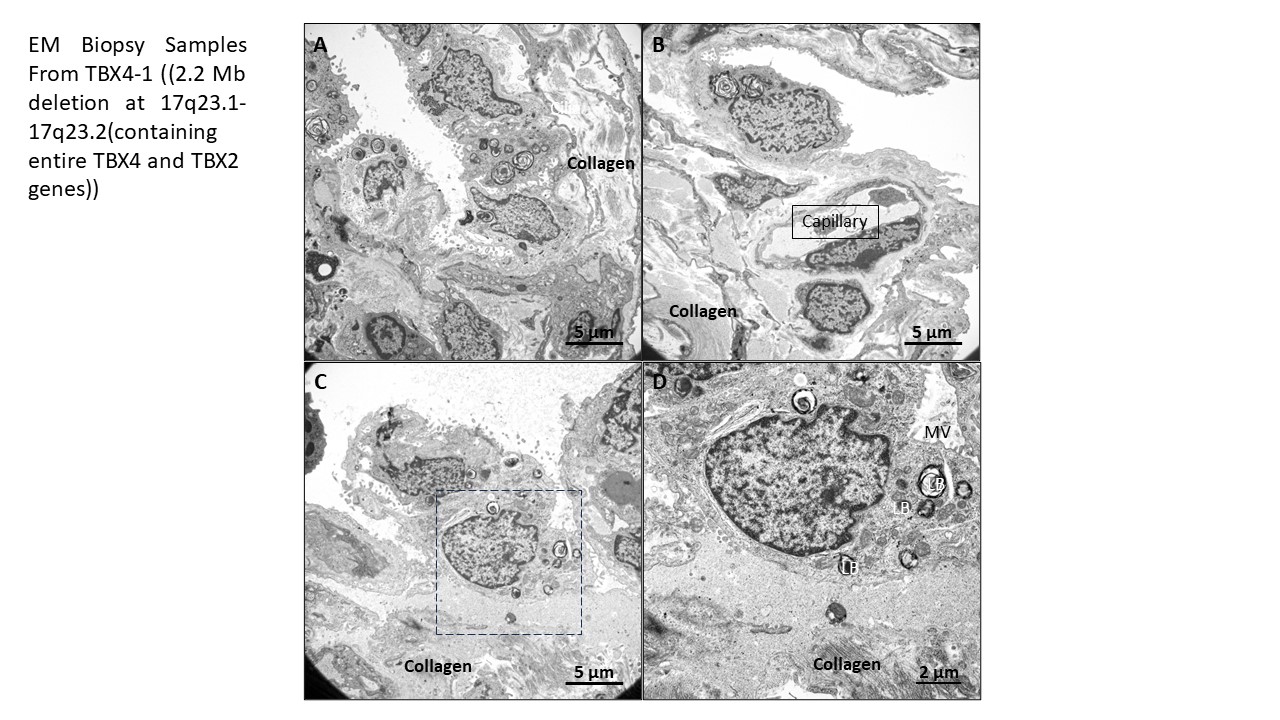
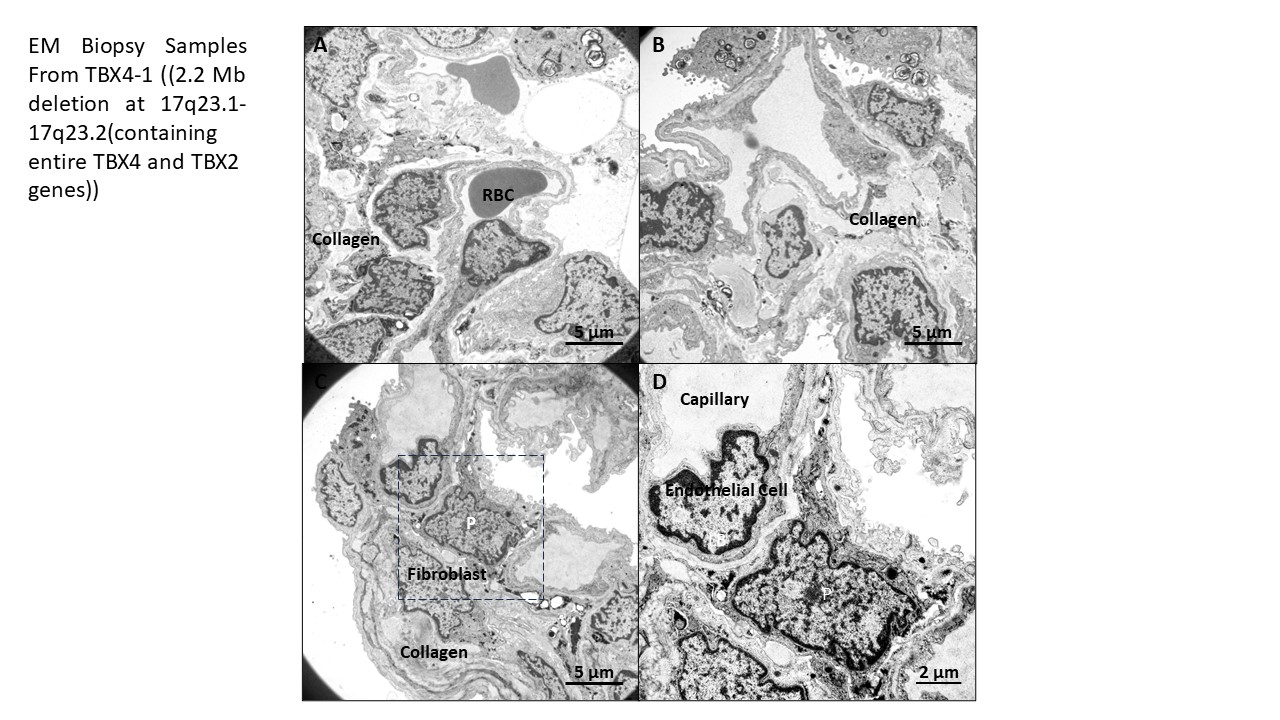
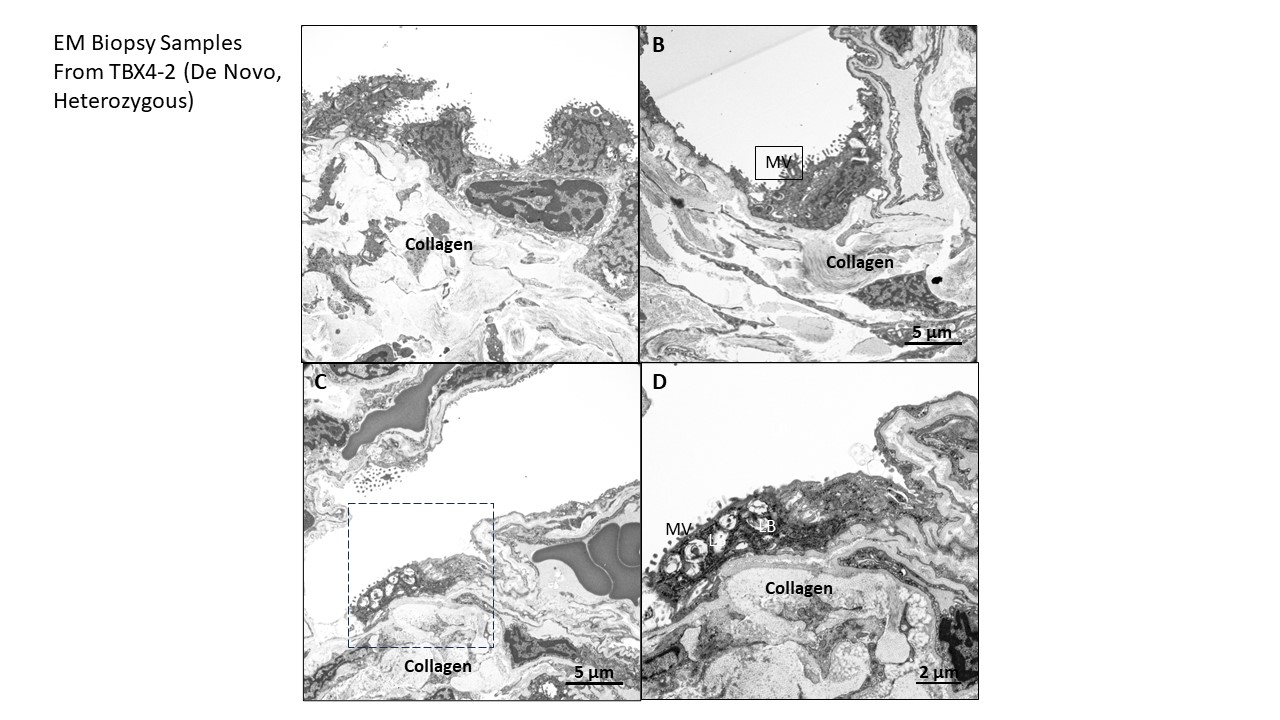
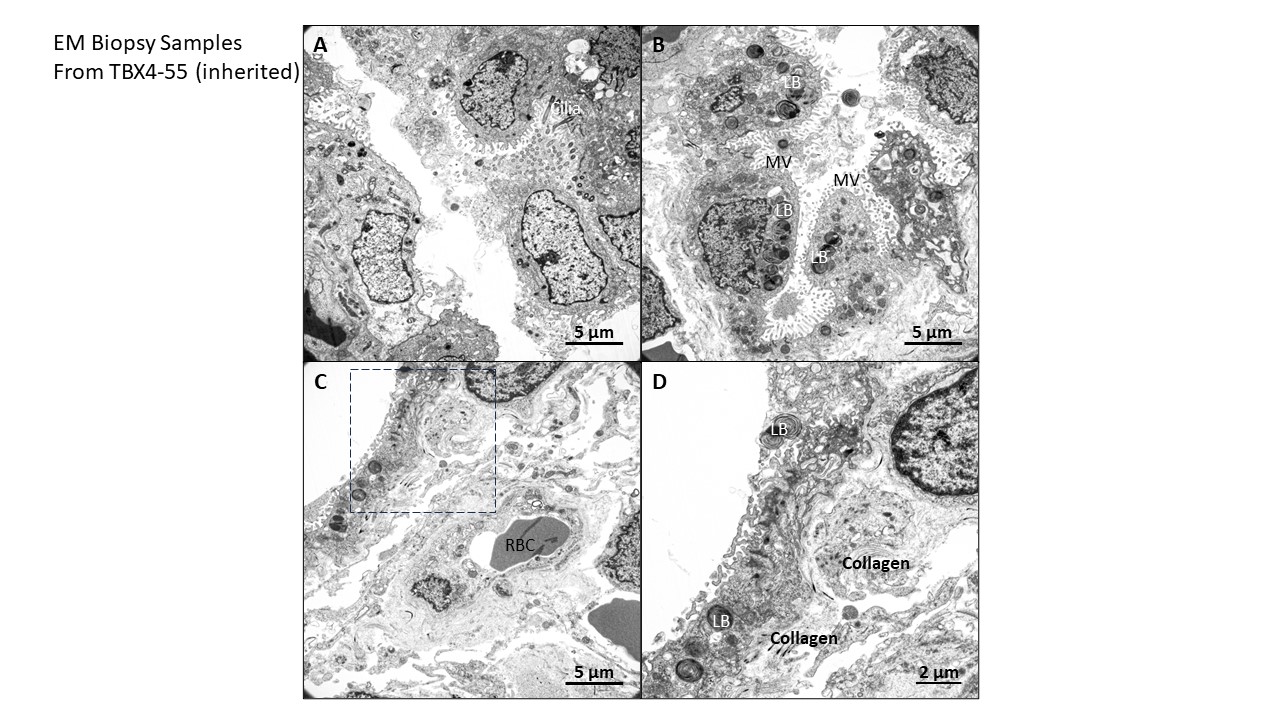
Alveolar type II cells are cuboidal or squamous in shape and are smaller than alveolar type I cells, which are responsible for gas exchange. They are characterized by the presence of microvilli on their apical surface, which increases their surface area for various functions.

One of the most important functions of alveolar type II cells is the production and secretion of pulmonary surfactant. Surfactant is a complex mixture of lipids and proteins that reduces the surface tension of the alveolar fluid, preventing the collapse of alveoli during exhalation. This property is crucial for maintaining the stability of the alveoli and preventing lung collapse, particularly at the end of expiration.

Alveolar type II cells serve as progenitor cells for alveolar type I cells. They have the ability to self-renew and differentiate into type I cells, helping in the repair and regeneration of the alveolar epithelium after injury or damage. This regenerative capacity is essential for maintaining the integrity of the respiratory barrier.

Alveolar type II cells also play a role in the innate immune response of the lungs. They can produce and secrete various immune molecules, including cytokines, chemokines, and antimicrobial peptides, in response to pathogens or inflammatory stimuli. These molecules help to recruit immune cells to the site of infection and promote the clearance of pathogens from the lungs.

Alveolar type II cells are involved in the regulation of ion and fluid balance within the alveoli. They express various ion channels and transporters that regulate the movement of ions, such as sodium and chloride, across the epithelial barrier. This process is important for maintaining the osmotic balance of the alveolar fluid and preventing the accumulation of fluid in the lungs (pulmonary edema).

The surfactant produced by alveolar type II cells consists mainly of phospholipids (such as dipalmitoylphosphatidylcholine, or DPPC) and surfactant proteins (SP-A, SP-B, SP-C, and SP-D). These components work together to reduce surface tension and maintain the stability of the alveoli.

The production and secretion of surfactant by alveolar type II cells are regulated by various factors, including mechanical stretch, glucocorticoid hormones, and certain signaling molecules (such as epinephrine and thyroid hormones). These regulatory mechanisms ensure that surfactant production is matched to the demands of respiration and the maintenance of lung function.